No Egg Recipes – Delicious Cooking Without Eggs

Eggless Chocolate Cake: A Practical, Tested Guide to Moist, Deep Chocolate Without Eggs
Discover Elsie's tested eggless chocolate cake recipe perfected through dozens of kitchen experiments. Get reliable results with expert tips on batter cues,

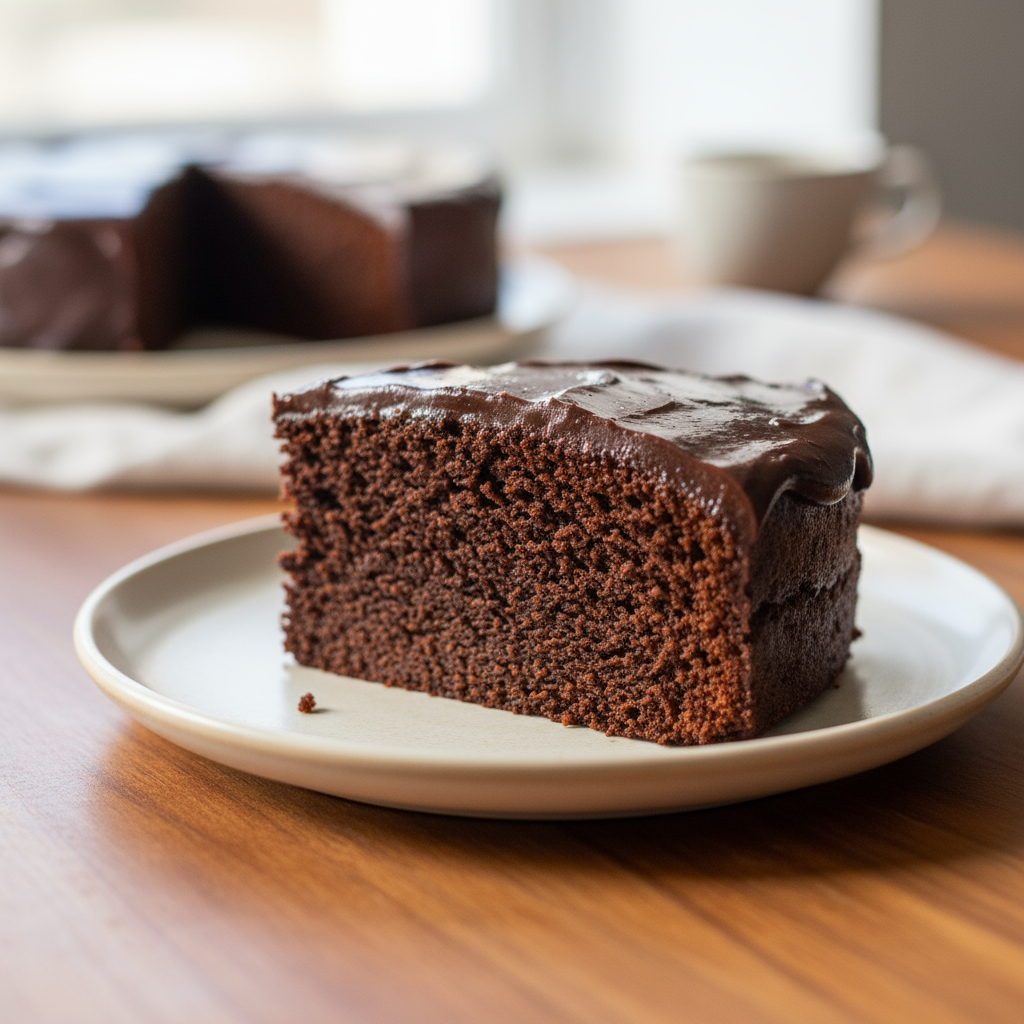
I promise a reliably moist, deeply flavored cake you can bake at home even when eggs are off the table. In my Castleton kitchen, I developed a routine that gives consistent lift, tender crumb, and intense chocolate character using clever swaps and attention to batter cues. Eggless Chocolate Cake is the result of many experiments, and here I show you what to aim for, how to recover from common failures, and a few small tricks that make every bite sing.
- Texture target: pourable, ribbon-slow batter that settles gently but holds slight airy bubbles
- Reliable swap/tool: aquafaba or cultured dairy alternative for structure and moisture
- Make-ahead: freeze single layers wrapped well; thaw gently and refresh in a warm oven
Table of Contents
Table of Contents
Moist Eggless Chocolate Cake
A rich, moist chocolate cake made without eggs, perfect for those with allergies or dietary restrictions. Developed through extensive testing for reliable results.
PREP TIME
10 mins
10 mins
COOK TIME
45 mins
45 mins
TOTAL TIME
N/A
N/A
Servings: 12 servings
Course: Snack
Cuisine: American
Calories: 469
🥄 Ingredients
- 2.5 cups (330 g) all-purpose flour
- 2 tsp baking powder
- 0.5 tsp salt
- 0.75 cup (185 g) Greek yogurt, room temperature
- 2 cups (400 g) granulated sugar
- 1.25 tbsp vanilla extract
- 0.5 tsp baking soda
- 0.5 cup (113 g) unsalted butter
- 0.67 cup (130 g) vegetable oil
- 1.5 cups (360 ml) milk
- 2 tsp instant coffee powder
- 0.75 cup (77 g) Dutch-process cocoa powder
👩🍳 Method
- Preheat oven to 350°F (175°C). Grease and line two 8-inch cake pans.
- Sift together flour, baking powder, and salt. Whisk to combine and set aside.
- In a large bowl, combine yogurt, sugar, vanilla, and baking soda. Mix well and set aside.
- In a microwave-safe bowl, combine butter, oil, milk, and coffee powder. Heat until butter is melted and mixture is hot.
- Add cocoa powder to hot mixture and stir until dissolved.
- Add half of hot mixture to yogurt mixture and whisk to combine. Add half of dry ingredients and mix gently. Repeat with remaining mixtures. Do not overmix.
- Divide batter evenly between pans. Tap pans gently to remove air bubbles.
- Bake for 45 minutes or until toothpick comes out clean. Cool in pans for 20 minutes, then transfer to wire rack.
Notes: Cake is done when toothpick comes out clean. Store covered at room temperature for 3 days or freeze for up to 3 months.
Why This Eggless Chocolate Cake Works
I developed this version after dozens of failed sponges and gummy loaves. I focus on balancing three functions eggs normally provide: lift, emulsion, and moisture retention. Instead of relying on a single replacement, I layer solutions: a protein-rich liquid to trap air, a fine fat for tenderness, and an acidic element to amplify rise with modern chemical leaveners. I also manage batter viscosity so pockets of steam form and expand without collapsing the crumb. The result is a cake that feels light to slice yet satisfyingly moist in the mouth.
My daughter Molly’s egg allergy was the reason I started testing. Early attempts were either dense or cracked, but by tuning liquid ratios and temperature management I began to see repeatable success. I recommend viewing failures as experiments; each flop taught me one small variable to control. I include practical cues below so you can tell when the batter, surface, and crumb are behaving as they should.
Ingredient Notes & Substitutions
Focus on function rather than a list of amounts. Protein sources such as aquafaba, cultured plant yogurts, or silken tofu add structure; aquafaba mimics egg white foaming while soy or pea-based alternatives give a slightly firmer crumb. For richness, neutral oils and melted plant butter bring tenderness without weighing the cake down. Cocoa quality matters for flavor depth, choose Dutch-process or natural depending on your acid choices – Dutch-process is smoother and less acidic, which changes how much baking soda you need if you were adjusting leavening. Sugar not only sweetens but helps with moisture retention and crust color, and a small amount of invert sugar or honey substitute can prolong freshness. For acidity, a splash
of vinegar or lemon juice reacts with chemical leaveners to provide initial lift – cultured dairy-free yogurts can provide both acidity and creaminess simultaneously.
All substitutions affect texture. If you swap aquafaba for tofu, expect a slightly denser crumb and adjust your mixing to incorporate more air. If you replace oil with butter substitute, allow for a bit more aeration while creaming to trap lift. If you wish to make the recipe dairy-free, choose plant-based milks and yogurts; if you tolerate dairy but want egg-free, cultured dairy yogurt gives a great tang and structure that mirrors buttermilk interactions in traditional recipes.
Method overview: The general method is simple – combine dry components until evenly mixed, whisk wet components to incorporate air and dissolve sugars, fold the two gently until homogeneous and pourable but not thin. Transfer to prepared pans and bake until the surface gives a gentle spring and the center feels set but still slightly tender. No step-by-step measurements or times are here, only the broad flow so you can adapt to your chosen substitutes while keeping the structure-function relationships intact.
Essential Equipment for Success
Good tools reduce guesswork. Use bowls large enough to allow vigorous whisking without spillover, and a reliable whisk or electric mixer to create air in your wet component if you are using aquafaba or a similar foamable substitute. A fine mesh sieve helps prevent lumps in cocoa and flour, which in turn gives a fine, even crumb. I keep a small offset spatula or flexible scraper for gentle folding and a kitchen scale for consistent results; weighing ingredients removes much of the variability that turns a good bake into a fail. An oven thermometer is worth the expense; small temperature differences change how egg-free batters set. Finally, quality pans with even heat distribution minimize dome and overbrowned edges, which is
especially important when eggs are absent and structural margins are smaller.
Pro Tips & Troubleshooting
These are patterns I learned by making the cake dozens of times for family gatherings and quiet teacakes in Castleton. Read the cues and adjust deliberately.
Batter feel: Aim for a pourable yet viscous batter. It should flow slowly from a spatula in a thick ribbon and settle with small trapped bubbles. If it is too thin the crumb will be open and prone to collapse, if too stiff the cake will be tight and dry. Warm liquids make batter looser, cold liquids thicken it. I standardize at room temperature for predictable behavior.
Mixing and aeration: Overmixing develops gluten and leads to toughness. Under-mixing leaves pockets of unmixed flour that dry irregularly. Fold until no streaks remain and the batter looks homogenous. When using aquafaba or whipped plant yogurt, aim for soft peaks before folding – you want air but not a meringue-stiff foam that will separate during gentle folding.
Oven cues: The surface should feel springy but not jiggly at the center when you press gently with a fingertip. A small central depression that bounces back indicates proper structure. If the top cracks widely it probably set too quickly on the surface – try lowering rack position next time or slightly reducing initial oven intensity. If the cake sticks at the center when a toothpick is inserted it likely needed a bit more time; allow it to cool in the pan briefly before releasing.
Fixes for common issues: If the cake is dense, increase aeration in the wet mix or reduce whole grain flours. If it sinks in the middle, check leavening freshness, underbaking, or overmixing right before bake. If it is dry, boost fat slightly or introduce a humectant like a neutral syrup or mashed fruit in future bakes. I share more troubleshooting in its own section, but these quick checks solve most kitchen problems.
Trust signals: After many failures I began documenting each change – temperature, brand of cocoa, type of swap. Success only came when I controlled one variable at a time. If you are stuck, replicate one of my tests exactly before altering multiple elements. I mention particular successes and the lessons learned below so you can follow the same path to a reliable cake.
Variations & Flavor Twists
Once the base bake behaves, small additions transform the cake without destabilizing structure. Folded-in chocolate chips add pockets of melted chocolate; a layer of fruit puree gives moisture and acidity; coffee intensifies chocolate notes by amplifying bitter and roasted flavors. You can also create a nutty variant with finely ground almonds or hazelnut meal, but remember these absorb more liquid, so slightly increase the wet component if using dense nut flours. For a mocha profile, replace part of the liquid with strong brewed coffee. For a fruit-forward version, swirl a reduced berry compote into the batter near the end of folding, keeping the swirls light so you do not overwork the batter.
Keep in mind that add-ins change bake time and crumb. Chunks larger than small chips create localized weight and may sink; chop them smaller or toss them lightly in flour alternative to suspend them. I have a favorite version with orange zest and a small splash of orange liqueur substitute; the citrus lifts the chocolate and keeps each bite bright without adding structural risk.
Serving & Storage Instructions
Serve at room temperature for the cleanest crumb and most pronounced flavor. Slice with a serrated knife in long, gentle sawing motions to avoid compressing the crumb. If you plan to freeze, wrap single layers tightly in plastic wrap and place in an airtight container; when thawing, allow to come to room temperature wrapped to avoid condensation on the surface. To refresh older slices, briefly warm in a low oven or toaster oven until just heated through, which revives moisture perception and melts any fillings.
For short term storage, keep the cake in a covered cake box or sealed container at room temperature away from direct heat. If frosting or fillings are perishable because they contain dairy, store in the refrigerator and allow to acclimate before serving for best texture. Leftovers make excellent trifle layers or warmed with a scoop of non-dairy cream for an easy dessert. My family often slices the cake and freezes single portions; Molly loves pulling a piece for an after-school treat that thaws by dinner.
Dietary Adaptations & Allergen Notes
This recipe framework is flexible to serve multiple diets. For vegan versions, use plant-based milk and yogurt alternatives, and ensure any chocolate is dairy-free. For dairy-free but not vegan, cultured dairy yogurt gives structure that mimics the tang of buttermilk and improves shelf life. For soy-avoidant diets, aquafaba remains a strong option, while pea or oat-based yogurts can fill in for dairy where tolerated.
For nut-free adaptations, avoid almond meal and ensure chocolate and any flavorings are processed in nut-free facilities. If you need a gluten-free cake, use a tested, cup-for-cup gluten-free flour blend with xanthan gum or a similar binder; you will likely need slight adjustments in liquid to achieve the targeted batter viscosity. When adapting for allergies I test one change at a time and record results – a change in flour often requires a compensating change in liquid or fat. I encourage readers to note each swap and the resulting texture so you can replicate successful versions for allergy-friendly baking in your household’s needs.
Common Mistakes to Avoid
Most failures come from three places: incorrect leavening, temperature extremes, and overmixing. Old baking powder or baking soda loses potency – if results are flat check freshness first. Cold ingredients slow chemical reactions and reduce rise, while too-warm batters can collapse as trapped gases expand too quickly. Overmixing develops gluten and yields a chewy, dense crumb. I keep a simple checklist now: fresh leaveners, room temperature wet ingredients, sifted dry components, and a gentle folding finish. Another frequent mistake is overreliance on one egg substitute; using a combination of structural and moisture-focused replacements usually gives a more balanced cake.
Finally, avoid frequent opening of the oven during the critical early set period. This is especially important for egg-free cakes because they rely more on steam and chemical leavening rather than an egg network to hold early structure. If you follow the batter and oven cues outlined earlier, most of these mistakes become easy to spot and correct.
Science Behind Eggless Baking
Understanding why eggs matter helps explain why replacements must cover several roles. Eggs contribute lift through trapped air and coagulation, they emulsify fat and water to give a uniform batter, and they help the finished crumb retain moisture. In eggless baking I replicate those functions in other ways. Proteins from aquafaba or tofu coagulate when heated, giving structure. Emulsifiers in plant-based yogurts or a small amount of neutral lecithin improve fat dispersion. Sugars and humectants like invert sugars attract and hold water, which keeps the crumb tender over time. Acids activate baking soda for an early, vigorous rise, while baking powder provides a two-stage lift to preserve structure during oven set and final cooling.
Texture is a balance between gas cell formation and matrix strength. Too much gas and the thin matrix collapses, too little gas and the crumb is dense. Managing viscosity at the time of transfer to the pan is key – sufficiently fluid to allow expansion, sufficiently viscous to support cell walls. That is why I focus heavily on batter cues and consistent mixing techniques. Small changes in cocoa alkalinity, sugar type, or liquid temperature can shift reaction rates, so my testing emphasized controlling one variable at a time to understand its effect on texture and flavor.
Conclusion
Baking this cake changed how I approach egg-free desserts. From early collapses to dependable loaves, the path was iterative – each failure taught a variable to control. I encourage you to treat the recipe as a framework: balance a structure-providing liquid, an appropriate fat, and a measure of acidity to get repeatable results. Document your swaps and the sensory cues you observe. If you follow the batter and oven cues I describe, and make incremental changes only, you will reach a consistently moist, intensely flavored chocolate cake that everyone can enjoy. From my kitchen in Castleton, with Molly’s early challenges as my guide, I share these methods so no one must be left hungry for a real, satisfying chocolate cake.
Happy baking,
Elsie Marlow
Love this recipe? Follow us on Facebook and Pinterest and explore more creative ideas on our food blog!
Frequently Asked Questions
Can I make this cake vegan?
Yes, the framework supports vegan baking when you use plant-based milk and yogurt alternatives, ensure your chocolate is dairy-free, and substitute any butter with a plant-based spread or oil. Maintain the balance of structure and moisture by using an aquafaba or tofu-based protein source combined with a cultured plant yogurt for acidity if needed.
What can I use instead of yogurt?
If you cannot use yogurt, options include aquafaba for aeration, silken tofu for body, or a cultured plant-based alternative if you want acidity. Each swap changes texture slightly – aquafaba yields a lighter crumb while tofu gives a denser, creamier body, so adjust liquid or mixing to reach the target batter viscosity.
Why did my cake sink in the middle?
Sinking often results from underbaking, expired leavening, or over-aeration that collapses during cooling. Check your leavening freshness, avoid excessive mixing just before baking, and confirm oven temperature with a thermometer. Also ensure batter viscosity is correct – too thin batters are more likely to collapse.
How long does eggless chocolate cake last?
At room temperature in a sealed container, the cake keeps well for a few days; refrigeration extends life if frosting is perishable. Moisture-retaining ingredients like syrups or oil-based fats lengthen freshness. For longer storage, freeze single layers wrapped tightly and thaw wrapped to prevent condensation.
Can I freeze eggless chocolate cake?
Yes. Cool completely, wrap slices or layers tightly in plastic wrap, then place in an airtight container. Thaw at room temperature while still wrapped to avoid surface moisture. Refresh briefly in a warm oven if you want to revive texture when serving.
Can I make this cake gluten-free?
You can, using a tested cup-for-cup gluten-free blend with a binder such as xanthan gum. Gluten-free flours often absorb more liquid, so expect to adjust wet ingredients to match the desired batter viscosity. Test a small batch and note any timing changes needed for your oven and pan.
Why use coffee in chocolate cake?
Coffee enhances chocolate flavor by amplifying roasted and bitter notes already present in cocoa. It does not make the cake taste overtly of coffee when used in modest amounts; it deepens chocolate intensity and creates a richer overall flavor profile.