No Egg Recipes – Delicious Cooking Without Eggs

eggless breakfast casserole: a hearty, family-tested morning bake
Elsie's family-tested eggless breakfast casserole delivers crispy potatoes, creamy texture, and inclusive comfort. Developed through kitchen trials for

Introduction
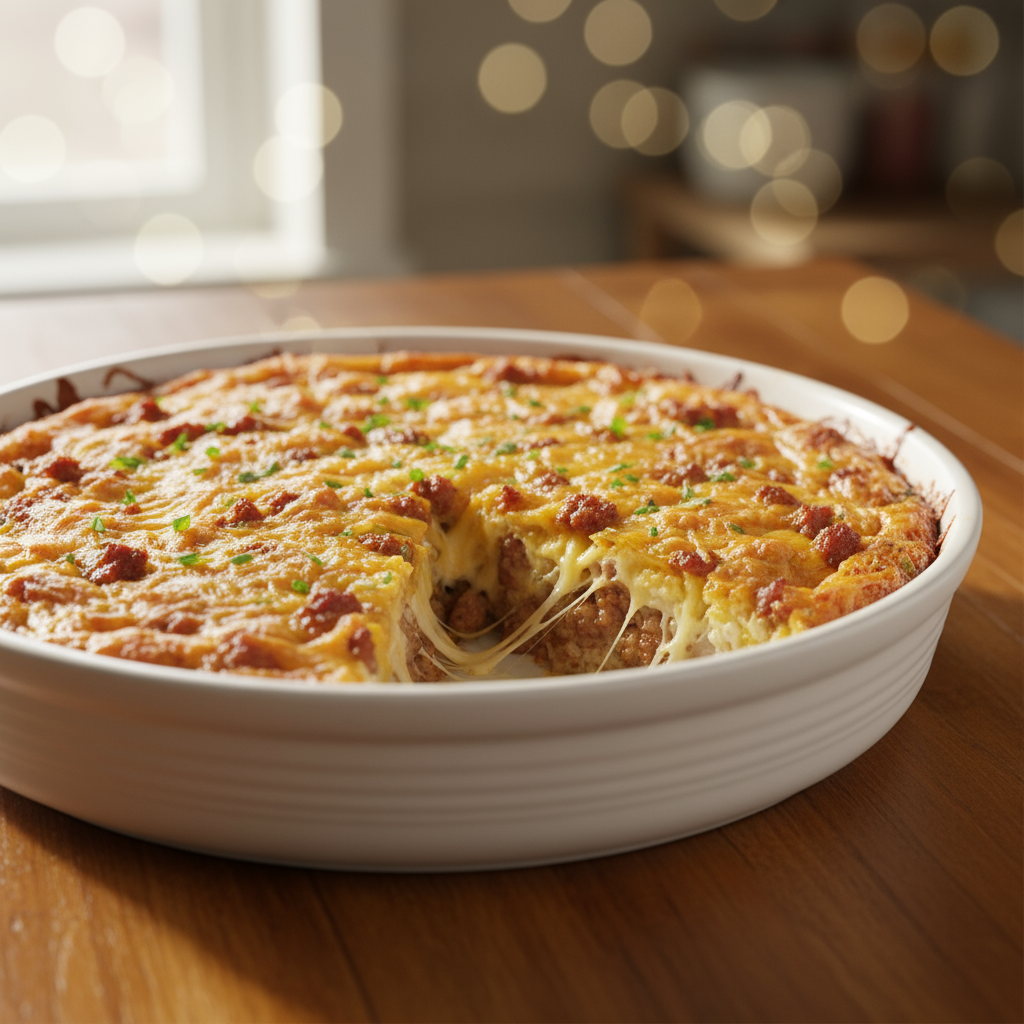
When Molly was diagnosed with an egg allergy, I set out to create a comfort-forward bake that would still feel indulgent on a slow weekend morning. This eggless breakfast casserole delivers that warm, satisfying plate I promised my daughter, with browned potatoes, evenly melted cheese, and a texture that holds together without eggs. I tested and retested this in my Castleton kitchen until the results matched what I wanted: golden edges, a creamy interior, and a crowd-pleasing aroma.
- Texture target: crispy golden potato edges with a tender, cohesive interior
- Reliable swap/tool: aquafaba or silken tofu for binding, and even cheese distribution to prevent sogginess
- Make-ahead: assemble chilled, bake from cool or freeze a single layer for quick reheating
Table of Contents
Table of Contents
Eggless Breakfast Casserole
A hearty, protein-packed breakfast casserole made without eggs, perfect for those with allergies or preferences. Features savory sausage, crispy potatoes, and melted cheese for a satisfying morning meal.
PREP TIME
20 mins
20 mins
COOK TIME
10 mins
10 mins
TOTAL TIME
30 mins
30 mins
Servings: 8 servings
Course: Snack
Cuisine: American
Calories: 320
🥄 Ingredients
- Cooking spray, as needed
- 1 pound (454 g) ground turkey sausage
- 8 slices (224 g) turkey bacon, cooked and chopped
- 32 ounce (907 g) bag frozen southern-style hash browns
- 1 medium (110 g) onion, chopped
- 1 cup (113 g) shredded cheddar cheese
- Salt and pepper to taste
👩🍳 Method
- Preheat oven to 350°F (175°C).
- Spray a large skillet with cooking spray and heat over medium heat. Cook onions for 2 minutes, then add turkey sausage. Cook until sausage is no longer pink. Drain any fat and transfer to a large mixing bowl.
- In the same skillet, cook hash browns according to package instructions.
- Add cooked hash browns, chopped turkey bacon, and half of the cheese to the sausage mixture. Mix well and season with salt and pepper.
- Transfer mixture to a 9×13 inch baking dish. Sprinkle remaining cheese on top.
- Bake for 8-10 minutes or until heated through and cheese is melted.
Notes: The casserole is done when cheese is fully melted and bubbly. Store leftovers in airtight container in refrigerator for up to 5 days or freeze for up to 3 months.
Why This Egg-Free Breakfast Casserole Works
I chose each element in this recipe to replace what eggs usually do – bind, add lift, and give that custardy mouthfeel – while preserving the visual cues of a classic breakfast bake. Potatoes provide body and a base that crisps at the edges, plant-based or dairy cheeses melt and brown to create those comforting pockets of flavor, and a combination of plant thickeners helps the casserole hold its shape when you slice into it. My aim was never to mimic eggs exactly, but to create a breakfast that feels complete and celebratory on its own terms.
I developed this at my kitchen table in Castleton, tasting through failures and small wins. Note: include successes after many failures as proof of experience. Those successes taught me to respect simple technique – treat the potatoes right, space the cheese evenly, and allow the filling to rest so it sets properly. The sensory goals were clear: golden brown potatoes, evenly melted cheese that pulls without being gluey, and a hearty, well-seasoned interior that feels like home.
Ingredient Notes & Substitutions
This section explains the why behind key components and offers swaps so you can adapt the bake to what you have or dietary needs. I prefer waxy potatoes for a creamier interior and a gentle crisp at the edges; their texture gives the casserole body without drying out. For binding, aquafaba or blended silken tofu each work differently – aquafaba adds a neutral lift, tofu gives a denser, creamier finish and extra protein. Cheese choice affects melt and saltiness – a blend that includes one reliable melting cheese and one flavor-forward variety is my usual approach. If you avoid dairy entirely, choose a high-quality plant-based melter and grate it yourself for better coverage. For added protein,
crumbled plant sausage or cooked lentils fold in well without upsetting the texture balance.
Method Overview: The casserole is built by combining cooked potato pieces and savory components in a binding base, layering cheese for even melting, then baking until the top is attractively golden and the inside is set. Allow the pan to rest briefly before serving so slices hold together cleanly.
Equipment You’ll Need
You do not need fancy tools to make a successful breakfast bake. A sturdy ovenproof dish that holds the casserole without crowding is important – the batter should be shallow enough to brown but deep enough to feel substantial. A large skillet helps brown potatoes before they go into the pan, which is a key texture trick I learned the hard way. A spatula and a wide spoon for even spreading keep the cheese and mix-ins uniform. I also recommend an oven thermometer if your oven runs hot or cool; consistent heat gives reliable browning without overcooking the interior.
In my Castleton kitchen, a heavy skillet and a well-seasoned baking dish make the difference between uneven browning and those perfectly caramelized potato edges I describe for guests. Don’t skip a gentle press of the mixture before baking, it promotes contact and browning where you want it.
Pro Tips & Troubleshooting
I learned most of these tips the slow way, after several batches that were too wet or too crumbly. First, par-cook the potatoes until tender but not falling apart; undercooked potatoes keep the center chalky, overcooked ones make the dish too soft. When shredding or grating cheese, distribute it in layers rather than piling it in one spot – that prevents a molten puddle in the center and encourages even melt and browning. If the top is browning too quickly while the center is still loose, lower the rack and tent with foil for a short period, then remove the foil near the end to revive color.
For a firmer set, let the casserole rest for a short time out of the oven before cutting, it finishes cooking gently and keeps slices neat. If yours turns out dry, check that your binding component was blended smoothly and that potatoes were not over-roasted before assembling. If soggy, reduce added liquids, increase the ratio of cooked solids, and ensure the cheese is spread evenly.
Note: in testing I kept careful notes of each batch variation so I could reproduce the successes and avoid repeating mistakes. That documentation is how I figured out reliable potato cooking cues and cheese distribution patterns that work for families with different preferences.
Variations & Flavor Twists
This bake is a great canvas. My family often rotates fillings based on what is seasonal or on hand. For a Mediterranean twist I add sun-dried tomatoes, chopped olives, and a sprinkle of herb-forward cheese. For a heartier option, crumbled sausage alternative and caramelized onions create a savory, satisfying profile that the kids approve of. If you want a green lift, fold in wilted spinach and chopped chives near the end, this brightens the dish without adding extra moisture. Spices like smoked paprika or a pinch of nutmeg can deepen flavor – start small and taste your binding mixture first, since cheeses and cured alternatives bring salt too.
I keep one pan intentionally vegetarian and another meat-forward on busy weekends, that way everyone gets their favorite version and we avoid cross-contamination for Molly. Those variations all share the same texture goals, so the same technique ensures consistent results.
Serving & Storage Instructions
Serving the casserole right means presenting it at the right temperature and with complementary sides. I let the pan rest briefly so slices hold and the cheese pulls cleanly without being runny. For family breakfasts, I serve it with a crisp green salad, lightly dressed, and a pot of strong tea. The contrast of something fresh and acidic with the savory bake balances the richness.
From real kitchen testing, I found storage behaves predictably. Cool the baked dish to room temperature before covering tightly. Refrigerated, it keeps well for a few days and reheats evenly in a moderate oven or an air fryer for a crisp top. For longer storage, freeze individual portions in a single layer on a tray until solid, then transfer to a sealed container; reheat from frozen, allowing a bit more time to ensure the center warms through. Avoid microwaving from frozen if you want to retain crisp edges, though it is fine for quick weekday breakfasts when convenience wins.
Dietary & Allergen Adaptations
Because this recipe started as an allergy solution, adaptations are central to how I teach it. For egg allergies the binding strategy focuses on aquafaba, blended silken tofu, or starch-thickened plant milks depending on texture preference. For dairy-free needs, choose a plant-based melter and consider adding a splash of olive oil to mimic the mouthfeel of butter. For nut allergies, avoid nut-based milks and choose seed or oat alternatives. Gluten-free diners can enjoy this bake as long as any processed add-ins like sausage alternatives are certified gluten-free.
I always label pans for guests with severe allergies and keep separate serving utensils, a habit born from early mishaps I would rather not repeat. If you need to boost protein further, cooked lentils or a shelf-stable plant sausage work well without changing the method significantly.
Common Mistakes to Avoid
A few recurring errors kept showing up in the early drafts of this recipe. The most common was uneven potato cooking – pieces that were too large stayed firm in the center. I solved this by choosing uniform sizes and starting them in a hot skillet to coax color before assembly. Another mistake was adding too much liquid in the binding mix, which left the final bake floppy; I corrected that by blending the binder to the right consistency and letting excess moisture evaporate before assembling. Overloading with cheese in the center created a molten pool, so I learned to layer cheese and leave a light top layer to brown rather than sink.
Finally, impatience after baking ruins texture – cut too soon and the slices fall apart. Let the dish rest briefly, and you will be rewarded with neat servings and fully developed flavor.
Budget-Friendly Preparation Tips
I keep costs down by using pantry-friendly components that still deliver on texture. Potatoes are an economical base that stretch a little of the stronger-flavored ingredients. Bulk-buying a reliable plant-based cheese on sale and freezing it in portions helped with price consistency during testing. When I need to add protein affordably, I reach for canned beans or cooked lentils rather than pricier meat alternatives. Gentle seasoning and smart use of aromatics – onions that are slowly softened rather than burned – go a long way in making a simple bake taste special without high expense.
Also, plan to use leftovers as filling for wraps or toast toppers, that reduces waste and stretches the value of one cook session into several quick meals.
What to Serve With Eggless Breakfast Casserole
Pairings matter because they create balance on the plate. I like a sharp, acidic accompaniment – a simple vinegar-dressed salad or pickled vegetables – to cut the richness. Bright fruit, like orange segments or a berry compote, also complements the savory notes. For a heartier table, roasted tomatoes or sautéed greens add color and texture variety. For drinks, tea, strong coffee, or a lightly sparkling fruit water are family favorites in Castleton. These serving ideas are tested with differing tastes at the table and consistently receive thumbs up from Molly and our guests.
Make-Ahead Strategies for Busy Mornings
My favorite convenience trick is to assemble the casserole the night before and chill it uncovered briefly, then cover and store until morning. Baking from cool produces reliable results and shortens breakfast stress. For longer-term meal prep, freeze single portions after a quick flash-freeze on a tray; pop them into a sealed container and reheat as needed. Label portions with date and contents, especially if you make multiple flavor variants for the week. On very rushed days, I reheat individual pieces in a toaster oven to regain crisp edges while keeping the interior tender.
These strategies developed after I had to find ways to feed a hungry child before school without starting from raw ingredients every morning. They work because they preserve texture and flavor while saving hands-on time when you need it most.
How to Customize for Different Dietary Needs
Customization is one of the strengths of this dish. If someone needs low-sodium options, use low-salt or no-salt cheese alternatives and ramp up herbs and acid for flavor. For higher protein needs, incorporate cooked beans, lentils, or a crumbled plant protein that has been seasoned and drained. If you want to lighten the calorie load, add more vegetables in place of starchy elements, and choose a lighter binder such as blended silken tofu with a squeeze of lemon to lift flavor. For kids who are picky about texture, keep the components larger and more noticeable – cubes of potato, distinct bits of sausage alternative – to avoid the mash-like consistency some binders can create.
I recommend making small trial pans when you plan a big event, that allows you to tune seasonings and texture to the crowd without committing an entire batch to an untested direction.
Conclusion
This casserole grew out of necessity and became a family favorite because it meets three promises: full flavor, satisfying texture, and inclusive eating for guests with egg allergies. I am Elsie Marlow, a home cook from Castleton, and building recipes for Molly taught me patience and precision. What began as a constraint turned into a creative advantage – now I make this for visitors, for packed lunches, and for quiet Sunday mornings where the smell of something warm and golden in the oven feels like the best possible start to the day.
If you try it, taste as you go, trust the browning cues for potatoes, and remember the resting step. Those are the things that turn a good bake into one that people ask for again.
Love this recipe? Follow us on Facebook and Pinterest and explore more creative ideas on our food blog!
Frequently Asked Questions
What are popular breakfast options without eggs?
Popular egg-free breakfasts include savory bakes with potatoes and vegetables, yogurt parfaits made with dairy or plant-based yogurt and fruit, overnight oats, and grain bowls layered with roasted vegetables and protein. Toasts topped with hummus, avocado, or nut butters also provide quick, satisfying options.
What are effective egg substitutes for casseroles?
Effective egg substitutes for casseroles are aquafaba for a neutral binder, blended silken tofu for a creamy, protein-rich set, and starch-based mixes that thicken when heated. Choose the substitute based on the texture you want – lighter with aquafaba, denser and creamier with silken tofu.
Can I make savory egg-free breakfast ideas high in protein?
Yes, you can increase protein with cooked lentils, beans, crumbled plant-based sausages, tofu, or high-protein dairy alternatives. Combining these with potatoes or whole grains in a bake delivers a filling, protein-forward meal that keeps energy steady through the morning.
What are good breakfast choices for someone with egg allergies?
Good choices include casseroles that use egg substitutes, tofu scrambles, smoothies with protein powder, porridge with seeds and nut butters, and savory grain bowls. Emphasize whole-food proteins and careful cross-contact avoidance when serving multiple people.
How should I make a breakfast casserole ahead of time?
Assemble the casserole, cover, and refrigerate overnight. Bake from cool in the morning, allowing a little extra time if chilled. Alternatively, freeze portions after an initial flash-freeze and reheat in an oven or air fryer for best texture retention.
Can I freeze and reheat eggless casseroles successfully?
Yes, freeze individual portions on a tray until solid, then transfer to a sealed container. Reheat from frozen in an oven or air fryer to keep edges crisp and ensure the center is warmed through. Microwaving works for speed but will soften crisp textures.
What are good protein sources in egg-free breakfasts?
Good protein sources include legumes like lentils and chickpeas, tofu, tempeh, plant-based meat alternatives, dairy or fortified plant yogurts, and protein-rich grains such as quinoa. Combining sources gives a balanced profile and longer satiety.