No Egg Recipes – Delicious Cooking Without Eggs

Eggless mayo: a simple, failproof homemade egg-free mayonnaise
For Eggless mayo. Create perfect egg-free mayonnaise with Elsie's tested home kitchen method. Thick, creamy, and allergy-safe for sandwiches and salads. Get

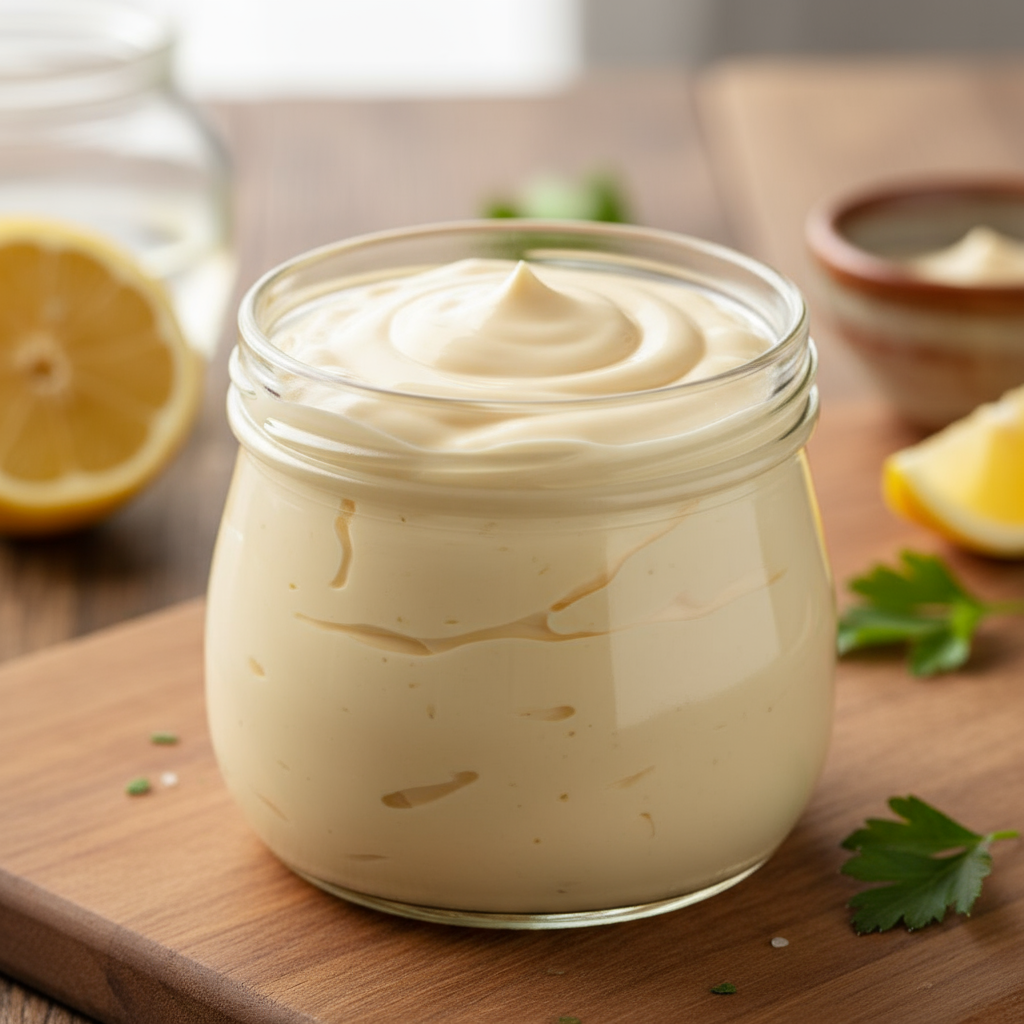
I’m Elsie Marlow, a home cook in Castleton, and when my daughter Molly’s egg allergy meant the table needed changing, I learned how to make reliable egg-free condiments that everyone loves. In two minutes with pantry staples and a small blender or jar and whisk, you can get a thick, creamy, pale yellow emulsion that brightens salads and sandwiches. This guide gives you a quick method, sensory targets, and the fixes I learned after many splashes and separations.
- Texture target: thick, creamy, and pale yellow, spoonable but spreadable
- Reliable swap/tool: aquafaba or silken tofu with an immersion blender for steady emulsions
- Make-ahead: stores well chilled for a ready-to-use sandwich spread or salad dressing base
Table of Contents
Table of Contents
Homemade Eggless Mayonnaise
Creamy, smooth eggless mayonnaise ready in under 2 minutes, perfect for sandwiches, salads, and dipping. Easily customizable with your favorite flavors.
PREP TIME
5 mins
5 mins
COOK TIME
0 mins
0 mins
TOTAL TIME
5 mins
5 mins
Servings: 12 tablespoons
Course: Snack
Cuisine: American
Calories: 86
🥄 Ingredients
- 1/2 cup (120 ml) canola oil
- 1/4 cup (60 ml) milk
- 1 tsp (5 ml) apple cider vinegar
- 1/2 tsp (2.5 g) salt
- 1/8 tsp (0.6 g) turmeric (optional)
- 1 tsp (5 g) Dijon mustard
👩🍳 Method
- Add all ingredients to a tall container.
- Use an immersion blender on high speed for 20-30 seconds until the mixture emulsifies and becomes thick and creamy.
Notes: The mayo is ready when thick and creamy. Store in an airtight container in the refrigerator for up to 10 days.
Why This Eggless Mayo Works
Good mayonnaise is an emulsion, an even suspension of tiny oil droplets in a water phase. Traditional recipes use whole eggs for the emulsifiers lecithin and protein. In my egg-free version, I rely on plant-based emulsifiers and stabilizers that mimic that same chemistry: proteins and polysaccharides from aquafaba, tofu, or mustard, combined with a neutral oil and an acid to tighten the emulsion. The result is the same sensory endpoint I chase in my kitchen, a glossy, homogenous, slightly tangy spread. When it is right, the mayo clings to a spoon without pooling, looks pale and even in color, and tastes clean with a gentle tang.
Method overview: the technique is simple – combine the water phase and emulsifier, then add oil very slowly at first while blending to create tiny droplets, then bring the rest of the oil in to reach desired thickness.
Ingredient Notes & Substitutions
I always start by thinking of each ingredient as serving a job: an emulsifier to bind oil and water, an acid to brighten flavor and stabilize, an oil to carry richness, and seasoning for balance. My first-choice is aquafaba, the brine from canned chickpeas, when I want a neutral taste and light texture; it whips and binds in a way that simulates egg whites. Silken tofu gives a denser, silkier spread with added protein and a thicker mouthfeel, ideal when I want a richer base without a beany aftertaste. Soy or full-fat plain plant yogurt can add tang and creaminess, while mustard provides both flavor and extra emulsifying power thanks to mucilage in the seeds.
For oils, choose a neutral-tasting vegetable oil for a classic mayo profile, or use a mix of light olive oil and a neutral oil for a greener, slightly fruitier note. For higher smoke point and more neutral flavor, grapeseed or sunflower are reliable. If you prefer a lighter, lower-calorie option, olive oil blends work, but pure extra virgin olive oil can taste peppery and may become bitter when used alone.
Substitutions for specific diets: to make a vegan version use aquafaba, silken tofu, or plant yogurt; to keep it low-fat, reduce oil slightly and add more silken tofu or yogurt to maintain body; for soy-free options avoid tofu and soy yogurt and prefer aquafaba or a commercial lecithin powder derived from sunflower. If you are looking for a nut-free spread, avoid nut oils and nut milks; if gluten is a concern, most basic recipes are naturally gluten-free but check mustard or processed additives for hidden gluten.
Equipment Tips
Over the years I have tested hand whisking, jar shaking, immersion blenders, food processors, and small countertop blenders. My top recommendation for speed and reliability is an immersion blender with a tall beaker; it creates fast, consistent shear that forms tiny oil droplets quickly. A small countertop blender also works well, especially for large batches, but it can overheat or make the emulsion too warm if you run it too long. A food processor is okay but tends to produce a looser emulsion unless you move slowly.
If you have no electric tools, you can whisk by hand in a tall jar while adding oil in a very thin stream, but expect to work harder and take slightly longer. For jar-shake methods, use a narrow-neck jar and pour the oil slowly while shaking vigorously; this is charming and portable but less forgiving if oil goes in too quickly.
Other small items to keep on hand: a tall narrow container to minimize air and allow the blender blade to reach the mixture, a silicone spatula to scrape, and a fine mesh sieve if you want to strain tofu-based mayo for extra smoothness. Keep extra ice or a cold-water bath available if your blender or kitchen warms the ingredients too much during blending, since cooler temperatures help the emulsion form and stay stable.
Pro Tips & Troubleshooting
I learned patience the hard way. My earliest failures came from adding oil too quickly, blending at too high a speed at the wrong moment, and using warm ingredients. Here are the practical fixes I use now. First, everything benefits from being cool but not icy; chill aquafaba or tofu briefly to give the emulsion a better chance. Second, start with a small stream of oil while blending at low to medium speed. If the mixture looks curdled or separated, stop adding oil and blend for a minute to let the droplets re-emulsify; then continue adding oil slowly.
If the mayo is too thin, whisk in a small amount of additional emulsifier like a teaspoon of mustard, a splash of aquafaba, or a spoonful of silken tofu and blend until it thickens. If it is too thick, thin with an acid like lemon juice or a little water, adding a teaspoon at a time until you reach the desired spreadable consistency. If the texture seems grainy, it is often due to oil type or blending technique; switch to a more neutral, lighter oil and blend a bit longer. If separation returns over time, it usually indicates either too much oil relative to emulsifier or temperature swings; chill and gently rewhisk before serving.
One consistent trick that saved my baking sanity: keep a small backup of the original emulsifier on hand. If an emulsion starts to fail, place a new small amount of aquafaba or tofu in a clean jar, then stream the failed mayo into it while blending. This gives the droplet system fresh interfaces to attach to and often rescues the batch.
Variations & Flavor Twists
Once the base is sorted, flavoring is where this condiment really shines. I keep a plain base in the fridge and adapt it to different uses. To make a garlic aioli-style spread, blend in roasted garlic or a raw clove for a punchier profile. For herb mayonnaise, stir in chopped fresh parsley, chives, dill, or basil. A smoky chipotle version comes from pureed canned chipotles and a touch of smoked paprika; for a curried twist add curry powder and a little mango chutney for sweetness. If I want a tangier dressing for salads, I increase the acid component with apple cider vinegar or lemon and add a teaspoon of maple syrup or honey if not strictly vegan.
Use citrus zest for brightness, wasabi or horseradish for a sharp sandwich spread, or mix in chopped capers and cornichons for a quick tartar sauce. For a Mediterranean angle, fold in sun-dried tomato purée and oregano. Because the base is neutral, you can experiment widely; just add flavoring in small increments and taste as you go, because concentrated elements like mustard, vinegar, or hot peppers can quickly dominate.
Serving & Storage Guide
I treat homemade emulsion like a fresh dairy product: store it cold and use it consciously. Transfer the mayo to a clean, airtight jar and chill promptly. In my kitchen I keep a small jar in the front of the fridge so we grab it for sandwiches and salads during the week. When you scoop some out, use a clean spoon to avoid introducing crumbs or contaminants that reduce shelf life. If the texture firms too much in the cold, let it sit at room temperature for a few minutes and then whisk briefly to loosen it.
Do not freeze homemade egg-free mayo; freezing can break the emulsion and create watery separation on thawing. If your goal is long-term preservation, make smaller batches to use within a week so the flavor and texture stay fresh. Label your jar with the date made and keep it at refrigerator temperature until use. If you notice off aromas, visible mold, or persistent separation that does not re-emulsify with gentle whisking, discard the batch.
Dietary & Allergen Adaptations
Because this recipe replaces eggs with plant-based emulsifiers, it is naturally suitable for vegan and egg-allergic diets when you choose vegan ingredients. For nut allergies, avoid nut-based milks and oils; for soy allergies, skip tofu and soy yogurts and rely on aquafaba, sunflower lecithin, or commercial egg replacers. If you or your guests follow a low-FODMAP plan, be mindful of garlic and onion inclusions; use garlic-infused oil instead of fresh garlic to impart flavor without high-FODMAP components.
For gluten-free needs, verify that any mustard, vinegar, or prepared ingredients are labeled gluten-free. If you have a sesame allergy, avoid tahini or sesame oil alternatives. I keep a set of alternative emulsifiers and oils in my pantry so I can mix and match to accommodate dietary needs without compromising texture. A simple note to myself: when cooking for others, label jars clearly and list the base emulsifier so there is no confusion at the table.
Common Mistakes to Avoid
My early batches taught me to avoid a few predictable errors. First, adding oil too quickly overwhelms the emulsifier and causes separation. Second, using very warm liquids can prevent droplet formation and yield a runny result. Third, relying on strongly flavored oils as your only oil can mask flavors and sometimes make the texture feel greasy. Fourth, not tasting and adjusting acid and salt means you may have a visually perfect mayo that tastes flat. Fifth, storing the mayo at fluctuating temperatures can cause it to break over time; keep it consistently chilled.
Avoid substituting powdered emulsifiers or stabilizers without testing because concentration varies across brands. If a batch fails, resist the urge to add large amounts of oil to ‘fix’ it; instead add a small amount of fresh emulsifier to rebalance droplet formation. Each failure taught me a controlled remedy, so I recommend keeping notes about your chosen emulsifier, oil, and blending tool so you can replicate successes and avoid repeating mistakes.
How Eggless Mayo Compares to Store-Bought
Homemade egg-free mayonnaise and commercial brands both aim for a creamy, shelf-stable spread, but they take different approaches. Commercial egg-free products often rely on refined emulsifiers, stabilizers, and preservatives to ensure long shelf life and uniform texture. Homemade versions let you control oil type, acidity, and salt, so the flavor can be fresher and less processed. Texture-wise, a well-made home emulsion can match commercial creaminess, though some brands may feel slightly slicker because of added gums or oils formulated for stability at scale.
When comparing to jars from the supermarket, look at ingredient lists: brands like Vegenaise and some vegan ranges from larger companies are formulated to mimic traditional mayonnaise closely, while light or spreadable commercial options may use starches and thickeners for lower-fat profiles. My household prefers homemade because I can tailor the mouthfeel and brightness, and because it reassured me when Molly’s allergy required absolute avoidance of eggs. That trust factor is a strong reason to make your own, even if store brands are more convenient for travel and picnics.
What Eggless Mayonnaise Is Made From
At its core, eggless mayonnaise is still an emulsion of oil and water, but instead of whole eggs it uses plant-derived components to stabilize that structure. The water phase can be plain water, aquafaba, or plant milks; the protein and polysaccharide content of those liquids helps capture and suspend oil droplets. Mustard, vinegar, citrus, and salt add acidity and flavor while also contributing to stability. The oil is usually neutral in taste, providing richness and mouthfeel. Depending on the recipe, I sometimes add a small amount of starch, lecithin, or plant-based thickeners to help with long-term shelf stability.
The gestalt is simple: a binding agent plus oil plus acid and seasoning. When those elements are balanced and combined slowly, you end up with the glossy, clingy texture that makes mayonnaise such a useful condiment.
Popular Egg-Free Mayo Brands
Several brands specialize in or offer egg-free spreads that aim to mimic the taste and texture of traditional mayonnaise. Vegenaise is widely known among plant-based cooks for a rich, neutral profile. Follow Your Heart also makes egg-free spreads in many markets. Some mainstream manufacturers produce vegan lines of their classic brands; availability varies by country and store. Store-bought egg-free options are convenient when you need a shelf-stable, labeled product, but I recommend checking ingredient panels and allergy statements carefully, because formulations and sourcing can change.
Substitutes for Eggs in Mayonnaise
When I replace eggs in mayonnaise, I choose among aquafaba, silken tofu, plant yogurt, commercial lecithin, or a combination thereof. Aquafaba is my top all-purpose substitute: it whips, emulsifies, and leaves little flavor behind. Silken tofu provides body and protein, creating a thicker, creamier mouthfeel, as in our creamy egg-free tiramisu, and is excellent when you want a sturdier spread for sandwiches. Plant yogurt adds tang and a thinner body that works well for dressings. Sunflower or soy lecithin powders are powerful emulsifiers in small amounts and can rescue thinner sauces without adding much flavor. For a minimalist pantry, mustard and a steady technique can sometimes suffice, because mustard seeds contain natural mucilage and help droplets
adhere. I tend to keep two options on hand so I can choose the right texture for the use case.
Conclusion
After years of trial and error in my busy kitchen in Castleton, making a reliable, delicious egg-free mayonnaise has become a small ritual that makes food inclusive and joyful for Molly and the rest of us. The right emulsifier, a cool starting temperature, a slow first drizzle of oil, and a trusted tool are the pillars of success. Keep notes, expect the occasional hiccup, and remember that many failures teach you the fixes that make future batches foolproof. I encourage you to start with a small jar, experiment with one flavor twist, and celebrate when your mayonnaise reaches that ideal thick, creamy, pale yellow consistency. I am Elsie Marlow, and this is what worked for us at NoEggRecipes.com: patience, curiosity,
and a dependable method to bring everyone to the table.
Notes: include a short note of trust – after many failed batches I now consistently rescue and replicate textures, so document your successes as proof of experience and repeatability.
Love this recipe? Follow us on Facebook and Pinterest and explore more creative ideas on our food blog!
Frequently Asked Questions
What is eggless mayonnaise made from?
Egg-free mayonnaise is typically an emulsion of oil and a water phase where plant-based emulsifiers replace eggs. Common bases include aquafaba, silken tofu, or plant yogurt, combined with neutral oil, acid such as lemon juice or vinegar, mustard for emulsifying and flavor, and salt for seasoning.
What mayonnaise has no eggs?
There are several commercial egg-free options labeled vegan or egg-free, such as Vegenaise and other plant-based spreads. Many supermarkets also carry vegan lines from larger brands; always check the label for egg-free certification if you have allergies.
Is Hellman’s mayo eggless?
Traditional Hellmann’s mayonnaise contains eggs. Some manufacturers offer vegan or egg-free lines in certain markets, so always read the product label. If you need to avoid eggs for allergy reasons, look for a clearly marked vegan option and verify the ingredient list.
What is a substitute for egg in mayonnaise?
Top substitutes are aquafaba (the liquid from canned chickpeas), silken tofu, plant-based yogurt, or commercial lecithin. Each gives a different mouthfeel: aquafaba for lightness, tofu for silkiness, and lecithin for strong emulsifying power.
How long does homemade eggless mayo last?
Homemade egg-free mayonnaise should be kept refrigerated in a clean, airtight container and used within about a week for best quality. Do not freeze, as freezing can break the emulsion and change texture. Always discard if there are off smells or visible spoilage.
Can I make eggless mayo without an immersion blender?
Yes, you can whisk by hand in a tall jar or use a small countertop blender or food processor. Hand-whisking requires a slow oil stream and more effort, while a countertop blender works well for larger batches. Jar-shake methods are possible but less forgiving.
Why did my eggless mayo not thicken?
Common causes are adding oil too quickly, using warm ingredients, or insufficient emulsifier. Try chilling your base, add oil in a very slow stream while blending, or start a fresh small amount of emulsifier and gradually blend the failed mayo into it to rescue the emulsion.