No Egg Recipes – Delicious Cooking Without Eggs

Eggless Blueberry Muffins: Moist and Allergy-Friendly Delight
Create moist, allergy-friendly eggless blueberry muffins with Elsie's trusted home-tested recipe, inspired by family needs. Bursting with juicy berries and

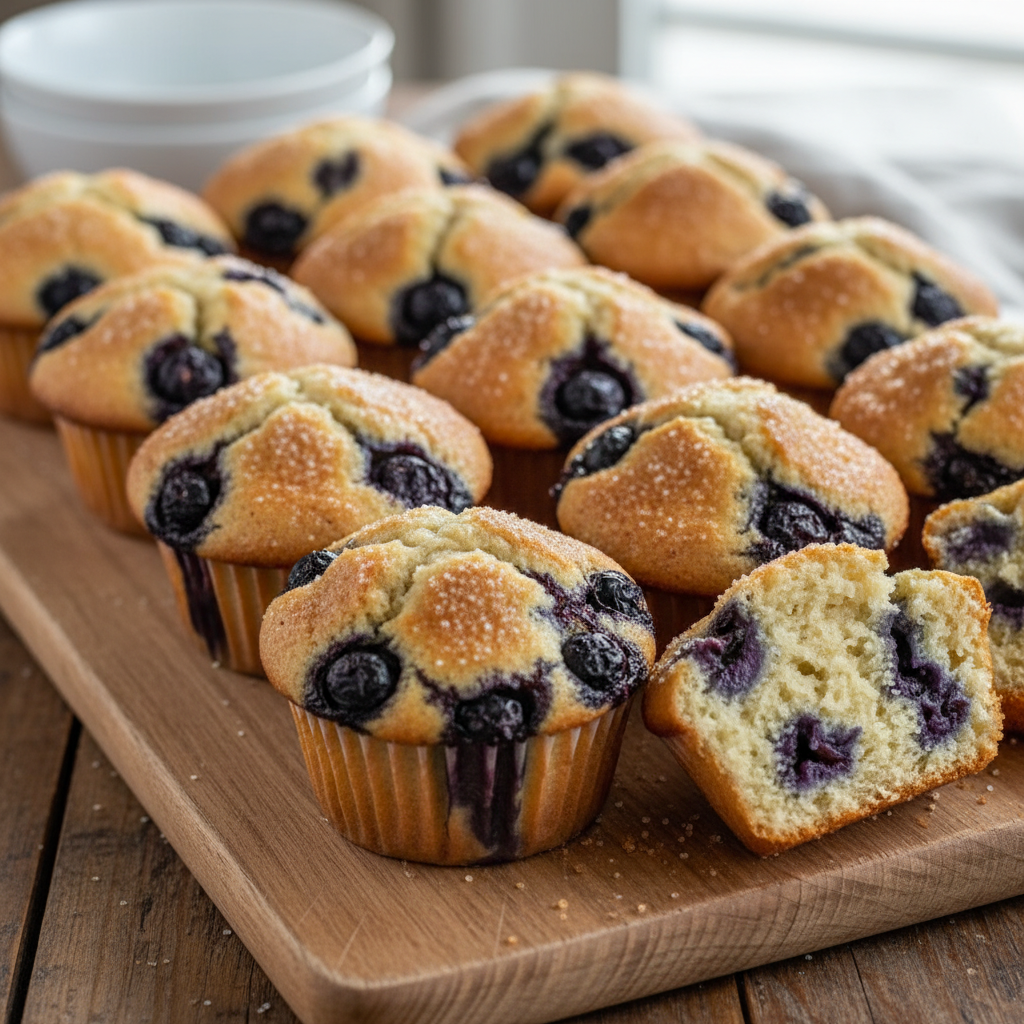
Picture this: it’s a rainy afternoon in our cozy kitchen in Castleton, and my daughter Molly is eyeing the blueberries we picked from the garden, her eyes lighting up despite her egg allergy. That’s when I discovered the magic of eggless blueberry muffins, whipping up batches that are just as moist and bursting with flavor as any traditional recipe. As a home cook whose journey into egg-free baking started with Molly’s allergy, I’ve tweaked and tested until these muffins became our family favorite, perfect for breakfast or a quick snack. They promise that bakery-style tenderness without the worry, using simple swaps that keep everything light and juicy.
- Texture target: thick, spoonable batter that holds juicy blueberries without sinking, baking to a golden dome with a tender crumb.
- Reliable swap/tool: Greek yogurt for moisture and lift in place of eggs, mixed with a gentle fold to avoid tough muffins.
- Make-ahead: Bake a batch and freeze individually; thaw overnight for fresh-tasting treats ready in minutes.
Table of Contents
Table of Contents
Eggless Blueberry Muffins
Moist and fluffy blueberry muffins made without eggs, perfect for allergy-friendly baking using simple pantry staples.
PREP TIME
15 mins
15 mins
COOK TIME
25 mins
25 mins
TOTAL TIME
40 mins
40 mins
Servings: 12 muffins
Course: Snack
Cuisine: American
Calories: 256
🥄 Ingredients
- 2 cups (250 g) self-rising flour
- 1.25 cups (250 g) granulated sugar
- 0.5 cup (120 ml) milk
- 0.5 cup (113 g) unsalted butter, melted and cooled
- 0.5 cup (120 g) plain Greek yogurt
- 1 teaspoon (5 ml) vanilla extract
- 2 cups (300 g) blueberries
- 3 teaspoons (12 g) granulated sugar, optional for topping
👩🍳 Method
- Preheat oven to 425°F (218°C), then prepare a standard 12-cup muffin tin with spray or liners. After filling, reduce to 350°F (177°C) without opening the door.
- In a large bowl, whisk together 2 cups (250 g) self-rising flour and 1.25 cups (250 g) granulated sugar. Make a well in the middle.
- Add 0.5 cup (120 ml) milk, 0.5 cup (113 g) melted unsalted butter, 0.5 cup (120 g) plain Greek yogurt, and 1 teaspoon (5 ml) vanilla extract to the well. Stir until no flour streaks remain; do not overmix.
- Crush 0.5 cup (75 g) of the blueberries with a fork in a small bowl (thaw if frozen). Stir the crushed blueberries into the batter.
- Gently fold in the remaining 1.5 cups (225 g) whole blueberries.
- Fill each muffin cup to the top with batter.
- Optional: Sprinkle 3 teaspoons (12 g) granulated sugar evenly over the batter.
- Bake at 425°F (218°C) for 5 minutes, then reduce to 350°F (177°C) and bake for 18-22 more minutes until a toothpick comes out clean (total 23-27 minutes).
- Cool in the pan for several minutes, then transfer to a wire rack.
Notes: Bake until a toothpick inserted in the center comes out clean with a few moist crumbs. Store at room temperature in an airtight container for 1-2 days, refrigerate for up to 5 days, or freeze for 2-3 months.
Why This Recipe Works
I’ve spent countless mornings in my Peak District kitchen experimenting with egg-free baking, and this recipe stands out because it delivers consistent results every time.
What makes these eggless blueberry muffins so reliable is the balance of moist ingredients that mimic the binding and lift eggs provide, without any dense or gummy textures that plagued my early attempts. Remember that one batch where the muffins turned out flat and heavy? It was a lesson in overmixing, but now I know to fold gently until just combined, ensuring the batter’s airy pockets form naturally during baking.
The blueberries add natural moisture, bursting inside to keep each bite juicy and flavorful, while the yogurt base creates a tender crumb that’s far from the dry disappointments I faced initially. This isn’t just theory; it’s from hands-on trials where I’ve baked dozens of versions, adjusting for altitude in our hilly village and always landing on muffins that rise beautifully.
They’re versatile too, fitting into vegan muffin recipe adaptations with ease, and they hold up well against traditional ones in taste tests with friends and family. Whether you’re dodging allergies or just curious about egg-free baking, this method works because it prioritizes simplicity and real flavors, turning potential kitchen failures into joyful successes.
The sensory payoff is huge: that fresh-from-the-oven aroma of warm berries and subtle sweetness filling the air, promising a treat that’s inclusive and delicious for everyone at the table.
Ingredient Notes & Substitutions
In crafting these blueberry muffins without eggs, I focus on ingredients that bring moisture and structure naturally, drawing from my years of trial-and-error in allergy-friendly cooking.
The base relies on a creamy element like Greek yogurt to provide the tang and tenderness that eggs would, creating that moist egg-free muffin texture we all crave. Blueberries are the star, their fresh or frozen forms adding bursts of juiciness, but I always pat them dry to prevent excess water from weighing down the batter.
For flour, an all-purpose variety works best for a light crumb, though whole wheat can sub in for added nutrition if you’re aiming for heartier dairy-free muffins. Leavening agents like baking powder and soda are key for lift, reacting with the yogurt’s acidity to puff up the muffins without eggs.
Sugar options range from granulated for even sweetness to brown for a caramel note, and a touch of oil or butter keeps things tender. If dairy is an issue, plant-based yogurts step in seamlessly, maintaining the recipe’s integrity in vegan muffin recipe scenarios.
Substitutions I’ve tested include using applesauce for extra moisture in place of some yogurt, which works wonderfully for those seeking lower-fat versions, or flaxseed meal mixed with water as an egg-free binder alternative, though it adds a subtle nutty flavor. Always opt for ripe bananas if you want natural sweetness and binding power, but mash them finely to avoid lumps.
These choices aren’t random; they’re honed from batches where substitutions either flopped into dense bricks or soared into fluffy perfection, ensuring your egg-free baking yields reliable, tasty results every time.
Equipment Notes
From my cluttered Castleton kitchen counters, I’ve learned that the right tools make all the difference in achieving those perfect eggless blueberry muffins.
A standard muffin tin is essential, preferably nonstick or lined with paper cups to ensure easy release without sticking, which was a nightmare in my early baking days when muffins clung stubbornly. I swear by a medium-sized mixing bowl for combining the wet and dry elements, wide enough to fold in blueberries without crushing them.
A rubber spatula or wooden spoon is my go-to for gentle stirring, avoiding the electric mixer that overworked the batter in past trials and led to tough textures. For portioning, an ice cream scoop or large spoon helps distribute the thick batter evenly, preventing uneven rising that I’ve troubleshooted more times than I can count.
If you’re baking at higher altitudes, like in the Peak District, a reliable oven thermometer is a must to confirm even heat, as my oven’s quirks have caused many a sunken center. Parchment-lined baking sheets work if you lack a muffin tin, but adjust for spread.
Cooling racks are underrated; they prevent soggy bottoms by allowing air circulation, a tip I picked up after too many steamed-up failures. These basics, combined with a bit of patience, transform simple equipment into allies for foolproof egg-free baking, letting you focus on the joy of fresh, allergy-safe treats rather than fighting the tools.
Pro Tips & Troubleshooting
After countless kitchen sessions with Molly cheering me on, I’ve gathered pro tips that turn potential pitfalls into successes for these eggless blueberry muffins.
First, the batter should feel thick yet pourable, like a soft cookie dough, ensuring the blueberries stay suspended instead of sinking to the bottom, a common issue in my initial batches. If your muffins come out dense, check your leavening freshness; old baking powder won’t lift without eggs, so test it by fizzing in hot water.
For troubleshooting sinking berries, toss them lightly in flour before folding in, which I’ve found prevents them from bleeding juice and weighing down the structure. Overmixing is the enemy here; stop as soon as streaks vanish to keep the crumb tender, a lesson from those flat, tough muffins that taught me patience pays off.
If the tops crack unevenly, your oven might be too hot, so rotate the tin midway for even baking. Sensory cues are key: the batter’s subtle blueberry scent should intensify as it bakes, and a toothpick should emerge with moist crumbs, not batter.
For altitude baking like ours, add a touch more liquid to combat dryness. These tips come from real hands-on experience, where fixing one flop led to the next win, making egg-free baking accessible and fun. Always preheat fully to avoid pale, underdone edges, and if humidity is high, bake a test muffin to adjust.
With these in your arsenal, you’ll dodge the frustrations and enjoy moist, flavorful results that rival any bakery.
Variations & Flavor Twists
One of the joys of this eggless blueberry muffin base is how it invites creativity, born from my experimental days in the kitchen, turning allergy constraints into flavor adventures.
Start with the classic burst of blueberries, but swap in raspberries for a tart twist that pairs beautifully with the yogurt’s creaminess, keeping the moist egg-free muffin profile intact. For a lemon zest variation, grate in fresh peel to brighten the berries, a combination that saved a bland batch during one rainy afternoon trial.
Chocolate chips folded in alongside blueberries create a decadent treat, especially for Molly’s birthday surprises, without altering the egg-free baking structure. If you’re leaning into seasonal twists, chopped apples or pears add autumnal warmth, their natural juices enhancing the tenderness much like the blueberries do.
Spice it up with cinnamon or nutmeg for a cozy vibe, but add sparingly to avoid overpowering the fruit. I’ve even tried a savory spin with cheese and herbs, though it strays from the sweet norm, proving versatility.
For vegan muffin recipe fans, coconut yogurt subs in effortlessly, and adding vanilla extract amps up any variation. Each twist I’ve tested stems from curiosity, like that overly spiced flop that taught me balance, ensuring your adaptations stay delicious and reliable.
These changes keep the recipe fresh, encouraging you to personalize while maintaining that juicy, bakery-style appeal.
Serving & Storage
Serving these eggless blueberry muffins warm from the oven is pure bliss in our Castleton home, where the steam rises with that irresistible berry aroma, inviting everyone to the table.
They’re ideal split open with a pat of butter melting into the tender crumb, or enjoyed plain for a guilt-free snack. For breakfast, top with a dollop of yogurt and extra berries to stretch the freshness.
Storage is straightforward, thanks to lessons from batches that went stale too soon; cool them completely on a rack before sealing in an airtight container at room temperature for up to three days, where they stay moist without sogginess. For longer keeping, which is essential in our busy household, freeze them in a single layer on a tray, then transfer to a bag, allowing grab-and-go ease for school lunches.
Reheating in a toaster oven revives the just-baked texture, a hack I discovered after thawing experiments. Avoid stacking warm muffins, as condensation can make them gummy, a mistake from my early days. These practices ensure your blueberry muffins without eggs remain a staple, ready whenever cravings hit, blending convenience with that homemade charm.
Dietary & Allergen Adaptations
Adapting these eggless blueberry muffins for various diets has been central to my cooking philosophy since Molly’s allergy diagnosis, ensuring no one feels left out at our table.
The base is already egg-free, sidestepping common allergens while delivering moist, flavorful baked goods. For dairy-free muffins, swap yogurt for a coconut or almond-based alternative, which I’ve used successfully in vegan muffin recipe tests, maintaining lift and tenderness without curdling issues.
Nut allergies? Stick to soy or oat yogurt options, always checking labels for cross-contamination. Gluten-free adaptations require a 1:1 flour blend, though add xanthan gum if needed for binding, a tweak from my trial runs that prevented crumbly results.
These changes keep the muffins accessible, with the blueberries’ natural pectin aiding structure in allergen-free baking. I’ve shared these at village gatherings, where guests with multiple restrictions raved about the taste, matching traditional versions.
Warn about potential berry allergies, suggesting thorough washing, and for soy-free needs, applesauce works as a versatile sub. My hands-on experience, from failed dense loaves to triumphant inclusive bakes, proves that thoughtful adaptations make egg-free baking not just possible, but delightful for all.
Pairing Suggestions for Muffins
Pairing these eggless blueberry muffins with the right beverage elevates them from simple treats to a moment of indulgence, a ritual we’ve cherished in our quiet Peak District mornings.
A hot cup of coffee, its bold roast cutting through the berries’ sweetness, is my go-to, especially black to highlight the muffins’ subtle tang from the yogurt. For a gentler match, herbal tea like chamomile soothes the palate, allowing the juicy blueberry bursts to shine without overwhelming.
In summer, iced green tea refreshes alongside the muffins’ moist crumb, a combination I stumbled upon during a garden picnic. If you’re feeling fancy, pair with a latte for creaminess that echoes the batter’s texture, or even a smoothie for a full breakfast spread.
Avoid overly sweet drinks, as they can clash; instead, opt for citrus-infused water to brighten the fruit notes. These pairings come from real-life tastings, where Molly and I experimented, discovering that the muffins’ versatility makes them perfect companions for coffee breaks or afternoon tea, enhancing the joy of allergy-safe snacking.
Science Behind Eggless Baking
Diving into the science of eggless baking has transformed my approach, turning what was once frustrating guesswork into confident creations right here in Castleton.
Eggs typically provide structure, moisture, and leavening in muffins, but without them, we rely on chemical reactions from baking soda and powder, activated by acidic yogurt to release carbon dioxide bubbles that create lift and tenderness.
This is why the batter’s thick consistency is crucial; it traps those air pockets, preventing collapse, a principle I grasped after dissecting my sunken failures. The blueberries contribute pectin, a natural thickener that binds as it heats, mimicking eggs’ emulsifying role and ensuring juicy, not watery, results.
Hydration from yogurt replaces eggs’ water content, while fats like oil keep the crumb soft by coating flour proteins, avoiding toughness from overdevelopment. In vegan muffin recipe contexts, plant milks’ proteins aid similarly, though pH balance is key to avoid flatness.
My experiments, like adjusting acidity to perfect rise, show how understanding these interactions leads to reliable egg-free baking. It’s fascinating how a simple swap harnesses science for bakery-style muffins, proving that inclusive treats can be scientifically sound and sensorily perfect, with that golden bake revealing a light, flavorful interior every time.
Conclusion
Reflecting on our journey from allergy-induced kitchen challenges to mastering these eggless blueberry muffins, I’m reminded how food can unite us, no matter the restrictions.
What began as a necessity for Molly has become a passion, with each batch a testament to the delicious possibilities of egg-free baking. These muffins aren’t just a recipe; they’re an invitation to create moist, joyful moments in your own home, whether for breakfast, snacks, or sharing with loved ones.
I encourage you to roll up your sleeves, gather those blueberries, and give this a try, embracing the sensory delight of thick batter and bursting fruit. Share your results in the comments below, or tag me on social media; I’d love to hear about your successes and any twists you add.
Let’s keep the conversation going on inclusive cooking at NoEggRecipes.com, where everyone belongs at the table.
Love this recipe? Follow us on Facebook and Pinterest and explore more creative ideas on our food blog!
Frequently Asked Questions
Can I use frozen blueberries in eggless muffins?
Yes, frozen blueberries work great in these eggless blueberry muffins. Toss them in a bit of flour to prevent excess moisture, and add them straight from the freezer to avoid bleeding color into the batter.
What can I substitute for Greek yogurt in this recipe?
For a sub, try plain regular yogurt, sour cream, or a plant-based alternative like coconut yogurt. These maintain the moisture and acidity needed for lift in egg-free baking.
How do I make these muffins vegan?
To veganize, replace any dairy with plant-based yogurt and use oil instead of butter if included. The base is already eggless, so it’s straightforward for a full vegan muffin recipe.
Why do my eggless muffins sink in the middle?
Sinking often comes from overmixing, which deflates air bubbles, or inaccurate leavening. Measure precisely and fold gently, ensuring fresh baking powder for proper rise.
Are these muffins gluten-free adaptable?
Absolutely; use a 1:1 gluten-free flour blend. Add xanthan gum if your blend lacks it to mimic the binding eggs provide, keeping the texture tender.
How long do eggless blueberry muffins last?
Stored airtight at room temperature, they last up to three days. For longer, freeze for up to three months, thawing as needed to preserve moistness.
Can I add other fruits to this base recipe?
Yes, swap blueberries for raspberries, chopped strawberries, or even apples. Adjust for juiciness by flour-tossing fruits, maintaining the egg-free structure.