No Egg Recipes – Delicious Cooking Without Eggs

Mayonnaise No Egg Recipe: 5-Minute Immersion-Blender Mayo
Mayonnaise no egg recipe that's quick, forgiving, and reliable, tested in a home kitchen by Elsie for allergy-safe families. Discover Elsie's trusted method.

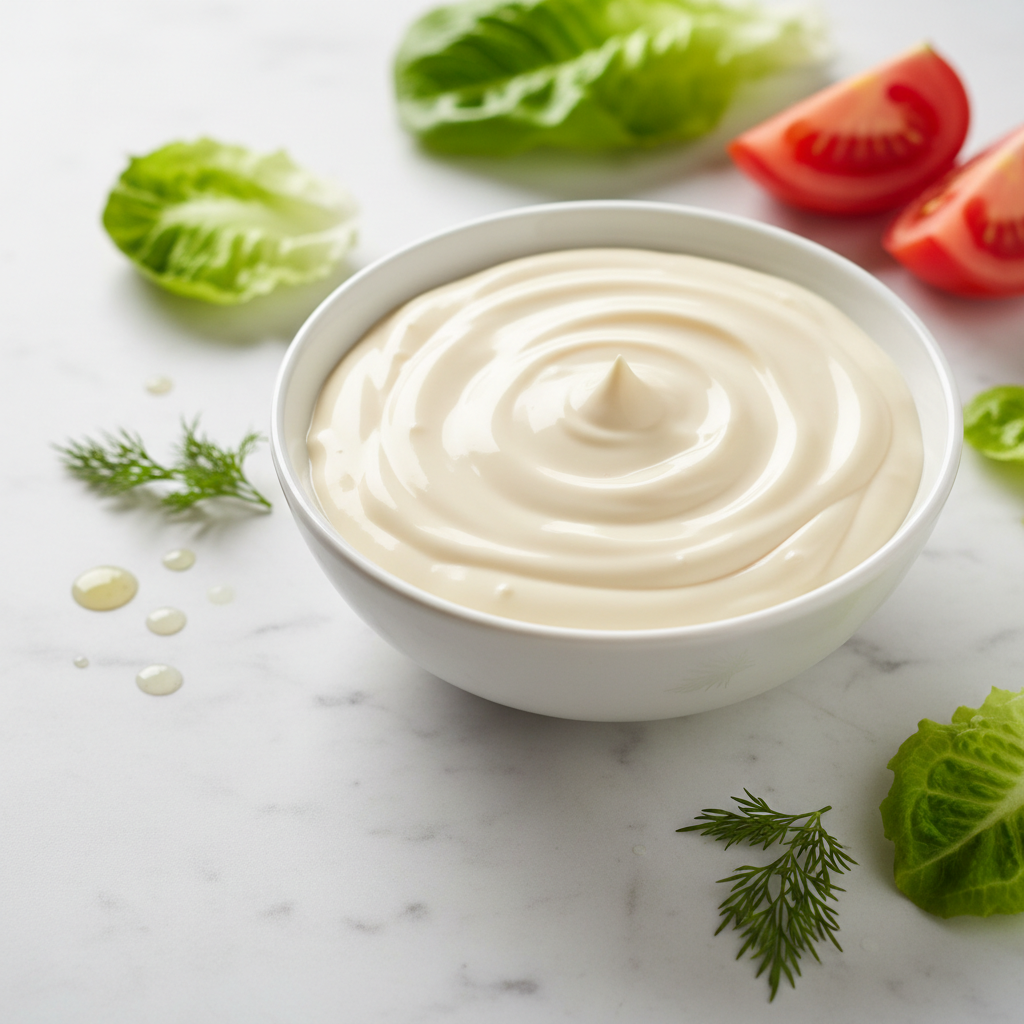
I learned to make a smooth, tangy eggless mayo in my little kitchen after my daughter Molly’s allergy meant the family jar had to go. This mayonnaise no egg recipe changed how I cook and share food, and I want you to have the same easy win. I write from trial and error, with clear proportions and a fail-safe blending method so you get reliable results every time.
Table of Contents
Table of Contents
Ingredients List
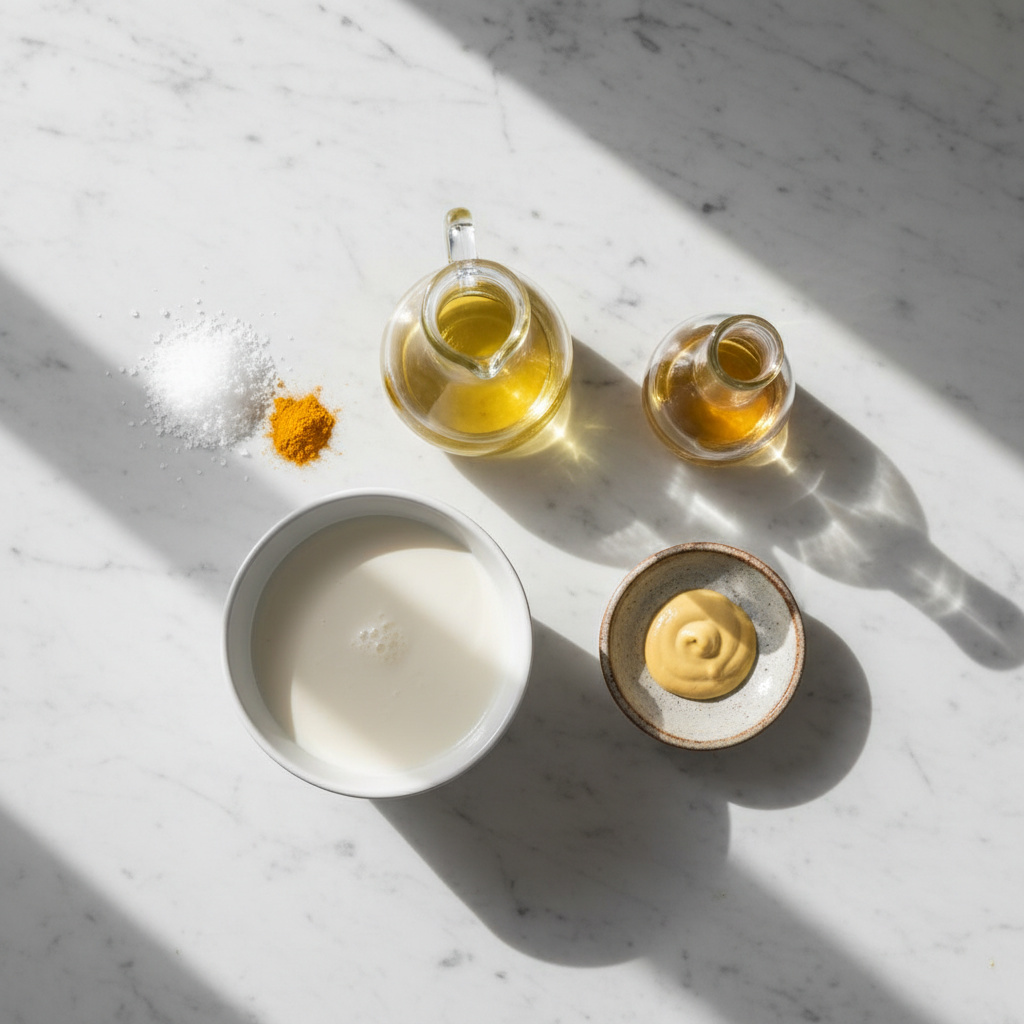
- 120 ml (1/2 cup) canola oil
- 60 ml (1/4 cup) unsweetened plant-based milk
- 5 ml (1 teaspoon) apple cider vinegar
- 5 ml (1 teaspoon) Dijon mustard
- 2.5 g (1/2 teaspoon) salt
- 0.3 g (1/8 teaspoon) turmeric (optional, just for colour)
Timing
Prep time: 5 minutes
Cook time: 0 minutes
Total time: 5 minutes
Oven temperature: No oven temperature required
Pan: Tall container or wide-mouth jar
Yield: 12 tablespoons (approximately 3/4 cup)
Step-by-Step Instructions
- Gather your tools. Use a tall container or wide-mouth jar that just fits your immersion blender head for the best emulsification.
- Add the canola oil, unsweetened plant-based milk, apple cider vinegar, Dijon mustard, salt, and optional turmeric to the container.
- Place the immersion blender head firmly at the very bottom of the container so it sits below the oil layer and covers the other ingredients.
- Turn the immersion blender on to high speed and keep it steady at the bottom without moving it up and down for about 20 to 30 seconds.
- Watch as the mixture emulsifies, and a thick, creamy mayonnaise forms from the bottom up. Only when you see a clear thickening should you slowly tilt or move the immersion blender up and down to fold the remaining oil into the emulsion.
- Continue to blend until the mayonnaise is completely emulsified and has a smooth, thick consistency.
- Taste and adjust seasonings. If you want more tang, add a little more apple cider vinegar and blend briefly. If you want more mustard note, add a touch more Dijon mustard and blend briefly.
- Transfer the mayonnaise to an airtight container using a clean spoon or spatula and chill before serving if you prefer it firmer.
- Store in the refrigerator and use within 7 to 10 days for best quality and food safety.
Nutritional Information
Per serving (1 tablespoon):
| Calories | 86 |
|---|---|
| Fat | 10 g |
| Saturated Fat | 1 g |
| Carbohydrates | 1 g |
| Fiber | 0 g |
| Sugar | 1 g |
| Protein | 1 g |
| Sodium | 104 mg |
These values come from the structured recipe and reflect my typical batch using canola oil and unsweetened plant-based milk. If you swap oils or milks, the calories and fat profile will change. Use the nutrition table as a guide rather than a precise medical reference.
Healthier Alternatives for the Recipe
I always want food that tastes good and fits our health goals. You can keep this recipe lighter or shift the fat profile by swapping ingredients, while still following the same method so emulsification stays reliable.
- Oil swap: Replace canola oil with light olive oil or avocado oil for more monounsaturated fat. Keep a neutral-flavored oil if you want the classic mayo taste.
- Lower-fat option: Reduce oil by up to 25 percent and replace the reduction with a little extra unsweetened plant-based milk to keep the texture creamy. The result is slightly thinner but still usable as a spread.
- Dairy-free and vegan: The recipe is already dairy-free and vegan when you use unsweetened plant-based milk. Double-check labels for cross-contamination if you are preparing food for someone with strict allergies.
- Higher-protein swap: Use a pea-protein enriched plant milk if you want a small protein boost without affecting emulsification much.
When I try a swap, I stick to the same proportions and blending method. That keeps the process consistent so I can focus on taste instead of troubleshooting.
Serving Suggestions
Our family uses this eggless mayo everywhere we used traditional mayo. Here are easy ideas that made Molly smile and kept guests satisfied when they visited.
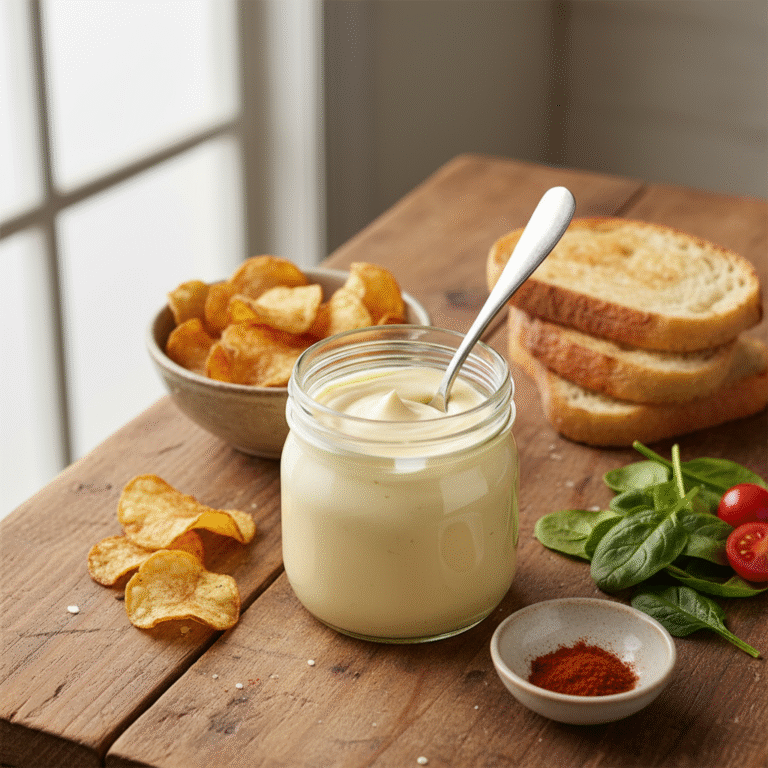
- Use as a sandwich spread on toasted bread with lettuce, tomato, and roasted vegetables.
- Stir into potato salad or coleslaw for a smooth, glossy finish.
- Make a quick aioli by mixing in crushed garlic, lemon zest, and a little extra apple cider vinegar.
- Thin with a little unsweetened plant-based milk and lemon juice to make a creamy salad dressing.
- Serve as a dip for roasted sweet potato wedges or raw vegetables.
I recommend chilling the mayonnaise for at least 30 minutes before serving in dishes where firmness helps, like potato salad. That makes assembly easier and lets flavors mellow.
Common Mistakes to Avoid
I learned these mistakes the hard way. Avoid them and you will save time and get that perfect creamy texture on your first try.
- Using a container that is too wide: If the container is not tall enough, the immersion blender cannot keep the ingredients concentrated, and emulsification fails. Use a tall container or wide-mouth jar that fits the head snugly.
- Adding ingredients at wildly different temperatures: Use room temperature canola oil and room temperature unsweetened plant-based milk. Very cold or very warm ingredients can prevent proper emulsification.
- Moving the blender up too soon: Keep the blender head at the bottom until the mayo forms from the bottom up. Lifting early leaves unincorporated oil on top can lead to separation.
- Changing proportions mid-blend: Stick to the recipe proportions the first few times. Large adjustments during blending increase the risk of breaking the emulsion.
- Overblending in a very thin container: Overworked emulsions can become grainy. Blend until smooth and stop when you reach the desired thickness.
The Science Behind Emulsification: Why This Recipe Works
I love explaining why things work in the kitchen. Emulsification is the physical process of dispersing tiny oil droplets evenly in an aqueous phase, and it is held together by surface-active agents. In classic mayonnaise, egg yolk provides lecithin as an emulsifier. In this eggless recipe, Dijon mustard and plant-based milk proteins act as stabilizers that let oil suspend in water.
Two practical points make emulsification reliable here: concentration and shear. Concentration means a compact vessel so the blender can apply force locally. Shear means using a high-speed immersion blender to break the oil into very small droplets quickly. When I learned to keep the blender head at the bottom and let the emulsion form before moving, success became predictable.
Acidity from apple cider vinegar helps flavor and can affect texture. I add it from the start in this recipe because it contributes to a balanced taste, but you can add a little after emulsification to adjust the tang without risking the texture.
Troubleshooting Your Eggless Mayonnaise
If your batch doesn’t look right, don’t toss it. I have a few rescue moves that worked for me and saved several jars.
- Mixture is thin and separated: Put a clean jar or container, add 1 teaspoon of Dijon mustard, and slowly whisk or blend the thin mayo into that mustard base, adding it drop by drop until it thickens. The mustard provides an extra emulsifier.
- Mixture is grainy: Try blending at a slightly lower speed and pause to let the mixture relax, then continue. If graininess persists, chill it for 10 minutes and re-blend gently.
- Emulsion breaks after adding extra vinegar or oil: Add a small amount of unsweetened plant-based milk to the broken emulsion and blend to re-bind. If the break is severe, start a fresh 1 teaspoon of Dijon mustard in a clean jar and slowly incorporate the broken mayo into it while blending.
- The mayo tastes flat: Add a small pinch more salt and a few drops of apple cider vinegar, then blend briefly and taste again.
I keep a spare jar of mustard in the fridge for rescues. It has saved many batches and made my process forgiving for beginners.
Making Flavorful Variations
Once you have the base method down, you can riff on flavors and keep the same proportions and technique. Here are simple variations I rotate through when I want something different.
- Garlic and lemon aioli: Stir in minced garlic and 5 to 10 ml lemon juice after emulsifying. Let rest for 15 minutes to mellow.
- Herb mayo: Fold in finely chopped parsley, chives, and a little lemon zest after blending.
- Smoky chipotle: Mix in a small amount of chipotle in adobo paste or smoked paprika for a smoky kick.
- Sriracha mayo: Whisk in sriracha to taste for a spicy spread.
I add strong flavors after the mayonnaise has formed, so I do not interfere with the emulsion. Taste as you go and remember that a little concentrated flavor goes a long way.
Storage and Shelf Life Tips
Food safety matters, especially when making fresh condiments. I follow clear storage rules in our household so Molly and guests stay safe.
- Container: Store mayonnaise in an airtight glass jar or container to limit exposure to air and flavors.
- Refrigeration: Keep refrigerated at all times and do not leave out for longer than two hours at room temperature during serving. In warm weather, reduce this time.
- Shelf life: Use within 7 to 10 days. I label the jar with the date so I do not guess.
- Cross contamination: Always use clean spoons to scoop mayo. Never dip a used knife that has touched other foods into the jar.
- Smell and taste check: Before using older jars, give a quick smell and taste. If anything smells off or tastes odd, discard it.
These rules have kept our fridge safe and given us confidence when sharing food with friends and family.
Conclusion
Making mayonnaise without eggs has been one of those small triumphs that changed our routines and opened up new possibilities. I want you to feel confident that this method is quick, forgiving, and adaptable. With the right container, steady blending, and the ingredient list above, you will have a creamy, egg-free mayo in five minutes. Try a variation, and remember the troubleshooting moves I shared if a batch needs a little rescue. Cooking egg-free does not mean compromising taste, and I hope this recipe becomes a kitchen staple for you and your family.
Love this recipe? Follow us on Facebook and Pinterest and explore more creative ideas on our food blog!
Frequently Asked Questions
How can I make mayonnaise without an egg?
Use an immersion blender to emulsify canola oil with unsweetened plant-based milk, Dijon mustard, apple cider vinegar, salt, and optional turmeric. Keep the blender head at the bottom of a tall container until the mayo forms, then blend gently to finish.
What is a substitute for egg in mayonnaise?
Dijon mustard and plant-based milk provide emulsifying proteins and surface-active compounds that help form and stabilize the emulsion in place of egg yolk.
What is eggless mayonnaise made from?
Eggless mayonnaise is made from oil and an aqueous phase such as unsweetened plant-based milk, along with an emulsifier like Dijon mustard and an acid like apple cider vinegar, plus salt for seasoning.
What mayonnaise has no egg in it?
Commercial brands labeled vegan or egg-free use ingredients similar to this recipe, often with plant proteins as stabilizers. Homemade versions like the one above are easy to make and let you control flavor and ingredients.
Why did my eggless mayonnaise not emulsify?
Common causes are using a container that is too wide, moving the blender head too early, ingredient temperatures that are too cold, or incorrect proportions. Keep a tall container, use room temperature ingredients, and hold the blender at the bottom until the emulsion forms.
How long does homemade eggless mayonnaise last in the fridge?
Store in an airtight container in the refrigerator and use within 7 to 10 days. Always check for off smells or flavors before use and avoid cross-contamination with used utensils.
Can I use different oils for eggless mayonnaise?
Yes. Neutral oils like sunflower, light olive oil, or avocado oil work well. If you use extra virgin olive oil the flavor will be stronger. Keep proportions the same to maintain reliable emulsification.