No Egg Recipes – Delicious Cooking Without Eggs

Easy, Chewy egg-free granola bars: a 5-Ingredient Allergy-Friendly Recipe
Egg-free granola bars that are simple, chewy, and allergy-friendly, tested in a home kitchen and ready in under 20 minutes. Get Elsie's trusted method.

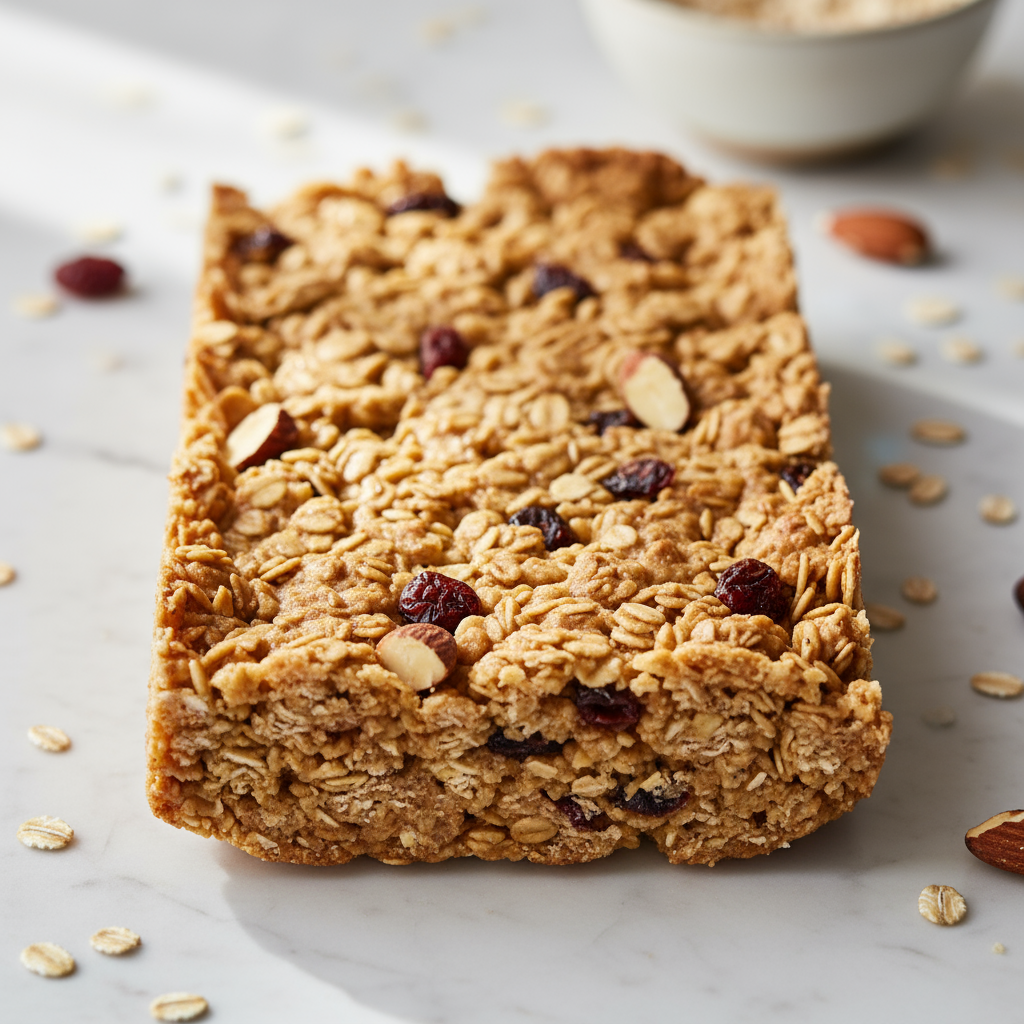
I began cooking without eggs because my daughter Molly could not tolerate them, and what started as necessity became a joy. These egg-free granola bars are the result of years of tiny kitchen experiments, a few failed batches, and a lot of hugging the mixer. They are simple, chewy, naturally sweet, and built to be forgiving. In under 20 minutes you can make a batch that keeps well, travels well, and makes school snacks and office lunches calm and reliable.
Table of Contents
Table of Contents
Ingredients List
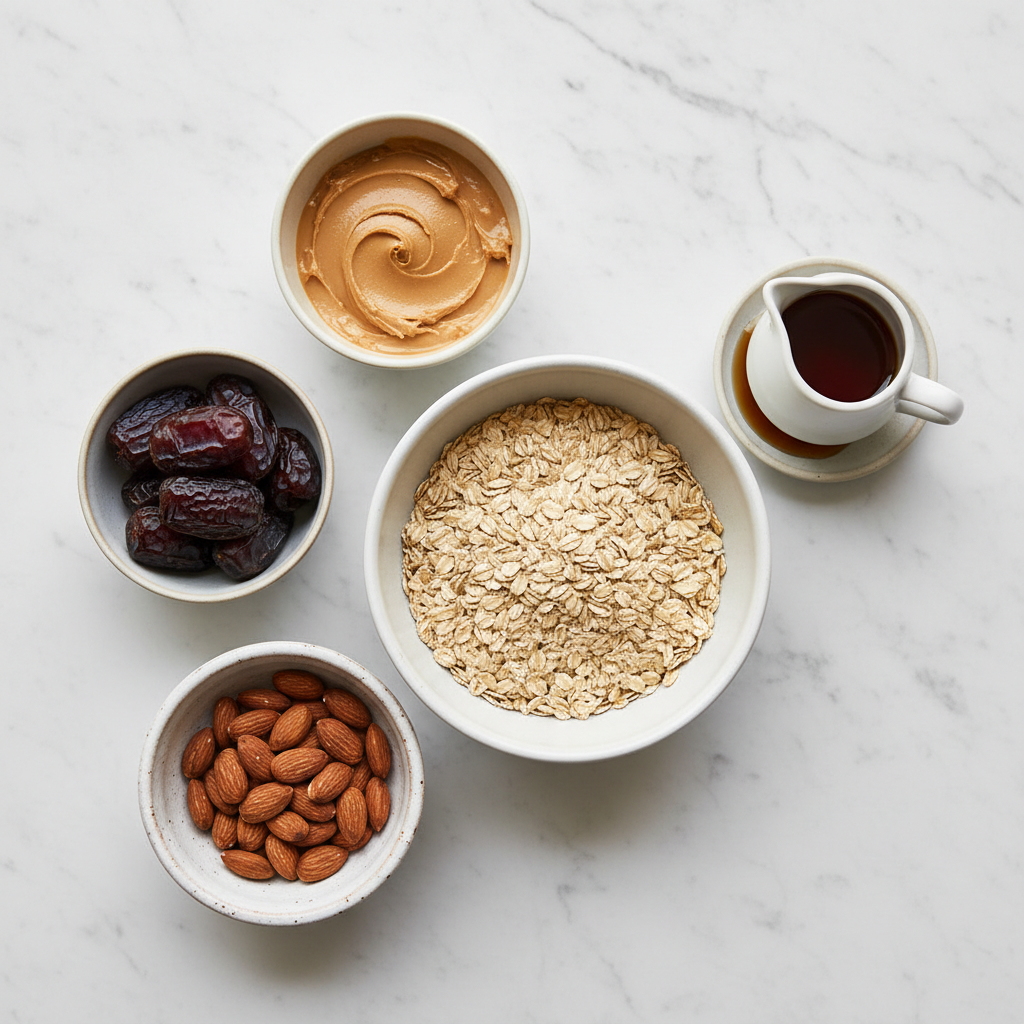
The only complete ingredient list for this recipe is below. Use the exact items and measurements for best results.
- 200 g (1 heaping cup packed) pitted deglet noor or medjool dates
- 60 ml (1/4 cup) maple syrup
- 64 g (1/4 cup) creamy salted natural peanut butter
- 150 g (1 cup) roasted unsalted almonds, loosely chopped
- 135 g (1 1/2 cups) gluten-free rolled oats
Timing
Prep time: 10 minutes. Cook time: 5 minutes (toasting optional). Total time: 15 minutes. Oven temperature: 350°F (176°C) if you choose to toast the oats and nuts. Pan: 8×8-inch baking dish. Yield: 10 bars.
Step-by-Step Instructions
- Process the pitted deglet noor or medjool dates in a food processor until small bits remain and they form a dough-like consistency, about 1 minute; the dates should clump together into a ball.
- Optional: toast the gluten-free rolled oats and roasted unsalted almonds, loosely chopped in a 350°F (176°C) oven for 10 to 15 minutes until lightly golden; allow to cool slightly.
- Transfer the processed pitted deglet noor or medjool dates, toasted gluten-free rolled oats, and roasted unsalted almonds, loosely chopped to a large mixing bowl; set aside.
- Warm the maple syrup and creamy salted natural peanut butter in a small saucepan over low heat, stirring until combined and slightly loosened, then remove from heat.
- Pour the warmed maple syrup and creamy salted natural peanut butter mixture over the date, oat, and almond mixture and mix thoroughly, ensuring the pitted deglet noor or medjool dates are dispersed evenly; use your hands if needed to break up large date clumps.
- Line an 8×8 inch baking dish with parchment paper or plastic wrap with an overhang on the sides to lift the bars later; transfer the granola mixture to the prepared dish.
- Press the mixture down very firmly and evenly into the pan; use the bottom of a drinking glass or a flat spatula to pack it tightly so the bars hold together well.
- Cover the dish and chill in the refrigerator or freezer for 15 to 20 minutes to firm up.
- Lift the chilled block from the pan using the parchment overhang and place on a clean cutting board; use a sharp non-serrated knife to cut into 10 even bars.
- Store the bars in an airtight container. For best freshness, refrigerate up to 1 week or freeze for up to 1 month, allowing frozen bars to thaw slightly before eating.
Nutritional Information
Nutrition per serving (1 of 10):
| Calories | 231 |
| Fat | 9.7 g |
| Saturated Fat | 1.2 g |
| Carbohydrates | 33.9 g |
| Fiber | 4.4 g |
| Sugar | 20.7 g |
| Protein | 5.8 g |
| Sodium | 30 mg |
These bars are nutrient-dense and provide a balanced mix of carbohydrates, healthy fats, and protein from the almonds and peanut butter. They are naturally sweetened by dates and maple syrup, with fiber from oats and fruit to keep you satisfied.
Healthier Alternatives for the Recipe
I often tweak the recipe to suit different dietary needs. If you want to reduce added sugars, cut the maple syrup by half and add 1 to 2 tablespoons of warm water when binding if the mixture becomes too stiff. For lower-calorie swaps, replace 150 g (1 cup) roasted unsalted almonds, loosely chopped, with 150 g (1 cup) roasted unsalted almonds, loosely chopped, replaced partially by puffed quinoa or puffed brown rice to reduce caloric density without losing crunch.
To make this a gluten dairy, and egg-free granola bars option, ensure your rolled oats are certified gluten-free. If you need to lower sodium, use unsalted nut butter and a pinch of salt only if desired. For a reduced-fat version, use 64 g (1/4 cup) sunflower seed butter in place of creamy salted natural peanut butter and add 1 to 2 tablespoons of ground flax for texture.
Serving Suggestions
I serve these bars slightly chilled for the best chew. They are great alongside a small pot of yogurt or a plant-based yogurt for a breakfast tray. Pack one with an apple for school lunches or slice smaller squares for toddler snack plates. For a treat, warm briefly and spread a thin layer of your favorite seed butter on top. These bars also pair well with a hot mug of tea or a cold coffee for a midafternoon boost.
If you want to present them for guests, arrange them on a board with fresh fruit, a small bowl of extra chopped almonds, and a drizzle of maple syrup for garnish.
Common Mistakes to Avoid
From my years of trial and error with Molly at my side, here are the mistakes I see most often and how to fix them.
- Not packing the mixture firmly enough. Bars that are not pressed down with force will fall apart. Use the bottom of a glass to press firmly and chill long enough to set.
- Using dry dates. If dates are dry, they will not bind properly. Soak dry dates in warm water for 10 minutes, then drain thoroughly before processing.
- Overprocessing nuts. If you pulse the roasted unsalted almonds, loosely chopped, for too long, you will make nut butter. Pulse until you have small pieces for texture.
- Cutting too soon. If the block is not fully firm in the fridge or freezer, the edges will crumble. Chill for the full recommended time.
- Substituting without adjustment. Swap sunflower seed butter for peanut butter and check the texture; you may need an extra tablespoon of syrup or a short chill to compensate.
When a batch fails, I taste the mixture raw for sweetness and texture before pressing. If it is not sticky enough, add a teaspoon of warm maple syrup, mix, and press again. For a similar binding technique without eggs, explore our no-egg mayonnaise recipe.
Customizing Your Granola Bars: Endless Variations
I love to experiment. The base recipe is forgiving and welcomes a range of add-ins. Here are the tested variations I use in my kitchen.
- Chocolate lovers: Fold in 60 g (1/2 cup) mini chocolate chips into the oat mixture before pressing for melty pockets.
- Fruit-forward: Stir in 30 g (1/4 cup) chopped dried cranberries or apricots for a bright chew.
- Nut-free option: Substitute 64 g (1/4 cup) sunflower seed butter for creamy salted natural peanut butter and replace 150 g (1 cup) roasted unsalted almonds, loosely chopped with 150 g (1 cup) roasted pumpkin seeds or puffed quinoa. This makes excellent homemade egg and nut-free granola bars for classrooms with strict policies.
- Spiced oats: Add 1/2 teaspoon ground cinnamon and a pinch of salt to the oat mixture for warmth.
- Seed boost: Stir in 2 tablespoons of chia or flax for extra fiber and omega fats. Did you know you can also make egg-free banana ice cream? That uses a similar principle of natural sweetness and binding! For a different kind of treat, consider our fudgy eggless brownies.
When customizing, remember to keep the overall ratio similar so the binding from the dates, maple syrup, and nut or seed butter remains sufficient to hold the bars together.
The Science Behind a Perfect Egg-Free Granola Bar
Understanding why these bars bind without eggs helps you adapt ingredients confidently. In traditional baking, eggs provide protein, moisture, and emulsion. In no-egg bars, the role of the egg is split across three helpers: sticky fruit, syrup, and nut or seed butter.
Sticky fruit. Pitted deglet noor or medjool dates are high in natural sugars and fiber. When processed, their flesh becomes tacky and acts like a natural glue, surrounding dry particles and providing chew. If dates are too dry, they fail to create that tacky matrix, and the bars crumble.
Sugars and syrups. Maple syrup loosens the nut butter and adds small-molecule sugars that help create cohesion and tenderness. Warming the maple syrup with the creamy salted natural peanut butter reduces viscosity, encouraging even coating of oats and nuts, which helps particles stick together when chilled.
Fat and friction. The creamy salted natural peanut butter supplies fat and some protein, coating the oat and almond surfaces and increasing adhesion between pieces. The roasted unsalted almonds, loosely chopped, provide structure and bite; the gluten-free rolled oats supply bulk and texture. Toasting the oats and almonds changes flavor through Maillard reactions and reduces surface moisture so they absorb binding components more predictably. For a similar flavor profile but in a different format, try our chewy sugar cookies or our detox water recipe which uses simple ingredients for a health boost.
Mechanical packing. Finally, dense packing is a critical physical step. Pressing removes air pockets and increases contact points between ingredients so the cold-set matrix holds as a cohesive bar. Chill time allows crystallization of sugars and firming of the fat, which finalizes the set.
Storage and Shelf Life Tips
Store the bars in an airtight container. At room temperature, they stay pleasant for 3 to 4 days. For longer storage, refrigerate up to 1 week; the texture will be firmer but still chewy. Freeze individual bars in parchment or plastic and keep in a sealed freezer bag for up to 1 month. Thaw in the refrigerator or at room temperature for 15 to 20 minutes before eating.
Label containers with the date made. If you see mold, off smells, or an overly sticky surface, discard the batch. I recommend packing bars in single servings for lunches so you only expose what you intend to eat that day. For other make-ahead breakfast options, consider egg-free potato salad or iced coffee.
Conclusion
These five-ingredient bars are my everyday answer for a reliable, allergy-friendly snack that still feels homemade and comforting. They are easy enough for busy mornings and sturdy enough for backpacks. I hope you try this base and then make it your own with the variations suggested. If you need bars that are both gluten-free egg egg-free dairy dairy-free granola bars friendly and nut-free for a classroom, adjust the nut elements and follow the packing tips above. Nothing makes me happier than a plate of chewy bars that everyone can share, so roll up your sleeves and enjoy the little victories in the kitchen. You might also enjoy learning how to make egg-free pasta dough or
homemade mayonnaise without eggs.
Love this recipe? Follow us on Facebook and Pinterest and explore more creative ideas on our food blog!
Frequently Asked Questions
Does granola ever have egg?
Traditional granola and most granola bars do not contain eggs. Commercial bars vary, so always check labels if you need to avoid eggs.
Are MadeGood bars egg free?
MadeGood bars are marketed as vegan and allergy-friendly, so they do not contain eggs. Check the specific product label for other allergens.
What granola bars are vegan friendly?
Vegan-friendly granola bars avoid animal products like honey and dairy. Look for bars labeled vegan or check ingredients for plant-based sweeteners and nut or seed butters.
What brands of granola are vegan?
Several brands offer vegan granola and bars; product lines change, so verify packaging. Many smaller natural brands and some mainstream lines list vegan options.
Can I make these bars nut free for school?
Yes, substitute sunflower seed butter for the peanut butter and replace the almonds with roasted pumpkin seeds or puffed quinoa. This yields homemade egg and nut-free granola bars suitable for nut-free classrooms when certified nut-free ingredients are used.