No Egg Recipes – Delicious Cooking Without Eggs

Shortbread Cookies Recipe: The Ultimate Guide to Perfect Buttery Cookies

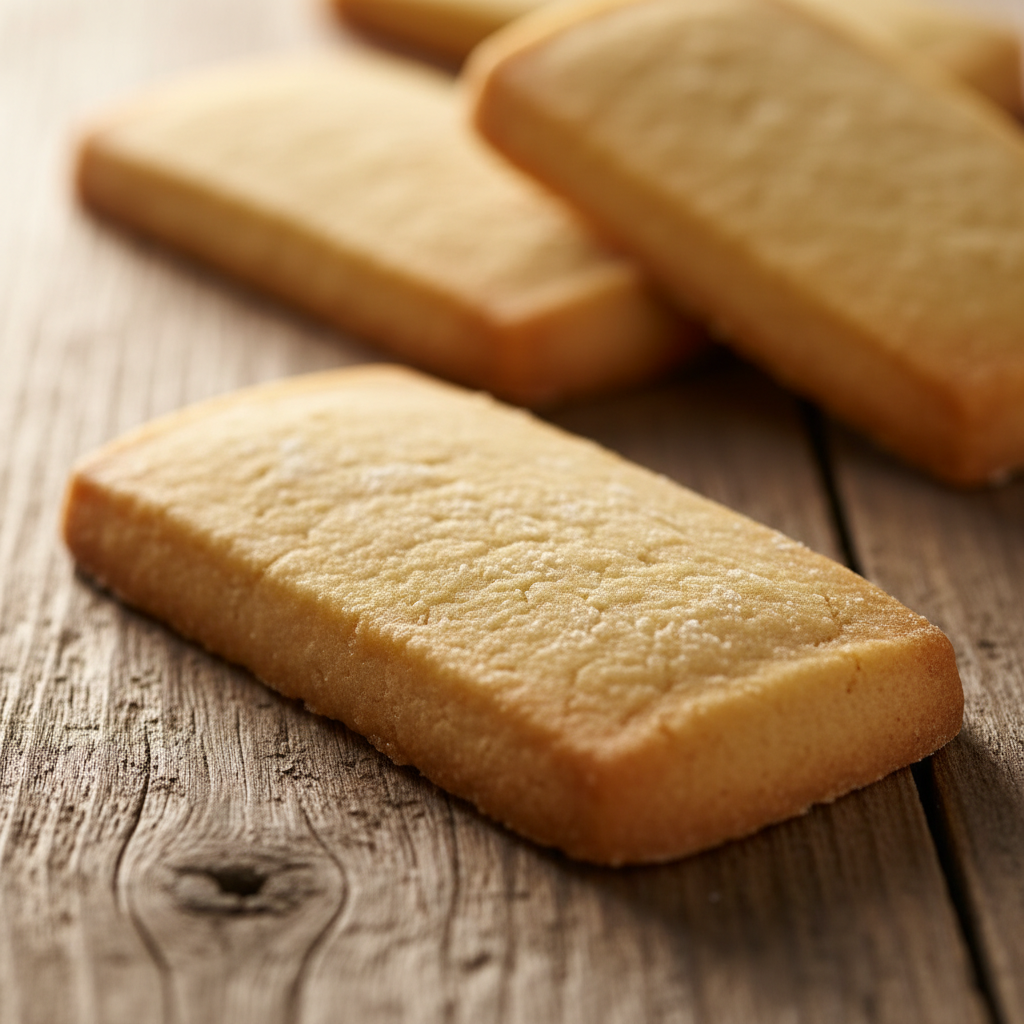
Did you know that the secret to the perfect shortbread lies in just five simple ingredients and proper technique? While many home bakers struggle with tough, crumbly, or spreading cookies, this Shortbread Cookies Recipe delivers tender, buttery perfection every single time. My name is Elsie Marlow, a home cook from Castleton in the Peak District, where quiet village life is the backdrop for my busy kitchen. My daughter Molly’s egg allergy sparked our journey into egg-free cooking, and what started as a challenge turned into a joyful adventure filled with aquafaba cupcakes, flaxseed ‘eggs,’ and tofu scrambles. Through every kitchen mishap, we’ve learned that food should bring people together, never leave anyone out.
This classic shortbread recipe requires no eggs whatsoever, making it naturally allergy-friendly while maintaining that signature melt-in-your-mouth texture. With minimal hands-on time and foolproof techniques, you’ll master the art of creating cookies that crumble perfectly between your fingers. Whether you’re baking for the holidays, gifting to neighbors, or simply satisfying a butter cookie craving, this recipe delivers consistent results that will make you the go-to baker in your circle.
The beauty of traditional shortbread lies in its simplicity. Unlike complicated cookie recipes that require multiple steps and specialty ingredients, this method focuses on temperature control, gentle mixing, and proper chilling. The result? Cookies with a tender crumb, rich butter flavor, and that distinctive shortbread snap that makes them irresistible.
For more egg-free baked goods, check out our eggless cookies recipe.
Table of Contents
Table of Contents
Ingredients List
This Shortbread Cookies Recipe calls for just five pantry staples that you likely have on hand. Each ingredient plays a crucial role in creating the perfect texture and flavor balance. Here’s everything you’ll need to make 16 delicious cookies:
- 10 tbsp unsalted butter (142 g) — room temperature
- 0.5 tsp pure vanilla extract (0.5 tsp / 2.5 ml)
- 0.5 cup confectioners’ sugar (60 g)
- 0.5 tsp kosher salt (optional) (0.5 tsp / 2.5 g)
- 1.5 cups all-purpose flour (180 g)
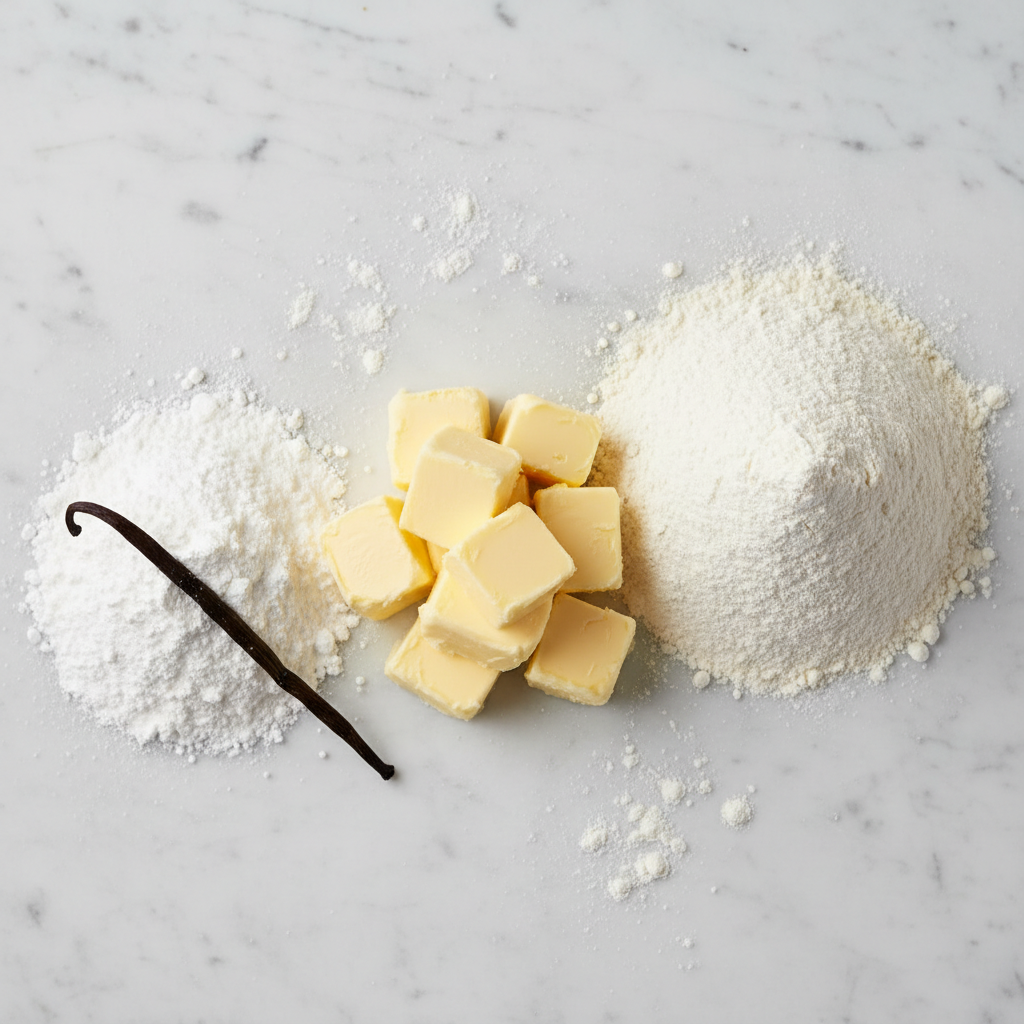
Ingredient Quality Tips: Use high-quality unsalted butter for the best flavor, as it’s the star of this recipe. European-style butter with higher fat content creates an even richer taste. Pure vanilla extract makes a noticeable difference compared to imitation vanilla. Confectioners’ sugar dissolves more easily than granulated sugar, creating a smoother dough texture.
The optional kosher salt enhances the buttery flavor without making the cookies taste salty. If you prefer unsalted cookies, simply omit this ingredient. All-purpose flour provides the perfect protein content for tender cookies that hold their shape during baking.
Looking for more egg-free ideas? Explore our eggless muffins for a quick brunch pairing.
Timing
This efficient Shortbread Cookies Recipe requires minimal active time with built-in resting periods that allow you to multitask. Total Time: 1 hour 25 minutes, which includes 15 minutes of prep time, 1 hour of chilling time, and 10 minutes of baking time per batch. The hands-on work takes just 15 minutes, making this an ideal recipe for busy schedules.
Oven Temperature: 350°F (177°C) throughout the entire baking process. This moderate temperature ensures even cooking without over-browning the delicate cookies. Pan Requirements: Use a standard baking sheet lined with silicone mat or parchment paper for easy release and cleanup.
Yield: This recipe produces 16 cookies, perfect for small gatherings or family treats. The dough chilling time is mandatory for proper slicing and shape retention, so plan accordingly. However, the chilled dough can wait in the refrigerator for up to 24 hours if you need flexible timing.
Each batch bakes in just 10 minutes, allowing you to bake multiple batches quickly if you’re making larger quantities. The cookies cool completely within 15 minutes on a wire rack, ready for serving or storing.
Step-by-Step Instructions
Follow these detailed steps for foolproof results with your Shortbread Cookies Recipe. Each step builds upon the previous one, creating the perfect texture and ensuring your cookies turn out beautifully every time.
- Cream the Butter and Vanilla: In a stand mixer fitted with a paddle attachment (or using a hand mixer in a bowl), beat 10 tbsp unsalted butter (142 g) and 0.5 tsp pure vanilla extract (0.5 tsp / 2.5 ml) together on medium speed until the butter is creamy and smooth.
- Add Sugar and Salt: Add 0.5 cup confectioners’ sugar (60 g) and 0.5 tsp kosher salt (optional) (0.5 tsp / 2.5 g); mix on low-to-medium speed until combined and the mixture is uniform in texture.
- Incorporate Flour: Scrape the bowl down with a spatula, then add 1.5 cups all-purpose flour (180 g) while mixing on low speed. Mix just until the dough comes together and no streaks of flour remain; avoid overmixing.
- Shape and Chill: Turn the dough out onto a sheet of plastic wrap and shape it into a rectangular prism (log or block). Wrap tightly in plastic and chill in the refrigerator until firm, at least 1 hour.
- Preheat and Prepare: Preheat the oven to 350°F (177°C). Line a baking sheet with a silicone mat or parchment paper.
- Slice the Dough: Use a sharp knife to cut 1/2 inch (about 12 mm) thick slices from the chilled dough log. Place slices spaced at least 1 inch (25 mm) apart on the prepared baking sheet.
- Add Decorative Touches: Use a fork or skewer to indent a pattern onto the top of each slice (optional).
- Bake to Perfection: Bake in the preheated oven at 350°F (177°C) for about 10 minutes, rotating the baking sheet halfway through the bake if your oven has hot spots. Bake until tops are set and edges are just beginning to firm; avoid deep browning.
- Cool Completely: Transfer cookies to a wire rack to cool completely before storing or decorating.
Visual Cues for Success: The finished cookies should hold their shape when transferred and feel firm to the touch. They’ll continue firming as they cool, so don’t worry if they seem slightly soft when hot.
For more egg-free ideas, explore our banana bread no eggs recipe.
Nutritional Information
This Shortbread Cookies Recipe provides satisfying treats with straightforward nutritional content. Each cookie contains approximately 168 calories, making them a moderate indulgence perfect for portion control.
Per Cookie (1 of 16 cookies, about 31g):
- Calories: 168
- Total Fat: 9.8g (with 2.9g saturated fat)
- Carbohydrates: 18.3g
- Sugar: 7g
- Protein: 1.6g
- Fiber: 0.6g
- Sodium: 109mg (with optional salt)
The majority of calories come from butter, which provides the rich flavor and tender texture that makes shortbread special. The moderate sugar content allows the butter flavor to shine through without overwhelming sweetness.
Dietary Considerations: These cookies are naturally egg-free and vegetarian-friendly. The recipe contains gluten (from all-purpose flour) and dairy (from butter), making it unsuitable for those with celiac disease or dairy allergies without modifications. The optional salt can be omitted for those monitoring sodium intake.
Compared to many commercial cookies, this homemade version allows you to control ingredients and avoid artificial preservatives and additives.
Healthier Alternatives for the Recipe
While this Shortbread Cookies Recipe is perfect as written, you can make several substitutions to suit dietary preferences or health goals. These alternatives maintain the essential shortbread character while addressing specific nutritional concerns.
Butter Alternatives: Replace the unsalted butter with an equal amount (142g) of vegetable shortening for dairy-free cookies. Coconut oil (solid, not melted) can work but will add a subtle coconut flavor. Vegan butter sticks provide the closest texture match to traditional butter.
Sugar Reduction: Reduce confectioners’ sugar to 0.4 cup (48g) for less sweetness. The cookies will be slightly less tender but still delicious. Avoid liquid sweeteners as they’ll alter the dough consistency.
Flour Modifications: Substitute up to half the all-purpose flour with whole wheat pastry flour for added fiber and nutty flavor. This creates heartier cookies with more complex taste.
Portion Control: Cut smaller, 1/4-inch thick slices to create 24 smaller cookies with reduced calories per serving. Adjust baking time to 8-9 minutes for thinner cookies.
Remember that any substitutions will change the final texture and flavor slightly. Test small batches first when trying new alternatives to ensure you’re happy with the results before making full recipes.
Serving Suggestions
These versatile cookies from your Shortbread Cookies Recipe shine in countless serving scenarios. Their delicate buttery flavor pairs beautifully with both sweet and savory accompaniments, making them perfect for any occasion.
Classic Tea Time: Serve alongside Earl Grey, English Breakfast, or herbal teas. The subtle sweetness complements tea without competing with delicate flavors. Arrange on a tiered stand with jam and clotted cream for an elegant afternoon tea presentation.
Dessert Enhancements: Use as a base for ice cream sundaes, crumble over fresh berries, or dip halfway in melted chocolate for elegant treats. Stack between layers of whipped cream and strawberries for a simple trifle.
Gift Presentation: Package in clear cellophane bags tied with ribbon, arrange in decorative tins, or stack in mason jars for heartfelt homemade gifts. The cookies travel well and maintain freshness for several days.
Holiday Serving: Cut into festive shapes before chilling, dust with colored sugar, or use as edible decorations for cakes and cupcakes. Create cookie sandwiches with buttercream or jam filling for special occasions.
Coffee Shop Style: Serve alongside morning coffee or espresso. The buttery richness balances coffee’s bitter notes perfectly. Wrap individually for grab-and-go breakfast treats.
Consider temperature when serving, as these cookies taste distinctly different at room temperature versus slightly warm from the oven.
Common Mistakes to Avoid
Even experienced bakers can stumble with this seemingly simple Shortbread Cookies Recipe. Understanding these common pitfalls helps ensure perfect results every single time you bake.
Overworking the Dough: The biggest mistake is mixing too long after adding flour. Overworked dough develops tough gluten strands, creating hard, dense cookies instead of tender ones. Mix just until flour disappears, then stop immediately.
Wrong Butter Temperature: Room temperature butter should yield slightly to pressure but not be soft or melted. Too-soft butter creates spreading cookies that lose their shape. Too-cold butter won’t cream properly, leaving lumpy texture. Test by pressing lightly, your finger should leave an indent without the butter feeling squishy.
Skipping the Chill Time: Rushing this step results in cookies that spread too much during baking and lose their clean edges. The butter needs time to firm up for proper slicing and shape retention. Plan for at least one full hour of chilling.
Incorrect Slicing Technique: Using a dull knife or sawing motion creates ragged edges and can crack the dough. Use a sharp knife in straight downward motions, cleaning the blade between cuts for clean slices.
Overbaking: Shortbread should remain pale with just barely set edges. Brown cookies will taste dry and lose their delicate texture. Remove from oven when tops look set but still pale.
Temperature Inconsistencies: Oven temperature variations can ruin texture. Use an oven thermometer to verify accuracy and rotate pans halfway through baking for even results.
Variations & Mix-ins
Transform your basic Shortbread Cookies Recipe into exciting flavor variations without compromising the essential technique. These additions create new taste experiences while maintaining the signature shortbread texture.
Toasted Nut Shortbread: Add 0.5 cup toasted almonds or pecans, finely chopped (about 50g) after incorporating flour in Step 3. Reduce all-purpose flour to 1.4 cups (168g) if needed to keep dough cohesive. Toast nuts in a dry skillet until fragrant before chopping for maximum flavor.
Citrus Zest Shortbread: Brighten the dough with 1 tsp finely grated lemon or orange zest added to butter and vanilla in Step 1. The oils in citrus zest provide intense flavor without adding moisture that could affect texture.
Chocolate Chip Addition: Fold in 0.5 cup mini chocolate chips after flour incorporation. Mini chips distribute more evenly than regular-sized chips and won’t interfere with slicing.
Spiced Shortbread: Add 0.5 tsp ground cinnamon, 0.25 tsp ground ginger, and a pinch of nutmeg with the flour for warm holiday flavors. These spices complement butter beautifully.
Lavender Shortbread: Infuse 1 tsp dried culinary lavender with the butter by letting it sit for 10 minutes before creaming, then strain out the flowers. This creates sophisticated floral notes.
Coffee Shortbread: Replace 1 tbsp flour with 1 tbsp finely ground espresso powder for rich coffee flavor that pairs perfectly with the buttery base.
When adding mix-ins, fold them gently to avoid overworking the dough. Start with smaller amounts and adjust to taste preference in future batches.
For more egg-free options, explore our overnight oats without eggs.
Expert Tips & Troubleshooting
Master this Shortbread Cookies Recipe with professional techniques that separate good cookies from exceptional ones. These expert insights come from years of testing and refining the perfect shortbread method.
Temperature is Everything: Your kitchen temperature affects dough handling significantly. In hot weather, chill the dough longer or work in air conditioning. Cold kitchens may require slightly less chilling time. The dough should feel firm but not rock-hard when slicing.
Butter Quality Matters: European-style butter with higher fat content (82-84%) creates richer, more tender cookies than standard American butter (80% fat). The extra butterfat makes a noticeable difference in both flavor and texture.
Measuring Flour Correctly: Spoon flour into measuring cups and level with a knife rather than scooping directly. Scooped flour packs down, adding extra flour that makes cookies tough. Weight measurements (180g) provide the most accuracy.
Troubleshooting Crumbly Dough: If dough won’t hold together, your butter may have been too cold or you need slightly more butter. Add 1 tsp softened butter and gently work it in.
Fixing Spreading Cookies: If cookies spread too much despite proper chilling, your oven temperature may be incorrect or butter was too warm. Verify oven temperature with a thermometer and ensure butter feels firm before baking.
Professional Slicing: Rotate the dough log 90 degrees every few cuts to prevent flattening on one side. This maintains perfectly round cookies throughout the entire log.
Storage for Optimal Texture: Store completely cooled cookies in airtight containers at room temperature. Add a piece of bread to containers for longer storage, which helps maintain moisture balance.
Make-Ahead, Storage & Freezing Guide
This convenient Shortbread Cookies Recipe adapts beautifully to busy schedules with multiple make-ahead options. Plan your baking timeline to suit your needs while maintaining optimal freshness and quality.
Dough Preparation Timeline: Shape dough logs up to 24 hours before baking and store wrapped in refrigerator. For longer storage, wrap logs tightly in plastic wrap, then aluminum foil, and freeze for up to 1 month. Slice directly from frozen state without thawing.
Baked Cookie Storage: Store completely cooled cookies in airtight containers at room temperature for up to 4 days. They maintain best texture during the first two days but remain delicious throughout the storage period.
Refrigerator Storage: For extended freshness, refrigerate baked cookies wrapped tightly for up to 1 week. Bring to room temperature before serving for optimal flavor and texture.
Freezing Baked Cookies: Freeze baked cookies in single layers in airtight containers for up to 1 month. Place parchment paper between layers to prevent sticking. Thaw at room temperature for 15-20 minutes before serving.
Gift-Giving Timeline: Bake cookies 1-2 days before gifting for peak freshness. Package in airtight containers or decorative tins to maintain quality during transport.
Batch Baking Strategy: Double or triple the recipe and freeze extra dough logs. This provides quick access to fresh cookies whenever needed. Simply slice and bake without advance planning.
Label all frozen items with dates and contents for easy identification. Properly stored dough and cookies maintain excellent quality throughout their recommended storage periods.
Allergen Swaps & Gluten-Free Option
Adapt this Shortbread Cookies Recipe for various dietary restrictions without sacrificing the beloved shortbread characteristics. These tested substitutions ensure everyone can enjoy delicious homemade cookies.
Gluten-Free Shortbread: Substitute 1.5 cups (180g) 1:1 gluten-free flour blend for all-purpose flour. Choose blends containing xanthan gum for best results. Expect slightly different texture, more delicate and possibly more crumbly, but still delicious. Popular brands like King Arthur Gluten-Free Flour work excellently.
Dairy-Free Adaptation: Replace butter with equal amounts of vegan butter sticks or refined coconut oil (solid, not melted). Earth Balance or Miyoko’s vegan butter provide the closest taste and texture to traditional butter. Avoid margarine, which often contains too much water.
Nut-Free Environment: This recipe is naturally nut-free in its basic form. When adding variations, substitute sunflower seeds or pumpkin seeds for tree nuts. Ensure your vanilla extract and flour are processed in nut-free facilities if severe allergies are concerned.
Lower Sugar Options: Reduce confectioners’ sugar to 0.4 cup (48g) for cookies with 25% less sugar. You can also substitute with powdered erythritol or monk fruit sweetener at a 1:1 ratio, though texture will be slightly different.
Egg-Free Confirmation: This recipe contains no eggs naturally, making it perfect for egg allergy households. No substitutions needed for egg-free diets.
Test substitutions in small batches first to ensure you’re satisfied with flavor and texture changes before making full recipes for special occasions.
Conclusion
Mastering this Shortbread Cookies Recipe opens the door to countless baking possibilities and guaranteed success in your kitchen. The combination of simple ingredients, proven technique, and expert tips ensures that every batch delivers the tender, buttery perfection that makes shortbread cookies irresistible.
From the initial creaming of room-temperature butter to the final cooling on wire racks, each step builds toward cookies that crumble perfectly and melt on your tongue. Whether you’re baking for afternoon tea, holiday gifts, or simple everyday indulgence, this recipe provides the reliable foundation you need.
Remember that the secret lies not in complicated techniques or exotic ingredients, but in respecting the fundamentals: proper butter temperature, gentle mixing, adequate chilling time, and precise baking. These principles, combined with the variations and expert tips shared throughout this guide, empower you to create consistently excellent results.
The beauty of shortbread extends beyond its simplicity to its versatility. Use this base recipe as your canvas for creative additions, dietary adaptations, and personalized touches that reflect your unique baking style. From citrus zest to toasted nuts, the possibilities are endless while the core technique remains unchanged.
Save this Shortbread Cookies Recipe to your recipe collection, print it for easy kitchen reference, and share your baking successes in the comments below. Happy baking, and may your kitchen always smell like butter and vanilla!
Love this recipe? Follow us on Facebook and Pinterest and explore more creative ideas on our food blog!
Frequently Asked Questions
What is the secret to making good shortbread cookies?
The secret lies in using room-temperature butter, mixing just until flour disappears, and chilling the dough for at least one hour. Proper butter temperature ensures easy creaming, gentle mixing prevents tough cookies, and chilling firms the butter for clean slicing and shape retention during baking.
What is the 321 rule for shortbread?
The 321 rule refers to the traditional shortbread ratio: 3 parts flour, 2 parts butter, and 1 part sugar by weight. This classic formula creates the perfect balance of structure, richness, and sweetness that defines authentic shortbread texture and flavor.
What are common mistakes when making shortbread?
The most common mistakes include overworking the dough after adding flour, using butter that’s too soft or too cold, skipping the chilling time, and overbaking until brown. Each of these errors affects texture, with overworked dough creating tough cookies and improper butter temperature causing spreading issues.
What makes a shortbread cookie different from other cookies?
Shortbread contains no eggs or leavening agents, relying solely on butter for richness and texture. The high butter-to-flour ratio creates a tender, crumbly texture that literally ‘shorts’ or breaks apart easily, distinguishing it from chewy or crispy cookie varieties.
How do I stop shortbread cookies from spreading?
Prevent spreading by ensuring dough is properly chilled for at least one hour, using butter at correct room temperature (not too soft), and verifying your oven temperature with a thermometer. Properly chilled dough holds its shape during baking, while correct oven temperature prevents premature butter melting.