No Egg Recipes – Delicious Cooking Without Eggs

Perfect Vegan Christmas Desserts: A Showstopping Trifle Recipe
Perfect vegan Christmas desserts are here! Elsie shares her proven trifle recipe, perfected over years for holiday tables. Enjoy a truly inclusive centerpiece.

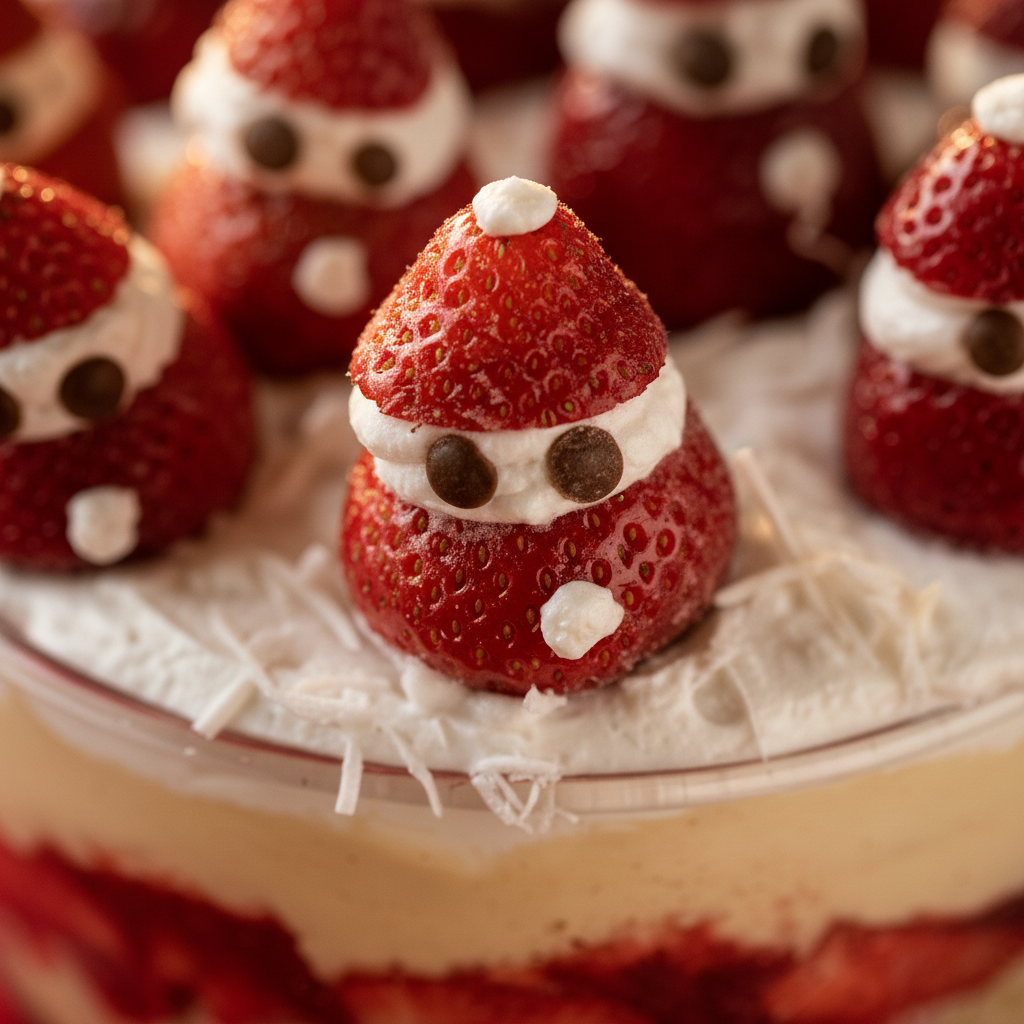
After years of experimenting in my Castleton kitchen, I’ve finally perfected a vegan Christmas desserts trifle that rivals any traditional version. This vegan Christmas dessert has become the centerpiece of our holiday table, delighting both plant-based eaters and omnivores alike. The layers of tender sponge, vibrant fruit, creamy custard, and billowy whipped topping create a dessert that’s as beautiful as it is delicious.
- Texture target: Light, creamy layers with just-soaked cake that holds its shape when served
- Reliable swap: Coconut cream whipped with a touch of cornstarch for stability that won’t deflate
- Make-ahead: Components prepped up to 3 days before assembly for stress-free holiday hosting
TOC
Table of Contents
Vegan Christmas Trifle
This vegan Christmas trifle has layers of vanilla cake, macerated strawberries, egg-free custard and whipped dairy-free cream. It's the perfect centerpiece for your holiday table!
PREP TIME
60 mins
60 mins
COOK TIME
40 mins
40 mins
TOTAL TIME
340 mins
340 mins
Servings: 16 servings
Course: Snack
Cuisine: American
Calories: 577
🥄 Ingredients
- 2.5 cups (310 g) all-purpose plain flour
- 1.25 cups (250 g) granulated sugar
- 1 teaspoon baking soda
- Pinch of salt
- 1.5 cups (375 ml) dairy-free milk
- 0.5 cup (125 ml) neutral flavored oil
- 1 tablespoon apple cider vinegar, or lemon juice
- 1 teaspoon vanilla extract
- 1 heaped cup (400 g) raspberry jam, strawberry jam or lingonberry jam
- 0.25-0.5 cup (60-120 ml) fruity carbonated drink of choice
- 4-6 cups (800 g) quartered strawberries, fresh or frozen
- 3 cups (720 ml) dairy-free whipping cream, (for example coconut cream), as needed
- 10 fresh strawberries, stems cut off
- Mini vegan chocolate chips, or black decorating gel
- Small pinch of turmeric
👩🍳 Method
- **Make the cake (preferably, 1-2 days before serving):** Preheat your oven to 160°C (320°F). Line a 26×38 cm (10×15 inch) sheet pan or two round cake pans with parchment paper. Add the all-purpose plain flour, granulated sugar, baking soda, and pinch of salt to a large mixing bowl and mix until combined. Add the dairy-free milk, neutral flavored oil, apple cider vinegar (or lemon juice), and vanilla extract to the dry ingredients and mix until there are no lumps. Pour the batter into your sheet pan. Bake for 20-25 minutes or until you can insert a toothpick or skewer in the middle and it comes out clean. Allow the cake to cool in the pan. Cover the cakes and chill in the fridge until needed. Chilled cakes are easier to handle!
- **Prepare the vanilla custard (preferably, 1-2 days before serving):** Add all ingredients for the custard (dairy-free milk, granulated sugar, corn starch, vanilla extract, and a small pinch of turmeric) to a large saucepan. Whisk until there are no more lumps of corn starch. Place the saucepan over high heat. Bring the mixture to a boil for 5 minutes while whisking occasionally. Add more turmeric to color if desired. Reduce to medium heat for 10-15 minutes or until the custard thickens to your ideal consistency. The custard should coat the back of a spatula. Remove the custard from the heat. Set aside to cool. Chill in an airtight container until needed. If you make your custard a day in advance, it will set when it cools down. Use an immersion blender to return the custard to its liquid state. Alternatively, you can use a hand whisk and mix it vigorously until there are no lumps.
- **Make the macerated strawberries (1 day or few hours before serving):** Add the raspberry jam (or strawberry jam or lingonberry jam) and 0.25 cup (60 ml) of the fruity carbonated drink to a large mixing bowl. Whisk until combined. Add the quartered strawberries and toss until well combined. If desired, add more of the fruity carbonated drink to create a runnier compote.
- **Make the strawberry Santas (few hours before serving):** Whip the dairy-free whipping cream according to packet instructions or until stiff peaks form. Chill until needed. Use a sharp knife to slice the top third of each of the 10 fresh strawberries. Reserve the tips to use as Santa hats. Use a piping bag or a spoon to top each strawberry base with whipped cream. Place the strawberry hat on top. Pipe a small ball of cream on top of the hat and on the side of the strawberry to make a button. Press two mini vegan chocolate chips (or use black decorating gel) in the cream to make eyes for each Santa.
- **Assemble the vegan trifle (few hours before serving):** Cut your cake into 2 cm (1-inch) cubes or crumble it into small pieces. Place half of the cake cubes in the bottom of a trifle dish or large clear trifle bowl. Feel free to crumble any remaining cake to fill any gaps. Top with half of the macerated strawberries, half of the vanilla custard, and half of the whipped cream. Repeat layers until you have used up all ingredients. Top your vegan trifle with the strawberry Santas. Chill until ready to serve. Leftovers can be stored covered in the trifle dish for up to 3-5 days in the refrigerator.
Notes: This trifle relies on several components being made in advance, so plan accordingly. The cake and custard can be made 1-2 days ahead, and the strawberries 1 day or a few hours ahead. The assembled trifle should chill for at least 4 hours before serving to allow flavors to meld and layers to set. To check if the cake is baked through, insert a toothpick into the center; if it comes out clean, it is ready. Custard should coat the back of a spatula, indicating proper thickness. Store leftovers covered in the trifle dish for up to 3-5 days in the refrigerator.
Why This Vegan Christmas Trifle Will Be Your Holiday Star
When Molly was diagnosed with her egg allergy, Christmas desserts became my biggest challenge. Traditional trifles were off-limits, and store-bought alternatives just didn’t capture the festive magic we were looking for. After many holiday seasons of trial and error (including one memorable Christmas when my vegan custard refused to set and we ended up with what Molly called ‘Christmas soup’), this trifle recipe emerged as our favorite.
What makes this plant-based trifle special isn’t just that it’s allergy-friendly – it’s genuinely delicious in its own right. The bright berry compote provides a perfect tart contrast to the sweet custard, while the cake layers soak up just enough moisture without becoming soggy. The coconut cream topping has converted even my most dairy-devoted relatives, who now request this version specifically.
Beyond taste, this trifle creates a stunning visual impact with its festive red and white layers visible through a glass trifle dish. It’s the kind of dessert that draws gasps when brought to the table – exactly the reaction you want from your holiday centerpiece. And the best part? Most components can be made days ahead, meaning you can enjoy the festivities instead of being stuck in the kitchen.
Ingredient Notes & Essential Substitutions
Through years of perfecting this recipe in my Peak District kitchen, I’ve discovered which ingredients truly make a difference in creating a spectacular vegan trifle. Let me walk you through the essentials and share what I’ve learned about substitutions.
For the cake layer, I’ve found that a simple vanilla sponge made with oil rather than butter creates the perfect texture that soaks up flavor without falling apart. If you’re short on time, many store-bought vegan sponge cakes work wonderfully. Look for varieties without artificial colors or flavors for the cleanest taste.
The custard layer is where many vegan trifles falter. After numerous holiday disasters with thin, runny custard, I’ve discovered that the perfect consistency comes from combining plant milk with cornstarch, turmeric for color, and a touch of nutritional yeast for that subtle egg-like richness. Coconut milk provides the creamiest results, but oat milk creates a lighter custard that lets other flavors shine through.
For the fruit component, frozen berries actually outperform fresh in the middle of winter. They release more juice, creating that beautiful red syrup that soaks into the cake. If you’re not a fan of berries, mango and passion fruit create an equally impressive tropical version.
The whipped topping is perhaps the most transformative element. Full-fat coconut cream that’s been refrigerated overnight whips up beautifully, especially when stabilized with a small amount of cornstarch or agar powder. For those avoiding coconut, there are several wonderful cashew-based creams that provide a neutral backdrop for the vanilla and almond extracts that give this dessert its distinctive holiday flavor.
As for the finishing touches, I’ve found that toasted almond slivers, candied orange peel, or dark chocolate shavings add that final professional touch that elevates this from a simple dessert to a showstopper.
Vegan Christmas Desserts – Equipment for Trifle Perfection
Having made this trifle in kitchens of all sizes (including our tiny cottage kitchen when we first moved to Castleton), I can assure you that fancy equipment isn’t essential. However, a few key tools will make the process smoother and the presentation more impressive.
First and foremost, a proper trifle dish makes all the difference in presentation. After years of serving in whatever glass bowl I had available, I invested in a traditional footed trifle dish with straight sides. This showcases those beautiful layers and turns a simple dessert into a centerpiece. If you don’t have one, any clear glass bowl works in a pinch – the key is letting those colorful layers shine through.
For the custard, a heavy-bottomed saucepan prevents scorching, which I learned the hard way one Christmas Eve when I had to start over at 11 PM! A silicone spatula that can reach all corners of the pan ensures even cooking and no lumps.
When it comes to whipping the coconut cream, a stand mixer or electric hand mixer is nearly essential. I once attempted to hand-whisk coconut cream for a large family gathering and my arm nearly fell off! The machine does a better job of incorporating air, resulting in a fluffier topping that holds its shape for hours.
A good set of measuring cups and spoons helps maintain consistency between batches. I keep mine separate from my regular cooking tools to avoid any cross-contamination with allergy-triggering ingredients.
For assembly, a large serving spoon works well for custard and cream layers, while a ladle helps distribute the berry compote and its precious juice evenly. And don’t forget clear acetate strips if you want truly defined layers with clean edges – a trick I learned from a pastry chef friend that elevates the home version to professional standards.
Pro Tips for a Flawless Vegan Trifle
After years of perfecting this holiday centerpiece (and recovering from plenty of mishaps), I’ve collected some invaluable tips that transform a good vegan trifle into an exceptional one.
Temperature control is crucial. Always cool your components completely before assembly. One year, I rushed this process and ended up with melted coconut cream seeping into my custard layer. Now I make the custard a day ahead and refrigerate it with plastic wrap pressed directly onto the surface to prevent a skin from forming.
For the most impressive visual impact, build your trifle against the glass. I place cake pieces right against the trifle dish first, then fill in the center. This technique ensures beautiful, clearly defined layers that wow guests when the dessert arrives at the table.
The cake-to-liquid ratio can make or break your trifle. Too much liquid creates a soggy mess, while too little leaves the cake dry and inspiring. I’ve found that lightly brushing the cake with fruit juice before adding the compote creates the perfect moisture balance. The cake should absorb flavor while still maintaining structural integrity.
When working with coconut cream, chill not only the cream itself but also your mixing bowl and beaters. This small step makes an enormous difference in achieving stiff peaks that hold their shape throughout your holiday dinner.
For serving, chill the trifle for at least 4 hours, but preferably overnight. This allows flavors to meld and layers to set. However, add any garnishes just before serving to maintain their texture and appearance. Toasted nuts, chocolate shavings, or fresh berries can all become less appealing if they sit too long in contact with the cream.
Finally, for the most elegant presentation, clean the inside edge of your trifle bowl with a damp cloth after assembly. This simple step removes any smudges or drips, creating a professional finish that makes guests think you spent hours on presentation.
Creative Variations & Presentation Ideas
While this classic berry trifle has become our family’s Christmas tradition, I love experimenting with variations that showcase seasonal flavors and personal preferences. Over the years, these creative twists have brought new life to our holiday dessert table.
For a sophisticated adult version, try soaking the cake layer in amaretto or brandy. I served this at last year’s neighborhood Christmas gathering, and my friend Sarah asked for the recipe three times! The subtle almond notes from the amaretto particularly complement the berry flavors.
If you’re looking for something unexpected, a chocolate-orange variation has been wildly popular with the children in our family. Replace the vanilla cake with chocolate, use orange-infused plant milk in the custard, and garnish with candied orange peel and chocolate shavings. The combination is festively reminiscent of those chocolate oranges many of us received in our stockings as children.
For presentation that truly wows, consider individual trifle portions in stemmed glasses or mason jars. This approach was my solution when hosting a holiday dinner party with limited refrigerator space – I could prepare them ahead and stack them efficiently. The individual servings also eliminate the sometimes messy serving process at the table.
Another stunning presentation technique involves creating a pattern with the fruit against the glass. By placing sliced strawberries, kiwi, or mandarin segments in a deliberate design before adding other layers, you create a beautiful mosaic effect visible from the outside. I learned this technique after a particularly ambitious attempt at a Christmas tree pattern that had my daughter Molly giggling at my concentration face!
For holiday-specific decoration, try creating a wreath on top of the trifle using fresh mint leaves and sugared cranberries. This simple touch transforms a dessert into a centerpiece that captures the spirit of the season. For a snow-like effect, dust the top with a light sprinkling of powdered sugar just before bringing it to the table.
Serving Suggestions & Make-Ahead Guide
The beauty of this vegan Christmas trifle lies not just in its festive appearance but also in its make-ahead potential, which has saved my sanity during many holiday gatherings. After years of refining my process, I’ve developed a reliable timeline that allows me to enjoy Christmas day rather than spending it in the kitchen.
For optimal flavor and texture, this trifle benefits from being assembled at least 4-6 hours before serving, allowing the flavors to meld beautifully. However, individual components can be prepared much further in advance. The custard can be made up to 3 days ahead and stored in an airtight container with plastic wrap pressed directly on the surface to prevent skin formation.
The cake component can be baked up to a week ahead and frozen, or 2 days ahead and kept at room temperature, well-wrapped. I often bake the cake on a quiet Sunday afternoon while watching Christmas movies with Molly, getting ahead on holiday preparations.
Fruit compote actually improves with time, developing deeper flavor after 1-2 days in the refrigerator. This makes it perfect for advance preparation, usually the same day I make the custard.
The only component I prepare the day of assembly is the whipped coconut topping, as it maintains the best texture when freshly whipped. However, even this can be done several hours before guests arrive.
For serving, I’ve found that a large, deep serving spoon works best, allowing you to capture all layers in each portion. Serve the trifle chilled, straight from the refrigerator, as the contrast between the cool dessert and warm holiday atmosphere creates a particularly pleasant experience.
If you’re transporting this dessert to another location, I recommend assembling it at your destination if possible. After one disastrous car journey with a fully assembled trifle (and subsequently cleaning coconut cream from my car upholstery), I now transport components separately in sealed containers and assemble on arrival.
Common Mistakes to Avoid for a Stress-Free Trifle
Throughout my vegan trifle-making journey, I’ve encountered nearly every possible pitfall. Let me share what I’ve learned so you can create your holiday masterpiece without the mishaps I experienced along the way!
Perhaps the most common error is oversaturating the cake layer. My first attempt at this trifle left us with what my daughter affectionately called ‘Christmas soup in a bowl.’ Now I know to lightly sprinkle rather than pour the fruit juice over the cake, allowing it to maintain structure while still absorbing flavor. If your cake is particularly dry, spritz it with juice using a spray bottle for even distribution.
Another frequent mistake is not allowing components to cool completely before assembly. Warm custard will melt your whipped topping, creating a marbled effect that, while interesting, isn’t the clean-layered presentation we’re aiming for. I always ensure each component has fully chilled before beginning assembly – patience truly is a virtue in trifle-making!
When working with coconut cream, failing to refrigerate the can overnight can leave you with a topping that refuses to whip. After an emergency Christmas Eve dash to the village shop for replacement cream, I now keep several cans in the back of my refrigerator throughout December, just in case.
Rushing the setting time is tempting but counterproductive. One year, pressed for time, I served the trifle after just an hour in the refrigerator. The layers slid into each other when served, creating a tasty but visually disappointing dessert. Now I insist on a minimum 4-hour chilling period, preferably overnight.
Using low-fat alternatives might seem health-conscious, but can compromise both flavor and texture. After experimenting with reduced-fat coconut milk that produced a watery custard, I’ve learned that holiday desserts are worth the occasional indulgence of full-fat ingredients.
Finally, neglecting to taste as you go can result in a beautifully layered dessert that lacks flavor balance. I always sample each component separately, adjusting sweetness and flavor before assembly. This is particularly important with the custard, where the balance of vanilla and sweetener makes the difference between good and exceptional.
How to Accommodate Different Dietary Needs
Living with Molly’s egg allergy taught me that dietary requirements should never exclude anyone from enjoying festive treats. This trifle recipe is already vegan, but I’ve adapted it further over the years to accommodate various guests at our holiday table.
For gluten-free guests, the simplest solution is substituting the cake layer with a gluten-free vegan sponge. After several disappointing store-bought versions that crumbled too easily, I developed a reliablehomemade version using a blend of rice flour, potato starch, and tapioca flour. The key is adding a bit more oil than traditional recipes to prevent the notorious gluten-free dryness.
If you’re serving guests with nut allergies, avoid almond extract and ensure your plant milk is nut-free. Oat milk works beautifully in both the cake and custard components. For the topping, sunflower cream can replace cashew-based alternatives, offering similar richness without the allergen risk.
For those watching sugar intake, I’ve successfully created a lower-sugar version by relying on the natural sweetness of very ripe fruits in the compote and using stevia or monk fruit sweetener in the custard and cake. The result maintains the festive flavor while being more suitable for guests with diabetes or those reducing sugar consumption.
Soy allergies are accommodated easily by ensuring all components use soy-free plant milk and checking that any store-bought ingredients don’t contain hidden soy lecithin, which can appear in unexpected places.
When serving guests with multiple dietary restrictions, I find it helpful to create a small ingredients card to display alongside the dessert, noting which common allergens are absent. This thoughtful touch allows everyone to serve themselves confidently without repeatedly asking about ingredients.
Remember that accommodating dietary needs doesn’t mean compromising on festive presentation or flavor. In fact, some of my most creative variations have come from working around specific requirements, leading to new family favorites that we continue to enjoy year after year.
Durable Storage Solutions for Leftovers
In my experience, there’s something magical about trifle the next day, when flavors have had even more time to meld together. Storing leftovers properly ensures that this holiday treat continues to delight even after the festivities have ended.
For the main trifle bowl, simply cover the top with plastic wrap, pressing it gently against the top layer to prevent air exposure. This prevents the coconut cream from absorbing refrigerator odors or forming a skin. The trifle will maintain its best quality for up to 3 days when stored this way, though the texture of the cake layer will soften progressively.
If you’ve made individual portions, small glass containers with airtight lids work perfectly. After a Christmas party where I served individual mason jar trifles, guests took their unfinished portions home in the same containers – a lovely edible party favor that generated thankful messages the next day!
For longer storage, freezing is possible but requires some adjustments. The custard and cream layers don’t freeze well in the assembled trifle, but the cake and fruit components can be frozen separately. I sometimes prepare these elements weeks in advance during less busy periods, storing them in clearly labeled freezer containers until needed.
If you find yourself with an abundance of leftover trifle that won’t be eaten within a few days, consider transforming it into another dessert entirely. Blending it creates a delicious base for vegan milkshakes, or you can layer pieces into popsicle molds for frozen trifle pops that children particularly enjoy.
When serving previously refrigerated trifle, allow it to sit at room temperature for 15-20 minutes before serving. This slight temperature change brings out the flavors more prominently than serving it directly from the refrigerator. A final garnish of fresh fruit or herb leaves can refresh the appearance of day-old trifle, making it look freshly prepared.
Remember that food safety remains important even during festive periods. If your trifle has been at room temperature for more than two hours during a party, it’s best to discard leftovers rather than risking foodborne illness. No dessert, however delicious, is worth spending Boxing Day feeling unwell!
Conclusion
Creating a vegan Christmas trifle has been one of the most rewarding journeys in my kitchen. What started as a necessary adaptation for Molly’s egg allergy has blossomed into a cherished tradition that our friends and family specifically request each holiday season. The colorful layers of this dessert have become as much a part of our Christmas celebration as the decorations on our tree.
The beauty of this recipe lies not just in its festive appearance or delicious taste, but in its message of inclusion. No one should feel left out during holiday gatherings because of dietary restrictions. This trifle proves that plant-based holiday desserts can be showstoppers in their own right, not mere accommodations or afterthoughts.
As you layer your own trifle this holiday season, remember that perfection isn’t necessary for enjoyment. Some of our most memorable Christmas desserts have been slightly lopsided or imperfectly layered, but they’ve always been made with love and enjoyed in good company. The joy comes from creating something special for those you care about, adapting traditions to include everyone at your table.
I hope this guide helps you create a vegan Christmas trifle that becomes part of your own holiday tradition. Whether you follow the recipe exactly or add your personal creative touches, the result will be a dessert that brings festive cheer to your celebration. From my kitchen in the Peak District to yours, happy holiday baking!
Love this recipe? Follow us on Facebook and Pinterest and explore more creative ideas on our food blog!
Frequently Asked Questions
Can I make vegan trifle ahead of time?
Absolutely! This is one of the best make-ahead desserts. You can prepare all components separately up to 3 days in advance – the custard, fruit compote, and cake layers. Store them separately in the refrigerator (or freeze the cake if making it more than 2 days ahead). Assemble the trifle 4-24 hours before serving to allow flavors to meld while maintaining the best texture. I recommend whipping the coconut cream topping the day of assembly for optimal consistency and adding any decorative garnishes just before serving.
What are the best dairy-free creams for trifles?
After years of experimenting, I’ve found that chilled full-fat coconut cream produces the most stable and decadent dairy-free whipped topping for trifles. For best results, refrigerate the can overnight and only use the solid portion. Other excellent options include cashew cream (soaked cashews blended with a little water), which offers a neutral flavor base, or commercial vegan whipping creams made from rice, soy, or oat bases. I sometimes add 1-2 teaspoons of cornstarch while whipping to improve stability, especially for trifles that need to hold their shape for several hours.
How can I prevent my vegan trifle cake from getting soggy?
The key to preventing soggy cake is controlling moisture and creating barriers. I lightly spritz rather than pour liquid onto the cake layers, using a spray bottle for even distribution. Using slightly stale or toasted cake helps too, as it absorbs liquid without disintegrating. For extra protection, create a barrier by brushing the cake with a thin layer of vegan chocolate ganache or jam before adding wetter components. Finally, timing matters – assemble your trifle 4-12 hours before serving for the perfect balance of flavor melding without sogginess.
What are some festive topping ideas for a vegan Christmas trifle?
For truly festive vegan trifle toppings, I love creating a holiday wreath design using fresh mint leaves and sugared cranberries around the edge. Dark chocolate shavings provide elegant contrast against white coconut cream. Candied orange peel and star anise create a sophisticated, aromatic garnish. For a dramatic presentation, try pomegranate arils, which add jewel-like color and a pop of flavor. Gold or silver edible shimmer dust (check that it’s vegan) brushed lightly over fresh berries adds magical sparkle for special occasions. Whatever you choose, add these garnishes just before serving to maintain their visual impact.
Is vegan trifle suitable for those with egg allergies?
Yes, vegan trifle is perfect for people with egg allergies! This is exactly why I developed my recipe – when my daughter Molly was diagnosed with an egg allergy, traditional trifles were off-limits. Vegan trifles contain no animal products whatsoever, making them completely egg-free. Just be sure to check the labels of any store-bought components you might use (like certain cake mixes or ready-made custard powders) as some may contain traces of egg. When making everything from scratch using the recipe, you can be confident it’s 100% egg-free and suitable for those with egg allergies.
How do I store leftover vegan Christmas trifle?
To store leftover trifle, cover the trifle dish tightly with plastic wrap, gently pressing it against the surface to minimize air exposure. Refrigerate for up to 3 days, though the texture will soften over time. For individual portions, transfer to airtight containers. While the assembled trifle doesn’t freeze well due to the custard and cream layers, you can freeze unused cake and fruit components separately for future use. When serving refrigerated leftovers, let the trifle sit at room temperature for 15-20 minutes to enhance the flavors. A sprinkle of fresh garnish can refresh its appearance for serving the next day.
What is the best way to substitute ingredients in a vegan trifle recipe?
When substituting ingredients in a vegan trifle, focus on maintaining similar textures and flavor profiles. For the custard, if you can’t use cornstarch, arrowroot powder works in equal amounts. Different plant milks can be swapped freely, though coconut milk creates the richest custard. If avoiding coconut cream for the topping, whipped aquafaba with a bit of cream of tartar provides a light alternative, while cashew cream offers richness. For the fruit layer, use any seasonal fruits that provide good color and flavor contrast. If you need a gluten-free option, replace traditional cake with gluten-free vegan sponge or even layers of vegan cookies. Always taste components before assembly to ensure balanced flavors with your substitutions.