No Egg Recipes – Delicious Cooking Without Eggs

Eggless Fried Rice: A Proven Home Cook’s Guide to Flavorful, Egg-Free Stir-Fried Rice
Discover Elsie's tested method for crispy, flavorful eggless fried rice perfected through years of kitchen trials. Perfect for families with allergies and

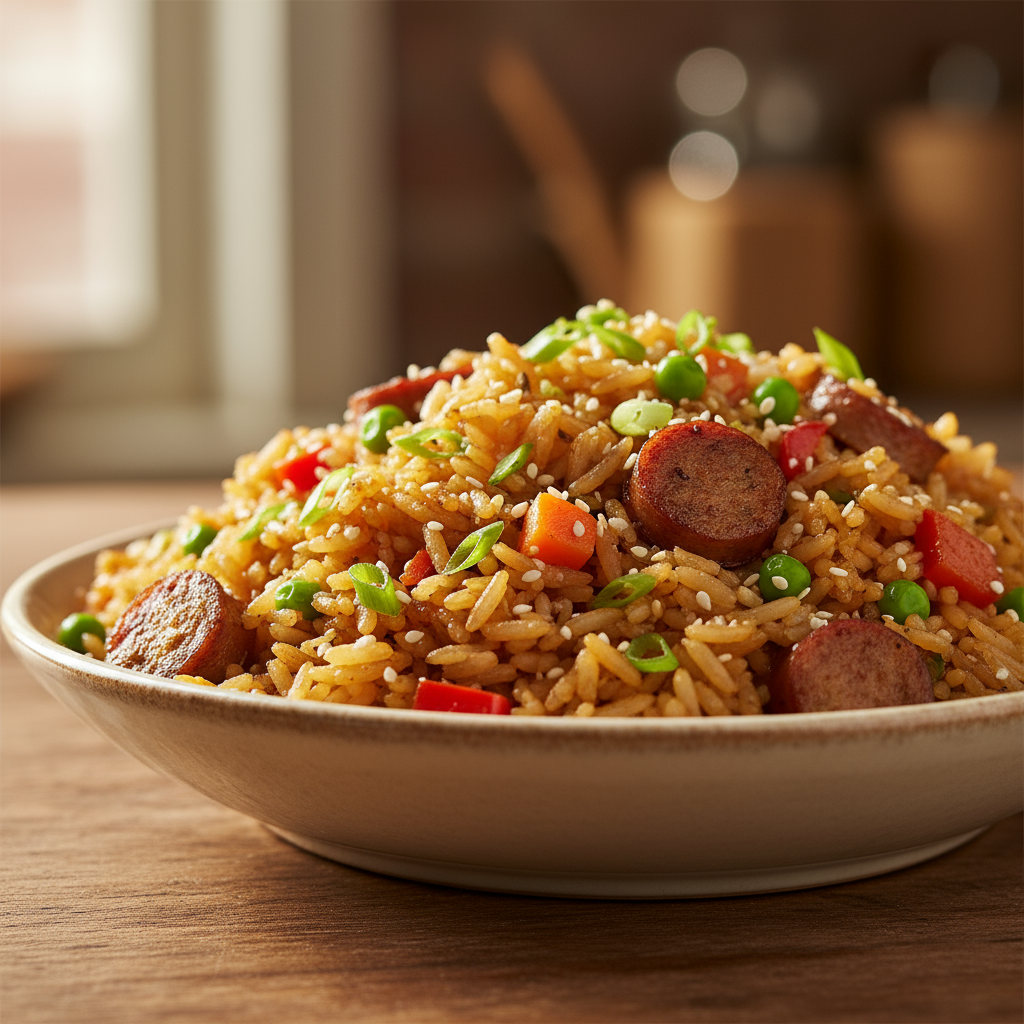
I promise a plate of stir-fried rice that is more than a consolation prize, it is a repeatable weekday winner I make when Molly visits and when friends drop by, and my method puts eggless fried rice on par with the versions I grew up loving. I focus on grain texture, high surface heat, and umami layering so you get crisp-edged grains and deep savory notes every time.
- Texture target: separated, slightly chewy grains with bronzed edges
- Reliable swap/tool: firm tofu or a savory scramble to replace egg silkiness
- Make-ahead: chill rice so it firms up and fries cleanly
Table of Contents
Table of Contents
Perfect Eggless Fried Rice
A flavorful, customizable fried rice recipe without eggs that delivers authentic texture and taste using simple pantry staples.
PREP TIME
5 mins
5 mins
COOK TIME
10 mins
10 mins
TOTAL TIME
15 mins
15 mins
Servings: 2 servings
Course: Snack
Cuisine: Asian-inspired
Calories: 220
🥄 Ingredients
- 1 teaspoon vegetable oil (5 ml)
- 1/4 cup diced plant-based sausage (30 g)
- 1 teaspoon butter (5 g) or vegan alternative
- 1 garlic clove, minced (about 1 teaspoon)
- 1/2 teaspoon grated ginger
- 2 tablespoons diced onion (20 g) or green onion whites
- 1/4 cup frozen mixed vegetables (35 g)
- 3/4 cup cooked cold rice (150 g)
- 2 teaspoons soy sauce (10 ml)
- 1 teaspoon oyster sauce (5 ml) or vegan alternative
- 1/4 teaspoon sesame oil (1.25 ml)
- 1 teaspoon sesame seeds (3 g)
- 2 tablespoons chopped green onion greens (10 g)
👩🍳 Method
- Heat vegetable oil in skillet over medium-high heat. Add plant-based sausage and cook until browned and crispy, about 2-3 minutes. Remove and set aside.
- Melt butter in the same skillet. Add garlic, ginger, and onion. Saute for 2 minutes until fragrant and lightly browned.
- Add frozen vegetables and cook for 1 minute until thawed.
- Add cold rice, breaking up any clumps. Pour soy sauce and oyster sauce over rice. Mix thoroughly to combine.
- Cook without stirring for 2-3 minutes until rice starts to crisp on bottom. Stir and cook another 2 minutes.
- Remove from heat. Drizzle with sesame oil and stir in reserved sausage. Garnish with sesame seeds and green onion greens. Serve immediately.
Notes: Rice should be cold and day-old for best results. The finished rice should be slightly crispy with separated grains. Store leftovers in airtight container for up to 3 days.
Why This Egg-Free Version Works
I developed this approach through years of trial and error in my little kitchen in Castleton, balancing moisture, heat, and aromatics until results were consistent. I narrate the science simply so you trust each step: starting with cold rice reduces surface starch, a hot flat pan creates those sought-after bronzed edges, and a focused sequence of aromatics and sauces builds umami without relying on egg. Method overview: briefly, cook and cool rice until firm, prepare a protein or egg alternative, heat the pan until almost smoking, then toss rice with aromatics and seasoning in short, high-heat bursts to sear and separate grains.
Early failures taught me to think in layers. Once, I tried a soft tofu blitz straight into the wok and ended with a clumpy, gluey mass that tasted flat. That flop pushed me to experiment with pressing tofu, seasoning it beforehand, and mastering pan temperature, changes that turned the recipe into a consistent success on subsequent tries. Those wins after many failures are why I trust this method enough to teach it here and on NoEggRecipes.com.
Ingredient Notes & Substitutions
I avoid listing quantities here, but I will describe the reasoning behind common swaps so you can adapt the dish with confidence. If you want a chewy, separate-grain result, use day-old rice or rice that has been cooled until firm. Short grain will be more cohesive, while long grain stays distinct and fluffy. For texture where egg would usually be, a firm tofu scramble, small diced tempeh, or even a quick stir-fry of mushrooms provide bite and absorb seasoning. For silkiness, small amount of aquafaba or a light nutritional yeast slurry can mimic that savory mouthfeel without using eggs.
Salt and umami are key. When I replaced fish sauce with a vegan alternative for a plant-based dinner for Molly, I increased toasted sesame oil and added a splash of tamari for depth. Garlic and scallion timing matters too; add minced garlic early with oil to flavor the fat, but reserve delicate scallion whites and greens for finishing so they keep color and bite. If you need a gluten-free option, choose a tamari labeled gluten-free instead of soy sauce, and swap any processed sauces that may contain wheat.
Essential Equipment for Perfect Fried Rice
Good technique starts with simple tools. A heavy-bottomed skillet or a seasoned wok gives stable high heat and even searing. A thin metal spatula or a flat turner helps scrape and separate grains without crushing them. While a commercial wok burner is nice, I rely on a gas range and a roomy pan to keep rice moving so it sears rather than steams. A fine-mesh sieve to rinse rice, a wooden spoon to press tofu, and a bowl for cooling rice are small investments that paid for themselves after my early disasters where rice clumped or proteins turned rubbery.
Over years of testing I learned to judge pan readiness by oil behavior: the oil should shimmer and move freely but not smoke continuously, then you add ingredients in quick, controlled bursts. I also keep a towel nearby to mop up any small spills; it keeps my Castleton kitchen tidy and my head clear when timing the quick sear steps.
Pro Tips & Troubleshooting
I have a list of practical tips I return to after every iteration, because they solve the same recurring problems I ran into when Molly was first diagnosed and I had to rework family favorites. One consistent issue was soggy rice. The fix was always the same, cool the rice until firm and use a very hot pan. Another recurring problem was blandness when I removed egg from a recipe. My solution was layering umami: browned shallots or onions, a touch of toasted sesame oil off heat, and a judicious sprinkle of nutritional yeast or mushroom powder when appropriate.
If your rice is sticking and turning gluey, resist the temptation to add large amounts of oil. Instead, raise the heat and work in smaller batches so each grain has room to contact the pan and sear. If your tofu scramble becomes dry or crumbly, press the tofu before crumbling and toss it in a splash of soy style sauce before it hits the pan so it absorbs seasoning. Burned bits mean the pan was too hot or you left aromatics in too long; in that case lower the heat slightly and add rice in stages.
When I debug recipes now, I write down one change per trial and record smell, color, and mouthfeel. The ideal finished plate should smell toasty and savory with a hint of toasted oil, look glossy with individual grains showing light bronze on some edges, and feel pleasantly chewy not gummy. These sensory checks come from practice not theory, which is why I trust them in the moment.
Variations & Flavor Twists
After many successful runs, I built a small catalogue of variations that keep the core technique while changing flavor profiles. A simple vegetable-forward version benefits from a mix of colorful veg that you cook until just tender then fold in. For a richer, restaurant-style plate, I brown small pieces of marinated chicken or cubed pork separately and finish by tossing them through the rice to reheat. If you are aiming for something closer to a southern Chinese take, adjust aromatics and add a splash of light soy style sauce with a hint of sugar for balance.
I like experimenting with regional notes. A Southeast Asian twist uses lime and fresh herbs at the end, while a Japanese-inspired plate leans on toasted sesame and a little mirin alternative for brightness. For quick weeknight dinners, stir in frozen peas, diced carrots, and pre-pressed tofu to make a fast, balanced meal. These adaptation experiments let you make a reliable homemade fried rice or a colorful vegetable fried rice with confidence, so you can keep the method and rotate flavors depending on what is in your pantry.
Serving & Storage Instructions
Serve the finished dish hot from the pan so you enjoy the contrast between warm grains and crisped edges. I like to finish with fresh scallion greens and a light drizzle of toasted sesame oil off heat for aroma. For family meals in Castleton, I spoon the rice into a wide bowl so the textures remain visible and everyone can take what they like.
To store, cool the rice quickly by spreading it thin on a tray then refrigerate in an airtight container. When reheating, use a hot pan and a splash of oil or water to steam briefly, stirring to re-separate grains. For small portions, the microwave works in a pinch, but you lose some of the crisp textures. Leftovers keep well and make a reliable next-day lunch or base for wraps and bowls.
Dietary Adaptations & Allergen Notes
Molly’s egg allergy is why I developed these recipes, so allergen-aware adaptations are central to my approach. The core is flexible: you can swap soy sauce for a gluten-free tamari, replace seafood-derived sauces with mushroom-based umami, and turn to plant proteins instead of animal ones. For dairy-free households, avoid buttery finishes and choose neutral oils or toasted sesame oil sparingly for flavor rather than fat.
If nut allergies are a concern, omit any garnishes that include nuts and use sunflower seed butter alternatives for recipes that call for a creamy finish. Always label containers when storing leftovers so family members with allergies can easily identify safe dishes. My kitchen rituals now include a quick wipe of work surfaces after handling allergens and separate utensils when testing new swaps, habits born of the early days when mistakes taught me to be meticulous for Molly’s safety.
Common Mistakes to Avoid
When I teach friends how to make this dish, the mistakes I see most are classic and easy to fix. The first is adding wet rice straight from the cooker; this yields clumping and gummy texture. The second is crowding the pan, which causes steaming instead of searing. Cook in batches if needed. Third, over-seasoning early in the process can mask final flavors; season in stages and taste as you go.
Another frequent error is treating egg substitutes as if they behave identically to egg. Aquafaba and nut-based alternatives alter moisture and browning, so adjust heat and timing accordingly. Finally, do not rush the aromatics – light browning builds flavor, but burnt garlic or shallots ruin the dish. I learned all of these through messy attempts, and the fixes are simple once you know them.
Cost-Effective Cooking Tips
One of the joys of this recipe is how economical it can be. Use leftover rice from a previous meal, utilize frozen vegetables, and make a large batch of seasoned tofu or tempeh to portion across several dinners. Buying whole blocks of firm tofu and pressing it yourself is far cheaper than pre-seasoned packets, and a small amount of concentrated flavors like toasted sesame oil or a good liquid seasoning goes a long way.
I also recommend keeping pantry staples – garlic, ginger, scallions, soy style sauce, and a neutral oil – on hand so a flavorful meal comes together quickly. When I lived on a tighter budget, I learned to stretch a small amount of protein with vegetables and to use one pot to reduce cleanup, which is often the real cost people forget to count. These choices make it easy to serve tasty, inclusive meals without breaking the household budget.
Understanding Chinese Fried Rice Traditions
Fried rice has regional roots and household traditions that explain why technique matters. Classic versions celebrate contrast: separate grains, a quick high-heat toss, and a balance of savory, aromatic, and textural elements. In many home kitchens you will see leftover rice repurposed the next day; that practical origin is why yesterday rice is preferred. Eggs are common in many regional interpretations, but not universal, so a version without egg sits comfortably within tradition when it retains core principles of heat and seasoning.
I respect those traditions while adapting them for an egg-free table. Learning why certain steps exist in traditional recipes helped me translate their results into modern substitutions, so the final plate reflects both heritage and accessibility for people who cannot eat eggs.
Protein Alternatives Beyond Meat
For people avoiding meat or eggs, several stand-ins deliver satisfying protein and texture. Firm tofu, when pressed and pan-fried until edges brown, provides chew and absorbs seasonings. Tempeh gives a nuttier bite and holds up well to high heat. Sliced mushrooms, especially varieties with robust umami like shiitake, provide meaty texture when caramelized. For quick protein boosts, shelled edamame or roasted chickpeas add both nutrition and contrast.
My go-to technique is to season and sear the protein separately, so it develops color and caramelization, then fold it into the rice at the end to warm through. Those finishing seconds preserve texture and ensure the protein carries flavor instead of diluting the dish.
Conclusion
After many kitchen experiments at my cottage in Castleton, this method became my dependable route to delicious egg-free fried rice that friends and family ask for again and again. I am Elsie Marlow, and adapting recipes for Molly taught me to prioritize texture, seasoning, and heat control. With the sensory checks I describe, a little patience, and the swaps suggested here, you can make a plate of stir-fried rice that feels intentional and inclusive.
Trust the process, accept the early missteps as learning, and enjoy the variety you can coax from simple pantry staples. When in doubt, cool the rice, heat the pan, and focus on layers of umami rather than replicating every element of a dish exactly. That approach turned my failures into regular successes, and it will do the same for you.
Love this recipe? Follow us on Facebook and Pinterest and explore more creative ideas on our food blog!
Frequently Asked Questions
Can I make delicious fried rice without eggs?
Yes, you can make delicious fried rice without eggs by focusing on proper rice cooling, high heat, layered seasoning, and an egg substitute like firm tofu or a savory scramble.
What are good egg substitutes for texture and flavor?
Tofu scramble, extra vegetables, seasoned tempeh, or nutritional yeast can provide texture and savory flavor in place of egg.
Do all Chinese fried rice recipes include eggs?
No, not all regional variations include eggs; many traditional and home-style recipes omit them while relying on technique to deliver texture and flavor.
What are the best meat-free protein options?
Mushrooms, tofu, tempeh, edamame, and roasted chickpeas work well as meat substitutes, and searing them first enhances texture and umami.
Is day-old rice really better for stir-frying?
Yes, chilled day-old rice firms up so grains separate and brown instead of clumping, which is key for achieving authentic texture.
Can this method be adapted for picky eaters or allergies?
Absolutely, swapping sauces for gluten-free tamari, using nut-free alternatives, and choosing mild proteins makes the dish accessible to many diets.