No Egg Recipes – Delicious Cooking Without Eggs

Chicago Thai Food Festival: A Complete Guide to Culture, Cuisine, and Community
Discover Chicago Thai Food Festival through a trusted guide. Enjoy authentic flavors, stories, and practical tips for a memorable visit. Get Elsie's guide.

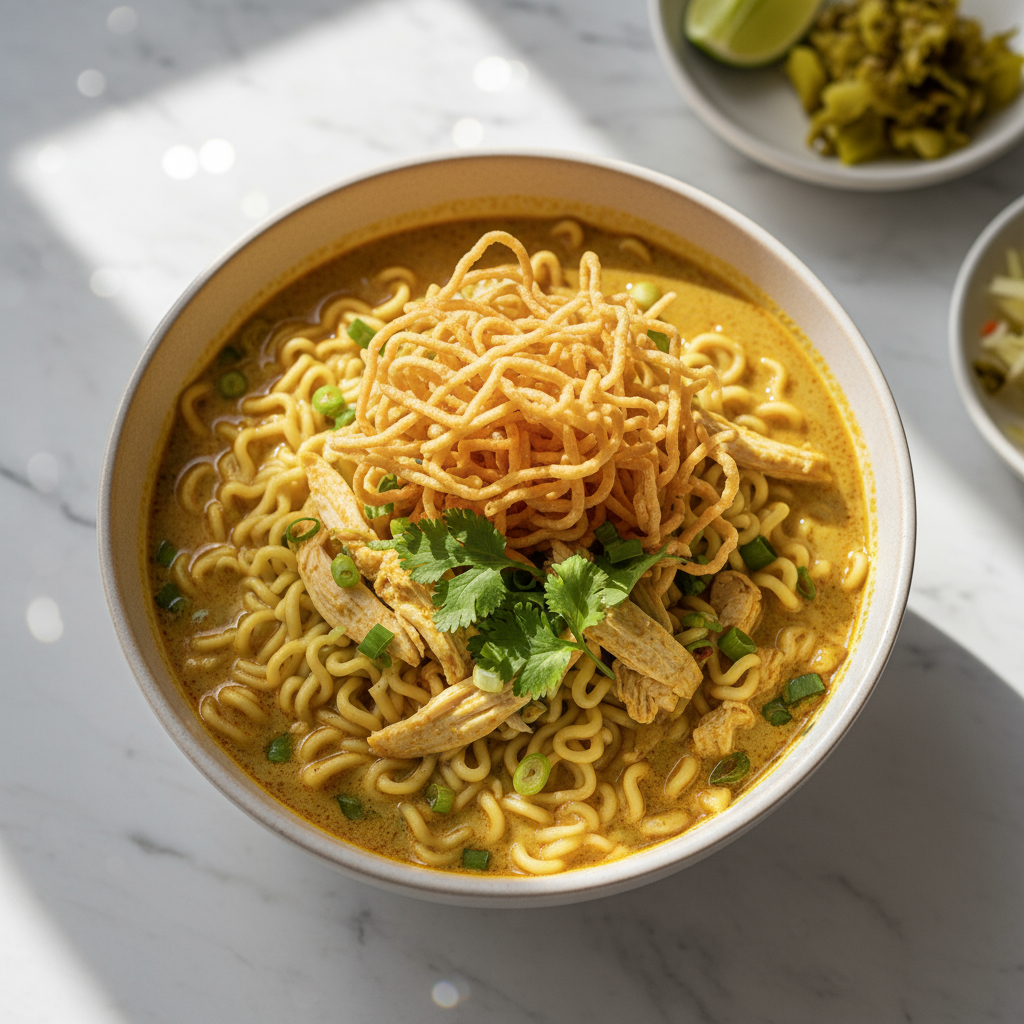
I’m Elsie Marlow, a home cook who finds the best lessons in crowded kitchens and vibrant streets, and the first time I wandered into a Chicago Thai food festival I felt like I had stepped into a story written in spice and color. In this guide, I share practical plans, sensory notes, and community context so you can enjoy the festivals with confidence and curiosity.
Table of Contents
Understanding the Chicago Thai Food Festival Scene
Chicago hosts a lively calendar of Thai cultural events that celebrate food, tradition, and community outreach. These gatherings are not just about tasting pad thai or mango sticky rice; they are a meeting point for chefs, temple groups, student associations, and local businesses who want to preserve and share Thai heritage. Over the years, I have noticed festivals grow from neighborhood pop-ups to full-day events with dozens of vendors, educational booths, and fundraising efforts for cultural centers and scholarships.
Many festivals grew from grassroots efforts by Thai community leaders and local temples, who balance authentic recipes with accessibility for a wide audience. I have learned that authenticity is visible in small details: the way vendors steam rice in bamboo baskets, the use of fresh kaffir lime leaves instead of bottled extract, and the polite, rhythmic calls of volunteers serving dishes from large woks.
The Cultural Heartbeat: What to Expect at a Thai Festival
Expect more than food. A Thai festival is a sensory patchwork of aromas, sounds, and rituals. I still remember the first time I heard the soft rhythm of traditional piphat music under a tent of lanterns, and the way coconut milk steamed on a stove smelled like comfort. Stalls offer grilled satay, spicy papaya salad, steamy boat noodles, and sweet roti. Cultural performances often include classical dance with ornate costumes, Muay Thai demonstrations, and lantern displays tied to seasonal celebrations.
Vendors often explain dishes and ingredients to curious visitors. I recommend trying small portions first so you can taste widely. Look for booths run by temples or community centers if you want recipes passed down through generations. The festival atmosphere rewards slow wandering: tasting, talking, and learning about the stories behind each dish.
Planning Your Visit: Dates, Times, and Locations
Most Thai festivals in the Chicago area take place in late spring through early fall, when outdoor plazas and temple grounds can host large crowds. Annual highlights often happen on weekend afternoons, with family-friendly programming starting mid-morning and winding down by early evening. I always check an event’s official page or social media for the most current schedule and vendor maps before I leave, because lineups and times change from year to year.
Popular neighborhood locations have included temple grounds in the suburbs and community parks inside the city. If you want quieter moments, aim for weekday previews or early opening hours. I once arrived after lunch and found the most popular dishes sold out, so timing matters if you have your heart set on a specific vendor.
Finding Your Way: Transportation and Parking Guide
Getting to a festival can be easy if you prepare. Public transit, rideshare, and biking are often the most practical choices near busy city locations. For suburban temple events, look for organized shuttle services or free community parking offered by organizers. When I travel with my folding stroller, I always scope out entrances in advance to avoid long walks from distant lots.
If you drive, arrive early to secure nearby parking and expect volunteers to direct traffic. Many festivals set aside accessible parking and drop-off areas. For a stress-free day, consider public transit routes that stop near the venue, or carpool with friends to share parking and carry-away containers for leftovers. Bring comfortable shoes and a small cooler if you plan to bring food home for later.
Beyond the Plate: Activities and Cultural Performances
Thai festivals are rich with activities that showcase culture in ways food alone cannot. Look for dance performances, poetry readings, traditional music, and martial arts displays. I love watching classical dances because the gestures are like a language, each small movement telling a story. Workshops often teach simple crafts like flower garland making or how to fold banana leaves for presentation.
Children’s activities typically include games and interactive demos that introduce Thai customs in playful ways. Educational booths often explain Buddhist holidays, Thai history, and community services. I once joined a short cooking demo where a chef taught me to balance sweet, salty, sour, and spicy in a simple dressing, and that little lesson changed how I approach salads in my own kitchen.
Supporting the Community: The Impact of Thai Festivals
These festivals do important cultural and economic work. They raise funds for temples, cultural schools, and local nonprofits, provide income and publicity for small food businesses, and create a welcoming space for Thai Americans to share heritage. From my experience volunteering at booths, I saw how proceeds support scholarships and care programs, and how volunteers gain leadership experience through event organization.
Attending respectfully helps the community thrive. Buy directly from family-run vendors, listen to performers, and consider donating if there is a suggested contribution. I find that asking a vendor about their family recipe opens conversations that are as nourishing as the meal itself.
Insider Tips For an Unforgettable Festival Experience
Plan to taste widely and arrive hungry, but bring cash for smaller vendors who may not accept cards. Wear comfortable layers, since outdoor weather can change quickly. I learned the hard way to carry small wet wipes and a resealable bag for trash; volunteers appreciate people who keep the area tidy. If you want signature dishes without long lines, scout the vendor map early and ask when they restock.
For photography, ask permission before photographing performers or vendor families. If you have dietary restrictions, talk to the vendor about ingredients; many are happy to explain whether a dish contains peanuts, fish sauce, or dairy. Bring a reusable container if you plan to take leftovers home, and consider arriving mid-afternoon if you prefer a less crowded experience.
Conclusion
Thai festivals are joyful, communal celebrations that blend food with ritual, art, and social purpose. I encourage you to go with curiosity, sample boldly, and engage with vendors and performers. Beyond the delicious plates, there is meaningful community work and cultural exchange that will leave you with new flavors, new friends, and a deeper appreciation of Thai traditions. Pack your sense of adventure and a good appetite, and you will leave with memories that smell of coconut milk and fresh herbs.
Author note: I write from hands-on experience attending and volunteering at local events, and I value the way small gestures like asking about a recipe or donating to a cause can support this vibrant cultural scene.
Love this recipe? Follow us on Facebook and Pinterest and explore more creative ideas on our food blog!
Frequently Asked Questions
What makes Thai food festivals in Chicago unique?
They combine authentic family recipes with cultural performances and community fundraising, offering more than street food. I have noticed temple groups and student clubs bring historic recipes and traditional arts that make each event both tasty and educational.
Where can I find authentic Thai food vendors at these festivals?
Look for stalls run by temples, family businesses, and community groups. Those booths often feature recipes passed down through generations and the freshest ingredients, and vendors are usually happy to talk about their dishes.
Are there cultural performances and activities beyond food at Chicago Thai festivals?
Yes, expect classical dance, traditional music, Muay Thai demonstrations, craft workshops, and children’s activities that explain customs. I recommend arriving early to catch performances and short workshops.
What is the best way to get to Thai food festivals and where should I park?
Public transit, rideshare, and biking work best for city locations. For suburban temple events, organizers often provide parking or shuttles. If you drive, arrive early to find convenient parking and accessible drop off areas.
How do Thai food festivals contribute to the Chicago community?
They raise funds for cultural centers and scholarships, support small businesses, and strengthen cultural identity. From volunteering, I have seen proceeds support local programs and create leadership opportunities for community members.