No Egg Recipes – Delicious Cooking Without Eggs

Peanut butter oatmeal cookies: Perfect soft-chewy, egg-free comfort
Peanut butter oatmeal cookies deliver soft-chewy, egg-free comfort tested in a home kitchen with simple swaps and reliable results. Get Elsie's trusted method.

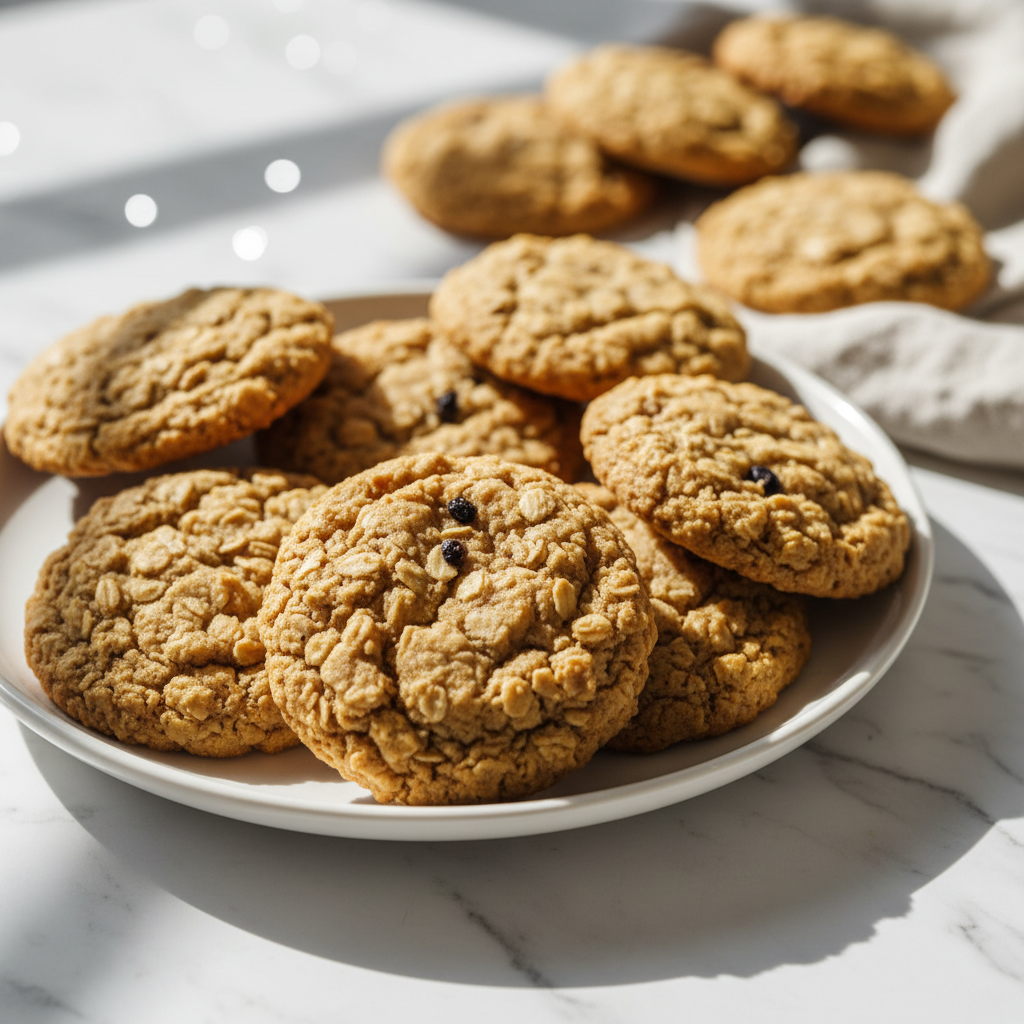
I’m Elsie, a home cook whose daughter Molly’s egg allergy pushed me to get creative in the kitchen. I fell in love with a recipe that delivers warm, peanutty comfort every time, and that is why I share these Peanut butter oatmeal cookies with you. In this post, I walk you through the texture cues I look for, the simple swaps that keep the cookies egg-free, and the small steps that make the difference between dry disks and soft-chewy, comforting treats.
Table of Contents
Table of Contents
Soft and Chewy Peanut Butter Oatmeal Cookies
Indulge in the perfect combination of creamy peanut butter and hearty oats with these incredibly soft and chewy cookies. This easy-to-follow recipe guarantees a delightful treat that's ideal for snacking, sharing, or satisfying any sweet craving.
PREP TIME
15 mins
15 mins
COOK TIME
10 mins
10 mins
TOTAL TIME
25 mins
25 mins
Servings: 18 cookies
Course: Snack
Cuisine: American
Calories: 174
🥄 Ingredients
- 1½ cups (135 grams) old fashioned oats
- ½ cup (60 grams) all-purpose flour
- ½ teaspoon (2.5 grams) baking soda
- ¼ teaspoon (1.5 grams) salt
- ½ teaspoon (1 gram) ground cinnamon
- ½ cup (113 grams) unsalted butter, at room temperature
- ½ cup (128 grams) creamy peanut butter (such as JIF or Skippy, not natural peanut butter)
- ½ cup (100 grams) granulated sugar
- ½ cup (110 grams) light brown sugar, packed
- 1 large egg, at room temperature
- 1 teaspoon (5 ml) vanilla extract
👩🍳 Method
- Preheat your oven to 350°F (175°C). Line two large baking sheets with Silpat baking mats or parchment paper. Set aside.
- In a medium bowl, whisk together the old-fashioned oats, all-purpose flour, baking soda, salt, and ground cinnamon. Set aside.
- Using an electric mixer set to medium speed, beat the softened unsalted butter, creamy peanut butter, granulated sugar, and light brown sugar together until the mixture is creamy, which should take about 2 minutes.
- Beat in the large egg and vanilla extract until well combined with the peanut butter mixture.
- Reduce the mixer speed to low and gradually add the dry oat mixture into the wet ingredients. Mix until the dry ingredients are just combined and no streaks of flour remain, being careful not to overmix.
- Scoop the cookie dough into 1½ to 2-tablespoon (30-40 gram) round balls and place them on the prepared baking sheets, ensuring to leave about 2 inches (5 cm) of space between each cookie for spreading.
- Bake for 10-12 minutes, or until the edges of the cookies are lightly browned but the centers still appear soft and slightly underbaked. This ensures a wonderfully chewy cookie.
- Remove the cookies from the oven and let them cool on the baking sheets for about 5 minutes. This allows them to set before moving.
- Carefully transfer the cooled cookies to a wire rack to cool completely before serving or storing.
Notes: For the best texture, use old-fashioned oats and avoid overbaking. Cookies are done when the edges are lightly browned but the centers are still soft; they will firm up as they cool. Store in an airtight container at room temperature for up to 4 days, or freeze for up to one month.
Why This Recipe Works
Great cookies are about balance: moisture from plant-based butter and creamy peanut butter, structure from all-purpose flour and rolled oats, and lift from baking soda. Light brown sugar keeps the crumb tender and adds a hint of caramel that plays beautifully with vanilla. I designed this recipe to favor a soft center and slightly set edges, so the cookies continue to firm as they cool. I also prioritize practical techniques that anyone can reproduce at home. For example, creaming the butter and sugars until pale traps tiny air pockets that contribute to a tender crumb, and folding in the oats at the end preserves their texture so each bite has that satisfying chew.
I recommend documenting your process with original photos, not just the final plate, so you can see how the dough looks at each stage. Those images are the best proof that a recipe was tested, and they help you replicate success the next time.
Ingredient Notes & Substitutions
I want you to feel confident about swapping things without losing the finished cookie’s character. Use unsalted plant-based butter for a clean fat profile, and if your butter is very soft, chill the dough briefly before baking to keep the cookies from spreading too thin. Granulated sugar provides crispness while light brown sugar adds moisture and chewiness, so I recommend keeping both if you can.
For those avoiding eggs, a plant-based egg such as aquafaba mixed with a little oil gives lift and helps bind the dough, and it is the egg-free solution I developed while feeding Molly. Creamy peanut butter contributes both flavor and structure; if you need a peanut-free option, a seed butter like sunflower spread will work, but may alter color and taste.
Use all-purpose flour for dependable structure; to go gluten-free, substitute a 1-to-1 gluten-free all-purpose blend that contains xanthan gum. Baking soda is the leavener that produces a gentle rise and helps the edges brown, while a small amount of salt brightens the flavors. Rolled oats are central to texture and heartiness, and if you are aiming for certified gluten-free baking, choose oats labeled gluten-free. Vanilla extract rounds out the flavor, and I always recommend using a good-quality pure vanilla for the best aroma.
Equipment Notes
You do not need fancy tools to make these cookies, but a few basics make the process smoother. A large mixing bowl and a sturdy spoon or spatula are fine for small batches, while an electric mixer speeds up creaming for larger batches. Use baking sheets lined with parchment paper or silicone baking mats to prevent sticking and to encourage even browning. A cookie scoop gives a consistent portion size, and a wire rack ensures the cookies cool evenly. An oven thermometer is a small but helpful investment, since an accurate oven temperature prevents overeager browning that can dry cookies out.
Method Overview: The method is straightforward – cream butter and sugars until light, incorporate the plant-based egg substitute, peanut butter, and vanilla, gently mix in the dry ingredients, fold in the oats, portion the dough, and bake until edges are lightly golden while centers remain soft. I keep this description intentionally brief here to focus on technique rather than step-by-step numbers.
Peanut Butter Oatmeal Cookies Are a Wholesome Delight
These cookies feel like a hug in pastry form. They combine the nutty richness of creamy peanut butter with the whole-grain chew of rolled oats to deliver both comfort and substance. If you are thinking about healthier dessert options, oatmeal peanut butter cookies are a reasonable search to make, because this recipe can be adapted to emphasize whole ingredients without sacrificing indulgence. Using rolled oats and a mix of sugars gives a more balanced glycemic response than ultra-refined treats, and adding mix-ins like chopped nuts or dark chocolate in moderation can add protein and antioxidants.
I often bring a batch to school events or neighborhood gatherings because they travel well and please people who want something familiar yet slightly more wholesome. For those tracking calories or macros, one cookie is a satisfying portion that pairs well with a cup of tea or a glass of plant-based milk.
What Makes a Delicious Cowboy Cookie
Cowboy cookies are famously loaded cookies with oats, chocolate, and nuts, and while my peanut-forward version shares the chewy oat base, cowboy cookies ingredients typically include rolled oats, chocolate chips, shredded coconut, and pecans. The main difference with my peanut and oat cookies is the focus on peanut butter as a primary flavoring and a simpler ingredient list that highlights peanut and oat textures. If you want to riff toward a cowboy-style cookie, fold in vegan chocolate chips, a handful of shredded coconut, and chopped pecans or walnuts at the same stage you add oats. That riff turns a gentle, soft-chewy cookie into a bolder, textural powerhouse, so adjust sugar and salt to taste when you add more mix-ins.
Mastering Your Oatmeal Cookies: Avoiding Common Errors
I’ve learned from many batches that small errors compound quickly. One of the most frequent problems is overbaking. Cookies often look underdone in the center when they are actually finished, so pull them while the centers still look slightly soft, because they continue to set as they cool. Another common mistake is overmixing once the flour is added, which develops gluten and leads to tough cookies; mix just until combined.
Using quick oats instead of rolled oats can result in a softer, less toothy texture, so stick with rolled oats for chew. Measuring flour by scooping with the cup can pack too much into the cup and make a dry dough. Instead, spoon the flour into the measuring cup and level it off, or better yet, weigh the flour for accuracy.
Temperature issues matter too. If your plant-based butter is too warm, the cookies will spread thin; if it is too cold, they will not cream properly and the texture will be dense. Finally, salt is not optional; a pinch balances sweetness and elevates peanut flavor. Paying attention to these details helps you avoid the classic common oatmeal cookie mistakes home bakers make, and the cookies will reward you with consistent, soft-chewy results.
Troubleshooting for Perfect Peanut Butter Cookies
If your cookies spread too much, chill the dough briefly and check that the butter is not overly soft.
Serving & Storage
Serve these cookies slightly warm for peak comfort, or let them cool to room temperature and store them for easy snacking. Layer them with parchment in an airtight container to prevent sticking, and if you want to keep a batch longer, freeze the baked cookies on a tray first, then transfer them to a freezer-safe bag for make-ahead treats. For gifting, a simple box with tissue looks homey and inviting. Reheat frozen cookies briefly in a low oven to restore that fresh-baked softness.
Conclusion
These peanut-forward, oat-studded cookies are my go-to when I want something both comforting and reliably soft-chewy. I test every tweak in my busy kitchen in Castleton, often with Molly at my elbow watching for spills, and I trust the texture cues I described so you can replicate this success. If you bake once with attention to butter temperature, proper flour measurement, and the feel of the dough, you will be rewarded with warm, tender cookies that keep well and please a crowd. I hope these tips and the egg-free options I describe help you feel confident. Happy baking from my kitchen to yours.
Love this recipe? Follow us on Facebook and Pinterest and explore more creative ideas on our food blog!
Frequently Asked Questions
Are peanut butter oatmeal cookies a good option for a healthier treat?
Yes, when you use rolled oats, control portion size, and make modest swaps like partial brown sugar you get a cookie that offers whole-grain chew and protein from peanut butter, making it a more balanced treat than many ultra-processed alternatives.
What are the typical components of a ‘Cowboy Cookie’ and how do they differ from a standard peanut butter oatmeal cookie?
Cowboy cookies usually include rolled oats, chocolate chips, shredded coconut, and chopped nuts, creating a denser, more textural cookie. A standard peanut butter oatmeal cookie focuses on peanut flavor and a simpler oat base, so to move toward cowboy style add chocolate, coconut, and nuts at the oat stage.
What are the most frequent blunders bakers make when preparing oatmeal cookies, and how can they be avoided?
The biggest mistakes are overbaking, overmixing after adding flour, and incorrect flour measurement. Avoid them by pulling cookies when centers are still soft, mixing until just combined, and weighing flour or spooning and leveling when measuring.
What common errors should I watch out for when baking peanut butter cookies to ensure they turn out perfectly?
Watch butter temperature, avoid over-creaming, and use fresh leavening. If dough is too warm the cookies will spread, and if baking soda is stale the cookies may not rise properly. Adjust sugar balance if cookies feel dry or crumbly.
How do I achieve a soft and chewy texture in my peanut butter oatmeal cookies?
Use a mix of granulated and light brown sugar, do not overmix the dough, fold oats in at the end, and remove cookies from the oven while centers still look slightly underdone so they set as they cool for that ideal soft-chewy bite.