No Egg Recipes – Delicious Cooking Without Eggs

Edible eggless cookie dough: The ultimate safe-to-eat, customizable guide
Edible eggless cookie dough that's safe and reliable, tested in a home kitchen with heat-treated flour and swaps for allergies. Discover the recipe today.

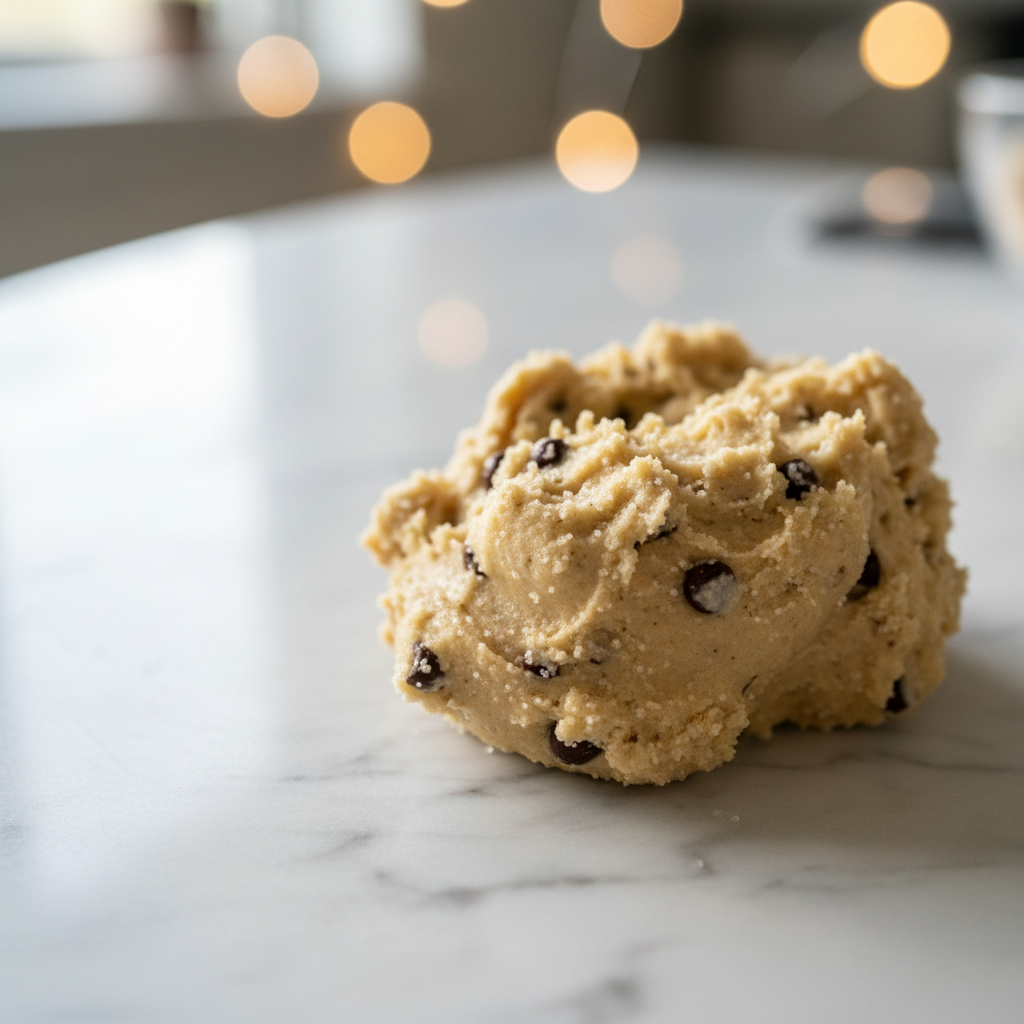
I’m Elsie Marlow, a home cook whose daughter Molly’s egg allergy set me on a mission to make every sweet treat safe and welcoming. I want to share a fail-safe, decadent batch of edible eggless cookie dough that I make when friends drop by, when Molly wants a midnight spoonful, and when I need a quick, comforting pick-me-up. This eggless recipe balances creamy butter, tender heat-treated flour, and a hit of chocolate so you get that familiar cookie-dough nostalgia without worry.
Table of Contents
Table of Contents
Elsie Marlow
Ultimate Eggless Edible Cookie Dough
Indulge in the irresistible joy of safe, homemade eggless edible cookie dough! This comprehensive recipe guides you through creating a perfectly smooth, rich, and customizable treat that's ideal for snacking straight from the bowl or incorporating into other desserts. With detailed instructions on heat-treating flour and numerous substitution options, everyone can enjoy this classic comfort food without worry.
PREP TIME
10 mins
10 mins
COOK TIME
10 mins
10 mins
TOTAL TIME
20 mins
20 mins
Servings: Approximately 2.5 cups (400g) or 8 servings
Course: Snack
Cuisine: American
Calories: 145
🥄 Ingredients
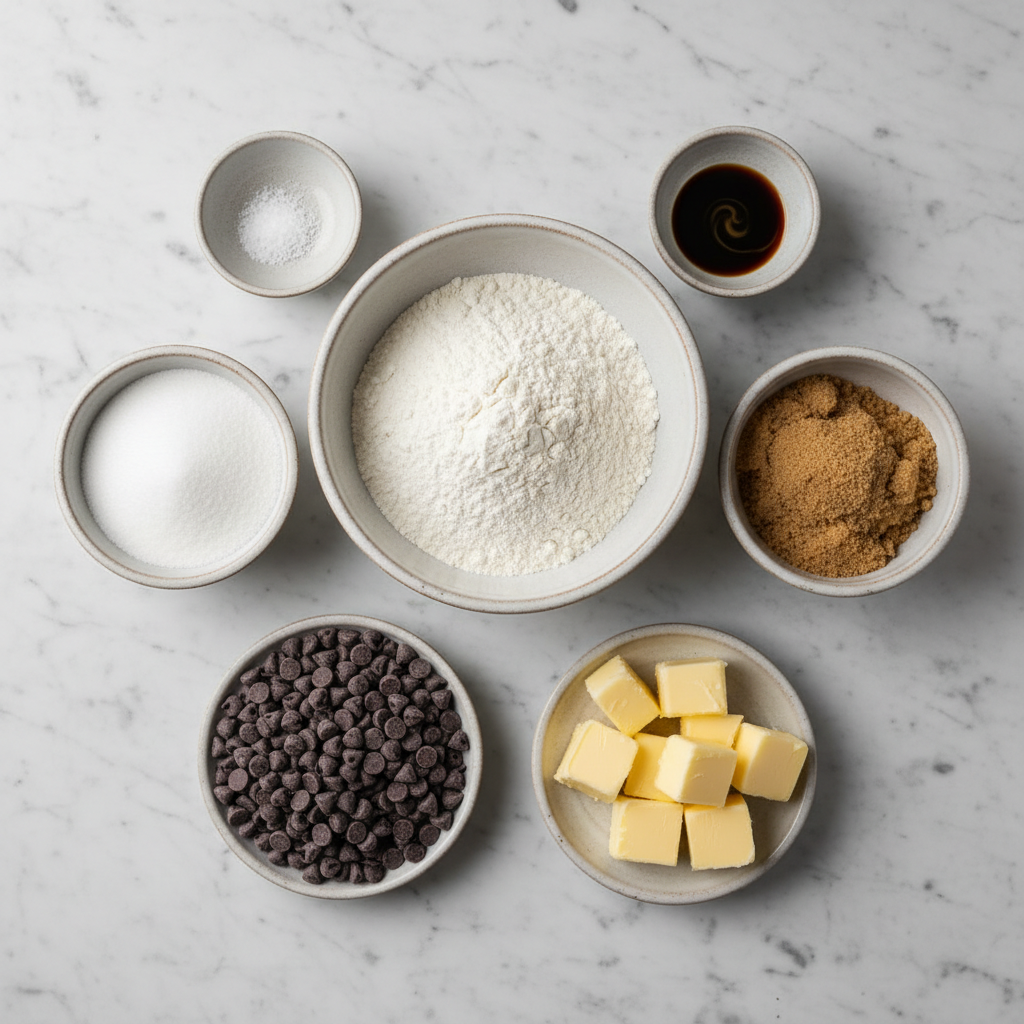
- ½ cup (113 grams) unsalted butter, softened
- ½ cup (100 grams) granulated sugar
- ½ cup (107 grams) light brown sugar, packed
- 3-4 tablespoons (45-60 ml) whole milk
- 1 teaspoon (5 ml) pure vanilla extract
- 1 ½ cups (180 grams) all-purpose flour, heat treated*
- ½ teaspoon baking soda
- ¼ teaspoon baking powder
- ½ teaspoon sea salt
- ½ cup (85 grams) mini chocolate chips
👩🍳 Method
- First, prepare your all-purpose flour by heat-treating it using either the oven or microwave method described in the notes section. Allow the flour to cool completely before proceeding with the recipe.
- In a small bowl, combine the cooled, heat-treated flour, baking soda, baking powder, and sea salt. Whisk these dry ingredients together thoroughly and set aside.
- In a medium-sized mixing bowl, using a hand-held or stand mixer, cream together the softened unsalted butter, granulated sugar, and packed light brown sugar until the mixture is light, fluffy, and well combined, which typically takes about 60 seconds. Start on low speed to avoid a mess, then increase as ingredients begin to incorporate.
- Add 3 tablespoons (45 ml) of whole milk and the pure vanilla extract to the creamed mixture. Beat on medium speed until these wet ingredients are fully combined.
- Gradually add the reserved dry ingredients to the wet mixture. Begin mixing on low speed and then increase to medium-high until all ingredients are just combined. The dough may appear crumbly at this stage.
- If the dough seems too crumbly or dry, add an additional 1 tablespoon (15 ml) of whole milk, mixing until your desired consistency is reached. The dough should come together when pressed.
- Fold in the mini chocolate chips with a spoon or spatula until they are evenly distributed throughout the dough. If using a hand-held mixer, the dough might still look crumbly; simply press it together with your hands to form a ball, and it will stick nicely.
- Enjoy your edible eggless cookie dough immediately, or refrigerate it in an airtight container for later.
Notes: *How to heat treat flour:
1. Bake it: Preheat your oven to 350°F (175°C) and spread the flour evenly on a large baking sheet. Bake for 5-10 minutes or until the temperature reaches 160°F (71°C). Let cool completely before using.
2. Microwave it: Place the flour in a microwave-safe bowl and heat it on high for 60-65 seconds, stirring every 20 seconds, or until it reaches 160°F (71°C). Let cool completely before using.
Store edible cookie dough in an airtight container in the refrigerator for up to 5 days, or in the freezer for up to 2 months. You can store it in one portion or roll it into individual balls.
Ingredient Notes & Substitutions
I believe the best recipes are flexible, so I built this guide around clear swaps and sensory cues rather than strict rules. Start with softened unsalted butter for a rich mouthfeel, or use a firm vegan butter if you need dairy-free richness. For sweetness, a mix of granulated and light brown sugar gives chew and caramel notes; swap in coconut sugar for a deeper, less sweet flavor, or use a blend of granulated vegetable sugar and a touch of maple syrup if you prefer natural sweeteners.
When I first adapted this for Molly, I learned that the dough texture changes more with fat type than sugar type, so a change from butter to coconut oil may make the dough slightly looser, and you may need a splash more plant milk.
For the flour, always use heat-treated flour for safety, and if you use a 1:1 gluten-free baking flour, treat it the same way. The dough should feel tacky but not sticky; if it simply crumbles when pressed, add a teaspoon of milk or two until it holds together. If it feels overly soft and tacky, chill it briefly to firm up, then taste and adjust with a pinch more salt or a few more mix-ins.
Chocolate chips are a classic, but for dairy-free needs, choose dairy-free chips or chopped dark chocolate. If you want nut-free, skip chopped nuts and boost seeds like toasted sunflower seeds for crunch. I recommend including original photos of the process, not just the final bowl, to show texture at each step and to prove the method works in your kitchen as it did in mine.
Equipment Notes
You do not need fancy gear to make this dough. A medium mixing bowl, a sturdy spoon or spatula, and a hand mixer or stand mixer make the job faster, but I often mix by hand when I want to feel the texture. For treating flour, use a large baking sheet if you heat it in an oven setup, or a microwave-safe bowl for a microwave-based approach. A candy or instant-read thermometer can help you confirm heat-treating success, though it is not required if you follow careful heating practice.
Method overview: This recipe is a no-bake assembly of creamed fats and sugars folded into heat-treated flour with leavening and salt, finished with mix-ins. The aim is a cohesive, spoonable dough that tastes like cookie dough but never goes into the oven as-is.
Pro Tips & Troubleshooting
Over the years, I learned a few repeatable fixes for common issues. If your dough is too crumbly, it usually needs more liquid or fat. Add milk one teaspoon at a time, pressing the dough between your fingers until it binds. If the dough is too sticky, chill it for 10 to 20 minutes, or fold in a tablespoon of extra heat-treated flour at a time until it firms up while staying tender. Press the dough together with your hands to judge the final texture; it should hold a shape but still yield easily when bitten.
Salt balance matters more than most bakers admit. A small increase in salt can wake up flavors if the dough tastes flat. If you swap sugars, smell the dough at the creaming stage; caramel notes from brown sugar or molasses substitutes are a helpful cue that the flavor base is strong.
For mix-ins that bleed color or melt, chill the dough completely before combining, then fold gently. If you plan to portion dough into balls, press firmly to eliminate air pockets and keep them consistent for even chilling. If you ever worry about safety, remember that heat-treating flour and using no raw eggs are the two non-negotiable steps for a truly safe-to-eat dough.
Variations & Flavor Twists
Once you have a reliable base, small swaps unlock many directions. For a spiced version, I add warm ground cinnamon or a touch of ginger for depth. Swap mini chocolate chips for chopped toffee bits or caramelized white chocolate for a richer bite. For a nutty profile, stir in chopped toasted pecans or hazelnuts, or collapse to seed options for nut-free households.
If you want a single-serve experience, scale the base down and make an edible cookie dough recipe for one by mixing a few tablespoons of creamed fat and sugar with a spoonful of heat-treated flour and a pinch of salt, then fold in chips. For a denser, brownie-like dough, reduce the milk slightly and increase brown sugar for a chewier finish. To make a cookie dough suitable for scooping into truffles, chill the dough until firm and roll it into balls, then dip them in tempered chocolate. For a different sweet treat, try our No Egg Banana Ice Cream Recipe.
Serving & Storage
I often serve this dough straight from the bowl with spoons, or portion it into chilled balls for grab-and-go treats. For a party, place a tray of dough balls alongside a bowl of melted chocolate for dipping, or use the dough as a build-your-own sundae topper. Refrigerate dough in an airtight container for up to five days for the best texture, or freeze individual portions for up to two months. To thaw, move frozen portions to the refrigerator overnight, or set at room temperature for short periods before serving.
When storing, press a piece of plastic wrap directly onto the dough surface to minimize the formation of a dry skin. Label containers with the date so you always know freshness while sharing with guests or packing into allergy-friendly school snack boxes.
Understanding the Importance of Heat-Treated Flour
Raw flour is a raw agricultural product and can harbor bacteria from the field, so heat-treating keeps your no-bake dough safe. I always treat flour before it meets sugar and butter, and I advise others to follow the same routine. Heat treatment changes the flour from cold and powdery to dry and slightly warm, and it removes that raw, pasty flavor while preserving the structure needed for a tender dough.
There are a couple of practical ways to do this in a home kitchen using common equipment. Whatever method you choose, ensure you stir for even heating and allow the flour to cool completely before you mix it into butter and sugar. Treating flour is a small extra step that pays off in safety and flavor, and I photograph the flour before and after in my notes so I can check texture and color changes for consistency. For another simple egg-free baking project, check out our Easy, Chewy Egg-Free Granola Bars.
Making Edible Cookie Dough with Different Dietary Needs
I test every swap in my own kitchen so I can recommend changes that actually work. For gluten-free needs, choose a 1:1 gluten-free baking flour blend and treat it the same way as wheat flour; expect slightly different binding, and be ready to add a splash more milk for cohesion. Dairy-free versions work well with a firm vegan butter or chilled coconut oil; if you use coconut oil, be mindful of a subtle coconut note in the final flavor. For nut allergies, skip nuts entirely and try seeds or crunchy cereal pieces as replacements for texture.
If you follow a lower-sugar approach, reduce the granulated sugar and compensate with natural sweeteners, then taste and adjust. For vegan egg replacement in baked goods, I often use aquafaba, flaxseed gel, or silken tofu, but for this no-bake dough, you do not need an egg replacement. If someone in your household has multiple dietary restrictions, build the dough around the most restrictive requirement to avoid cross-contamination, and use dedicated utensils and containers. Ensure your kitchen is equipped for diverse needs, perhaps with a recipe like our 5-Minute Immersion Blender Mayo readily available.
Creative Ways to Enjoy Your Eggless Cookie Dough
Beyond spooning it straight from the bowl, I use this dough in so many creative ways. Swirl chunks into softened ice cream before refreezing for cookie-dough ice cream. Sandwich a dollop between two soft cookies for a decadent cookie-dough sandwich. Make truffles by rolling chilled dough into balls and coating with melted chocolate, or warm a scoop slightly and use it as a topping for warm brownies or skillet cookies. I also mash small pieces into milkshakes for a thick, nostalgic treat.
For a kid-friendly presentation, shape the dough into bite-sized balls, roll them in sprinkles, and serve on a platter with labeled picks. Adults love pairing a spoonful with a strong black coffee or an espresso martini for contrast. Each serving approach shifts texture and temperature, so experiment until you find your favorite balance of chew, cream, and chocolate. For a similar indulgent yet simple recipe, consider our Ultimate Fudgy Eggless Brownie Recipe.
Conclusion
Making safe, indulgent edible eggless cookie dough became part of our family rhythm after Molly’s allergy forced us to rethink classic treats. I want you to feel confident adapting this base to your pantry, your dietary needs, and your sweet tooth. Trust your senses – the dough should feel tacky but not sticky, smell sweet and buttery, and hold together when pressed. If you photograph your steps, note your adjustments, and share the joy with friends, I guarantee you will build your own go-to version in no time. Happy spooning, Elsie.
Love this recipe? Follow us on Facebook and Pinterest and explore more creative ideas on our food blog!
Frequently Asked Questions
Why is it important to heat treat flour for edible cookie dough?
Raw flour can contain harmful bacteria, so heat treating it reduces that risk and removes the raw flour taste. Treating the flour also improves the final texture and ensures a safer no-bake treat.
Can I use different types of flour for edible cookie dough?
Yes. You can substitute a 1:1 gluten-free baking flour for a gluten-free version, or try oat flour for a chewier texture, but always heat-treat any flour you use and adjust liquids as needed.
How long can edible eggless cookie dough be stored and how?
Store dough in an airtight container in the refrigerator for up to five days, or freeze individual portions for up to two months. Thaw in the refrigerator before serving for best texture.
What are some creative ways to serve edible cookie dough?
Serve it straight from the bowl, make cookie-dough truffles, fold into ice cream, use as a milkshake mix-in, or sandwich between cookies. Chilling or warming slightly changes texture and mouthfeel.
How can I make edible cookie dough gluten-free or dairy-free?
For gluten-free, use a 1:1 gluten-free baking flour and heat-treat it. For dairy-free, replace unsalted butter with firm vegan butter or coconut oil and use a plant-based milk. Treat flours the same way and taste-adjust for texture.
What causes cookie dough to be too crumbly or too sticky?
Crumbly dough usually needs more moisture or fat, so add milk teaspoon by teaspoon until it binds. Sticky dough often benefits from chilling or a small additional spoon of heat-treated flour to firm it up without drying it out.