No Egg Recipes – Delicious Cooking Without Eggs

Vegan Pecan Pie Bars: A Holiday Dessert Everyone Will Love
Elsie's ultimate Vegan Pecan Pie Bars are tested, loved by all, and perfect for allergies. Get 7 proven tips from years of baking. Bake a batch today!

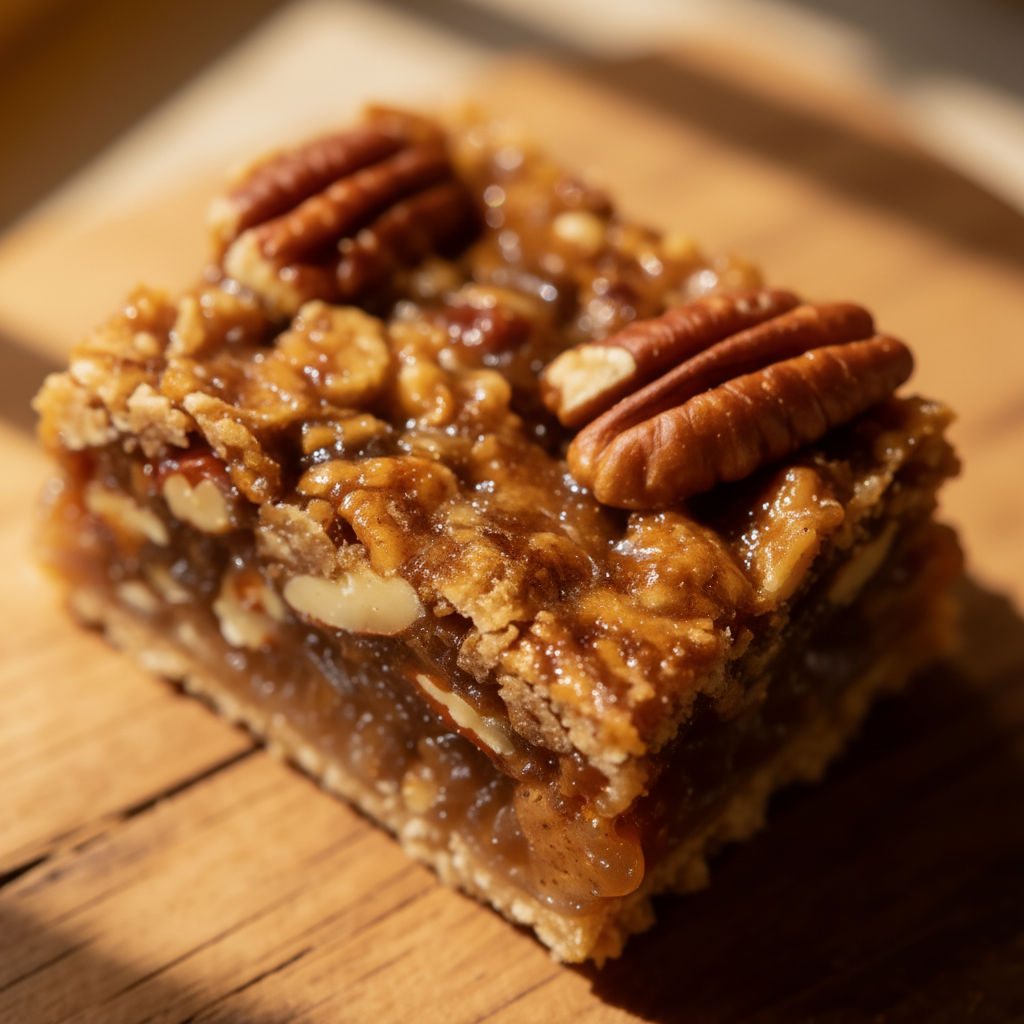
These vegan pecan pie bars have become my holiday signature after years of perfecting the recipe. When my daughter Molly was diagnosed with an egg allergy, I was determined to create plant-based versions of our favorite treats that everyone could enjoy. These vegan pecan pie bars emerged from countless kitchen experiments, delivering that perfect balance of gooey filling and buttery crust without any animal products. They’ve even won over my most skeptical relatives at holiday gatherings!
- Texture target: Buttery shortbread crust with a caramel-like filling that sets but stays slightly gooey
- Reliable swap: Coconut cream and cornstarch blend replaces eggs for perfect binding
- Make-ahead: Freeze for up to 3 months and thaw overnight for stress-free holiday desserts
Table of Contents
Easy Vegan Pecan Pie Bars
Rich, nutty, and perfectly sweet, these easy vegan pecan pie bars are a delightful plant-based twist on a classic dessert, perfect for holidays and special occasions. Featuring a buttery, flaky crust and a gooey, caramelized pecan topping.
PREP TIME
15 mins
15 mins
COOK TIME
40 mins
40 mins
TOTAL TIME
55 mins
55 mins
Servings: 20 bars
Course: Snack
Cuisine: American
Calories: 398
🥄 Ingredients
- 2.5 cups (300 g) all-purpose flour
- 0.5 cup (100 g) organic granulated sugar
- 0.5 teaspoon (3 g) salt
- 1 cup (226 g) vegan butter, melted
- 1.25 cups (250 g) organic brown sugar, packed
- 0.5 cup (120 ml) maple syrup
- 0.25 cup (56 g) vegan butter
- 0.33 cup (80 ml) full-fat coconut cream
- 0.5 teaspoon (1 g) ground cinnamon
- 0.25 teaspoon (1.5 g) salt
- 2 teaspoons (10 ml) vanilla extract
- 4 cups (400 g) finely chopped pecans
👩🍳 Method
- Preheat your oven to 350°F (175°C).
- Line the bottom of a 9 x 13 inch baking pan with parchment paper, leaving an overhang on the long sides for easy removal of the bars later.
- To prepare the crust, whisk together the all-purpose flour, organic granulated sugar, and the first measurement of salt in a large mixing bowl.
- Pour the melted vegan butter into the dry ingredients and stir until a sticky dough forms.
- Press this dough evenly into the bottom of the prepared baking pan.
- Bake the crust for 20 minutes, or until the edges are lightly browned. Keep the oven on. Carefully remove the pan and place it on a cooling rack.
- While the crust is baking, begin preparing the filling. In a small saucepan, combine the organic brown sugar, maple syrup, and the second measurement of vegan butter. Place the pot over medium heat and stir constantly until the sugar dissolves. Bring the mixture to a gentle simmer, then remove it from the heat.
- Stir in the coconut cream, ground cinnamon, the second measurement of salt, and vanilla extract. Finally, fold in the finely chopped pecans.
- Evenly spread the pecan filling over the pre-baked crust, smoothing the top as much as possible.
- Return the pan to the oven and bake for an additional 20 minutes, or until the filling appears slightly darkened and is bubbling gently.
- Once baked, place the pan back on the cooling rack and allow the bars to cool completely to room temperature. This is crucial for the filling to set.
- After the bars have cooled, run a knife along the short edges of the pan, then use the parchment paper overhang to carefully lift the entire slab of bars out of the pan.
- Cut the rich vegan pecan pie bars into squares and serve.
Notes: Allow the bars to cool completely before cutting to ensure the filling sets properly. Store leftover bars in an airtight container at room temperature for up to 3 days or in the refrigerator for up to a week. For longer storage, freeze individual bars for up to 1 month.
Why These Vegan Pecan Pie Bars are a Must-Try
After years of disappointing vegan desserts that compromised on taste or texture, I refused to settle when creating these plant-based pecan treats. The buttery shortbread base provides the perfect foundation, while the rich, caramel-like filling rivals any traditional pecan pie. What makes these bars truly special is their accessibility. Unlike traditional pecan pie which can be finnicky and time-consuming, these bars come together quickly with no special equipment needed.
I’ve brought these to countless holiday gatherings, and they’re always the first dessert to disappear from the table. Even my brother-in-law, who typically avoids anything labeled “vegan,” requests these bars every Christmas. The portable, sliceable format makes them perfect for potlucks, gift-giving, or simply enjoying with afternoon tea. They strike that perfect balance between special-occasion indulgence and practical, approachable baking.
Ingredient Notes & Smart Substitutions
The star of these dairy-free pecan bars is, of course, the pecans. I recommend using fresh, high-quality nuts for the best flavor. If your pecans have been sitting in the pantry for months, consider toasting them lightly before adding to the filling to revive their natural oils and enhance flavor.
For the vegan butter, look for stick varieties rather than tub spreads for the crust. Through much trial and error, I’ve found that stick butter substitutes have less water content, creating a more shortbread-like texture. In a pinch, refined coconut oil works well too, though the texture will be slightly different.
The filling relies on coconut cream for richness. Don’t confuse this with coconut milk – you want the thick, concentrated cream version. If you can only find coconut milk, refrigerate it overnight and scoop the solidified cream from the top. For those concerned about coconut flavor, I promise it’s virtually undetectable in the final product, masked by the strong flavors of maple syrup and vanilla.
Speaking of sweeteners, I use a combination of organic brown sugar and pure maple syrup. The molasses notes in brown sugar complement the pecans beautifully, while maple syrup adds depth without overwhelming. Date syrup makes an excellent refined sugar-free alternative if you’re avoiding conventional sugars.
Essential Equipment for Pecan Pie Bars
One of the reasons I love making these vegan pecan bars is that they require minimal specialty equipment. The most important item is a good 9×9 inch square baking pan. After several batches with less-than-perfect release, I now exclusively use a metal pan with parchment paper hanging over the edges to create handles for easy removal.
A food processor makes quick work of the crust, pulsing the ingredients into the perfect crumbly texture in seconds. However, if you don’t have one, you can achieve similar results by cutting the vegan butter into the flour mixture using two knives or a pastry cutter – it just takes a bit more elbow grease.
A heavy-bottomed saucepan is crucial for cooking the filling without scorching. When I used a thin-bottomed pan in early attempts, I ended up with burnt spots that ruined the entire batch. Now I use my enameled cast iron pot, which conducts heat evenly and gently.
For precision, a kitchen scale helps ensure consistent results, especially when measuring flour. Too much flour makes the crust dense and dry, while too little creates a crust that crumbles when sliced. If you don’t have a scale, use the spoon-and-level method for measuring flour rather than scooping directly with the measuring cup.
Pro Tips for Perfect Vegan Pecan Pie Bars
After many batches (and a few memorable failures), I’ve discovered several key techniques that make all the difference. First, chilling the crust before baking creates a more distinct layer that doesn’t merge with the filling. I learned this the hard way when early versions turned into a single amorphous layer rather than the distinct crust and filling I was aiming for.
When preparing the filling, heat it until just thickened but still pourable. My first attempts either remained too liquid or became candy-like when cooled. The perfect consistency resembles a thick maple syrup that coats the back of a spoon.
Allow the bars to cool completely before cutting – this isn’t just a suggestion, it’s essential. I once rushed this step for a dinner party and ended up with a delicious but messy pecan pie cobbler situation! I now refrigerate the bars for at least 4 hours, which ensures clean, photogenic slices.
For the most visually appealing bars, reserve about 1/3 cup of pecan halves to arrange on top of the filling before baking. This creates a beautiful surface that showcases the star ingredient. Finally, a light sprinkle of flaky sea salt just before serving enhances all the flavors and creates a professional bakery-worthy finish.
Creative Variations & Flavor Enhancements
While the classic version of these plant-based pecan bars is hard to improve upon, I’ve experimented with several delicious variations over the years. My daughter Molly’s favorite is the chocolate-drizzled version. Once the bars are completely cool, I drizzle melted dark chocolate (make sure it’s vegan) across the top in a zigzag pattern for an extra layer of indulgence.
For a festive holiday twist, I sometimes add 1/2 teaspoon of cinnamon and 1/4 teaspoon of nutmeg to the filling. The warm spices complement the pecans beautifully and add depth to the caramel notes. A splash of bourbon (about 1 tablespoon) can also be added to the filling for an adult version – the alcohol cooks out during baking, leaving just the complex flavor behind.
Don’t feel limited to pecans either. I’ve created successful variations using walnuts, or a combination of pecans and walnuts. For a truly special occasion dessert, try adding a handful of dark chocolate chips to the filling just before pouring it over the crust. The melted chocolate swirls create pockets of rich flavor throughout the bars.
For those who enjoy contrasting textures, sprinkle a light layer of rolled oats on top of the crust before adding the filling. This adds a subtle chewiness that works wonderfully with the smooth filling and crunchy nuts.
Serving Suggestions and Make-Ahead Tips
These vegan holiday desserts are remarkably versatile when it comes to serving. For casual gatherings, I simply cut them into squares and arrange them on a platter. For more elegant presentations, I cut smaller diamond shapes and dust them lightly with powdered sugar. They pair beautifully with after-dinner coffee or a glass of dessert wine.
To transform these bars into a more formal dessert, warm individual squares slightly and top with a scoop of vegan vanilla ice cream or a dollop of coconut whipped cream. The contrast of temperatures and textures makes for an impressive finale to any meal.
One of the greatest advantages of these homemade pecan bars is their make-ahead potential. The bars actually improve after a day in the refrigerator as the flavors meld and deepen. For holiday planning, I often make these up to three days in advance and store them in an airtight container in the refrigerator.
These quick vegan desserts also freeze beautifully for up to three months. I place them in a single layer on a baking sheet until frozen solid, then transfer to a container with parchment paper between layers. To serve from frozen, simply thaw overnight in the refrigerator. This has saved me countless times during busy holiday seasons when unexpected guests arrive. Nobody would ever guess they weren’t freshly made!
Common Mistakes and How to Fix Them
Even after perfecting this recipe, I occasionally hit snags, especially when baking in different kitchens during holiday visits. One common issue is a crust that’s too crumbly. This usually happens when the vegan butter isn’t cold enough or when there’s not enough moisture binding the mixture. If your crust mixture doesn’t hold together when pinched, add ice-cold water, one teaspoon at a time, until it just comes together.
On the flip side, a crust that turns out too hard or tough usually means it was overworked. I’ve learned to pulse the ingredients in the food processor just until they resemble coarse crumbs, and to press the mixture into the pan gently rather than compacting it too firmly.
For filling that won’t set properly, the most likely culprit is insufficient cooking time. The mixture needs to reach a certain temperature to activate the cornstarch’s thickening properties. Make sure it comes to a gentle bubble and thickens noticeably before removing from heat. If your bars still seem too soft after cooling completely, pop them in the freezer for 30 minutes before serving.
If your filling separates, showing a layer of oil on top, this usually means the mixture was heated too quickly or at too high a temperature. Always cook the filling over medium-low heat, stirring constantly. If separation occurs anyway, a quick blitz with an immersion blender while the mixture is still warm can sometimes rescue it.
And finally, if your pecan topping sinks into the filling, it was likely added when the filling was too hot. Let the filling cool for about 5 minutes after pouring it over the crust before arranging the decorative pecans on top.
Ensuring a Perfect Gluten-Free Option
Creating gluten-free vegan pecan bars became a necessity when my niece was diagnosed with celiac disease. After several experimental batches, I’ve found a foolproof approach to making these treats accessible to everyone. The key lies in selecting the right flour blend. Not all gluten-free flour mixes perform equally in this recipe. I’ve had the best results with blends that contain a combination of rice flour, potato starch, and tapioca starch.
When adapting the recipe for gluten-free vegan pecan bars, I always add 1/4 teaspoon of xanthan gum if the flour blend doesn’t already include it. This helps replicate the structure that gluten normally provides and prevents the crust from becoming too sandy. Another crucial modification is reducing the baking time of the crust by about 2 minutes, as gluten-free crusts tend to brown more quickly.
I’ve discovered that pressing the gluten-free crust mixture a bit more firmly into the pan helps it hold together better during slicing. For extra insurance against crumbling, chilling the baked crust for 15 minutes before adding the filling makes a significant difference.
When serving these to guests with celiac disease, I’m particularly careful about cross-contamination. I use dedicated measuring cups and thoroughly clean all utensils and surfaces. These small precautions ensure that everyone can safely enjoy these treats without worry.
Comparing Vegan Butter Options for Best Results
Finding the ideal vegan butter for these bars took considerable experimentation. After testing numerous brands across dozens of batches, I’ve developed a clear understanding of how different products affect the final result. Earth Balance sticks produce a consistently reliable crust with good flavor, while Miyoko’s cultured vegan butter creates a more “buttery” flavor profile that closely mimics traditional shortbread.
The fat content of your chosen butter substitute significantly impacts texture. Products with higher fat percentages (usually 75-80%) yield a crisper, more tender crust compared to lower-fat alternatives. I learned this lesson when a batch made with a low-fat spread resulted in a tough, cracker-like base rather than the melt-in-your-mouth texture I was seeking.
Temperature management is crucial regardless of which brand you use. The vegan butter should be cold but slightly softened – firm to the touch but yielding when pressed. Too cold, and it won’t incorporate properly; too warm, and the crust becomes greasy. I find cutting the butter into small cubes and then chilling for 10 minutes achieves the perfect consistency.
For those avoiding palm oil (present in many vegan butters), refined coconut oil can substitute effectively. The key is to use it in a semi-solid state and to add a pinch of salt to compensate for the unsalted nature of coconut oil. This creates a slightly different but equally delicious flavor profile with a wonderfully crisp texture.
Making Them Refined Sugar-Free
After my own journey toward reducing refined sugars, adapting these vegan pecan pie bars to be refined sugar-free became a personal challenge. The transformation required careful balancing of natural sweeteners to achieve the same depth of flavor and critical caramelization. Pure maple syrup forms the foundation, but using it alone resulted in bars that were too moist and didn’t set properly.
The breakthrough came when I started combining maple syrup with coconut sugar, which provides those deep caramel notes traditionally supplied by brown sugar. Date paste (made by soaking and blending medjool dates) adds thickness and richness while contributing natural sweetness. The ratio that works best is roughly 1/3 cup maple syrup, 1/4 cup coconut sugar, and 1/4 cup date paste to replace the conventional sugar quantities.
This combination requires adjusting other liquid ingredients slightly to maintain the proper consistency. I typically reduce coconut cream by about 1 tablespoon to compensate for the moisture in the date paste. The filling needs to cook a bit longer than the original version – look for it to reach a thick, spreadable consistency that coats the back of a spoon.
The natural sweeteners create a more complex flavor profile that many tasters actually prefer to the original. The subtle fruity notes from the dates complement the nuttiness of the pecans beautifully. As an added benefit, these refined sugar-free bars have a lower glycemic impact, making them a better option for those monitoring blood sugar levels while still satisfying that sweet tooth.
Conclusion
Creating these vegan pecan pie bars has been more than just developing a recipe – it’s been a journey that perfectly represents my philosophy about inclusive cooking. What started as a necessity because of my daughter’s egg allergy has transformed into one of our most treasured family traditions. Each holiday season, Molly and I stand side by side in our Castleton kitchen, measuring and mixing with the confidence that comes from years of refinement.
These bars embody everything I believe about food: that dietary restrictions should never mean compromise, that plant-based desserts can be decadently satisfying, and that the best recipes evolve through trial, error, and persistence. From perfecting the shortbread base to achieving that magical balance in the filling, each element has been thoughtfully crafted.
Whether you’re baking these for someone with allergies, serving vegan guests, or simply exploring plant-based baking, I hope these bars bring as much joy to your table as they have to ours. The greatest reward for me has been watching people’s surprise when they discover these delicious treats contain no animal products. Food should bring people together, and these vegan pecan pie bars do exactly that – one delicious bite at a time.
Love this recipe? Follow us on Facebook and Pinterest and explore more creative ideas on our food blog!
Frequently Asked Questions
How do you store vegan pecan pie bars to keep them fresh?
Store vegan pecan pie bars in an airtight container in the refrigerator for up to 5 days. Place parchment paper between layers to prevent sticking. For longer storage, freeze the bars in a single layer until solid, then transfer to a freezer-safe container with parchment between layers. They’ll keep beautifully for up to 3 months frozen. Always thaw refrigerated bars for about 20 minutes before serving for the best texture.
Can vegan pecan pie bars be made ahead of time?
Absolutely! These bars actually improve after a day in the refrigerator as the flavors meld. You can make them up to 3 days ahead and store in the refrigerator, or freeze them for up to 3 months. For holiday planning, I often make a double batch weeks in advance and freeze them. Simply thaw overnight in the refrigerator before serving. They’re perfect for stress-free entertaining.
What is the best type of vegan butter for pecan pie bars?
For the best results, use a high-fat vegan butter in stick form rather than spread. Brands like Miyoko’s cultured vegan butter or Earth Balance sticks work exceptionally well. Look for products with at least 75% fat content for a tender, shortbread-like crust. The butter should be cold but slightly softened when incorporating into the crust mixture. If you prefer to avoid palm oil, refined coconut oil (in semi-solid state) makes an excellent substitute.
Can I make these pecan pie bars gluten-free?
Yes, these bars adapt beautifully to gluten-free diets. Use a high-quality gluten-free flour blend containing xanthan gum, or add ¼ teaspoon xanthan gum if your blend doesn’t include it. The best blends contain a mix of rice flour, potato starch, and tapioca starch. Press the crust mixture more firmly into the pan and reduce the baking time by about 2 minutes, as gluten-free crusts tend to brown more quickly. Always be mindful of cross-contamination when baking for those with celiac disease.
Why is it important to use organic sugar for vegan recipes?
Organic sugar is important in strictly vegan recipes because conventional sugar is sometimes processed using bone char (animal bones) to achieve its white color. Organic sugar regulations prohibit this practice, making organic sugar reliably vegan-friendly. Additionally, organic sugar undergoes less processing, retaining more of its natural molasses content, which contributes to the rich caramel flavor in these pecan pie bars. For those concerned about ethical sourcing, organic sugar typically has stronger sustainability standards.
How do I prevent my vegan pecan pie bars from being too soft or crumbly?
To prevent soft, undercooked bars, ensure you cook the filling until it thickens noticeably and coats the back of a spoon. The cornstarch needs to reach a certain temperature to activate its thickening properties. For the crust, the right ratio of fat to flour is crucial – too much vegan butter creates a greasy crust that crumbles easily. Always chill the bars completely before cutting, preferably overnight in the refrigerator. If they’re still too soft after cooling, 30 minutes in the freezer before serving will firm them up perfectly.
Are there any substitutions for nuts in vegan pecan pie bars?
For those with nut allergies, sunflower seeds or pumpkin seeds make excellent substitutions for pecans. Toast them lightly first to enhance their flavor. Another option is using a combination of rolled oats and coconut flakes to create a different but equally delicious texture. The caramel-like filling works wonderfully with these alternatives, though you’ll get a different flavor profile. For a more unconventional approach, try using broken pretzel pieces for a sweet-sal