No Egg Recipes – Delicious Cooking Without Eggs

How to Cook Green Beans for Diabetics Cajun Seasoning: Quick & Flavorful
how to cook green beans for diabetics cajun seasoning delivers a quick, diabetes-friendly side with fiber and healthy fat, tested in a home kitchen. Discover

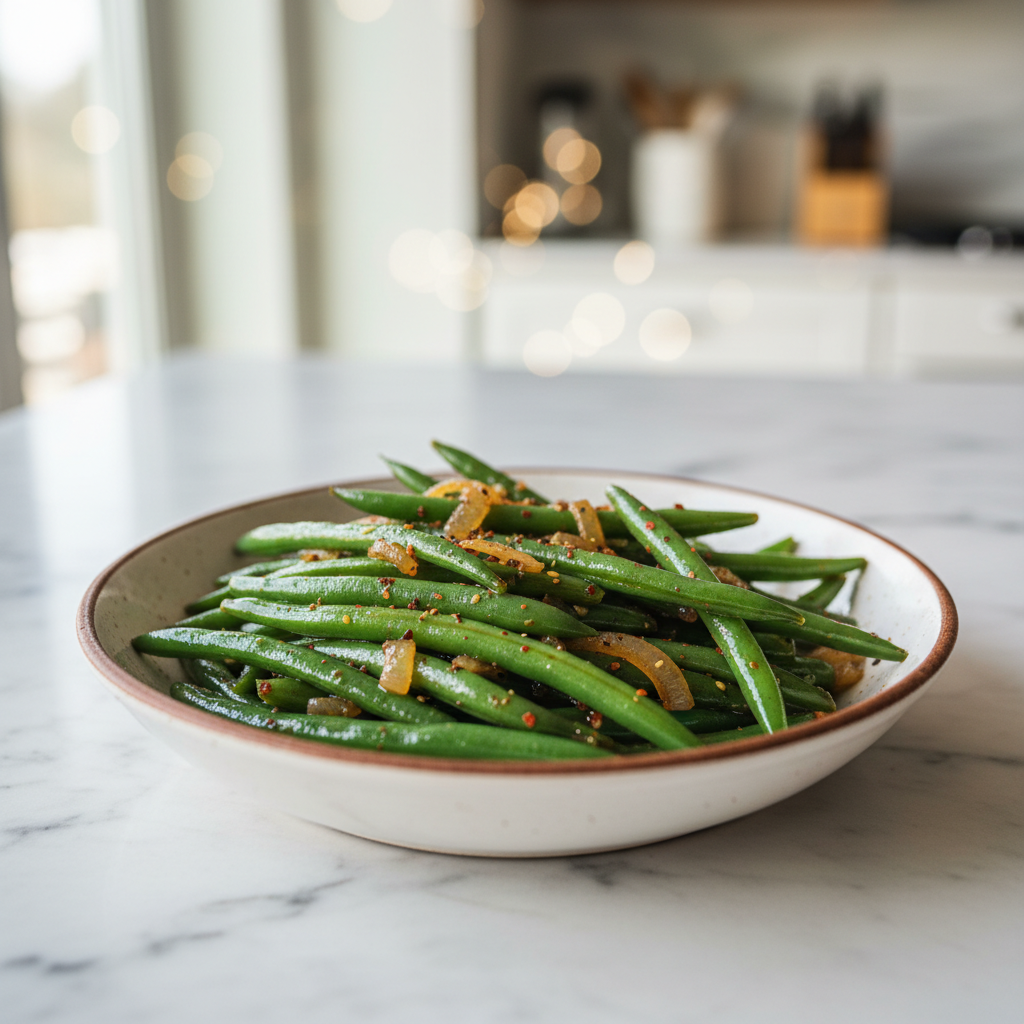
I’m Elsie Marlow, a home cook who learned to make every meal inclusive after cooking for my daughter Molly and her egg allergy. Today I want to share a simple, fast side that I turn to when I need bold flavor without complicated swaps: how to cook green beans for diabetics cajun seasoning is the exact recipe that balances spice, fiber, and sensible fats, so it fits lunch or dinner plans easily.
I wrote this with busy kitchens in mind, and I promise you can get dinner on the table in under 30 minutes while keeping blood sugar goals in view.
Table of Contents
Table of Contents
Elsie Marlow
Cajun Green Beans (Diabetic-Friendly)
A simple, delicious, and easy-to-follow recipe for Cajun-seasoned green beans, crafted with diabetes management in mind. This flavorful side dish is quick to prepare and can be adapted to your spice preference.
PREP TIME
5 mins
5 mins
COOK TIME
15 mins
15 mins
TOTAL TIME
20 mins
20 mins
Servings: 4 servings
Course: Snack
Cuisine: American
Calories: 110
🥄 Ingredients
- 450 grams (1 pound) fresh green beans, cleaned and trimmed
- 2 tablespoons (30 ml) extra virgin olive oil
- 1/2 cup (60 g) chopped sweet onion
- 1 tablespoon (15 ml) salt-free Cajun seasoning
- Salt to taste
- Black pepper to taste
👩🍳 Method
- Bring a pot of water to a boil. Cook green beans for 3-4 minutes, or until tender but still crisp.
- Drain the green beans in a colander, then immediately transfer them to an ice water bath to stop the cooking process. Drain again and pat dry. Set aside.
- In a large skillet, heat the extra virgin olive oil over medium heat.
- Add the chopped sweet onion to the skillet and cook until soft and translucent, about 5 minutes.
- Add the drained green beans and salt-free Cajun seasoning to the skillet. Toss everything together, ensuring the beans are evenly coated.
- Sauté for 1 minute, allowing the flavors to meld. Season with salt and black pepper to taste.
- Serve immediately as a delicious and healthy side dish.
Notes: For best results, aim for green beans that are tender-crisp. If freezing, be aware that the texture may become slightly softer upon reheating. Always consult with a healthcare professional or registered dietitian for personalized dietary advice.
Why This Recipe Works for Diabetics
This recipe works well for people managing diabetes because it focuses on low-starch vegetables, fiber, and healthy fat rather than added sugars or refined carbs.
Fresh green beans provide soluble and insoluble fiber, which helps slow glucose absorption and improve fullness, while extra virgin olive oil provides monounsaturated fat that supports heart health.
Using a salt-free Cajun seasoning keeps sodium controllable, so you can adjust salt to your health needs without losing flavor. I aim for a tender-crisp texture so the beans remain satisfying and less likely to be overconsumed in large portions. Portion control, paired with a lean protein or a modest serving of whole grains, makes these beans a reliable side that fits into a diabetes-friendly plate.
Ingredient Notes & Smart Substitutions
I always start with the freshest produce I can find because the texture and sweetness of the green beans are what carry the dish. If green beans are at their peak, you need less seasoning and less oil to make them sing.
If you prefer a plant-forward meal, the extra virgin olive oil keeps things moist while staying heart-healthy. For salt-sensitive diners, choose a salt-free Cajun seasoning or make your own blend, so you control the salt and heat. If you are avoiding onions or alliums, try thinly sliced celery for a different aromatic base, or use a splash of lemon juice at the end to brighten the flavors.
Ingredients List
- 450 grams (1 pound) fresh green beans, cleaned and trimmed
- 2 tablespoons (30 ml) extra virgin olive oil
- 1/2 cup (60 g) chopped sweet onion
- 1 tablespoon (15 ml) salt-free Cajun seasoning
- Salt to taste
- Black pepper to taste
If you need to swap, here are tested substitutions that keep the dish diabetes-friendly: use a neutral oil with a high monounsaturated content instead of extra virgin olive oil if you plan to roast at higher temperatures, switch chopped sweet onion for finely chopped leeks or spring onion whites for milder alliaceous flavor, and if you want less heat choose a mild paprika-based seasoning and add a pinch of smoked paprika for depth.
For a lower-fat option, reduce the oil by half and add a tablespoon of low-sodium vegetable stock to the pan to help carry flavor without losing the sauté finish. I avoid adding sweeteners or starchy thickeners because they can push the carbohydrate load up, and the herbs, lemon, and spices give plenty of complexity on their own.
Equipment Essentials
You do not need fancy tools for this recipe. A large skillet or pot is ideal for a quick blanch-and-sauté approach, and a colander plus a bowl for an ice water bath make the blanching step fast and reliable.
A good, sharp knife and a cutting board matter more than any gadget because clean, even trimming of the fresh green beans helps them cook evenly. If you choose the roasted or air fryer variations, an ovenproof baking tray or a basket-style air fryer tray is helpful.
Method Overview
This dish is built on a short two-step method: blanch the fresh green beans until tender-crisp, then finish in a skillet with extra virgin olive oil and chopped sweet onion, seasoning with salt-free Cajun seasoning and seasoning to taste with Salt and Black pepper. That quick searing step builds flavor without overcooking the beans.
How to Cook Green Beans for Diabetics Cajun Seasoning – Pro Tips
Over the years, I have learned a few small routines that make a big difference. First, trim the ends of the fresh green beans so they all cook at the same rate; uneven pieces mean uneven bites, and no one likes mushy tips next to crisp stems.
Blanching is optional, but I love the color and the crisp-tender texture it produces, and shocking in ice water locks in that bright green. Pat the beans very dry before they hit the skillet; extra moisture makes the oil sputter and dilutes flavor. When you add chopped sweet onion to the skillet, keep the heat moderate so the onion softens and sweetens rather than browning too quickly; caramelized onion is lovely, but the goal here is a balance between onion sweetness and Cajun spice.
Use the salt-free Cajun seasoning as your anchor, then adjust with small pinches of Salt and Black pepper at the end. Taste as you go; seasoning is personal. I recommend seasoning in two stages: a light touch while finishing in the skillet, then a final small adjustment at the table if needed.
If you like a smoky note, add a tiny sprinkle of smoked paprika or a quick squeeze of lemon at the end for brightness. For texture, finish with a handful of toasted nuts or seeds if those fit your dietary plan; they add crunch and a little extra protein without raising blood sugar substantially.
If you’re looking for other ways to add flavor without sugar, you might like this easy homemade chili seasoning recipe.
Finally, cook with your senses. The beans should look vivid and glossy from the oil, the onion should smell sweet and slightly aromatic, and when you bite one, the texture should be tender with a little snap. If the beans are soft through, you have gone past the optimal window, so shorten the blanch time next time or keep the skillet time very short.
Customizing Your Cajun Green Beans
One of the things I love about this recipe is how flexible it is. If you want more char and crunch, use the roasted variation and increase the oven heat slightly to coax caramelization on the surface of the green beans.
If you prefer a crisper finish and less oil, the air fryer method works beautifully and cuts down hands-on time. For more heat, add a small pinch of cayenne pepper or crushed red pepper when you toss with the seasoning. If you want an herbal lift, a scattering of fresh parsley or chives at the end gives color and fresh aroma.
For a heartier plate, toss in toasted almonds or pepitas to add protein and texture. For a vegan, egg-free picnic salad, cool the cooked green beans and toss with a light vinaigrette, extra herbs, and a few capers for a briny contrast. If you’re interested in other allergy-friendly vegetable preparations, you might find this green hummus recipe inspiring.
I often adapt the same base to fit what I have. If sweet onion is not available, I will use thinly sliced shallots for a subtler sweetness. If salt-free Cajun seasoning is not on hand, I blend smoked paprika, garlic powder, onion powder, dried thyme, dried oregano, and a touch of ground black pepper to mimic the profile without the added salt. Keep adjustments modest; the core intention is bright beans with a savory, spicy backbone that complements a diabetes-friendly meal plan.
Making Green Beans a Diabetic-Friendly Staple
Turning a healthy side into a regular staple is about predictability and small systems. I routinely keep a bag of trimmed fresh green beans in the fridge for a few days for quick meals, and I blanch a larger batch when I have a spare 10 minutes and store portions in airtight containers for 3 to 4 days.
Batch-cooking makes weeknight dinners easy and reduces the temptation to reach for higher-carb sides. When planning a plate for blood sugar stability, pair these beans with a lean protein like grilled fish or a plant-based protein such as a modest serving of tofu, and add a small portion of whole grains if desired. I aim to fill half my plate with non-starchy vegetables like green beans and a salad to improve satiety and lower the glycemic impact of the meal.
Label portions if you are tracking carbohydrates, and use a kitchen scale if you want precise servings. For freezer storage, blanch the green beans until just tender, cool thoroughly, and freeze flat in a single layer, then transfer to a sealed bag. Expect the texture to soften slightly on reheating, but the seasoning holds up well, and the dish still provides fiber and flavor when you need a ready side on a busy night.
What Seasoning to Use for Flavor
Cajun flavor is layered and comes from a mix of paprika, garlic, onion powder, and a touch of heat. For this recipe, I specify a salt-free Cajun seasoning because it allows you to control sodium, which is important for many people managing diabetes and related conditions.
If you make your own mix, start with smoked or sweet paprika, add garlic powder, onion powder, dried thyme, dried oregano, and a small pinch of ground black pepper, then taste. If you want a sharper heat, add a little cayenne. When seasoning green beans, add most of the seasoning during a quick skillet finish so the spices bloom in the warm oil, and then check for Salt and Black pepper at the end so you do not over-salt the dish.
I find a small squeeze of lemon or a light drizzle of good vinegar right before serving brightens the spices and brings the whole bite together. If you’re looking for a vibrant flavor boost in another context, this Roasted Beet Garlic Whipped Ricotta is a fantastic option.
Serving and Storing Your Green Beans
Serve these Cajun-seasoned green beans alongside grilled fish, roasted chicken, or a warm grain bowl with quinoa for a balanced plate. They also work well chilled as part of a composed salad with cherry tomatoes and a light vinaigrette.
Leftovers are easy to store: cool them quickly, place in shallow airtight containers, and refrigerate for up to four days. To reheat, warm gently in a skillet over medium-low heat with a splash of water or low-sodium vegetable stock to keep them from drying out, or reheat briefly in the microwave until just warmed through.
If you froze blanched green beans, reheat directly from frozen in a hot skillet with a bit of oil to regain some texture, but expect them to be slightly softer than freshly cooked beans. Label freezer containers with the date, and consider pairing them with other allergy-friendly staples like easy, chewy egg-free granola bars for snacks or easy meal additions. Try to use frozen beans within three months for the best quality.
Conclusion
This Cajun-seasoned green beans approach gives you a quick, flavorful side that supports blood sugar goals without sacrificing taste. I hope my practical swaps, sensory tips, and hands-on notes make it easy for you to adapt the dish to your pantry and preferences.
As someone who learned to cook inclusively for family, I know that small changes and thoughtful seasoning can turn a simple vegetable into a dish people ask for again. If you try this, take a few photos while you cook, especially of the preparation and the bright, glossy finished beans, because those process photos show the texture and color that mean success more than a polished final plate alone. Happy cooking, and remember that small, consistent choices in the kitchen add up to better meals and better health over time. For more egg-free culinary inspiration, explore recipes like how to make a fudgy and crackly-topped eggless brownie.
Love this recipe? Follow us on Facebook and Pinterest and explore more creative ideas on our food blog!
Frequently Asked Questions
How do green beans support diabetic health?
Green beans are low in carbohydrates and provide fiber, which helps slow glucose absorption and supports a feeling of fullness. They also supply vitamins, minerals, and antioxidants without adding sugars, making them a good nonstarchy vegetable choice for managing blood sugar.
What are the best seasonings to enhance green bean flavor?
Salt-free Cajun seasoning brings a balanced mix of paprika, garlic, and herbs without added sodium. You can also use smoked paprika, garlic powder, onion powder, dried thyme, and a small pinch of cayenne for heat. Finish with lemon or vinegar to brighten flavors.
Can I air fry or roast these green beans?
Yes. Roasting at higher heat or using an air fryer gives a slightly charred, crispy texture. Toss the green beans with oil and salt-free Cajun seasoning and roast at a high temperature or air fry until tender-crisp and lightly charred, adjusting time to your appliance.
How should green beans be prepared for a diabetic-friendly meal?
Trim and cook them to tender-crisp, using methods like blanching then a quick sauté or roasting. Use healthy fats like extra virgin olive oil, keep added sugars out of the dish, control salt with a salt-free seasoning, and pair the beans with a lean protein and nonstarchy vegetables for balanced meals.
What are the nutritional benefits of green beans for managing blood sugar?
Green beans offer fiber, low net carbohydrates, vitamins such as vitamin C and vitamin K, and minerals like manganese. The fiber content helps modulate post-meal blood glucose rises and supports long-term digestive health.
Are there specific types of green beans better for diabetics?
Any fresh green bean variety works well. Choose beans that are bright green, firm, and snap easily. The nutritional profile is similar across common varieties, so freshness and texture at cooking time are the main considerations.
What are good serving suggestions for diabetic-friendly green beans?
Serve them with grilled fish, roasted poultry, firm tofu, or a moderate portion of whole grains like quinoa for a balanced plate. Use them chilled in salads or as a side to lean proteins to help balance carbohydrate intake and promote satiety.