No Egg Recipes – Delicious Cooking Without Eggs

Elsie’s Foolproof chili cheese dog recipe for Game Day Comfort
Savor Elsie's fail-proof chili cheese dog recipe, born from 10 years of home kitchen trials, family failures turned triumphs, and game day successes. Get thick

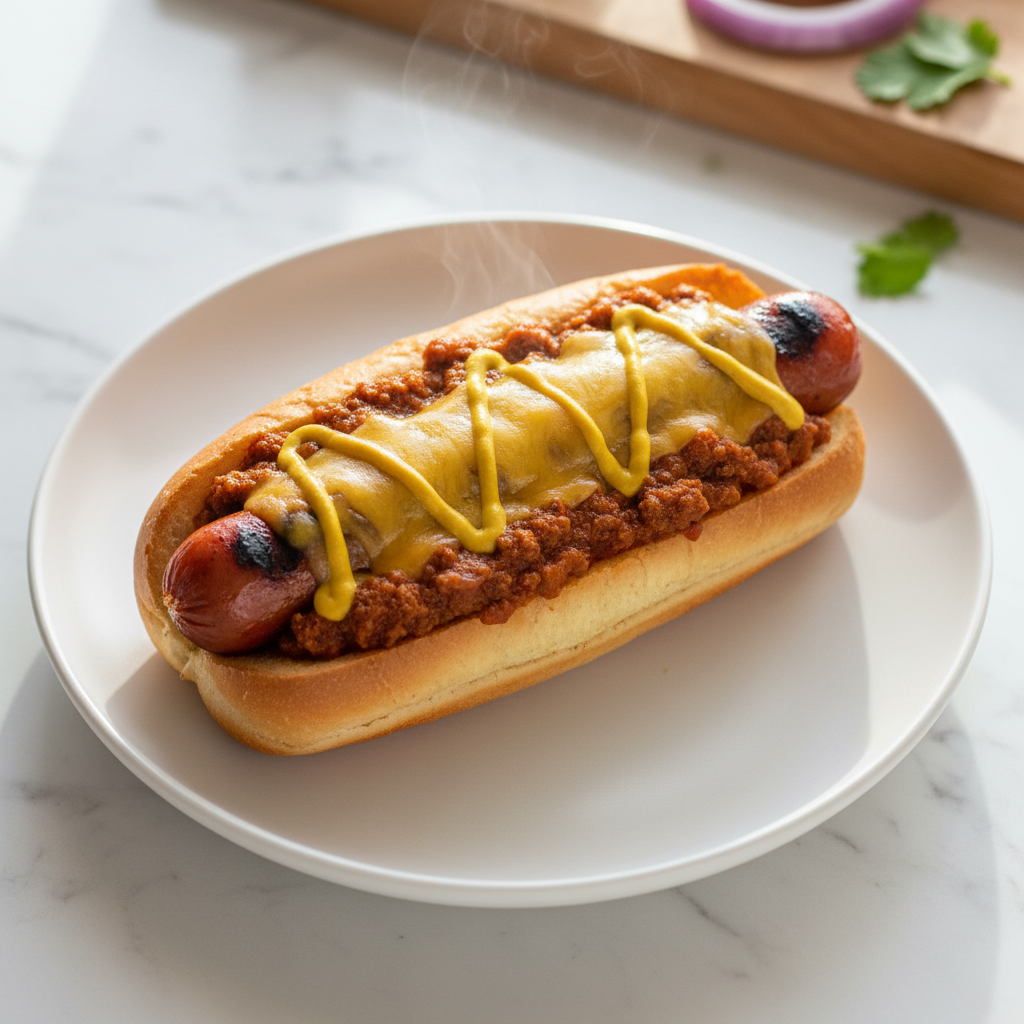
I’m Elsie Marlow, a home cook from Castleton in the Peak District, and I promise you one thing: follow my approach and your guests will remember the sizzle, the melty cheese oozing over spicy chili, and a bun that actually holds together. This chili cheese dog recipe grew from my grandma’s notes, a failed batch that taught me how to balance heat and thickness, and more than 10 years of testing dishes at family events and rainy BBQs where a rescued pot of chili turned the day around.
- Texture target: thick, pourable chili that clings, with snap or char on the dog
- Reliable swap/tool: choose a grill or heavy skillet, use gluten-free buns or dairy-free cheese when needed
- Make-ahead: simmer longer for depth, refrigerate chili up to 3 days for easy reheating
Table of Contents
Table of Contents
Elsie Marlow
Chili Cheese Dogs
Homemade chili cheese dogs with a quick beef chili, grilled hot dogs, and melty cheddar for a classic American comfort food perfect for gatherings.
PREP TIME
10 mins
10 mins
COOK TIME
20 mins
20 mins
TOTAL TIME
30 mins
30 mins
Servings: 8 servings
Course: Snack
Cuisine: American
Calories: 474
🥄 Ingredients
- 2 tablespoons olive oil (30 ml)
- 1/2 white onion, diced and divided (about 100 g)
- 1 pound ground beef, 85% lean/15% fat (453 g)
- 1/2 teaspoon kosher salt (3 g)
- 2 garlic cloves, peeled and minced (about 6 g)
- 1/3 cup tomato paste (80 g)
- 2 cups beef broth (473 ml)
- 1/2 teaspoon ground cumin (1 g)
- 1/4 teaspoon ground cayenne (0.5 g)
- 8 hot dogs (about 454 g)
- 8 hot dog buns (brioche recommended)
- Yellow mustard, to taste
- 1/2 cup cheddar cheese, shredded (56 g)
- 1/4 white onion, minced (about 50 g)
- Pickled jalapeños, as garnish
👩🍳 Method
- In a medium saucepan set over medium heat, pour in 2 tablespoons of olive oil. When the oil is hot, add half of the diced white onion and cook until translucent, about 5 minutes.
- Add the ground beef, 1/2 teaspoon kosher salt, and minced garlic cloves. Mix until the meat has browned, about 5 minutes. If using leaner beef, add a teaspoon of olive oil to prevent sticking.
- Stir in 1/3 cup tomato paste, 2 cups beef broth, 1/2 teaspoon ground cumin, and 1/4 teaspoon ground cayenne. Mix and cook for 1 minute. Reduce heat to low, cover, and keep warm.
- Heat a grill or grill pan to high. Cook the 8 hot dogs on both sides until grill marks appear and they are thoroughly heated, about 5-7 minutes. Keep warm in a 200°F (93°C) oven if needed.
- Toast the 8 hot dog buns: Add a teaspoon of butter to the hot grill pan, place buns cut-side down, press for 1 minute, then 30 seconds on the other side.
- Assemble: Place a hot dog in each bun. Add yellow mustard to taste, top with a generous spoonful of chili from the saucepan, and sprinkle with 1/2 cup shredded cheddar cheese. If cheese isn’t melting, broil briefly at 350°F (175°C) for 1 minute.
- Garnish with the remaining minced white onion and pickled jalapeños. Serve immediately.
Notes: Chili is done when thickened and flavors meld, about 10 minutes simmering; hot dogs are ready with grill marks and heated through. Store leftovers in airtight container in fridge up to 3 days; reheat chili separately to avoid soggy buns. Freeze chili up to 3 months.
Why You’ll Love These chili cheese dog recipe
I fell in love with these chili cheese dogs during a string of game-day tests where timing and crowds meant I had to get texture and flavor right, fast. Over 10 years of cooking for family events taught me that the magic is in the balance: not too watery, not so spicy that the kids hide under the table. I remember one evening when my grandma’s chili started out too lively with cayenne; I dialed it back with a touch of sweetness and extra tomato, and the whole tray became the centerpiece. The result is a comfort food you can count on, with the sizzle of grilling hot dogs, the aroma of simmered spices, and the melty cheese oozing over spicy
chili that invites everyone to grab a second helping.
What makes these crowd-pleasers is consistency. I test recipes until the textures hold up under the pressure of a party. You get a robust flavor, a hot dog with a satisfying bite, and a chili texture that sits on the bun instead of sinking in. That combination turns simple hot dog toppings into a memorable plate of game day snacks and a reliable family favorite.
Ingredient Notes & Substitutions
I write ingredient notes the way I shop: practical and flexible. If you need gluten-free, use sturdy gluten-free hot dog buns that slice from the top for holding power, or swap to lettuce wraps for a low-carb plate. For dairy-free, choose a melting plant-based cheese or skip the shredded option in favor of a creamy dairy-free sauce you can drizzle. When I recommend hot dog types, I mean quality matters: all-beef dogs give a classic snap and deep flavor, while high-quality veggie dogs or smoked vegan sausages deliver satisfying texture without meat. My pantry tips include branded recalls from testing: I often reach for Nathan’s for the traditional all-beef snap and choose King’s Hawaiian for soft, slightly sweet buns when I want a nostalgic crowd-pleaser.
Method overview: My approach to the chili is straightforward – build a seasoned base, simmer until the flavors settle, and adjust the texture so it is thick enough to cling to the hot dog without turning the bun soggy. I do not list exact quantities here, but in practice, I test seasoning balance and consistency across multiple batches to ensure the same result every time.
For egg-free households like mine, influenced by Molly’s egg allergy, I adapt freely. Use aquafaba or flaxseed blends where an emulsifier is called for in condiments or buns, and pick binders for plant-based chili that do not rely on egg. Small substitutions like a tablespoon of tomato paste or a splash of vinegar can recreate depth without changing the dish’s character.
Pro Tips & Troubleshooting
After more than a decade of testing recipes at family events, I keep a handful of non-negotiable habits that prevent disasters. If your chili is too thin, simmer it longer; in my kitchen, I often extend the simmer by an extra 30 minutes to concentrate flavors and thicken the sauce naturally. If the chili was over-spiced in an early test, I learned to balance heat with a touch of brown sugar or a spoon of tomato paste, which tamed the cayenne without dulling the spice.
Soggy buns are a common failure. Here is how I handle them: toast buns lightly on the grill or in a dry skillet to create a barrier, or thicken the chili with a small slurry of cornstarch and cold water before reheating so it sits on top rather than seeping in. When reheating, add a minute or two of simmer time to bring back the texture. For cold-weather make-ahead service, refrigerate the chili up to 3 days, then reheat slowly and give it a brief simmer to revive the consistency.
If hot dogs are losing their snap, cook them with direct, high heat for a quick char, or grill over medium-high to get that satisfying sizzle. For a milder finish when serving children, pull back on chili spice and add a mild shredded cheese for creaminess. Keep a small tasting spoon handy during seasoning – it saves more batches than any cookbook trick.
Note to myself and readers: include stories of failures turned successes on the plate, they are the best trust signals that these tricks work. I often tell the tale of the over-spiced first batch that taught me how to balance heat with sweetness and acidity, and that lesson shows up in every pot I make now.
Variations & Flavor Twists
One thing I love about this dish is its flexibility. You can go classic, smoky, or plant-based without losing the essence that makes it comforting. For a vegetarian take, use a bean-based chili and a hearty veggie dog, and top with dairy-free cheese or a cashew-based sauce. If you want a spicier bar food, add pickled jalapenos and a pinch of smoked paprika. For a sweeter summer cookout vibe, swap to King’s Hawaiian buns for a soft, sweet contrast and finish with a drizzle of yellow mustard to cut through the richness.
If you are looking for an easy chili dog recipe for a quick weeknight dinner, choose a skillet chili that can be made in one pot and finished with a quick shred of cheese. For elevated party fare, crisp the hot dogs on the grill and offer a topping station: caramelized onions, pickles, chopped onions, and a few hot sauces, let guests customize their experience. I sometimes add a splash of Worcestershire to finish the chili for extra depth, a small change that reminds me of my grandma’s version without copying it exactly.
For texture play, try frying the hot dogs briefly for a crunchy exterior, or toss the chili with small cooked pasta for a playful twist that still tastes like a classic. These variations keep the core comforting notes intact while giving you room to serve different crowds, from picky kids to adventurous adults.
Serving Suggestions and Pairings
Serve these hot dogs with sides that match the casual, hands-on feeling: kettle chips, crinkle fries, or a bright vinegar slaw. I often set up a simple spread of quick pickles, chopped onions, and a bowl of crushed pork rinds for crunch. For beverages, lemonade or a light lager pairs well, cutting through the richness of melted cheese and meaty chili. Thinking of weekend gatherings, treat the plate as game day snacks – easy to hold in one hand while cheering on a match.
Plating matters less than the rhythm of service. Keep a warming drawer or low oven set aside for buns so they stay warm and slightly toasted, and use shallow bowls for the chili so guests can assemble quickly. For crowd service, I put out platters of dogs, a pot of hot chili, and cheese that melts quickly under a broiler. This assembly-line approach keeps food hot and avoids soggy buns from standing in sauce too long.
Storage and Make-Ahead Tips
One of the biggest wins is making the chili ahead. I often cook my chili a day or two in advance, refrigerate it, and then gently reheat, adding a short simmer to bring the texture back and meld flavors. Refrigerated chili holds reliably for up to 3 days in my experience; for longer storage freeze in flat containers for easier stacking. When you thaw, reheat slowly on the stove and give it a brief simmer to restore thickness, or use a cornstarch slurry to thicken if needed.
Hot dogs themselves are best cooked just before serving for texture, but you can pre-cook and chill them if you need to speed service. Quick reheat on a hot grill or in a skillet revives their snap. Buns can be pre-toasted and kept wrapped in a towel to retain warmth. For make-ahead plating, keep sauce and toppings separate until the moment of assembly to avoid sogginess and maintain the ideal mouthfeel I aim for when serving family and friends.
Common Mistakes to Avoid
I have a list of mistakes I learned the hard way, and I pass them on so you do not repeat them. The top culprit is a chili that is too thin, which soaks into the bun and ruins the texture. Fix this by simmering longer, adding a thickener, or reducing the added liquid. Another frequent error is over-seasoning early on; salt and heat intensify as chili reduces, so season gradually and taste after a simmer. Overcrowding the pan when cooking dogs also prevents proper browning, so leave space for a good sear or use the grill.
Using soft, untoasted buns straight from the bag is a fast path to disappointment. Toast once on the grill or in a dry pan to create a slight barrier. Also, avoid pre-melting cheese into the chili if you want distinct layers; melt some cheese on top of assembled dogs to keep the visual and textural contrast intact. Lastly, do not skimp on texture checks: a spoonful of final chili on a warm plate will tell you if it clings the way it should. If it slides off, it needs more simmer time or a thickener.
Choosing the Best Cheese for Chili Cheese Dogs
Cheese choice is about melt and flavor. American-style cheese melts into a creamy layer that blankets the chili and bun, while a sharp cheddar gives a flavor pop and a slightly grainier melt. Monterey Jack and Colby offer a good balance of mild flavor and creamy melt. I prefer shredding block cheese rather than using pre-shredded, because the anti-caking additives in pre-shredded cheese can affect melt quality. For dairy-free kitchens, choose a high-melt plant-based cheese or make a quick cashew cream to drizzle.
If you want a gooey, strings-of-cheese experience, place shredded cheese over assembled dogs and pop under a broiler for a few seconds until it bubbles and stretches. For a more rustic finish, fold grated sharp cheese into the warm chili off the heat so it softens without losing structure. Taste for salt and brightness before you add cheese, so the final balance is not too heavy.
What Makes a Classic Chili Dog
A classic chili dog is about a few clear elements working together: a hot dog with presence, a chili that is thick enough to sit on top, and toppings that contribute texture and brightness. Traditionalists will tell you the right chili has a simmered, meaty base without beans, but in my tests, I have made both bean and no-bean versions that please different crowds. The key is tension between juicy, savory meat or plant protein, the melty topping, and the structural support of a well-toasted bun. This is what elevates it from just another hot dog to a memorable plate at a picnic or summer cookout.
When I write a simple chili dog recipe for home cooks, I emphasize seasoning early, checking texture mid-simmer, and choosing a bun that matches the chili’s weight. Too light a bun will collapse, while an overly heavy roll overwhelms the bite. Aim for a harmonious bite so every mouthful has hot dog, chili, and a hit of melty cheese or tangy mustard, according to your preference.
Chili Dog vs. Coney Dog Differences
People often use these terms interchangeably, but there are clear differences rooted in regional tradition. A chili dog in many kitchens is a hot dog topped with a thick, spiced chili and optional cheese and onions. A Coney dog, in classic form, uses a specific style of finely ground meat sauce that is typically seasoned differently and often served with mustard and chopped raw onion. The sauce on a Coney is usually smoother and more concentrated, while chili styles vary from chunky to saucy across regions. Understanding these differences helps you choose which direction to take when you want a faithful regional version or a hybrid that suits your family.
In my games-day experiments, I sometimes make both styles side by side, letting guests pick. The contrast is great for demonstrating how seasoning and texture define a dish even when the base components look similar. Both can be delicious, but the assembly and final toppings are what tell you which side of the tradition you are serving.
Conclusion
Try this method the next time you want a reliable crowd-pleaser, and do not be afraid to tweak it for your table. I am Elsie Marlow, and my kitchen in Castleton has produced many test batches, some failures, and many successes, all of which shaped the approach I have shared here. Remember, Molly’s egg allergy taught me to always have inclusive options, so consider dairy-free cheese and high-quality veggie dogs for guests with restrictions. The payoff is worth it: a hot dog that sizzles on the grill, chili that clings and carries flavor, and melty cheese oozing over spicy chili to make every bite comforting.
Now it is your turn. Make a batch, follow the troubleshooting tips if something goes wrong, and tag me on social so I can see your plate. I love hearing which swaps you tried and which failures turned into new wins on your table.
Love this recipe? Follow us on Facebook and Pinterest and explore more creative ideas on our food blog!
Frequently Asked Questions
What is the best cheese for a chili cheese dog?
Choose a cheese that melts smoothly, like American, Monterey Jack, or mild cheddar. For the creamiest melt, shred block cheese fresh. If you need dairy-free, pick a high-melt plant-based cheese or a cashew cream to drizzle.
What makes a chili dog a chili dog?
A chili dog combines a hot dog with a thick, seasoned chili on top. The chili should be thick enough to sit on the bun rather than soak in, and the assembly often includes cheese, onions, or mustard for contrast.
How to make a chilli hotdog?
Build a seasoned chili base, simmer until it thickens and the flavors settle, cook or grill your hot dogs until they have a good sear, toast the buns, then assemble with chili and a melting cheese on top. Simmering the chili a little longer helps achieve the right texture.
What’s the difference between a chili dog and a coney dog?
A Coney dog typically uses a distinct, finely ground meat sauce and is often served with mustard and chopped raw onions, while chili dogs use a wider variety of chili styles and toppings. The sauce texture and seasoning set them apart.
How can I make chili cheese dogs vegetarian?
Use a bean-based or textured vegetable protein chili, choose high-quality veggie dogs with good bite, and pick dairy-free cheese if needed. Add umami boosters like soy sauce or smoked paprika to deepen flavor.
How do I prevent soggy buns on chili cheese dogs?
Toast buns briefly on a grill or skillet to create a protective layer, thicken the chili by simmering longer or using a small cornstarch slurry, and assemble just before serving to avoid soaking.
What are good side dishes for chili cheese dogs?
Classic pairings include fries, coleslaw, quick pickles, kettle chips, and simple salads. For game day, serve a mix of crunchy and bright sides to balance the richness of the chili and cheese.