No Egg Recipes – Delicious Cooking Without Eggs

Gluten free pancakes: Complete guide to light, fluffy breakfast pancakes
Gluten free pancakes that stay tender and fluffy, tested in a home kitchen for families with allergies. Trusted methods for reliable results. Discover recipe.
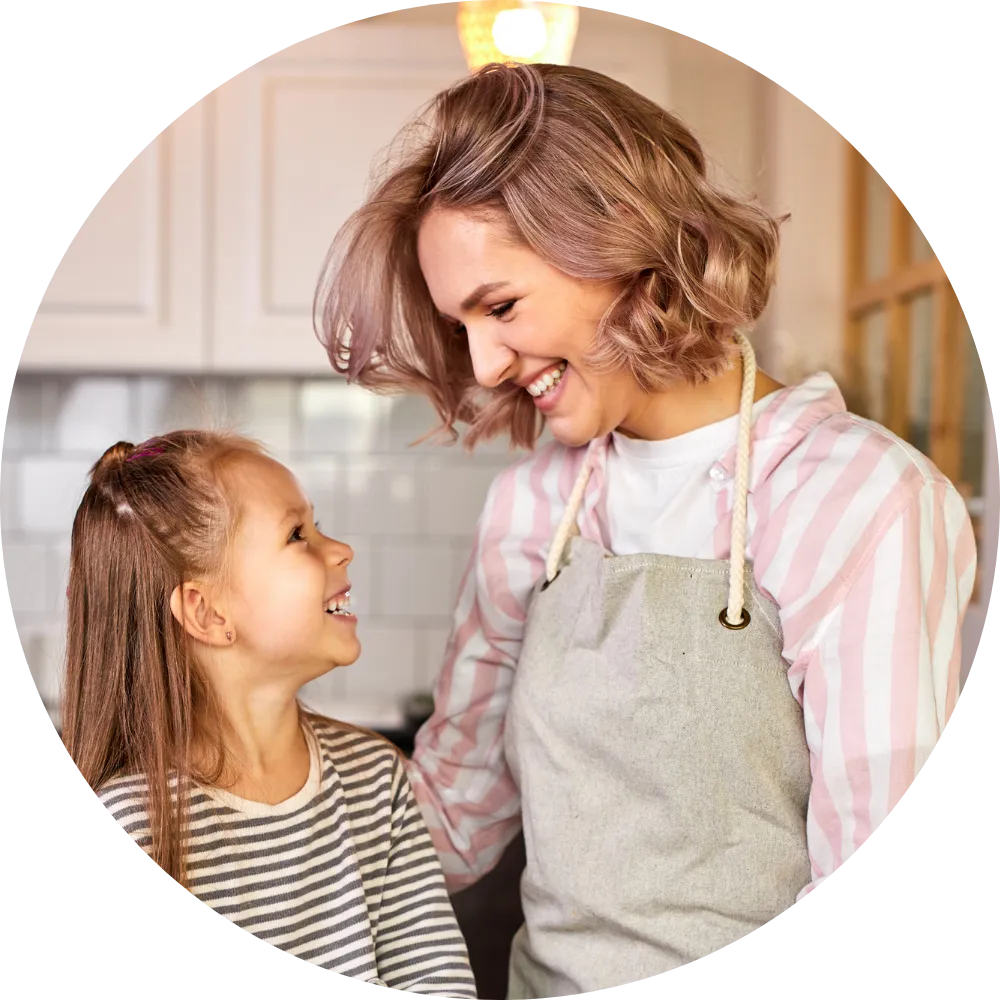
Elsie, a home cook whose daughter Molly’s egg allergy inspired her journey into egg-free baking, here. I love mornings when the kitchen smells like warm batter, and I want you to feel confident making gluten free pancakes that are tender, golden, and easy to flip. In this guide, I share what worked after many failed batches, clear substitutions, and simple tricks so even a busy parent or a beginner cook can make great gluten-free pancakes at home.
Table of Contents
Table of Contents
Easy Gluten-Free Pancakes
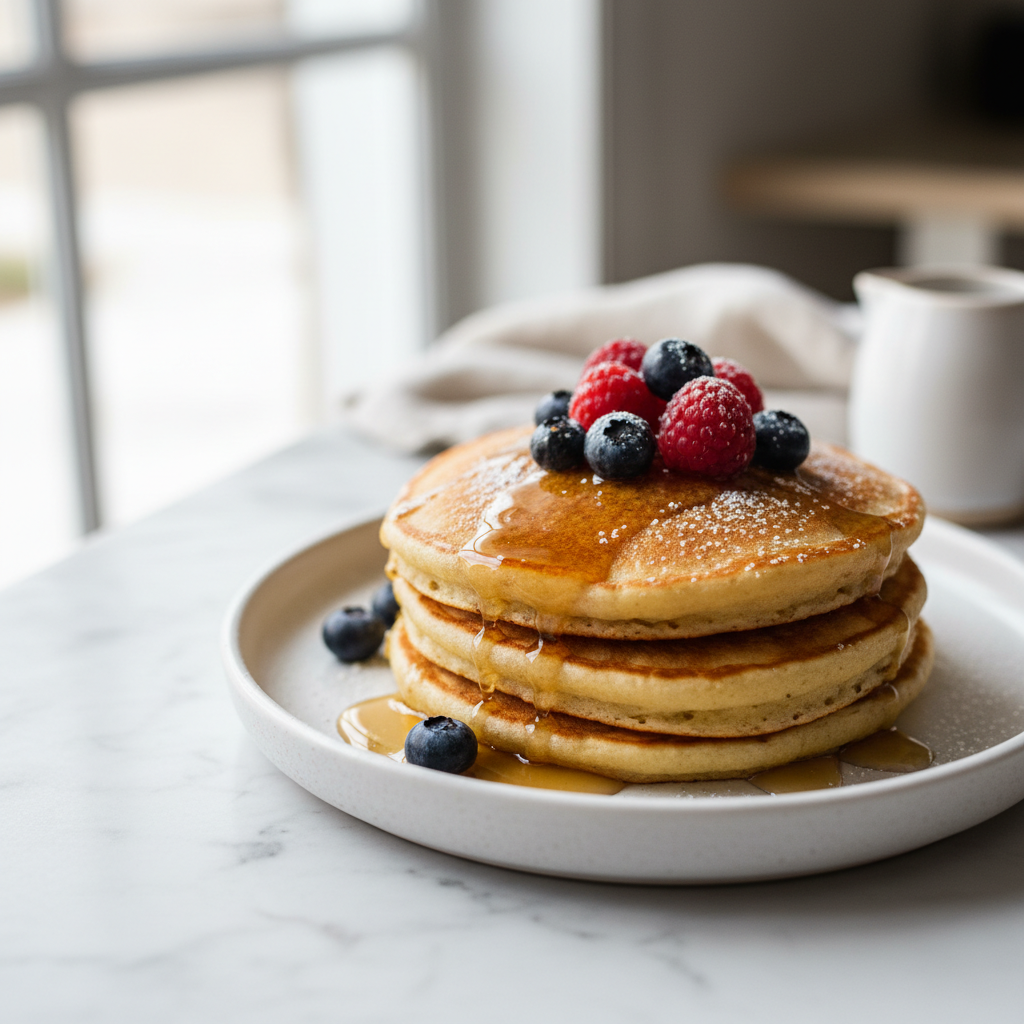
Whip up a batch of delicious, light, and fluffy gluten-free pancakes with this incredibly easy and versatile recipe. Perfect for a hearty breakfast or brunch, these pancakes can be customized to be dairy-free or vegan, making them a family favorite for all dietary needs.
PREP TIME
5 mins
5 mins
COOK TIME
10 mins
10 mins
TOTAL TIME
15 mins
15 mins
Servings: 8 pancakes
Course: Snack
Cuisine: American
Calories: 151
🥄 Ingredients
- 2 tablespoons (25g) granulated sugar
- 2 tablespoons (30ml) vegetable oil
- 1 large egg (or 1 prepared Bob's Red Mill gluten-free egg replacer equivalent)
- 1 teaspoon (5ml) pure vanilla extract
- 1 cup (120g) all-purpose gluten-free flour* (Pillsbury gluten-free flour recommended)
- 1/4 teaspoon (0.6g) xanthan gum (omit if your flour blend already has it)
- 1 tablespoon (12g) gluten-free baking powder
- 1/4 teaspoon (1.5g) salt
- 3/4 cup (180ml) milk (dairy-free/Vegan: use almond, cashew, or coconut milk)
👩🍳 Method
- In a large bowl, whisk the egg (or prepared egg replacer), granulated sugar, pure vanilla extract, and the vegetable oil together until well combined.
- Add the all-purpose gluten-free flour, xanthan gum (if not in your flour blend), gluten-free baking powder, and salt to the wet mixture. Mix until just fully combined; do not overmix.
- Stir in the milk until the batter is smooth. For thinner pancakes, you can stir in an additional 1 to 2 tablespoons (15-30ml) of milk.
- Heat an electric griddle to 350°F (175°C) or a non-stick pan over medium heat. Lightly grease the cooking surface.
- Scoop approximately 1/4 cup (~60ml) of batter per pancake onto the greased griddle or pan.
- Cook the pancakes until the batter starts to bubble on the surface and the edges appear set. Flip/turn the pancakes and cook until they are golden brown on the second side.
- Serve immediately topped with butter, syrup, or your favorite toppings. Enjoy!
Notes: Measure gluten-free flour the right way using the “spoon & level” method—scoop the flour into your measuring cup, then level it off with a knife. Avoid scooping directly from the bag. Pancakes are done when they are golden brown and have puffed up with bubbles on the surface. Store leftovers in the fridge for up to 4 days, or freeze for longer storage. Reheat in a microwave (20-30 seconds) or toaster for crispier results.
Why Choose Homemade Gluten-Free Pancakes?
Making pancakes from scratch lets you control texture, flavor, and ingredients, so you can avoid cross-contact and unwanted additives found in some packaged options. I found that homemade batter gives me control over the crumb, the chew, and how well the pancakes hold syrup without collapsing. When I cook for family or guests with celiac disease or gluten sensitivity, I can adapt the recipe for dairy-free needs and still get a lovely, fluffy stack.
Homemade also saves money compared to many specialty mixes, and it lets you tweak the batter for taste and nutrition. I often swap in whole-grain gluten-free flour blends or add a little extra milk for a softer crumb. Most importantly, it gives you a chance to make breakfast inclusive and welcoming for everyone at the table.
Ingredient Notes & Smart Substitutions
Instead of a measured ingredient list here, I explain how each core item behaves and which swaps keep the texture right. A good all-purpose gluten-free flour blend with xanthan gum provides structure and helps trap air, which mimics gluten. If your blend lacks xanthan gum, add a small binder such as psyllium husk or a commercial binder per the blend instructions. Granulated sugar adds a touch of browning and flavor; you can use coconut sugar or maple sugar for a deeper note, but the batter may brown faster, so lower the heat slightly.
For liquids, plant-based milks give a dairy-free option with similar weight to cow’s milk; experiment with almond, oat, or soy to find a flavor you like. I use a ‘flax egg’ made from ground flaxseed meal and water when I need an egg-free binder; it helps with lift and moisture. Vegetable oil or a neutral-flavored oil keeps pancakes tender; melted coconut oil works if you enjoy its flavor. Vanilla extract is optional but reliable for depth.
When a recipe calls for baking powder or baking soda, keep them fresh. Old leaveners give weak lift and flat pancakes. For cooking surface choices, nonstick or seasoned pans reduce the need for excess oil. If you cannot use a packaged gluten-free pancake mix, you can combine your own blend from rice flour, tapioca starch, and a binder; expect to adjust the liquid slightly for the best batter consistency.
Method overview: whisk dry elements separately, combine wet elements until smooth, fold wet into dry until just mixed, rest briefly if using flax egg, then cook on medium-low until edges set and bubbles form, flip once, and finish until golden.
Equipment Essentials for Perfect Pancakes
Good results come from simple tools. I always use a large non-stick griddle or skillet so pancakes cook evenly. A heavy-bottom skillet retains heat and prevents hot spots. A small ladle or measuring cup helps portion batter consistently so pancakes finish at the same time. A thin, flexible spatula is essential for sliding under pancakes without tearing them.
I also recommend a kitchen scale for consistent flour measurement. Gluten-free flours can vary widely by volume, so weighing ingredients reduces surprises. A whisk and a rubber spatula are my go-to mixing tools. If you plan to keep pancakes warm while finishing a batch, a baking sheet and a low oven are handy, but you do not need a professional setup to get great results.
- Pan: large non-stick griddle or skillet
- Tools: whisk, rubber spatula, thin flexible spatula, small ladle or 1/4 cup measure
- Optional: kitchen scale, cooling rack, baking sheet to hold finished pancakes
Pro Tips for Fluffy Gluten-Free Pancakes
I spent months testing textures to learn how to coax the most lift from gluten-free batter. First, do not overmix. A slightly lumpy batter traps more air and yields a lighter crumb. Second, let the batter rest 5 to 10 minutes if you use ground flaxseed or blended whole-grain flours so the liquid hydrates the starches and the batter loosens up.
Cook on medium-low heat. Too hot and the outside browns before the inside cooks; too cool and pancakes dry out and fail to brown. Watch for bubbles that pop and leave a slightly set edge before flipping. Flip once for a tender interior. Use a neutral oil to coat the pan lightly between batches rather than butter, which can burn and cause uneven color.
To add height, fold in a little extra baking powder if you use a heavier whole grain blend, but test small amounts so the taste does not turn metallic. If pancakes feel gummy, reduce the liquid slightly next time or increase the cooking time at a lower heat to let the moisture evaporate. For egg-free lift, I rely on the combined action of baking powder and a flax egg. Finally, keep cooked pancakes warm on a low oven setting while you finish the batch so they stay soft and stack nicely.
Tip on batter thickness: The batter should pour but hold some shape. If it is too thin, add a tablespoon or two more flour blend; if too stiff, add a splash of plant milk. These small adjustments are normal with gluten-free baking.
Creative Variations & Flavor Twists
Once you have a reliable base, variations are a fun way to personalize breakfast. For a chocolate moment, fold in dairy-free chocolate chips into the batter. For fruitier pancakes, fold in fresh or frozen berries gently so they do not bleed too much color into the batter. I also like to stir grated apples or mashed bananas into the batter for natural sweetness and moistness.
To make easy gluten-free pancakes for a crowd, prepare the batter, then cook on two pans at moderate heat to speed up the process. Spice lovers can add cinnamon, cardamom, or grated lemon zest for brightness. For a savory twist, omit sugar, add chopped chives, and serve with a dollop of dairy-free yogurt and smoked salmon or sautéed mushrooms.
Try using nut flours carefully; they add flavor but absorb liquids differently. If you use almond flour, combine it with a starchy flour like tapioca for a lighter texture. If you want a dairy-free, gluten-free pancake that feels indulgent, use a slightly higher-fat plant milk like oat or soy and a touch more oil. I often rotate variations so my daughter enjoys different flavors while staying within her egg-free needs.
Serving & Storage: Keeping Pancakes Fresh
Serve pancakes warm with a pat of dairy-free butter and maple syrup, or top with yogurt, fresh fruit, nut butter, or a compote. For a brunch presentation, stack pancakes and add a scattering of toasted nuts and a squeeze of citrus for contrast. I like to offer a small bowl of warmed fruit syrup on the side to keep textures separate for picky eaters.
For short-term storage, cool pancakes completely on a rack, then stack with parchment between layers in an airtight container in the refrigerator for up to three days. To freeze, layer pancakes with parchment and place in a freezer-safe bag for up to one month. Reheat gently in a toaster or a low oven until warmed through. I recommend photographing a few stages of your process, not just the finished stack, to track what worked and to share success if you blog or teach others. Original photos of the batter texture, first flips, and the finished stack also serve as proof of your method.
Understanding Gluten-Free Flours in Pancakes
Different gluten-free flours bring different structures and flavors. Rice flour is mild but can produce a sandy crumb if used alone. Tapioca starch or potato starch adds chew and helps with browning. Sorghum or millet adds whole-grain flavor and a denser bite. Commercial all-purpose gluten-free blends usually combine these elements with a binder such as xanthan gum to imitate gluten elasticity.
I learned to mix flours for balance. A blend heavy on starch will be lighter yet sometimes gummy if overhydrated. Adding a small portion of whole-grain gluten-free flour gives flavor and nutrition but may require more leavening or a touch more liquid. If you are trying to avoid xanthan gum, psyllium husk, or ground chia can provide structure when used properly, but they change hydration and may thicken the batter. Keep notes: note how the dough feels, whether the surface looks tacky but not sticky, and whether the crumb is airy. Those sensory cues guide your next batch.
When testing new flours, make small pilot pancakes to judge texture before cooking a full batch. That saves ingredients and helps you dial in the perfect, fluffy result.
Demystifying IHOP’s Gluten-Free Claims
Many restaurants, including national pancake chains, advertise gluten-free options. In my experience, a restaurant can offer a gluten-free pancake mix, yet cross-contact with shared utensils, grills, and oil can expose the final plate to gluten. If you or your guests have celiac disease, ask the staff about their protocols for cross-contact and whether they use separate pans and utensils.
I trust a homemade approach when avoiding gluten is essential, because I control the ingredients and the workspace. If you choose a restaurant option, look for clear procedures and, if possible, a dedicated fryer or griddle for gluten-free orders. Remember that a gluten-free pancake mix at a chain is helpful for convenience, but it does not guarantee a gluten-free environment. When in doubt, bring your own mix and ask staff if they can use a clean pan or a disposable liner, or consider dining at places with strict cross-contact policies.
Choosing the Best Binder for Gluten Free Pancakes
Binders replace the structure that gluten and eggs normally provide. My top egg-free binder is a flax egg made from ground flaxseed meal and water, because it offers a neutral flavor and predictable hydration. Whisk 1 tablespoon ground flaxseed with 3 tablespoons water, rest 5 minutes to gel, and use as a substitute for one egg in most pancake recipes. Aquafaba, the liquid from canned chickpeas, is another binder and whipping agent that can add lift when lightly beaten, though it does give a faint savory note if used in large amounts.
Xanthan gum or psyllium husk is important for texture when your flour blend lacks an added binder. Xanthan gum helps trap gas bubbles and mimic stretch, while psyllium husk gives a more breadlike crumb. Use small amounts, following package recommendations; too much binder yields a gummy or heavy result.
When choosing a binder, consider allergies and flavor. I prefer flax for everyday pancakes because of its mild taste and simple pantry presence. For very light pancakes, combine a flax egg with fresh baking powder to get a reliable rise without eggs.
Conclusion
Making reliable, delicious gluten-free pancakes is a practice that rewards patience and small adjustments. I started experimenting because my daughter Molly could not eat eggs, and through trial and error, I developed a dependable approach that balances hydration, gentle mixing, and careful heat management. Keep a note of flour blends and liquid ratios that worked for you, and do not be afraid to tweak the batter a tablespoon at a time.
Try the Fluffy Gluten-Free Pancakes approach: prioritize a good all-purpose gluten-free blend with a binder, use a flax egg for egg-free lift, rest the batter briefly, and cook on medium-low for even browning. Photograph your steps to compare textures and to build confidence. With these techniques, you can make breakfast that is inclusive, comforting, and genuinely tasty, no matter who sits at your table.
Elsie Marlow, NoEggRecipes, United States.
Love this recipe? Follow us on Facebook and Pinterest and explore more creative ideas on our food blog!
Frequently Asked Questions
How does gluten-free flour affect pancake texture?
Gluten-free flour lacks the elastic network gluten provides, so pancakes rely on starches and binders to trap air and hold moisture. Starchy blends yield lighter pancakes but can become gummy if overhydrated. Adding a small binder like xanthan gum or psyllium and avoiding overmixing helps create a tender, fluffy crumb.
Are store-bought pancake mixes suitable for gluten-intolerant diets?
Some mixes are formulated gluten-free, but suitability depends on cross-contact controls at the manufacturer and how you handle cooking at home. For strict gluten avoidance, check labels and prefer brands that certify gluten-free, or make pancakes from scratch to control ingredients and prep surfaces.
What are the best methods to ensure my gluten-free pancakes are fluffy?
Use a gluten-free all-purpose blend with a binder, do not overmix, let batter rest briefly if using whole-grain or flax, cook on medium-low heat, and flip once when bubbles form and edges set. Fresh baking powder and a proper binder—flax egg or xanthan gum—also improve lift.
Can gluten-free pancake batter be made ahead of time?
You can make batter ahead but expect some changes. Batter with a flax egg benefits from a short rest, but if refrigerated overnight it may thicken; whisk in a splash of plant milk to loosen it before cooking. Freshly mixed batter often yields the best rise, but well-stored batter is a practical option.
What are some creative toppings for gluten-free pancakes?
Try warm fruit compote, fresh berries, dairy-free yogurt, nut butters, toasted seeds, lemon curd, or a drizzle of maple syrup. For savory options, top with sautéed mushrooms, avocado, or a spoonful of herbed dairy-free ricotta.
Is it possible to make gluten-free pancakes without eggs?
Yes. I use a flax egg—1 tablespoon ground flaxseed mixed with 3 tablespoons water, rested for 5 minutes—regularly for egg-free pancakes. Aquafaba can also work, and pairing an egg-free binder with reliable leaveners like fresh baking powder helps maintain lightness.