No Egg Recipes – Delicious Cooking Without Eggs

Vegan key lime parfaits, aquafaba whipped cream, and a home cook’s roadmap
Make delicious vegan key lime parfaits with aquafaba whipped cream, tried and tested in Elsie's busy home kitchen. Avoid common mistakes with 9 trusted tips.

I make Vegan key lime parfaits in my busy village kitchen in Castleton, aiming for bright lime flavor, a silky curd, crisp crumb, and an aquafaba whipped cream that holds its shape. After many deflated attempts and lessons learned with my daughter Molly watching, I can reliably get light, stable whipped topping and a curd that sets cleanly in layers. Read on for the why behind each step, failproof tips, and ways to make this accessible at any skill level.
- Texture target: silky, spoonable curd and airy stable whipped cream
- Reliable swap/tool: aquafaba for egg whites, full-fat coconut or silken tofu for body
- Make-ahead: layer and chill so flavors meld and textures firm
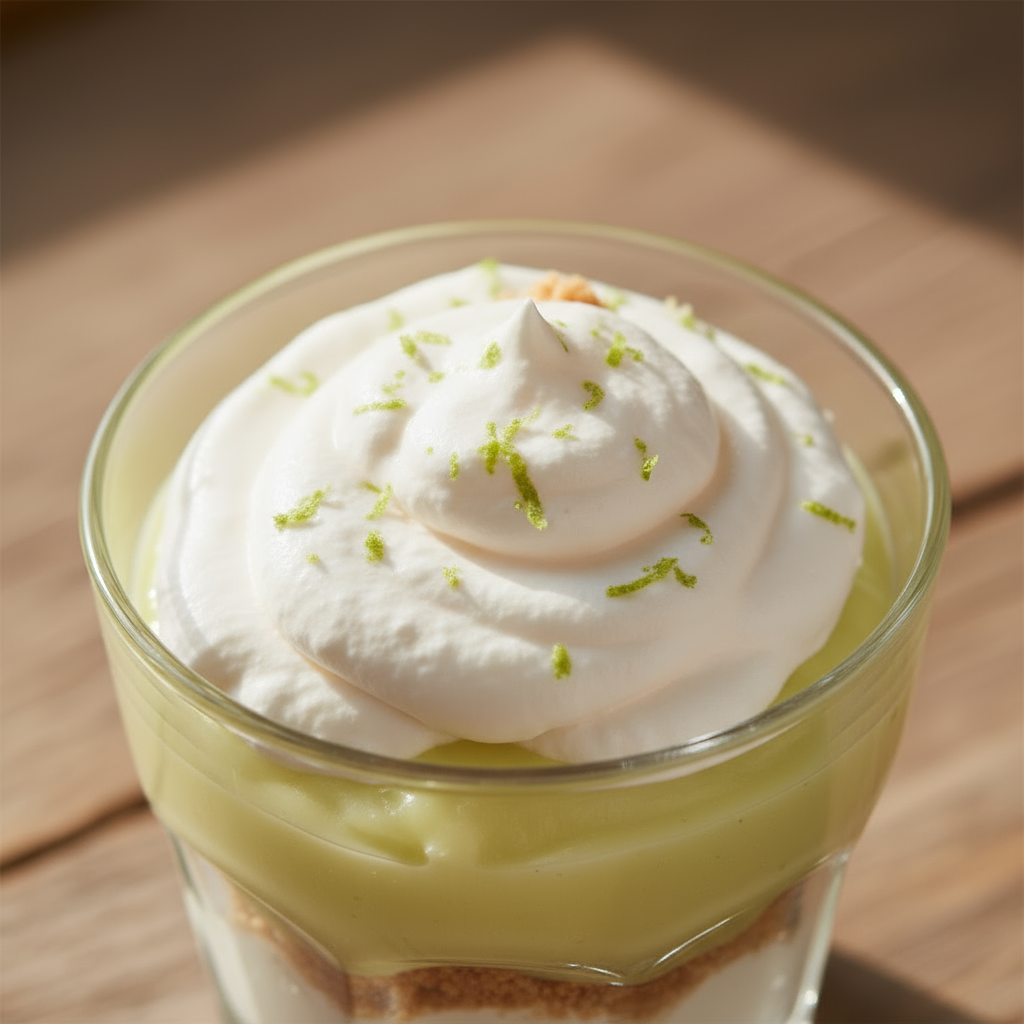
Table of Contents
Vegan Key Lime Pie Parfaits
A refreshing and easy-to-make vegan key lime pie parfait recipe, featuring a creamy lime curd, crunchy graham cracker crust, and a light, airy aquafaba whipped cream. Perfect for a healthy, plant-based dessert.
PREP TIME
15 mins
15 mins
COOK TIME
10 mins
10 mins
TOTAL TIME
375 mins
375 mins
Servings: 1 parfait (Note: nutrition info is for 1 parfait, but recipe components are for multiple servings)
Course: Snack
Cuisine: American
Calories: 354
🥄 Ingredients
- 4 large rectangle graham crackers (100 grams), reserve 1 for topping
- 1 tablespoon melted coconut oil (15 ml)
- 1 14-ounce can coconut cream (400 ml)
- 2 tablespoons lime zest
- 0.5 cup fresh squeezed lime juice (120 ml)
- 2 tablespoons arrowroot starch (16 grams)
- 2 tablespoons agave nectar (42 grams), plus more to taste
- 4 tablespoons aquafaba (60 ml), liquid from can of chickpeas
- 4 tablespoons powdered sugar (30 grams)
- Pinch of cream of tartar (0.5 gram)
👩🍳 Method
- To make the Lime Curd: In a small saucepan, combine the coconut cream and 1 tablespoon of lime zest.
- In a separate small mixing bowl, whisk together the arrowroot starch and fresh squeezed lime juice until smooth. Add this mixture to the coconut cream in the saucepan and mix well.
- Stir in the agave nectar into the saucepan. Place the saucepan over medium heat and bring to a low bubble, whisking constantly to prevent lumps.
- Reduce heat to medium-low and continue to whisk until the mixture thickens and becomes jiggly. This should take about 5-7 minutes.
- Remove the curd from heat and taste, adjusting sweetness with more agave nectar if desired.
- Let the curd sit for 15 minutes to allow it to thicken further.
- Transfer the lime curd to a glass bowl, cover tightly with plastic wrap, and refrigerate for 5-6 hours or preferably overnight until thoroughly chilled and firm.
- For the Crust: Place 3 large graham crackers (75 grams) in a blender or food processor. Pulse until they are finely ground into crumbs.
- Add the melted coconut oil to the graham cracker crumbs and pulse a few more times until fully incorporated and the crumbs resemble wet sand. Set aside.
- For the Whipped Cream: Drain a can of chickpeas into a large mixing bowl, reserving the aquafaba (chickpea liquid). Set the chickpeas aside for another recipe.
- Add the powdered sugar and cream of tartar to the aquafaba in the mixing bowl.
- Using a hand or stand mixer, beat the aquafaba mixture on high speed for 5-10 minutes, or until stiff peaks form and the aquafaba is light and fluffy.
- To Assemble the Parfaits: Begin layering by spooning a portion of the graham cracker crumbles into the bottoms of your serving glasses.
- Next, add a layer of the chilled lime curd over the crumbles.
- Top with a generous dollop of the aquafaba whipped cream.
- Repeat the layers once more if desired, depending on the size of your glasses.
- Garnish with crushed graham cracker pieces (from the reserved cracker) and a sprinkle of fresh lime zest.
- Serve immediately, as aquafaba whipped cream can lose volume over time.
Notes: The lime curd recipe was adapted from Minimalist Baker’s Lemon curd recipe. Aquafaba whipped cream holds its volume best when consumed immediately. For optimal results, prepare the whipped cream just before serving.
Why Aquafaba is Your New Best Friend for Vegan Whipped Cream
I first turned to aquafaba because Molly has an egg allergy, and it quickly became my most playful ingredient. Aquafaba is the viscous liquid from cooked legumes, most commonly chickpeas. It whips into foam because it contains soluble proteins, starches, and saponins that stabilize air bubbles when agitated. In practice that means with a little technique you can get a glossy, marshmallowy foam that rivals egg white meringue.
Unlike canned coconut cream that can break or feel heavy, aquafaba gives lift without extra coconut flavor, so the lime comes forward. I learned to treat aquafaba like egg whites: cold for control, dry bowls for better foam, and patience when adding sugar. Over many batches I refined timing and sugar addition to avoid weeping or sudden collapse, so these tips reflect real kitchen experience, not theory alone egg-free baking guide.
Ingredient Notes & Substitutions
Key limes give the classic tart perfume, but if they are elusive I use a bright, fragrant lime juice blend with a touch of zest for depth. For the creamy element I usually alternate between full-fat canned coconut or a silken tofu curd, the latter producing a smoother, protein-rich filling that also makes the parfait sturdier when layered. Aquafaba can come from your own cooked chickpeas or the liquid from a can. I prefer water from a home-cooked batch when I can control the salt level, but good-quality canned aquafaba works well in a pinch.
Sweeteners are flexible. I often use a lightly processed sweetener for a cleaner citrus pop, but unrefined sugars or syrups are easy swaps if you prefer their flavor. If you need a thickener to firm your curd without eggs, agar or a touch of cornstarch are reliable plant-based choices. egg-free substitutions for a tofu-based version, choose silken or soft tofu and blend until completely smooth, then fold into the lime element to create a tofu parfait variation that is higher in protein and very forgiving for beginners.
Health benefits of the core ingredients are a nice bonus: lime brings vitamin C, antioxidants, and bright acidity that refreshes the palate, while coconut contributes medium-chain triglycerides and a feeling of richness without dairy. Keeping control of the sweetener and using whole-food components makes this dessert lighter and more nourishing than many store-bought alternatives.
Essential Tools for Perfect Parfaits
Good results come from a few reliable tools. A sturdy whisk or electric mixer is essential for aerating aquafaba; a glass or metal mixing bowl helps the foam form better than plastic. A fine grater or microplane for zest preserves volatile oils, and a flexible spatula makes folding delicate whipped aeration straightforward. I also find small serving glasses or jars useful for layers, and a sieve catches any pith or curd lumps to keep each parfait silky.
I learned to respect the simple gear. When I used a too-small bowl the foam overflowed and collapsed; when my whisk was flimsy the aquafaba took forever to pick up volume. A reliable, medium-speed hand mixer or stand mixer saves your arm and gives consistent results every time.
Pro Tips for Mastering Vegan Key Lime Curd
Method overview: make a bright citrus curd by gently heating lime juice with a sweetener and a plant-based thickener until it coats the back of a spoon, then cool and chill so the texture firms and flavors join. For a tofu curd, blend silken tofu with citrus and sweetener, then gently cook or chill to meld flavors and achieve the desired body.
Chilling the curd for an extended period is deliberately practical, not fussy. Cold curd holds better in layers and slices cleaner, and prolonged chilling deepens the flavor as the acids mellow and aromatics meld. In my kitchen I often make the curd the day before assembling. That overnight rest turns bright sharpness into a rounded, complex lime character that complements the airy aquafaba topping.
Other pro moves: keep zest light to avoid bitterness, strain any cooked curd for velvet texture, and if you like a toothsome contrast add a toasted crumb layer that resists sogginess when chilled. If you prefer less citrus bite, temper the acidity by blending in a neutral creamy component such as silken tofu or a little coconut cream before chilling.
Troubleshooting Aquafaba Whipped Cream
My first aquafaba batches collapsed, and most failures trace to a handful of culprits I can now spot quickly. Underwhipped aquafaba will be glossy but runny; keep whipping until soft peaks form and then add sweetener gradually. Overwhipping creates a grainy texture that eventually separates; if you catch it early you can gently fold in a tablespoon of liquid fat like coconut cream to bring it back together.
Watery aquafaba makes foams that never become stable. If your liquid seems thin, reduce it by simmering briefly, or start with a stronger batch from cooked chickpeas. Temperature matters too: slightly chilled aquafaba is easier to control, and using a chilled bowl helps maintain structure. Humid days can sap volume, so whip in a cooler room if possible.
When sweetness or flavorings are introduced too early they can deflate the foam. I always wait until the aquafaba has reached soft peaks before folding in powdered sugar or flavor extracts. If your whipped layer weeps after assembly, that usually means excess moisture in the curd or incomplete chilling. Let components cool fully and strain any wet crumbs before layering. These fixes come from repeating the recipe until the results were consistent, not from a single trial, so test once, tweak, and then make the full batch with confidence.
Variations & Flavor Twists
Once you have the base technique, variations are the playful part. For a custard cake option, try our custard cake recipe. For a tropical riff, fold finely grated coconut into a neutral creamy layer and top with toasted coconut flakes. For a fruit-forward version, layer with macerated berries or a mango coulis that contrasts the lime acidity. Add a herb note with basil or mint ribbons between layers, or fold a touch of ginger into the curd for warmth.
If you like a denser, protein-rich parfait, swap the curd for a tofu-based lemon-lime filling to make a key lime tofu parfait that is both satisfying and kid-friendly. For a low-sugar approach, reduce sweetener and add ripe banana purée or a date syrup to buffer acidity while keeping texture intact. The method adapts well to seasonal fruit and pantry staples, so I encourage experimentation and sharing what works for you.
Serving & Storage Suggestions
Serve parfaits chilled in clear glasses so the layers show, and top with a final dollop of aquafaba cream and a little zest or toasted crumb. For gatherings, assemble components ahead and layer just before serving to keep the topping pristine. If you must pre-layer, leave the aquafaba cream until the last touch to preserve its lift, or pipe it on with a chilled tip so it keeps a shape.
Store assembled parfaits in airtight containers in the refrigerator. If you need to freeze components, freeze the crumb or curd separately and thaw gently before assembly. Aquafaba whipped cream is not ideal for long freezing, as the foam structure can degrade on thawing. In my experience, well-chilled parfaits hold their texture and flavor best when assembled and rested briefly before serving so the layers harmonize.
Maximizing Freshness: How Long Do Vegan Key Lime Parfaits Last?
In my kitchen I treat freshly made parfaits as a short-term delight. Layered parfaits kept refrigerated in sealed containers are best within a few days for peak texture and flavor. The aquafaba topping is at its freshest on the day it is whipped, and while it can hold for a day or two in the fridge, it starts to lose volume and can become slightly weepy after longer storage. The curd or tofu layer generally holds well a little longer if fully chilled, but for ideal eating quality I aim for consumption within a two to three day window.
If you want to prepare parts in advance, make the curd or tofu filling ahead and chill, keep crumbs separate, and whip aquafaba on assembly day. That staged plan balances convenience with the best possible texture and taste.
Why Homemade is Healthier and More Delicious
Making parfaits at home gives you control over ingredients and texture. You can choose whole-food sweeteners, reduce added sugar, avoid stabilizers and artificial emulsifiers, and ensure allergen safety. Fresh lime juice packs vitamin C and aromatics that store-bought fillings rarely match, and using coconut or tofu lets you boost healthy fats or plant protein in a way that tastes indulgent without dairy.
From a flavor perspective, homemade curd has a brightness and clean finish that supermarket premade fillings do not replicate. Homemade aquafaba cream tastes lighter than many canned creams and lets the lime shine. Because I make desserts for family and friends who must avoid eggs, I also value the reassurance that comes from preparing everything myself. The extra care yields a dessert that is both kinder on the body and more satisfying on the palate.
Conclusion
I hope this guide helps you make vibrant layered desserts that everyone can enjoy. My journey from lumpy, flattened foams to dependable aquafaba peaks took patience and many small tweaks. Cooking in Castleton with Molly as my toughest critic taught me to embrace mistakes, to iterate, and to celebrate small wins. When a batch finally held up and tasted bright, we cheered, and those successes after many failures are exactly the proof of experience I want you to have too.
Tone & Style: Elsie Marlow, a home cook from Castleton whose daughter Molly inspired a lifelong commitment to inclusive, egg-free cooking, writing with practical warmth and hands-on troubleshooting. I invite you to experiment with these ideas, share your own tips, and adapt the layers to suit your pantry and palate. Happy cooking and happy sharing.
Love this recipe? Follow us on Facebook and Pinterest and explore more creative ideas on our food blog!
Frequently Asked Questions
Can you make key lime filling with coconut milk?
Yes, you can make a creamy lime filling using full-fat coconut milk or cream as the base. It produces rich mouthfeel and pairs beautifully with lime, though you may wish to strain or chill to tighten the texture. For a less coconut-forward result, blend a portion with silken tofu.
What is Key Lime made of?
Traditional key lime filling is made from lime juice, a sweetener, and a thickening agent like eggs in classic recipes. In vegan versions you replace eggs with plant thickeners such as agar, cornstarch, or silken tofu to achieve a similar silky curd.
What is lime puree made of?
Lime purée is simply blended lime flesh and juice, sometimes strained to remove fibrous bits, and occasionally sweetened to taste. It concentrates fresh lime flavor and can be used to intensify the citrus component in fillings and sauces.
Can I use canned chickpeas water for whipped cream?
Yes, the liquid from canned chickpeas can be used as aquafaba and often whips successfully. If the canned liquid is too thin, you can reduce it slightly by gentle simmering, or reserve the liquid from a home-cooked batch for a stronger result. Rinse and taste for salt if needed.
How do you make vegan whipped cream with aquafaba?
Whip chilled aquafaba until soft peaks form, then add sweetener and a stabilizer like powdered sugar or a whipped stabilizer gradually while continuing to whip to medium-stiff peaks. Chill before use for best structure. Avoid adding heavy liquid flavorings too early.