No Egg Recipes – Delicious Cooking Without Eggs

Eggless Cinnamon Sugar Donut Muffins: Bakery-Style, Egg-Free, and Easy
Get Elsie's fail-proof recipe for bakery-style Eggless Cinnamon Sugar Donut Muffins. Perfect for allergies, tested in a real home kitchen. Discover the easy

Introduction
I promise bakery-style, tender donut muffins that are simple to make at home, and in this guide I show exactly how I get consistent rise, moist crumb, and a crisp cinnamon-sugar finish with Eggless Cinnamon Sugar Donut Muffins in my busy Peak District kitchen. I tested swaps until the texture felt right, and I want you to get the same dependable results without guessing.
- Texture target: pillowy interior, lightly crisped outer crust
- Reliable swap/tool: aquafaba or a flaxseed binder for lift
- Make-ahead: freeze in a single layer, refresh in a low oven
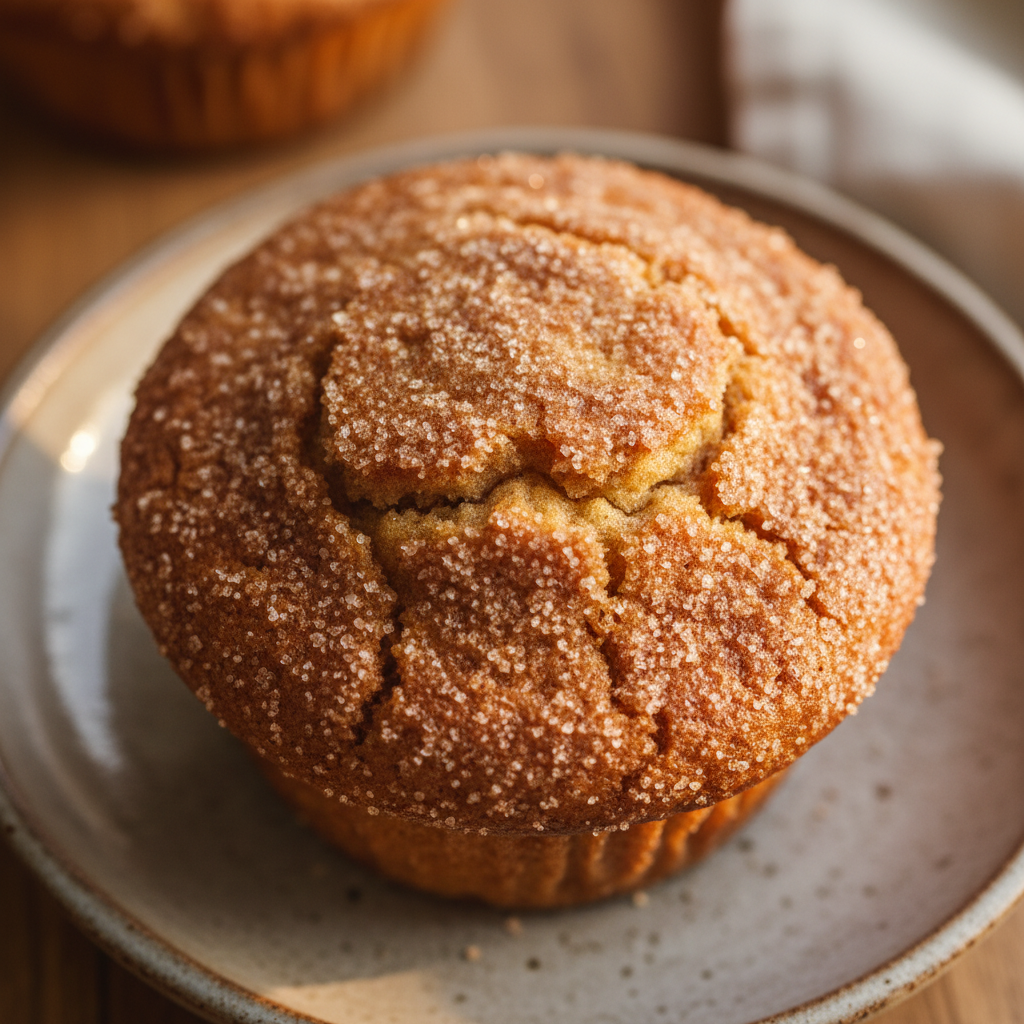
Table of Contents
Eggless Cinnamon Sugar Donut Muffins
Delight in these wonderfully moist and tender eggless cinnamon sugar donut muffins. They're a perfect treat for breakfast or a sweet snack, offering all the joy of a donut without the deep-frying, and without any eggs!
PREP TIME
5 mins
5 mins
COOK TIME
20 mins
20 mins
TOTAL TIME
25 mins
25 mins
Servings: 10–12 muffins
Course: Snack
Cuisine: American
Calories: 259
🥄 Ingredients
- 240 g (2 cups) all-purpose flour
- 150 g (¾ cup) granulated sugar
- 1½ teaspoons baking powder
- ¼ teaspoon baking soda
- ½ teaspoon salt
- ¼ teaspoon ground cinnamon
- ⅛ teaspoon ground nutmeg
- 240 ml (1 cup) milk
- 2 teaspoons white vinegar
- 113 g (½ cup) unsalted butter, melted
- 1 teaspoon pure vanilla extract
- 42 g (3 tablespoons) unsalted butter, melted (for topping)
- 37 g (3 tablespoons) granulated sugar (for topping)
- 1½ teaspoons ground cinnamon (for topping)
👩🍳 Method
- Preheat the oven to 350°F (175°C). Grease a standard 12-cup muffin pan with nonstick oil spray or line it with paper liners. Lightly grease paper liners for easy removal. Set aside.
- In a cup, combine the 240 ml (1 cup) milk and 2 teaspoons white vinegar. Mix well and set aside for at least 5 minutes to create a buttermilk substitute.
- In a large bowl, combine the 240 g (2 cups) all-purpose flour, 150 g (¾ cup) granulated sugar, 1½ teaspoons baking powder, ¼ teaspoon baking soda, ½ teaspoon salt, ¼ teaspoon ground cinnamon, and ⅛ teaspoon ground nutmeg. Whisk thoroughly to combine.
- In a separate bowl, whisk together the 113 g (½ cup) melted unsalted butter, the prepared milk + vinegar mixture, and 1 teaspoon pure vanilla extract.
- Pour the wet mixture into the dry ingredients. Mix until just combined, being careful not to overmix the batter.
- Use an ice cream scoop or a spoon to divide the batter evenly among the prepared muffin tins, filling each cup almost all the way to the top.
- Bake the muffins at 350°F (175°C) for 18-20 minutes, or until a cake tester inserted into the center comes out clean and the tops are golden brown.
- Remove the muffins from the oven and let them cool in the pan for 5 minutes. Then, transfer onto a cooling rack to cool completely.
- For the topping, in a small bowl, whisk together the 37 g (3 tablespoons) granulated sugar and 1½ teaspoons ground cinnamon. In another small bowl, place the 42 g (3 tablespoons) melted unsalted butter.
- Working one by one, use a pastry brush to spread melted butter on the top of each muffin. Immediately roll the buttered portion of each muffin in the cinnamon sugar mixture until evenly coated.
- If there’s any leftover cinnamon sugar, sprinkle it generously over the remaining muffins for extra flavor.
Notes: For perfectly golden and fluffy muffins, avoid overmixing the batter. A toothpick inserted into the center should come out clean when they're done. Store these muffins in an airtight container at room temperature for up to 3 days, or in the refrigerator for up to a week. They can also be frozen for longer storage.
Why These Eggless Donut Muffins Are a Must-Try
I developed this recipe because my daughter Molly has an egg allergy, and what began as a necessity turned into one of our most requested weekend treats. I needed muffins that carried the nostalgic scent of a fairground donut yet stayed light and moist without eggs. After dozens of experiments I settled on a balance of starch, gentle leavening, and dairy choices that mimic the structure and tenderness eggs normally provide. The result is a muffin that pulls apart with a soft, aerated crumb, while the exterior holds a thin, crisp envelope for the cinnamon sugar to cling to.
These are perfect for anyone who wants a dairy-free or vegan option, or for bakers who simply ran out of eggs. They are also forgiving enough for novice bakers. I share below not only the recipe but the why behind each choice, so you understand how to adapt confidently. Note: I include honest notes about failures that taught me the right swaps, because showing successes after many failures is the best proof that a method works in a real home kitchen.
Ingredient Notes & Smart Substitutions
I avoid listing measured ingredients here, but I will walk you through the role each main component plays and which substitutes give the best results. For structure and lift, a combination of flour and a modest amount of starch helps replicate the tender crumb eggs provide. I tried using only flax or only aquafaba early on and ended up with dense muffins or a gummy texture. Pairing a neutral binder like aquafaba with a small addition of starch or a dairy-free yogurt gave the lightest crumb. For moisture, dairy alternatives such as oat or soy milk with a touch of neutral oil work best, while coconut milk can add an unwanted sweetness unless you plan for it. For browning and
that faintly rich flavor, a small amount of non-dairy butter or a neutral oil with a tablespoon of plant-based yogurt does wonders. Flax Egg Recipe Mastery
On leavening, do not overdo baking powder. I learned that lesson the hard way when double the amount gave an initial blast of rise then a collapse. A reliable acid source, a splash of apple cider vinegar or lemon juice mixed into the milk substitute, activates baking soda and helps sustain lift for an open crumb. For the signature coating, granulated sugar with warm ground cinnamon is the classic finish, and a very light brushing of melted plant butter helps the mix stick without making the exterior soggy.
Method overview: The batter is mixed to a thick but pourable consistency, gently folded to retain air, portioned into a muffin tin, and baked until golden. After a brief rest, I roll each warm muffin in cinnamon sugar for the classic donut feel.
Essential Equipment for Perfect Muffins
You do not need a fancy setup to make these muffins, but a few tools make the process repeatable. I always use a standard muffin tin and paper liners for easy release, though a nonstick tin and light greasing works if you prefer no liners. A reliable oven thermometer is one of my most recommended purchases; inaccurate oven temps were a hidden cause of many early failures. A small to medium whisk and a rubber spatula help mix without overworking the batter, and an ice cream scoop or spoon helps portion batter consistently so every muffin bakes evenly. For the cinnamon sugar finish, a shallow bowl is handy for rolling while the muffins are still warm. If you plan to
make minis, a mini muffin tin is required and bake times will be noticeably shorter, so keep a close eye on color. Finally, a cooling rack prevents sogginess from trapped steam and keeps the exterior crisp for rolling.
Pro Tips for Baking Success & Troubleshooting
Here are the techniques I rely on to get consistent results, plus troubleshooting notes from real mistakes I made while refining this recipe. First, measure flour correctly. I weigh when I can, but if you spoon and level, you avoid compacted flour that gives heavy muffins. Second, temperature matters; room temperature wet ingredients incorporate better and encourage even rise. I once mixed cold plant milk straight from the fridge and got an uneven crumb; warming to just below room temperature fixed it.
Third, mix gently. Overmixing develops gluten and leads to tough muffins. I mix until dry bits disappear and then stop, folding rather than whisking aggressively. Fourth, watch your leavening. If your muffins rise quickly and then fall, reduce chemical leavening or check the freshness of your baking powder. I kept fresh baking powder on hand after one disastrous batch that collapsed and turned dense. Fifth, timing on the cinnamon-sugar coating matters. Roll the muffins while warm but not hot; if too hot the sugar can dissolve into a glaze that becomes sticky, and if too cool it will not adhere. Finally, if muffins are dense, consider your binder choice and the liquid ratio. I keep a small extra spoon of
plant milk on standby to adjust batter thickness if it seems too stiff.
Common quick fixes: for flat muffins check oven temperature and leavening; for gummy centers reduce liquid slightly or increase a stabilizer like a small additional gram of starch. For crumbly muffins increase the fat slightly or add a spoon of plant yogurt for tenderness. These are the small adjustments I learned through trial and error in a real home kitchen.
Creative Variations & Flavor Twists
Once you have the base method down, variations are simple and fun. Add a vanilla bean or extract for a classic bakery aroma, Eggless Nutella cake for flavor inspiration, stir in finely chopped apples and a pinch of nutmeg for a spiced apple version, or fold in a handful of dairy-free chocolate chips for a more indulgent treat. For a citrus twist, add a touch of orange zest to the batter and swap the cinnamon sugar for a lemon-sugar finish. If you want a richer, bakery-style texture, briefly fold in a small amount of pureed banana or applesauce, but be aware these will add moisture so reduce another liquid slightly.
To make mini donut muffins, reduce portion size and watch bake time closely. For a filled version, press a small indentation in the warm muffin and pipe in jam, dairy-free custard, or chocolate spread. For a nutty crunch, finely chopped toasted pecans or walnuts folded into the batter or sprinkled on top before baking add contrast. For a spiced seasonal batch, increase the cinnamon and add cardamom or ginger. All variations maintain the same basic technique: keep batter thickness steady and adjust moisture if you add wet mix-ins. I experimented with many mix-ins in Molly’s teenage years; some were disasters, like when I added too much grated carrot and ended up with a soggy center. Those lessons taught me to
treat wet mix-ins like liquid and compensate accordingly.
Serving Suggestions & Storage Tips
Serve these warm for the best donut-like experience, with a mug of tea or a cold oat milk latte. They are also lovely at room temperature and travel well for picnics. For storing, place cooled muffins in an airtight container at room temperature for up to two days. If you prefer a slightly crisper exterior the next day, refresh them briefly in a low oven or a hot air toaster to restore the outer crunch. Freeze single-layer in a sealed bag for longer storage; to reheat, thaw briefly at room temperature then warm until just soft. I always label frozen batches with the date and whether they are mini or standard, because reheating differs slightly between sizes. For coating preservation,
if you plan to stack muffins after coating, cool completely first and then separate layers with baking paper to prevent sticking. In my kitchen, a stacked tin lasts through a busy weekend if stored out of direct sunlight and away from strong odors.
Common Mistakes to Avoid for Fluffy Muffins
Many problems are preventable with a few mindful choices. Do not overmix. This is the primary cause of dense or tough muffins. Measure flour properly to avoid packing in too much dry ingredient. Avoid adding too much liquid or wet mix-ins without reducing other liquids. I learned this during early tests where I wanted extra apple and forgot to cut back on milk, resulting in a gummy center that was not salvageable. Check your leavening agents for freshness. Old baking powder or soda will give weak rise. Avoid dramatic temperature swings; opening the oven door multiple times early in the bake can cause a collapse. Finally, avoid rolling completely cold muffins in cinnamon sugar; the sugar will not adhere. Roll
warm, then cool fully on a rack.
Understanding the Science Behind Eggless Baking
Eggs provide emulsification, structure, and lift in many baked goods. In egg-free muffins, I replace those functions with combinations of binders, fats, and leavening chemistry. Aquafaba and flaxseed mixtures act as binders that trap some air and help with structure, while a measured amount of oil or plant-based butter provides tenderness. The acid-plus-baking-soda interaction creates early lift, and the right balance of baking powder gives ongoing rise in the oven. Starch and a touch of extra gluten from wheat flour help create the network that holds air pockets. Too much starch without adequate liquid leads to a dry crumb, and too much liquid without structure causes collapse. Understanding these relationships allowed me to troubleshoot real failures and arrive at a
balanced formula that makes airy, moist muffins with a donut-like mouthfeel.
Healthier Alternatives for Your Donut Muffins
If you want a lighter version, you can swap part of the white flour for a whole grain or oat flour, but reduce the swap to avoid a heavy result. Increasing fiber with a small portion of oat flour adds nuttiness, but you may need a touch more liquid. For lower sugar, reduce the batter sugar slightly and keep the cinnamon-sugar finish light, or replace the finish with a dusting of powdered sugar substitute. For a higher-protein option, try a small addition of chickpea flour combined with wheat flour, but do so sparingly as it can affect flavor. For those avoiding dairy, choose unsweetened soy or oat milk and a neutral oil to maintain tenderness. I tested many ‘healthier’ swaps
and found that partial substitutions maintain the donut-like profile best while fully replacing refined elements often changed the character too much. My principle is balance: a small change can improve nutrition without losing the treat aspect people love. Eggless Oatmeal Cookie Recipe
Conclusion
If you want a dependable, inclusive treat that reminds you of donuts but is baked and egg-free, this method delivers. From my kitchen in Castleton to yours, I share the practical tricks I learned after many batches that did not work, so you can avoid the same pitfalls. Molly’s allergy was the original spark, but the real reward has been creating a recipe that welcomes everyone to the table. Take the method, adapt one variation at a time, and trust small adjustments rather than big jumps. I hope these muffins become a regular weekend ritual in your home as they are in mine.
Happy baking, Elsie Marlow, NoEggRecipes.com
Love this recipe? Follow us on Facebook and Pinterest and explore more creative ideas on our food blog!
Frequently Asked Questions
How do eggless muffins get their light and fluffy texture?
Light texture comes from a combination of a reliable binder like aquafaba or flaxseed, the right balance of baking powder and soda with an acid, and gentle mixing to avoid gluten development. A small addition of starch or plant yogurt can imitate the tender structure eggs often provide.
Can I make these donut muffins gluten-free?
Yes, but swap to a tested gluten-free flour blend that contains a binder like xanthan gum and expect to tweak liquids slightly. I recommend starting with a partial swap and testing, since straight one-to-one substitutions can yield a different crumb.
What’s the best way to store eggless cinnamon sugar donut muffins?
Store cooled muffins in an airtight container at room temperature for up to two days. For longer storage, freeze in a single layer in a sealed bag and reheat in a low oven or toaster to refresh the exterior before serving.
Can I prepare the batter ahead of time?
You can prepare batter and refrigerate for a short period, but I prefer making it fresh for best rise. If you do refrigerate, bring to near room temperature before baking and expect a slightly reduced lift.
Why are my eggless muffins dense?
Common causes include overmixing, too much flour, expired leavening, or an overly wet mix-in without reducing other liquids. Check measurements, mix gently, and verify your baking powder is fresh.
What other toppings can I use?
Try a dusting of powdered sugar, a light glaze of plant-based milk mixed with a little powdered sugar, a jam or chocolate filling, or chopped toasted nuts for crunch. Apply glazes sparingly to preserve the donut-like texture.
Are these muffins suitable for a vegan diet?
They can be, if you use plant-based milk and butter substitutes and a vegan binder like aquafaba. Ensure any add-ins, such as chocolate chips, are also dairy-free.