No Egg Recipes – Delicious Cooking Without Eggs

Easy Eggless Cake Recipe That’s Incredibly Moist and Delicious
Discover Elsie's Easy Eggless Cake Recipe, perfected over years for incredible moisture & flavor. Get 7 proven tips & trusted methods from her Peak District

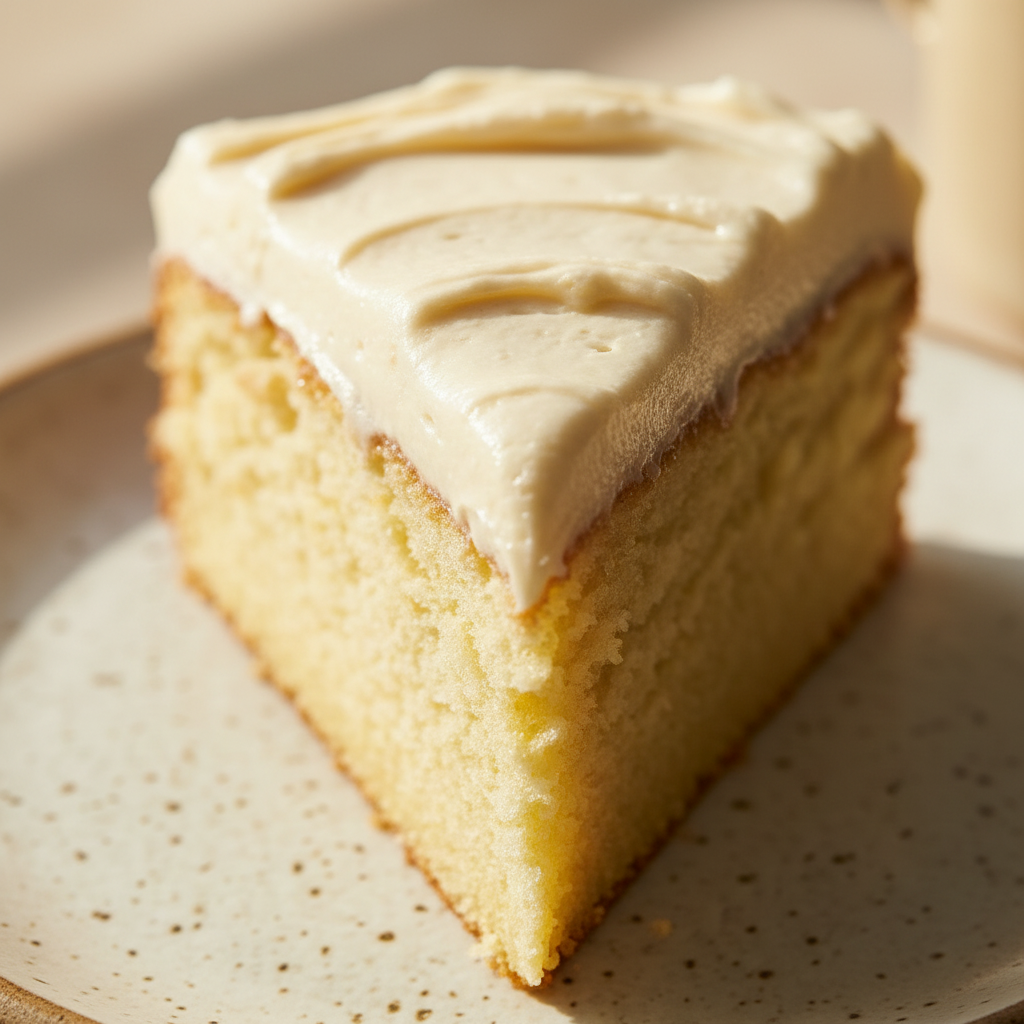
After countless trials in my Peak District kitchen, I’ve perfected this Easy Eggless Cake Recipe that rivals any traditional cake. What began as a necessity for my daughter Molly’s egg allergy has become our family favorite. The texture is incredibly moist with a tender crumb that doesn’t crumble when sliced. I’ve fine-tuned each measurement and technique so you can achieve bakery-quality results without eggs.
- Texture target: Batter should feel smooth and slightly thick but still pourable; cake should spring back lightly when touched
- Reliable swap: Yogurt provides moisture and binding power that eggs typically deliver
- Make-ahead: Unfrosted cake layers keep beautifully for 3 days at room temperature or freeze for up to 2 months
Table of Contents
Moist Eggless Vanilla Cake
A delightful and easy-to-follow recipe for a moist eggless vanilla cake that tastes just as good as its egg-containing counterparts, perfect for those with dietary restrictions or simply looking for a simple baking project.
PREP TIME
10 mins
10 mins
COOK TIME
28 mins
28 mins
TOTAL TIME
128 mins
128 mins
Servings: 12 servings
Course: Snack
Cuisine: American
Calories: 345
🥄 Ingredients
- 2½ cups (330 g) all-purpose flour
- 2½ teaspoons baking powder
- ½ teaspoon fine sea salt
- ¾ cup (185 g) plain yogurt (not Greek), at room temperature
- 1½ cups (300 g) white granulated sugar
- 1½ tablespoons vanilla extract
- ½ teaspoon baking soda
- ½ cup (113 g) unsalted butter, melted
- ¼ cup (50 g) unflavored vegetable oil (such as canola)
- 1 cup (240 ml) milk, warmed
👩🍳 Method
- Preheat your oven to 320°F (160°C) with the fan on. Grease and lightly flour two 8-inch (20 cm) cake tins, or line with parchment paper. If you don’t have a fan oven, preheat to 347°F (175°C).
- In a medium bowl, sift together the all-purpose flour, baking powder, and fine sea salt. Whisk briefly to combine, then set aside.
- In a large mixing bowl, combine the plain yogurt, white granulated sugar, vanilla extract, and baking soda. Mix until well combined and let it sit for a few minutes; it should become frothy.
- In a microwave-safe bowl or jug, combine the melted unsalted butter, unflavored vegetable oil, and warmed milk. Heat in the microwave (or on the stovetop) until the butter is fully melted and the mixture is warm to the touch.
- Once the yogurt mixture is frothy, add half of the warm milk mixture and whisk until combined. Then, gradually add half of the sifted dry ingredients and gently mix until just combined. Add the remaining warm milk mixture and gently whisk until just combined. Finish by adding the remaining dry ingredients and whisking gently until just combined. Be careful not to overmix the batter.
- Divide the batter evenly between the two prepared 8-inch cake tins. Lightly tap the cake tins on your counter a few times to release any large air bubbles.
- Bake for 28 minutes, or until a toothpick inserted into the center of the cakes comes out clean. Let the cakes cool in their tins for about 20 minutes before inverting them onto a wire rack to cool completely. This is crucial for proper cake structure and moisture.
- Once completely cooled, the cakes are ready to be frosted and decorated as desired.
Notes: For best results, allow cakes to cool completely before frosting. This cake stores well at room temperature in an airtight container for up to 3 days, or refrigerated for up to a week. To freeze, wrap individual slices or whole cakes tightly in plastic wrap and then foil; they'll keep for up to 3 months. When baking, a toothpick inserted into the center should come out clean, and the tops should spring back when lightly touched.
Why This Eggless Cake Recipe Works Wonders
The magic of this egg-free cake lies in understanding what eggs actually do in traditional baking. Eggs provide structure, moisture, and leavening. In this recipe, I’ve carefully balanced ingredients that replicate all these functions. The combination of yogurt and vinegar creates the perfect acidic environment that activates the baking soda, resulting in an impressive rise. Meanwhile, the yogurt adds moisture that eggs would typically provide. For an understanding of substituting eggs, this guide is useful.
I discovered through many test batches that the order of mixing makes a dramatic difference. Creaming the butter and sugar properly incorporates air pockets that expand during baking, creating that light, fluffy texture we all crave. And unlike many egg-free recipes that turn out dense or gummy, this one maintains a delicate crumb structure.
What truly sets this recipe apart is its reliability. Whether I’m baking on a humid summer day or in the dry winter months, it adapts beautifully. I’ve served this to countless friends who had no idea it was egg-free until I told them. That’s the ultimate test of a great recipe, isn’t it?
Ingredient Notes & Simple Substitutions
After years of experimentation, I’ve found that the quality of ingredients dramatically impacts the final cake. For the flour, all-purpose works wonderfully, but cake flour creates an even more delicate texture if you have it on hand. If using cake flour, add an extra tablespoon per cup to compensate for the lower protein content.
The yogurt is truly the star ingredient here. I prefer full-fat plain Greek yogurt for its thick consistency and tangy flavor that balances the sweetness. However, regular yogurt works too, just expect a slightly different moisture level. For a dairy-free version, coconut yogurt has given me excellent results, though the flavor will carry subtle coconut notes. Additionally, consider using nut-based alternatives to enhance flavor.
Vanilla extract quality makes a noticeable difference. I splurged on Madagascar bourbon vanilla after Molly’s birthday cake tasted dramatically better with the premium extract. That said, if you’re adding other flavors like lemon zest or almond extract, a standard extract works fine.
For the vinegar, apple cider vinegar is my go-to, but white vinegar works just as well. This small amount doesn’t leave any taste but creates the perfect reaction with baking soda for optimal rise. If you’re completely out of vinegar, lemon juice can substitute in equal amounts.
Regarding fat content, unsalted butter gives the richest flavor, but I’ve successfully used neutral oils like canola or vegetable oil when I wanted a dairy-free version. The texture becomes slightly more moist with oil, which some of my family members actually prefer.
Essential Equipment for Perfect Baking
While fancy gadgets aren’t necessary for this forgiving recipe, a few key tools make all the difference. First, invest in good quality cake pans. I learned this lesson the hard way after a particularly memorable disaster when Molly’s birthday cake stuck stubbornly to a thin, warped pan. Now I use heavy-gauge aluminum pans with straight sides that conduct heat evenly.
An electric mixer, either stand or handheld, helps achieve the perfect creaming stage for butter and sugar. When I attempt this by hand, I never get the same airy texture. That said, for those without a mixer, vigorous whisking for a solid 3-4 minutes can produce acceptable results.
Parchment paper circles have saved countless cakes in my kitchen. Tracing the pan bottom and cutting out circles ensures easy release every time. I once skipped this step when rushing and regretted it immediately when half the cake remained stuck to the pan.
A good rubber spatula is invaluable for folding and scraping down the sides of your bowl. This ensures all ingredients are thoroughly incorporated without overmixing. I find the silicone ones with a slightly flexible edge work best for getting every last bit of that precious batter.
Finally, an oven thermometer has proven essential in my home kitchen. I discovered my oven runs 25 degrees cooler than the setting indicates, which explained some inconsistent results early in my baking journey. Knowing your oven’s true temperature helps achieve that perfectly moist crumb every time.
Pro Tips for a Flawless Eggless Cake
After years of perfecting egg-free baking, I’ve gathered some crucial insights that elevate this cake from good to exceptional. First, room temperature ingredients aren’t just a suggestion, they’re essential. Cold yogurt or butter can cause the batter to separate or develop a gritty texture. I set everything out at least an hour before baking, or when I’m in a hurry, I place the yogurt container in warm water for 10 minutes.
The mixing sequence matters tremendously. I cream the butter and sugar until truly light and fluffy, usually 3-4 minutes, which is longer than most people think. You’ll notice the color change to a pale yellow when it’s ready. This creates the air pockets that help your cake rise beautifully. If you’re curious about flavor-rich options, check out cinnamon donut muffins for inspiration.
Learning to recognize the perfect batter consistency took practice. It should ribbon off the spatula smoothly, not drip in globs or run too thin. If the batter seems too thick, I add 1-2 tablespoons of milk. Too thin? A tablespoon of flour usually fixes it.
When checking for doneness, look beyond the toothpick test. A properly baked cake should also pull slightly away from the pan edges and spring back when lightly touched in the center. There’s also a distinctive aroma that develops, a warm vanilla fragrance that signals perfection. If the center wobbles even slightly when you gently shake the pan, give it another 3-4 minutes.
The cooling process is often rushed but critically important. I cool in the pan for exactly 10 minutes, no more or less. Too short and the cake might break; too long and condensation can make the bottom soggy. After inverting onto a cooling rack, I immediately flip it right-side up again to prevent rack marks on the delicate top surface.
Creative Variations & Flavor Upgrades
This versatile base recipe has become my canvas for countless flavor experiments. My chocolate variation simply swaps out 1/4 of the flour for cocoa powder, creating a rich, dark cake that’s become Molly’s favorite. For an indulgent twist, I fold in mini chocolate chips that create pockets of melty goodness throughout.
Citrus variations bring brightness to winter celebrations. Adding lemon, orange, or lime zest to the batter transforms the cake completely. I discovered that adding the zest during the butter-sugar creaming stage releases the most flavor as the oils infuse into the fat.
Spice variations have become our autumn tradition. A mixture of cinnamon, nutmeg, and clove creates a warm profile perfect for fall gatherings. During the holidays, I add crystallized ginger pieces for unexpected bursts of flavor that complement the warm spices beautifully.
For an elegant dessert, I sometimes brush the baked layers with flavored syrups. A simple combination of sugar, water, and a splash of liqueur or extract creates a moisture-sealing layer that adds subtle complexity. The almond version paired with fresh berries has become my signature for dinner parties.
Don’t underestimate the power of mix-ins. Beyond chocolate chips, I’ve successfully incorporated blueberries (lightly coated in flour to prevent sinking), chopped nuts, and even small pieces of candied fruit for special occasions. The most surprising success was finely chopped rosemary with lemon zest, creating an herbaceous cake that paired wonderfully with afternoon tea. If you’re interested in other egg-free desserts, explore red velvet kookies for more delicious ideas.
Mastering Serving, Storage & Make-Ahead
The beauty of this eggless cake is its remarkable keeping quality. Unfrosted, it stays moist at room temperature for up to 3 days when stored in an airtight container. I place a piece of parchment against any cut surfaces to preserve freshness, a trick I learned after many half-eaten cakes dried out on one side.
For make-ahead convenience, I often bake the layers in advance and freeze them. After cooling completely, I wrap each layer tightly in plastic wrap, then aluminum foil, before freezing. They keep beautifully for up to 2 months. The key to defrosting is patience – I transfer frozen layers to the refrigerator overnight, then bring them to room temperature for 1-2 hours before frosting.
Speaking of frosting, this cake pairs wonderfully with various options. Buttercream is classic, but my family particularly loves cream cheese frosting for its tangy contrast. For dairy-free guests, I’ve created a silky chocolate ganache using coconut cream that sets beautifully at room temperature.
For summer gatherings, I’ve served this cake with macerated berries and whipped cream instead of traditional frosting. The juices from the berries soak slightly into the cake, creating a delightful texture contrast. This lighter approach lets the cake’s flavor shine through.
If you’re serving the cake for a special occasion, consider a simple syrup soak just before frosting. This professional technique ensures every bite stays moist, especially important if you’re assembling the cake a day before serving. My basic ratio is 1:1 sugar to water, brought to a boil then cooled completely before brushing onto the layers.
Common Baking Hurdles & How to Solve Them
Even with a reliable recipe, cake-making can present challenges. I’ve encountered most of them over the years and developed practical solutions. If your cake sinks in the middle, it’s likely undercooked or the oven door was opened too early. I never check before 20 minutes of baking time has passed, allowing the structure to set properly.
Dense, gummy texture usually indicates overmixing after adding flour. I fold in dry ingredients just until no streaks remain, using a gentle hand. The first time I made this cake, I beat it vigorously thinking more air would help without eggs, but learned this actually develops gluten and creates toughness.
If your cake sticks to the pan despite greasing, try the parchment paper method I mentioned earlier. For particularly stubborn cakes, running a thin knife around the edge immediately after removing from the oven can prevent sticking as the cake contracts during cooling.
Uneven rising sometimes happens with my village’s temperamental oven. I rotate the pan halfway through baking time, but carefully and quickly to minimize heat loss. If one side of your oven runs hotter (a common issue), this simple step works wonders.
For crumbly texture that falls apart when slicing, the cake likely lacks sufficient binding agents. In my early experiments, I sometimes reduced the yogurt, thinking it would make a lighter cake, but learned it’s essential for structure in the absence of eggs. Ensuring you’re using the full amount of yogurt and measuring flour correctly (spoon and level, never scoop) helps achieve that perfect sliceable texture.
If your cake has a pronounced dome, it’s usually due to high oven temperature causing the outside to set before the center rises fully. Besides checking your oven temperature, you can place an insulating strip around the outside of the pan. I make these easily with folded damp paper towels wrapped in foil that help the cake rise more evenly.
Understanding Egg Substitutes in Baking
My journey into egg-free baking opened a fascinating world of food science. Eggs perform multiple functions in traditional cakes: they provide structure, moisture, leavening, and binding. Successfully replacing them requires understanding these roles and compensating appropriately.
Yogurt works brilliantly because it provides both moisture and binding properties. The proteins in yogurt help create structure while the acidity activates leavening agents. I’ve found that 1/4 cup of yogurt generally substitutes well for one egg in most recipes, though this varies depending on the original recipe’s chemistry.
Flax and chia “eggs” (1 tablespoon ground seeds mixed with 3 tablespoons water) work through a different mechanism. They form a gel-like consistency that mimics the binding properties of egg proteins. These work well in heartier bakes but sometimes leave visible specks and a slightly nutty flavor that doesn’t always suit delicate vanilla cakes. Discover more about flax substitutions for other recipes.
Commercial egg replacers typically use a combination of starches and leavening agents. They’re convenient but I find the results less consistent than using yogurt or other whole food substitutes. When I’ve used them in a pinch, I often boost them with a bit of extra baking powder for better rise.
Aquafaba (the liquid from canned chickpeas) has remarkable properties when whipped and can substitute for egg whites in certain applications. While not ideal for this particular cake recipe, I’ve had success using it in meringues and as a binding agent in other bakes.
Silken tofu, when pureed, provides excellent moisture and binding but minimal leavening. I sometimes use it in denser cakes and brownies, but for light, fluffy cakes like this one, the yogurt-vinegar combination gives superior results. The science behind these substitutions continues to fascinate me, and understanding the “why” has improved all my egg-free baking.
Making Cake Mix Egg-Free Easily
Not everyone has time to bake from scratch, and I’ve spent considerable effort perfecting the art of converting boxed cake mixes to egg-free versions. The simplest method I’ve discovered is replacing each egg with 1/4 cup of yogurt plus 1/4 teaspoon of baking powder. This combination provides the moisture, binding, and extra lift needed to compensate for the missing eggs.
Carbonated water is another surprisingly effective substitute when using boxed mixes. The bubbles help with leavening while adding necessary moisture. I typically use 1/4 cup of carbonated water (seltzer, not flavored) per egg, plus a tablespoon of oil to replace the fat that eggs would provide.
For chocolate cake mixes specifically, I’ve had remarkable success using 1/4 cup of mashed ripe banana per egg. The banana flavor mysteriously disappears in the chocolate, and the texture remains moist for days. This won’t work for vanilla mixes, however, as the banana flavor comes through too strongly.
When converting mixes to egg-free, mixing technique becomes even more important. I beat the mixture for a full 30 seconds longer than the box suggests to incorporate more air. Then I immediately transfer to the prepared pan and bake right away, before those air bubbles have a chance to escape.
One final tip for cake mixes: adding an extra 2 tablespoons of flour to the mix helps compensate for the structural changes when removing eggs. This creates a sturdier cake that holds up well to frosting and fillings. The transformation from ordinary box mix to spectacular egg-free cake never fails to impress guests, making it my secret weapon for last-minute gatherings.
Conclusion
This Easy Eggless Cake Recipe represents years of kitchen experiments, failures, and ultimately, delicious success. What began as a necessity for my daughter Molly has evolved into a cake that everyone requests, regardless of dietary needs. The journey taught me that limitations often lead to unexpected discoveries and innovations.
Whether you’re avoiding eggs due to allergies, ethical choices, or simply because you’ve run out, this recipe proves that egg-free baking doesn’t mean compromising on taste or texture. The moist, tender crumb and versatile base can be adapted to countless flavor variations, making it a true kitchen staple.
I hope the detailed tips and troubleshooting advice give you the confidence to try egg-free baking, even if previous attempts have disappointed. Remember that baking is both science and art, and sometimes the subtle cues, like the way batter ribbons off a spoon or the fragrance that fills your kitchen, are as important as precise measurements.
As you create your own egg-free masterpieces, I’d love to hear about your experiences and adaptations. The most rewarding part of sharing recipes is knowing they take on new life in other kitchens, creating moments of joy around other tables. Happy baking from my Peak District kitchen to yours!
Love this recipe? Follow us on Facebook and Pinterest and explore more creative ideas on our food blog!
Frequently Asked Questions
How to bake a simple cake for beginners without eggs?
For beginners, start with a straightforward recipe using yogurt as your egg substitute. Measure ingredients precisely, ensure all components are at room temperature, and follow the mixing order carefully. The most common mistake is overmixing once flour is added, so stir just until combined. Use the toothpick test plus visual cues (slight pulling from pan edges and springy center) to determine doneness. Begin with a simple vanilla base before trying variations, and remember that practice improves your intuition about batter consistency and baking times.
What do eggless cakes use instead of eggs?
Eggless cakes use various substitutes that replicate eggs’ multiple functions. Common replacements include: yogurt or buttermilk (provides moisture and acidity for leavening), mashed bananas or applesauce (for moisture and binding), ground flaxseed or chia seeds mixed with water (creates a gel-like binding agent), silken tofu (adds moisture and protein structure), commercial egg replacers (typically starch-based), carbonated water (adds moisture and helps with leavening), and vinegar paired with milk (creates a buttermilk-like substitute that reacts with baking soda). Each substitute works differently, so they’re not universally interchangeable across all recipes.
What to use for cake if there are no eggs?
If you’re out of eggs, several kitchen staples work well as substitutes in cake recipes. For one egg, use: 1/4 cup yogurt (plain or Greek), 1/4 cup mashed ripe banana, 1/4 cup applesauce, 1 tablespoon ground flaxseed mixed with 3 tablespoons water (let sit 5 minutes first), 1/4 cup silken tofu (pureed), 1/4 cup carbonated water plus 1 tablespoon vegetable oil, or 1 tablespoon white vinegar plus enough milk to make 1/4 cup (let sit 5 minutes). The best choice depends on your cake flavor and what you have available, with yogurt being the most versatile option for most cake recipes.
How to make cake mix with no eggs?
To make boxed cake mix without eggs, replace each egg with one of these options: 1/4 cup plain yogurt plus 1/4 teaspoon baking powder, 1/4 cup carbonated water plus 1 tablespoon oil, 1/4 cup mashed banana (works best with chocolate mixes), or 1/4 cup applesauce. Mix for 30 seconds longer than the box directs to incorporate more air, add 2 tablespoons extra flour for better structure, and bake immediately after mixing. Check for doneness a few minutes earlier than the package suggests, as egg-free mixes sometimes bake faster.
Are eggless cakes healthier?
Eggless cakes aren’t inherently healthier than traditional cakes, as both still contain sugar and fat. However, they can be beneficial for specific dietary needs. They’re obviously suitable for those with egg allergies and those following vegan diets. Eggless cakes typically have slightly lower cholesterol content, which may benefit those monitoring cardiovascular health. The overall healthfulness depends more on other ingredients like the type of flour, sugar content, and fat sources used. Some egg substitutes like applesauce or mashed banana can reduce fat content slightly, but the primary benefit is accessibility for those who can’t or choose not to consume eggs.
Can you taste the difference in eggless cake?
A well-made eggless cake is virtually indistinguishable from traditional cake in blind taste tests. The key differences are more about texture than flavor, with eggless cakes sometimes having a slightly more tender crumb. The taste difference becomes undetectable when you use neutral substitutes like yogurt or commercial egg replacers. Substitutes with distinct flavors (like banana or applesauce) may impart subtle notes, but these typically complement rather than detract from the cake. With proper techniques and quality ingredients, most people cannot identify an eggless cake by taste alone, making them perfect for all occasions.
What is the best egg substitute for baking a cake?
Yogurt is generally the most versatile and reliable egg substitute for cake baking. It provides moisture, acidity for leavening reactions, and some protein content that helps with structure. For each egg, use 1/4 cup of plain yogurt (Greek or regular). Other excellent options include commercial egg replacers (follow package directions), 1/4 cup applesauce (works well in spice cakes), ground flaxseed mixture (1 tablespoon ground flax + 3 tablespoons water, best for heartier cakes), or 1/4 cup carbonated water plus 1 tablespoon oil (creates exceptionally light texture). The best choice depends on your specific recipe and desired outcome.