No Egg Recipes – Delicious Cooking Without Eggs

Flax Egg Recipe Mastery: Elsie Marlow’s Guide to Reliable Egg-Free Baking
Master the flax egg recipe! Elsie's trusted guide gives you predictable texture & rise for egg-free bakes, perfected in a busy Castleton kitchen. Get Elsie's

I promise repeatable texture and fewer surprises in the oven, because I learned the hard way in my busy Castleton kitchen. Here I share a practical, results-first approach to a flax egg recipe I trust for muffins, quick breads, and many cookies, so you get consistent structure, the right chew, and reliable rise. Expect sensory cues, quick fixes, and the single make-ahead habit that saves my mornings.
- Texture target: thick but pourable gel that binds without gumminess
- Reliable swap/tool: room temperature water and a fine grind for consistent set
- Make-ahead: refrigerate small batches for up to a few days, stir before using
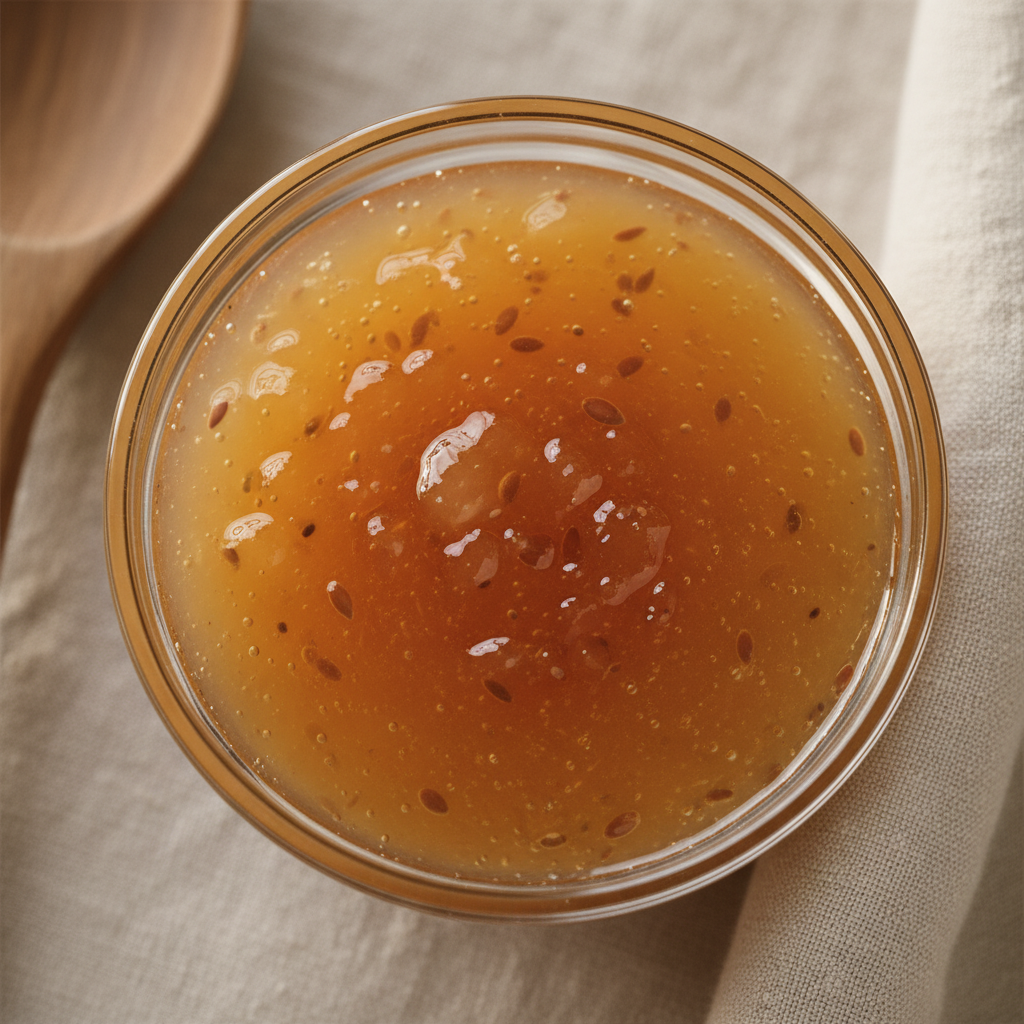
Table of Contents
Classic Flax Egg Recipe
Learn how to make a versatile flax egg, a perfect plant-based substitute for chicken eggs in many baking recipes. This simple two-ingredient recipe comes together quickly and forms a 'gloopy' consistency ideal for binding.
PREP TIME
10 mins
10 mins
COOK TIME
0 mins
0 mins
TOTAL TIME
10 mins
10 mins
Servings: 1 flax egg
Course: Snack
Cuisine: Vegan
Calories: 37
🥄 Ingredients
- 1 tablespoon (7 grams) ground flaxseeds (also known as flaxseed meal)
- 3 tablespoons (45 ml) water
👩🍳 Method
- Combine the ground flaxseeds and water in a small bowl. If your recipe calls for multiple eggs, multiply these ingredients as necessary for every flax egg you need, and mix them together in the same bowl.
- Stir the mixture thoroughly with a fork until the flaxseeds and water are well combined.
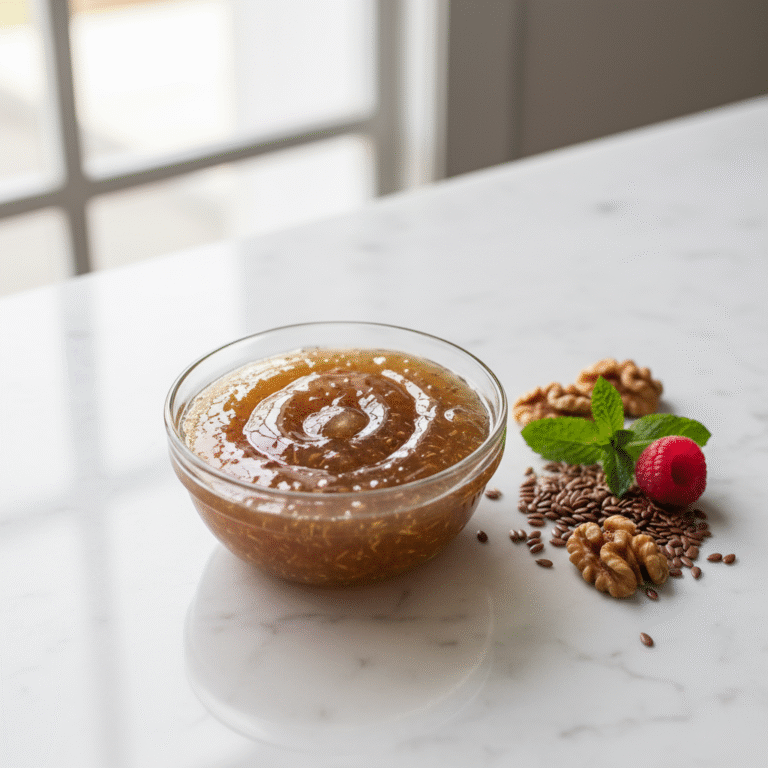
- Let the mixture rest for at least 10 to 15 minutes. During this time, the flaxseeds will absorb the water and create a thick, somewhat gloopy or congealed consistency.
- Once thickened, your flax egg is ready to be used in place of a chicken egg in your baking project. Ensure the consistency is gelatinous before adding it to your recipe.
Notes: A properly made flax egg should have a thick, gelatinous consistency, similar to a raw egg white. This stickiness is crucial for its binding properties in baking. While best used fresh, you can prepare it a little in advance if needed. Store any leftover ground flaxseed in an airtight container in the refrigerator to maintain its freshness and prevent rancidity.
Why Flax Eggs are a Game-Changer for Baking
When Molly developed an egg allergy, I needed a way to deliver the same comforting crumb and lift in our family bakes without leaving anyone out. Flax eggs became my go-to because they create a glue-like matrix that traps air and holds ingredients together, producing tender crumb and gentle rise in many recipes. The textured result is different from a chicken egg, but in my experience you can reach delicious parity for a huge range of quick bakes. For example, the eggless Nutella cake demonstrates how seeds can support a rich texture.
Scientifically, ground flax forms a gel thanks to soluble fibers and mucilage, which swell with water and create viscosity. That gel interacts with starches and fats in batters to improve cohesion and moisture retention. In practice, that means better sliceability for quick breads and less crumbling in cookies. I also appreciate the mild, nutty flavor that lifts whole grain recipes rather than masking them.
I mean this in a practical way: I do not use flax eggs for everything, but I use them where structure and tenderness matter without the need for strong foam-like leavening. For any cook aiming to bake for allergic family or plant-based guests, this substitution opens up many familiar recipes with surprisingly little compromise.
Ingredient Notes & Substitutions
I always keep a jar of freshly ground flaxseed meal in the cupboard and a small scoop in my baking drawer. The key attributes I look for are freshness and fineness of grind. Freshly ground seeds release their mucilage more reliably, and a finer texture disperses evenly through batter so you avoid gritty pockets. If your meal smells strongly of cardboard or tastes bitter, it is past its best and will dull your bakes. For more on practical substitutions, try the Vanilla Cake No Milk No Egg.
When you cannot use flax for flavor or allergy reasons, a chia gel can be a useful alternative because it also forms mucus-like gels. However, chia tends to have a firmer gel and slightly different moisture behavior, so I adjust liquid a little when I swap. Silken tofu is another option for denser cakes and brownies, offering protein and body but a different crumb and mouthfeel. For egg-like lift where foam is essential, aquafaba is a better choice than seed gels.
Salt, sugar, and acid all change how a seed gel behaves. I learned that acidic batters can reduce gel strength slightly, so in recipes with a lot of lemon or vinegar I either add a touch more seed gel or reduce the acidic liquid marginally. Similarly, very high-fat batters will feel softer; that is fine for muffins but you may want to firm the batter slightly for cookies or bars.
Pro Tips & Troubleshooting for Perfect Flax Eggs
Over years of baking with Molly and guests in mind, I compiled a set of simple troubleshooting rules that rescue most problems. If your seed gel does not thicken, check the grind first. Whole or coarsely cracked seeds take much longer to release mucilage, and sometimes they never fully gel in cold water. Always grind to a fine meal before mixing.
If the gel feels too loose, add a bit more seed meal in small increments and allow time to hydrate. Patience matters, because some blends need a full 10 to 15 minutes to reach peak viscosity. If a batter feels gummy or sticky after adding the gel, you likely have too much water relative to dry ingredients or an over-finely milled meal that has absorbed too much moisture. Counter that by increasing dry flour slightly or decreasing added liquid on the next bake.
For binding failures where bars or cookies crumble after cooling, make sure you gave the gel adequate time to set and that you did not overmix the batter. Overmixing breaks down air pockets and can dilute the gel network. Temperature matters too: dough that is too warm can relax structure before the oven sets it, so chill drop cookie dough briefly if the kitchen is hot.
Finally, always test a new recipe in a small batch first. My favorite test is to bake a single muffin to check crumb and texture, then tweak hydration or gel strength before committing to a full tray. These small checks save time and ingredients.
Understanding the Ideal Flax Egg Ratio for Recipes
Consistency begins with ratio. In my kitchen I aim for a seed-to-liquid balance that produces a glossy, slightly viscous gel that will bind without creating rubbery texture. For fragile cakes and cookies I prioritize a slightly looser gel so the crumb stays tender; for dense loafs and bars I favour a firmer gel for structural support. The right ratio depends on your recipe’s overall liquid, fat and leavening, but the practical lesson I learned is to treat the gel as one component of batter hydration rather than an exact swap for whole eggs.
When assessing a recipe, reduce other liquids just enough to compensate for the gel’s water, especially in thin batters. For high-sugar recipes, remember sugar draws moisture, so you might need a slightly firmer gel. For recipes relying heavily on eggs for leavening, add a mechanical or chemical lift – whisking until aerated or a touch more baking powder – because the seed gel will not create the same foam stability.
One of my early mistakes was treating the gel as always identical to an egg. Instead, think in function: is the egg used mainly to bind, to leaven, or to moisten? Match the seed gel to that role and adjust the ratio or supporting techniques accordingly. After many bakes, I now have go-to adjustments for different categories – quick breads, cookies, muffins – and I write a note on the recipe card to remind myself which direction to tweak next time.
Optimizing Preparation to Achieve the Right Consistency
Prep technique matters as much as ingredients. I grind whole seeds fresh with a small mill for the best mucilage release. Cold water can work, but I find room temperature liquid encourages faster, more even hydration. Let the gel rest until it looks glossy and slightly thickened. If you are in a hurry, a brief whisking, followed by a longer rest, gives a more uniform texture than frantic stirring alone.
Method Overview: Combine finely ground seed meal with the chosen liquid, whisk briefly, then rest until the mixture becomes viscous and slightly glossy. Use the gel directly in batter, accounting for its hydration when measuring other liquids.
In practical terms, measure by feel as well as by sight. The ideal prep yields a gel that pours slowly from a spoon but still drips, not a stiff paste. If you get a paste, add a teaspoon or two of liquid and allow another brief rest. If you get a watery mix, add a pinch more meal. Keep small jars of pre-measured gel in the fridge for quick use, but always give them a stir before adding, because separation can occur. These small habits ensure each batch behaves predictably, so you stop guessing and start baking with confidence.
When Flax Eggs Excel and When Other Substitutes are Better
Flaxseed gels shine in quick breads, muffins, pancakes, many cookies, and certain cakes where eggs are used mainly to bind and add moisture. They create tender crumbs and are great in whole grain recipes where the nutty flavor complements the flour. In my experience they are also forgiving in recipes that already have chemical leaveners like baking powder and baking soda.
Conversely, use caution when a recipe relies on beaten eggs for volume, such as angel food cake or some souffles, where the mechanical foam is the structural element. For glossy meringues, pavlovas, or where a light, airy sponge is essential, aquafaba or egg whites are better choices. For custardy textures, like crème anglaise or flan, whole eggs provide the coagulation and silkiness that seed gels cannot replicate.
I also choose alternatives when flavor sensitivity is paramount. The mild nuttiness of seed gels is a feature in most bakes, but if you need a truly neutral profile, a tofu or commercial egg replacer may be preferable. Over time I learned to match the substitute to the role of the egg in the original recipe, and that mindset keeps my results predictable and enjoyable for my family and guests.
Storing Flaxseed Meal and Prepared Flax Eggs
Storage influences performance. I store whole flax seeds in the freezer for long-term freshness and grind small amounts as needed, because the oils oxidize quickly once ground. If you buy pre-ground meal, keep it sealed in the fridge or freezer and use within a few weeks for best flavor. I label jars with a grind date so I do not rely on memory when a recipe depends on peak mucilage performance.
Prepared gels can be refrigerated for a short time in an airtight container. Before using, stir to recombine any separation and check texture. If the gel smells off or tastes bitter it is best to discard and prepare fresh. I do not usually freeze prepared gels because thawing can alter the texture and reduce gel strength; instead, I freeze small measured portions of dry meal so I can make fresh gel in minutes.
As a practical kitchen rule, keep small jars of dry meal and a jar of freshly prepared gel on rotation. I plan batches of bakes across a couple of days when possible so I can use the gel within its best window, and that habit has saved many recipes from failing at the last minute.
Conclusion
I started baking egg-free for Molly and our circle of friends in Castleton, and what began as necessity became an area of craft. Flaxseed gels are a dependable tool when you understand their strengths and limits. My kitchen experiments taught me to read texture, adjust hydration, and choose the right substitute for the job. Those lessons came after many experiments that did not go as planned, and those failures are the reason my notes now produce reliable outcomes.
Use the sensory cues I describe, respect storage and prep, and treat the gel as a component you can tweak. With these practices you will be able to make tender muffins, sturdy bars, and cheerful cookies that welcome everyone to the table. I bake for company, for comfort, and for the simple joy of sharing. If you take one thing from my guide, let it be this: small adjustments and patient testing turn a good flax egg into a dependable habit that opens up a world of egg-free baking. For a simple start, try the Eggless oatmeal cookies.
Love this recipe? Follow us on Facebook and Pinterest and explore more creative ideas on our food blog!
Frequently Asked Questions
What is the ideal ratio for making a flax egg?
I aim for a seed-to-liquid balance that produces a glossy, slightly viscous gel. Treat the ratio as a starting point and adjust for batter hydration and recipe type. For delicate cakes use a looser gel, for dense loaves use a firmer gel.
How does one flax egg compare to a chicken egg in recipes?
A seed gel binds and retains moisture well but does not foam like beaten eggs. It replaces eggs where binding and moisture are the main roles, but not where whipped volume or egg-set structure is essential.
What is the best way to prepare flax eggs for baking?
Use finely ground meal, mix with the chosen liquid, whisk briefly and allow the mixture to rest until glossy and viscous. Stir before using and account for its hydration when measuring other liquids.
How long does it take for a flax egg mixture to set properly?
Allow time for the soluble fibers to hydrate fully; in my kitchen that usually means waiting until the mixture looks glossy and pours slowly from a spoon. Different meals and temperatures change the time, so give it several minutes to reach peak viscosity.
Can you prepare flax eggs in advance?
Yes, you can refrigerate prepared gel for a short period in an airtight container, then stir before use. I prefer storing dry meal and making fresh gel when possible for peak performance.
What are the nutritional benefits of using flax eggs?
Flax offers omega-3 fatty acids, fiber, and plant-based nutrients. When used as an egg replacement you add fiber and healthy fats, though the functional role in baking is primarily textural binding rather than nutritional parity with whole eggs.