No Egg Recipes – Delicious Cooking Without Eggs

Eggless tres leches cake: A hands-on Indian-Mexican fusion guide from my kitchen
Discover Elsie's trusted eggless tres leches cake recipe perfected through countless trials. Learn how to create a light, milk-soaked sponge without eggs using

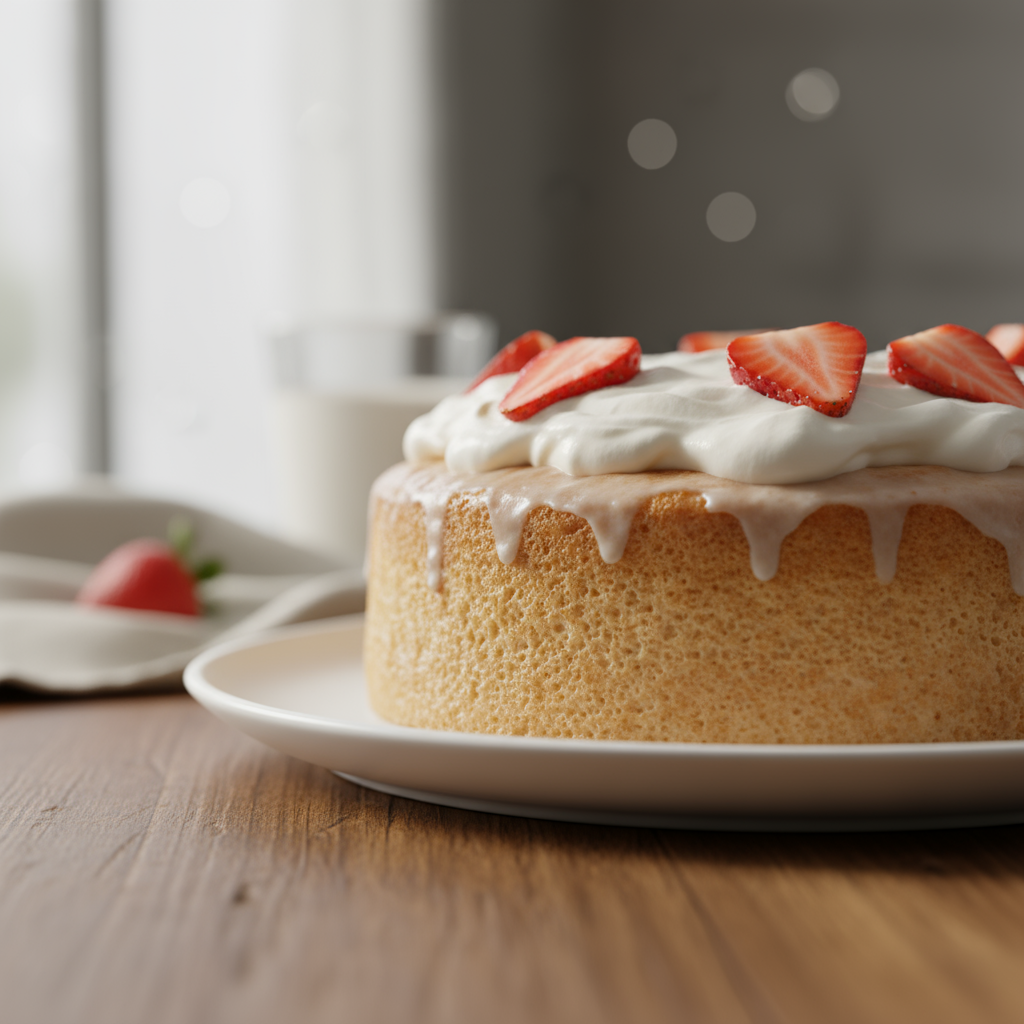
I promise a tender, milk-saturated dessert you can make the first time you try it, even without eggs. In this guide, I show step by step what worked in my busy village kitchen, how I rescued past disasters, and how to get a light, soakable sponge using Eggless tres leches cake techniques suited to home cooks and bakers who want reliable results.
- Texture target: airy but resilient sponge that drinks up milk without collapsing
- Reliable swap/tool: whipped aquafaba or a flaxseed binder plus the right leavening balance
- Make-ahead: soak fully and chill overnight for the cleanest slicing and best flavour meld
Table of Contents
Table of Contents
Eggless Tres Leches Cake
A moist, creamy egg-free version of the classic Mexican dessert with optional Indian fusion variations
PREP TIME
25 mins
25 mins
COOK TIME
35 mins
35 mins
TOTAL TIME
60 mins
60 mins
Servings: 12 servings
Course: Snack
Cuisine: Mexican with Indian fusion options
Calories: 633
🥄 Ingredients
- 3.25 cups (455 g) all-purpose flour
- 2 tablespoons (20 g) cornstarch
- 2.25 cups (450 g) granulated sugar
- 3 teaspoons (12 g) baking powder
- 1.5 teaspoons (6 g) salt
- 2.25 cups (540 ml) milk
- 2 tablespoons (30 ml) vinegar
- 1 tablespoon (15 g) pure vanilla extract
- 0.67 cup (160 ml) neutral oil
- 12 oz (354 g) evaporated milk
- 14 oz (396 ml) sweetened condensed milk
- 1 cup (240 ml) whole milk
- 2 cups (480 ml) heavy whipping cream
- 0.25 cup (30 g) powdered sugar
- 1 teaspoon vanilla extract
- Fresh strawberries for garnish
👩🍳 Method
- Preheat oven to 350°F (175°C). Grease a 9×13 inch pan with baking spray
- Whisk together flour, cornstarch, sugar, baking powder, and salt in large bowl
- In separate bowl, whisk milk, vinegar, vanilla, and oil until combined
- Add wet ingredients to dry ingredients and mix until smooth
- Pour batter into prepared pan and spread evenly
- Bake for 30-35 minutes until toothpick comes out clean
- Cool cake completely in pan on wire rack
- Combine evaporated milk, condensed milk, and whole milk in bowl
- Poke holes all over cooled cake with fork
- Slowly pour milk mixture over cake, covering all surfaces
- Refrigerate cake for at least 2 hours or overnight
- Whip heavy cream with powdered sugar and vanilla until stiff peaks form
- Spread whipped cream over chilled cake and garnish with strawberries
Notes: Cake is done when toothpick comes out clean. Store refrigerated for up to 4 days. Freeze plain cake without soaking for up to 2 months.
Why This Eggless Version Works
I started by asking a simple question: how do you make a cake that soaks like the classic without eggs holding the structure? I am Elsie Marlow, a home cook from Castleton in the Peak District, and my daughter Molly has an egg allergy. That challenge pushed me toward protein and moisture management instead of straight substitution. Over many attempts I learned to balance aeration, gluten moderation, and fat to create a crumb that is both delicate and sturdy enough to accept a three-milk pour.
My failures were instructive. Early tries produced a heavy, gummy sheet that slumped into a syrupy mess when I poured the milk. Another attempt rose beautifully in the oven then collapsed into a dense puddle after soaking. From those mistakes I refined my approach: lighten batter with mechanical aeration or chemical leaveners, moderate sugar to avoid over-softening the crumb, and include a small strengthening ingredient like yogurt or neutral-flavored fat to hold the microstructure together. The consistent theme was control of moisture flow and crumb strength, not simply replacing eggs gram for gram.
Throughout this guide I will show sensory cues to watch for, like the faint hollow hum when milk hits the baked surface, and the way a well-made cake yields a quiet, spongy squeeze instead of sticky collapse. These cues are the practical signs I use in my kitchen to decide when to stop baking, when to rest, and when to pour the milk so the dessert soaks evenly without turning into pudding.
Ingredient Notes & Substitutions
This section explains how ingredient choices affect texture and flavour, without listing quantities or a formal ingredient card. For the egg-free sponge I rely on a simple balance of flour, a tenderiser such as yogurt or a neutral oil, a source of aeration like baking powder and baking soda, and a binder. Common binders are aquafaba, flaxseed slurry, and silken tofu; each behaves differently. Whipped aquafaba gives lift and an ethereal crumb, flax gives a gentle gummy hold that mimics viscous egg whites, and silken tofu adds protein and moisture for a denser but stable crumb. I usually choose based on availability and whether I want the final cake lighter or more custardy.
For the milk soak, use a mix of full fat milks and condensed milk alternatives, or non-dairy milks with reduced soy or coconut cream for body. To introduce Indian notes I finely steep saffron and warm cardamom in a portion of the warm milk, then cool before combining with the other milks. If you need a dairy-free soak, choose a creamy coconut base with a neutral almond or oat milk to round the texture.
Method Overview: The overall process is straightforward: produce a light, baked sponge that is fully cooled, evenly perforate the surface, and then slowly pour the milk mixture so it is absorbed. After the soak, chill until the texture firms and the flavours meld. Keep the method high level so you can adapt quantities and timings to your equipment and oven behaviour.
Substitutions that work well: when aquafaba is scarce, whipped non-dairy cream stabilised with a touch of starch will add lift. If you avoid dairy, swap condensed milk with a plant-based concentrate and add a touch of neutral oil to the batter for tenderness. For a small increase in structural resilience, a very small portion of cake flour blended with all purpose flour gives a tender crumb that still drinks milk.
Throughout I emphasise taste-first testing: make small trial sponges to dial in binder quantity and flavour infusions. My recommendation is to record each variation so you learn which swap yields the texture you prefer, and then scale up only when you have a repeatable result.
Essential Equipment Guide
Your tools change how the cake turns out as much as your ingredients. I keep a handful of reliable items in my kitchen that make eggless soaking cakes repeatable. A medium-sized mixing bowl and a whisk or electric beater for aerating aquafaba or a binder are essential. Use an oven thermometer, because actual heat matters more when the batter lacks egg proteins to stabilise the rise. A sturdy perforating tool or fork is needed for even milk penetration. Finally, a shallow pan for the soak and a flat spatula for spreading whipped topping help maintain surface integrity while chilling.
Choose a pan size that will create a low, even depth of batter. Too deep and the centre will be underbaked by the time the edges set; too shallow and the dessert will be more like a bar than a traditional cake. When I need precision for events, I use a scale to portion batter for identical layers. If you lack a hand mixer, gently but persistently whisking aquafaba by hand will still give good lift, though it takes longer.
Equipment care matters. I learned quickly that nonstick pans give a smooth surface that soaks more evenly, while textured pans can trap air and cause uneven absorption. Also chill your perforation tool slightly if you find the cake surface tearing on contact; that keeps the pokes clean and prevents ragged holes that let milk rush in too quickly.
Pro Tips & Troubleshooting
I love sharing the small adjustments that turned my experiments into reliable results. Here are my hard-won tips and how I diagnose problems when the cake does not behave.
If your sponge is gummy, you probably have too much liquid relative to flour, or you underbaked just enough that the starches never set. Solution: increase the aeration slightly, reduce liquid in the batter, and confirm oven temperature. For egg-free sponges that use yogurt or tofu, reduce the yogurt bit by bit until you reach a tender but dry crumb.
If it collapses after soaking, the crumb was too weak or the milk was poured too fast. To fix this in future bakes, introduce a small proportion of a strengthening ingredient such as a mild protein or use a slightly higher proportion of flour with lower absorption. When pouring the milk, go slowly, using a spoon to distribute the liquid so it has time to sink in without pooling on the surface.
Whipped topping troubles often come from temperature and stabiliser choices. If using aquafaba, the bowl and whisk must be cold. If you prefer a dairy whipped cream, chill the cream and beat to soft peaks, then chill again before spreading. For a hybrid approach I sometimes fold a small amount of mascarpone or thickened coconut cream into whipped aquafaba for a stable, pillowy finish that slices cleanly.
Trust signals: I recommend logging each failed trial and the adjustment made, then repeating the improved version until it works consistently. My cookbook of notes started after dozens of misfires, and each success in a busy household reinforced the small changes that mattered.
If the milk gives a skin on the surface, cover the cake with cling film while chilling to avoid drying, or spread the whipped topping soon after soaking so the surface stays sealed and glossy. For slicing, run a warm knife under hot water, dry it, and make confident smooth cuts to preserve neat layers.
Flavor Variations & Cultural Twists
One of my favourite parts of baking this dessert is the way it welcomes cross-cultural inspiration. I treat the soaked cake as a neutral canvas and infuse it with Indian elements to create a hybrid that nods to both traditions.
To make an Indian-Mexican hybrid I fold saffron-infused milk into a portion of the soak and finish with a cardamom-spiced whipped topping, creating a dessert that lives between a classic Latin indulgence and a South Asian milk cake. Alternately, for a rasmalai cake riff, I incorporate reduced milk solids flavour into the soak and top with crushed pistachios and rose petals for texture and aroma. Use aromatic citrus zest lightly, because too much citrus can tighten the crumb and impede absorption.
For festivals such as Diwali, I often serve this as a celebratory fusion dessert. A light dusting of toasted vermicelli or sweetened semolina on top gives texture and makes the cake feel festive without altering the core soak. If you want a pronounced spice profile, make a spice syrup with warm spices and brush lightly over the baked surface before soaking, which adds depth without thinning the batter.
These variations keep the technique intact while offering cultural twists. I have served an Indian-inspired version at village gatherings and a more traditional version to friends who grew up with tres leches. Both were greeted warmly, which proves that sensitive adaptation keeps everyone included.
Serving & Storage Guidelines
Serving a soaked cake requires patience and simple technique. I always chill the dessert for several hours or overnight; this allows the milk to distribute evenly and the crumb to firm so slices stay neat. A chilled cake also sharpens flavour contrasts, so saffron, cardamom, or citrus notes become more distinct.
For transporting to a gathering, secure the cake on a flat tray and keep it level. If there is a whipped or soft topping, travel with the lid slightly ajar so the topping does not stick and smudge. For short-term storage, a covered cake container in the refrigerator is fine. For longer storage, you can freeze unfrosted layers, wrapped tightly and placed in a freezer-safe container. Thaw in the refrigerator before assembling and soaking, because the thawed crumb will absorb the milk more evenly than a room-temperature thaw.
When reheating single slices, avoid microwaving the soaked cake; it will homogenise into pudding. Instead, bring slices to room temperature briefly or serve chilled. If you have leftover slices, they keep well for several days refrigerated, and the flavour often improves on the second day as spices and milk meld.
Dietary Adaptations for Allergies
As someone who cooks for Molly and others with egg allergies, inclusivity is central to my work. Egg substitution as in eggless tiramisu is only one part of adaptation; I also consider dairy allergies and gluten sensitivity. For dairy-free options, use a high-quality coconut cream or a blended oat and coconut combination for the soak to keep richness. For whipped topping, stabilized coconut cream or aquafaba whipped to firm peaks are excellent. For gluten-free adaptations, choose a well-tested gluten-free flour blend that includes a binder and starch to mimic the crumb elasticity that wheat provides.
When adapting, make small, incremental changes and test the sponge in small batches before making a full cake for guests. Allergens can change texture dramatically; for example, coconut cream behaves differently in the soak compared to dairy, often requiring a bit more stabiliser in the batter. Also consider cross-reaction and reading labels on condensed milk alternatives and flavourings, because some spice blends contain unexpected allergens.
My practical rule: keep a simple, consistent method and change one variable at a time. That is how I found an approach that works for egg-free, dairy-free, or gluten-free guests without sacrificing the signature soaked experience.
Common Eggless Baking Mistakes
Here are predictable traps I have fallen into and learned to avoid when baking without eggs. First, overcompensating with binders such as too much flax slurry creates a gluey crumb. Keep binder proportions modest and test the batter feel; it should be thick enough to hold air but not gummy.
Second, insufficient aeration. Without eggs, you must replace mechanical lift with whipped aquafaba, vigorous mixing, or a careful balance of chemical leaveners. Skipping adequate aeration produces a close, heavy crumb that resists milk.
Third, pouring the milk too hot or too fast. Hot milk can break down the crumb proteins and create an uneven texture, and fast pouring pools liquid on the surface. Pour room temperature or cool milk slowly and evenly.
Finally, ignoring sensory cues. In my first years I relied only on times and temperatures and ignored feel and sound. Now I look for a light, springy top that gives a quiet sponge sound when tapped, and I feel the cake’s resilience with a fingertip before deciding to soak. These non-technical checks prevent many mistakes I used to make.
The Science Behind Egg Substitution
Understanding the science helps turn a lucky bake into a repeatable result. Eggs serve many roles in cakes: they provide structure through protein coagulation, trap air when whipped, and contribute emulsification for a smooth batter. When you remove eggs you must replace those functions with alternative ingredients and techniques like in eggless chocolate cake.
Protein and coagulation: Eggs are rich in proteins that denature and form a network when heated, helping the cake set. Egg-free approaches replace some of that protein with alternatives like tofu or aquafaba proteins, or rely on starch gelatinization. Starches from flour and small additions of cornstarch or cake flour set into a gel when heated, providing structure. If you reduce protein too much, the cake will collapse after soaking because the matrix cannot hold fluid.
Aeration and gas retention: Beaten eggs trap air which expands in the oven. Aquafaba foams have proteins that mimic this trapping ability, and chemical leaveners such as baking powder release gas to expand batter. When using chemical leaveners, ensure an acid-base balance so gas is released at the right stages of baking for maximum lift and stable crumb.
Fat and tenderness: Eggs contribute emulsified fat; a small amount of oil or dispersed dairy will tenderise without weakening the cake. Emulsifiers help distribute fat evenly so the crumb is soft but not greasy. For soaked cakes, a tender crumb that resists collapse is the goal, so aim for a balanced ratio of fat to dry ingredients and avoid excess sugar, which can compete with starch for water and softens the crumb excessively.
Moisture absorption: Milk soak mechanics depend on capillary action in the crumb. A well-structured crumb has uniform pores that draw the milk into the interior slowly. If pores are too large the milk will rush in and create soggy zones; if too small, absorption will be patchy. The combination of aeration, moderate protein, and correct bake time creates the optimal pore structure.
Fusion Dessert Pairing Ideas
Pairing is about harmony of texture and contrast of flavour. Because the cake is rich and creamy, I like to serve it with something bright or crunchy. Fresh seasonal fruit, a tangy compote, or a small bowl of citrus sorbet cuts through richness. For a regional pairing at home, try spicy chai or a lightly bitter coffee to balance the milkiness.
When I present an Indian-Mexican fusion dessert platter, I add small bites that echo the cake flavours. A tiny cardamom biscuit or a crisp cinnamon churro works well. For a plated dessert, a smear of tamarind caramel or a few candied ginger shards provide complexity. These pairings keep the cake central while giving palate-refreshing contrasts.
If you want a beverage pairing, a chilled masala chai is unexpectedly good, because the spices mirror saffron and cardamom notes in the cake. For a party, set out small spoons of toasted coconut or pistachio praline so guests can add crunch to individual slices.
Scaling for Parties & Events
Scaling up changes things: depth, bake time, and cooling behaviour all differ with larger pans and multiple layers. My practical advice is to maintain similar layer depth as your tested recipe, even if you increase overall volume. That means using wider pans rather than much deeper ones. Wider pans encourage even bake and absorption.
For tiered service, bake multiple layers and assemble shortly before serving. Refrigerate between assembly steps to stabilise layers and prevent running. When transporting, keep the cake level and support the base. For large gatherings, consider serving in a tray so you can portion slices quickly without transferring entire layers.
Timing for events: make the cake at least a day ahead so flavours bloom. Keep chilled until service and remove from the fridge to stand briefly for easier slicing if needed. If you need to multiply the recipe, scale chemical leaveners proportionally but test a small practice batch to ensure the larger mass bakes evenly in your equipment.
Conclusion
I began this journey because of Molly, and I learned that egg-free baking is not about strict substitution but about understanding roles: structure, aeration, tenderness, and moisture control. I am Elsie Marlow, a home cook from Castleton, and these pages are a record of trials, misfires, and delights that turned into a dependable, inclusive dessert you can make with confidence.
Use the sensory cues I describe, keep notes, and treat variations as experiments. Whether you choose a silky saffron-soaked version or a more traditional milk-forward take, the method scales and adapts. Most of all, bake for people. A slice of soaked cake can bring a table together, and making sure everyone can eat it is worth the extra few tests in the kitchen.
If you keep one idea from this guide, let it be this: focus on crumb structure and controlled soaking, and you will turn early failures into repeatable successes. Happy baking from my kitchen to yours.
Love this recipe? Follow us on Facebook and Pinterest and explore more creative ideas on our food blog!
Frequently Asked Questions
How to make tres leches cake without eggs successfully
Focus on producing a light, resilient sponge by replacing eggs with a whipped binder like aquafaba or a measured flaxseed binder, use reliable chemical leaveners, and bake until the crumb is set and springy. Cool fully, then gently perforate and pour the milk mixture slowly so the cake absorbs without collapsing.
What egg substitutes work best in sponge cakes
Aquafaba provides the best lift when whipped, flaxseed slurry gives a stable viscous binder, and silken tofu adds protein for a firmer crumb. Choose based on desired texture: airy with aquafaba, slightly custardy with tofu, or robust with flax.
Dairy-free alternatives for tres leches milk mixture
Combine a creamy base such as reduced coconut cream with neutral oat or almond milk and a condensed plant-based milk substitute. Balance sweetness and body so the soak mimics the mouthfeel of dairy without thinning the crumb.
How to achieve moist texture in eggless baking
Balance liquid to dry ingredients, ensure adequate aeration, and include a tenderiser like oil or yogurt alternative. Bake until the crumb sets but remains springy so it can absorb liquid without becoming gummy.
Storage and freezing guidelines for soaked cakes
Chill the assembled cake for best texture; store covered in the refrigerator for several days. For longer storage, freeze unfrosted layers wrapped tightly, then thaw refrigerated before soaking and finishing.
Traditional vs eggless soaked cake taste comparison
Eggless versions can be just as rich if you manage fat and milk concentration, though they may be slightly less springy if protein is reduced. Thoughtful binder choice and proper soaking create a dessert with comparable mouthfeel and flavour.
Common troubleshooting for soggy or dry eggless cakes
If soggy, the crumb is too weak or the milk was poured too quickly; strengthen the batter and pour slowly. If dry, the crumb is overbaked or the soak is insufficient; reduce bake time and ensure even perforation and distribution of the milk.