No Egg Recipes – Delicious Cooking Without Eggs

vegan banana bread recipe: One-Bowl, Healthy & Easy Loaf
Vegan banana bread recipe that is simple, reliable, and egg-free. Tested in a kitchen by Elsie with a one-bowl method trusted by bakers. Discover the recipe.

Introduction
I’m Elsie Marlow, a home cook from Castleton who learned to bake without eggs because my daughter Molly has an egg allergy. This simple vegan banana bread recipe is the one I reach for when I want a comforting, foolproof loaf that smells like a warm kitchen and tastes like childhood. I wrote this to be friendly for beginners, easy to adapt for different diets, and reliable even if your bananas are too ripe or your oven runs hot.
Table of Contents
Table of Contents
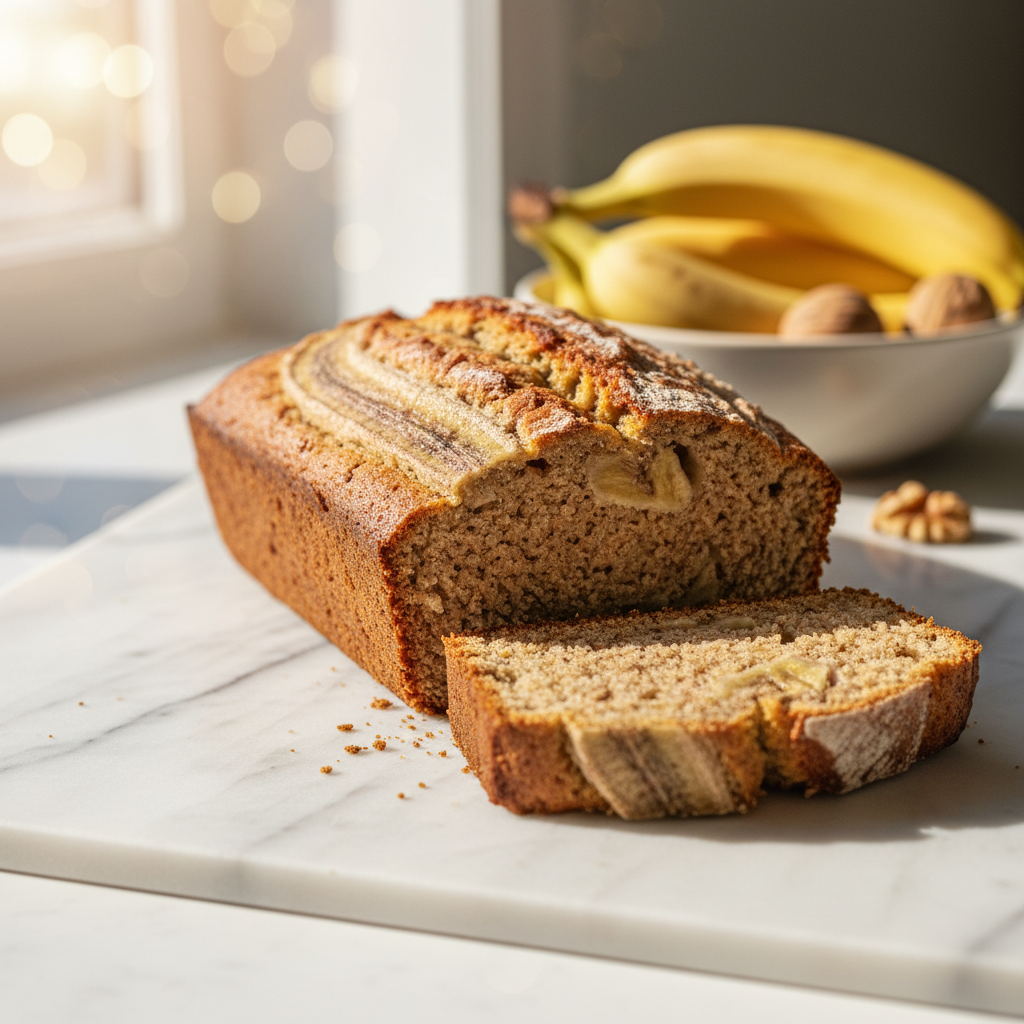
Healthy & Easy One-Bowl Vegan Banana Bread
Unlock the secret to the most delicious and moist vegan banana bread with this simple one-bowl recipe, perfect for a healthy breakfast or a delightful snack. This recipe is designed for ease and flexibility, allowing for various substitutions to fit your dietary needs.
PREP TIME
10 mins
10 mins
COOK TIME
55 mins
55 mins
TOTAL TIME
65 mins
65 mins
Servings: 8 to 10 slices
Course: Snack
Cuisine: American
Calories: 240
🥄 Ingredients
- 1.75 cups (210 g) spelt flour (or whole wheat, unbleached all-purpose, or gluten-free blend)
- 0.33 cup (75 g) organic pure cane sugar (or 0.5 cup finely chopped dates)
- 1 teaspoon baking powder
- 1 teaspoon baking soda
- Pinch of mineral salt
- 0.33 cup (75 ml) neutral flavored oil (or melted coconut oil, softened vegan butter, or unsweetened applesauce)
- 1 teaspoon vanilla extract
- 3 large or 4 small overripe bananas (about 1.5-1.75 cups / 338-410 g), mashed
- 0.25 cup (56 ml) almond milk, (optional, for consistency)
👩🍳 Method
- Preheat your oven to 350°F (175°C). Lightly grease a 9×5 inch loaf pan.
- In a medium-sized mixing bowl, mash the 3 large or 4 small overripe bananas until mostly smooth. Then, add the 0.33 cup (75 ml) neutral flavored oil and 1 teaspoon vanilla extract. Mix well until combined.
- Add the 1.75 cups (210 g) spelt flour, 0.33 cup (75 g) organic pure cane sugar, 1 teaspoon baking soda, 1 teaspoon baking powder, and a pinch of mineral salt to the wet ingredients. Mix just until the flour is combined; avoid overmixing. The batter will be slightly thick, and a few lumps are perfectly fine. If the batter seems too thick, especially if using a heavier flour like whole wheat, add the 0.25 cup (56 ml) almond milk as needed, one tablespoon at a time, until it reaches a thick, pourable consistency.
- Pour the batter into the greased loaf pan. Bake for 50 minutes to 1 hour, or until a toothpick inserted into the center comes out clean. Baking times can vary by oven. If the top browns too quickly, loosely tent with aluminum foil.
- Remove the pan from the oven and let the banana bread cool in the pan for 10 minutes. Then, gently transfer it to a wire rack to cool completely before slicing and serving.
Notes: Ensure your bananas are very ripe (with plenty of brown spots!) for the best flavor and natural sweetness. The toothpick test is essential for checking doneness; it should come out clean. Store covered at room temperature for up to 3 days, or refrigerate for up to 1 week. For longer storage, wrap tightly and freeze for up to 2 months.
Why This One Bowl Vegan Banana Bread Works
This one-bowl method keeps things simple and forgiving. Overripe bananas supply natural sweetness and moisture while also acting as a binder, so the loaf stays tender without eggs. A balance of baking soda and baking powder creates lift even in denser flours like spelt or whole wheat. Using a neutral flavored oil gives a consistent crumb; swap applesauce if you want a lower-fat result. The one-bowl approach reduces handling, which prevents overmixing and keeps the crumb soft.
Method overview: I mash the overripe bananas in the bowl, whisk in the oil and vanilla, then fold in the dry mix until just combined; if the batter looks too thick for your chosen flour, I add a splash of almond milk until the batter reaches a thick, pourable consistency.
Ingredient Notes & Smart Substitutions
I’ll describe each ingredient role and friendly swaps so you can adapt the loaf to what you have on hand. Use very ripe bananas for the best sweetness and moisture. For the flour, spelt gives a tender, slightly sweet crumb; whole wheat adds heartiness and will yield a denser loaf; unbleached all-purpose keeps things familiar; a gluten-free blend works if it has xanthan or a binder. For sugar, organic pure cane sugar is straightforward, but finely chopped dates or date paste are natural options that deepen flavor. Baking soda and baking powder are both necessary here, soda for browning and lift when combined with banana acidity, powder for steady rise. A pinch of mineral salt brightens flavor.
Neutral flavored oil keeps flavor clean; melted coconut oil works if you enjoy a hint of coconut, and softened vegan butter adds richness. If you want oil-free, replace the oil with unsweetened applesauce, knowing the loaf may be slightly denser. Vanilla extract is a small but important flavor boost. If the batter is too stiff because of a heavier flour like whole wheat, a splash of almond milk (or any plant milk) brings it to the right consistency; oat milk and soy milk are other great options. If you prefer less refined sugar, blend the bananas with dates until smooth and reduce added sugar, watching that texture can change slightly.
Essential Equipment for Perfect Banana Bread
You do not need fancy tools to succeed. A few reliable items make the process smooth:
- A sturdy medium mixing bowl to mash bananas and mix everything in one place.
- A whisk or fork for wet ingredients and a spatula for folding in dry ingredients.
- A 9×5 inch loaf pan for even baking and a nice shape.
- Parchment paper or a little oil for lining the pan to prevent sticking.
- An oven thermometer if your oven temperature is unpredictable.
- A wire rack for cooling so the loaf does not steam on the bottom.
Pro Tips for a Flawless Vegan Banana Bread
Over the years I learned a few simple habits that save loaves. First, mash the bananas until mostly smooth but leave a few small lumps for texture; the batter should feel thick and tacky, not runny. Mix the dry ingredients into the wet only until combined, then stop. Avoid overworking the batter to keep the crumb tender. If the top is browning too quickly, tent the loaf loosely with foil halfway through baking.
Measure flour by weight when possible to avoid dense results from packing cups. If you only have cups, stir the flour into the container, spoon into the cup, and level it off. Room temperature wet ingredients blend more easily. Let the loaf rest in the pan for about ten minutes before transferring to a wire rack to cool; slicing while too hot causes crumbling. Finally, use very ripe bananas with brown spots for best flavor, and taste your batter if you are unsure about sweetness before baking.
Creative Variations & Flavor Twists
This recipe is a forgiving base for lots of variations. I often fold in vegan chocolate chips for a sweet streak, or stir in chopped walnuts for crunch. For a warm, cozy version, add cinnamon to the batter and swirl in a cinnamon-sugar ribbon. You can make the loaf denser and richer with a scoop of nut butter folded into the batter, or lighten it by using applesauce in place of oil. For a citrus lift, add a little lemon or orange zest and a handful of dried cranberries.
Keep add-ins moderate so the batter maintains structure. If you add moist ingredients like fresh fruit, reduce the base liquid slightly. For nut-free households, swap seeds like pumpkin or sunflower kernels. Each variation will slightly change bake time, so rely on the toothpick test: a clean or nearly clean toothpick means done. These tweaks let you customize flavor without changing the basic technique. For more ideas on egg-free baking, check out our peanut butter oatmeal cookies.
How to Prevent Common Vegan Banana Bread Mistakes
Here are frequent problems I’ve faced and how I fixed them. Dry crumb often comes from overbaked loaves or too much flour; double-check your oven temperature and weigh flour. A gummy center can result from underbaking or too much banana; adjust bake time and use bananas that are ripe but not liquefied. A collapsed center usually means the loaf rose too fast then fell; reduce oven temperature slightly and ensure your baking powder is fresh. Dense texture can come from overmixing or heavy flour. If the top browns too fast, tent with foil. For uneven rising, make sure the batter is distributed evenly in the pan and your leaveners are fresh. If you’re struggling with dense baked goods, our guide
to gluten free pancakes may offer some helpful tips on flour ratios.
The Best Vegan Egg Substitutes for Banana Bread
In egg-free baking, the goal is moisture, binding, and lift. Mashed overripe bananas do a lot of the binding here, and in this loaf they replace eggs naturally. For extra binding or when you want a lighter crumb, flaxseed or chia ‘eggs’ made by mixing ground flaxseed or chia with water provide structure; let them gel before adding. Aquafaba whips into a foam and can add lift, though it changes batter volume. Unsweetened applesauce offers moisture and mild sweetness, at the cost of slightly denser texture. If you experiment, adjust liquid amounts and expect subtle changes in texture and flavor. My go-to is relying on the bananas first, then using a flax or chia mix only if the recipe is
being adapted for a much larger loaf or higher-altitude baking.
Optimizing Your Vegan Banana Bread with the Right Milk
Plant milks affect flavor and richness. Almond milk is mild and keeps the banana and spices in focus. Oat milk lends a slightly creamy, rounded taste that pairs well with whole grain flours. Soy milk provides protein that can help structure the loaf and is a good neutral option. Coconut milk, especially full fat, enriches the crumb but can add coconut flavor. Use unsweetened versions to control sweetness; add small amounts only if the batter is unusually thick after mixing, stirring in a tablespoon at a time until a thick, pourable consistency is reached.
Serving & Storage: Keeping Your Loaf Fresh
Serve slices at room temperature, toasted, or gently warmed. A smear of vegan butter or nut butter makes a lovely breakfast. To store, keep the loaf covered at room temperature for up to three days, or refrigerate for up to one week. If you plan to freeze, double-wrap the cooled loaf in plastic wrap and foil, or slice and freeze pieces individually for up to two months. Thaw overnight in the fridge or bring to room temperature on the counter. If the surface seems dry after refrigeration, a light toast or gentle warming restores softness.
For transporting, wrap the cooled loaf in parchment then foil to keep moisture even. If you make a loaf ahead for a gathering, bake the day before and store at room temperature; this often improves flavor as the crumbs settle and meld. For other great make-ahead options, you might enjoy our Blueberry Cottage Cheese Breakfast Bake.
Conclusion
My kitchen experiments began because of Molly’s allergy, and they taught me that egg-free baking can be joyful, accessible, and tasty. This one-bowl, adaptable loaf is the result of many tests, spills, and tweaks, and it consistently gives a moist, flavorful result. Trust the tactile cues I mentioned – batter should be thick and tacky, not runny – and make swaps that suit your pantry and dietary needs. I hope this encourages you to try the loaf, play with the variations, and enjoy the warm, simple comfort of homemade banana bread.
Elsie, a home cook whose daughter’s allergy inspired her journey into egg-free baking.
Love this recipe? Follow us on Facebook and Pinterest and explore more creative ideas on our food blog!
Frequently Asked Questions
What makes this vegan banana bread healthy and easy?
The recipe relies on ripe bananas for natural sweetness and moisture, minimal processed fats when you choose applesauce or moderate oil, and whole-grain flour options like spelt. The one-bowl method cuts steps and cleanup, making it simple for home bakers while still delivering a tender, nourishing loaf.
Can I substitute eggs in this banana bread recipe?
Yes, the loaf is designed to be egg-free. Mashed overripe bananas act as the primary binder, and if you need extra binding or lift you can use ground flaxseed or chia mixed with water, or aquafaba for added lift. Expect slight texture changes with each substitute.
What is the best type of milk to use for vegan banana bread?
Almond milk is a neutral choice, oat milk adds creaminess, and soy milk supports structure due to protein. Use unsweetened plant milk and add small amounts only if the batter is too thick after mixing.
How can I ensure my vegan banana bread doesn’t turn out dry?
Avoid overbaking by checking near the lower end of the time range and use an oven thermometer to verify temperature. Measure flour properly by weight or spoon-and-level, and do not overmix the batter to keep the crumb tender.
What are common mistakes to avoid when baking vegan banana bread?
Common errors include overmixing, using under-ripe bananas, inaccurate flour measurement, stale leavening agents, and baking at too high a temperature. Address these by mixing just until combined, using very ripe bananas, weighing flour, replacing old baking powder or baking soda, and monitoring oven temperature.
How do I know when my vegan banana bread is perfectly baked?
The toothpick test is reliable: insert near the center and expect a clean or nearly clean pick. The loaf should pull slightly from the pan edges, and the top should feel set but not rock hard. Allow a short pan rest before transferring to a wire rack to finish cooling.
Can I make this recipe gluten-free or oil-free?
Yes, use a certified gluten-free flour blend that contains a binder like xanthan gum to replace wheat. For oil-free, substitute equal parts unsweetened applesauce for the oil; expect a slightly denser crumb and adjust bake time as needed.