No Egg Recipes – Delicious Cooking Without Eggs

Eggless Plum Cake Recipe: My Foolproof Holiday Favorite
Discover Elsie's trusted Eggless Plum Cake Recipe, perfected over years for a moist, spiced, and delicious holiday treat. Easy, foolproof, and perfect for all.

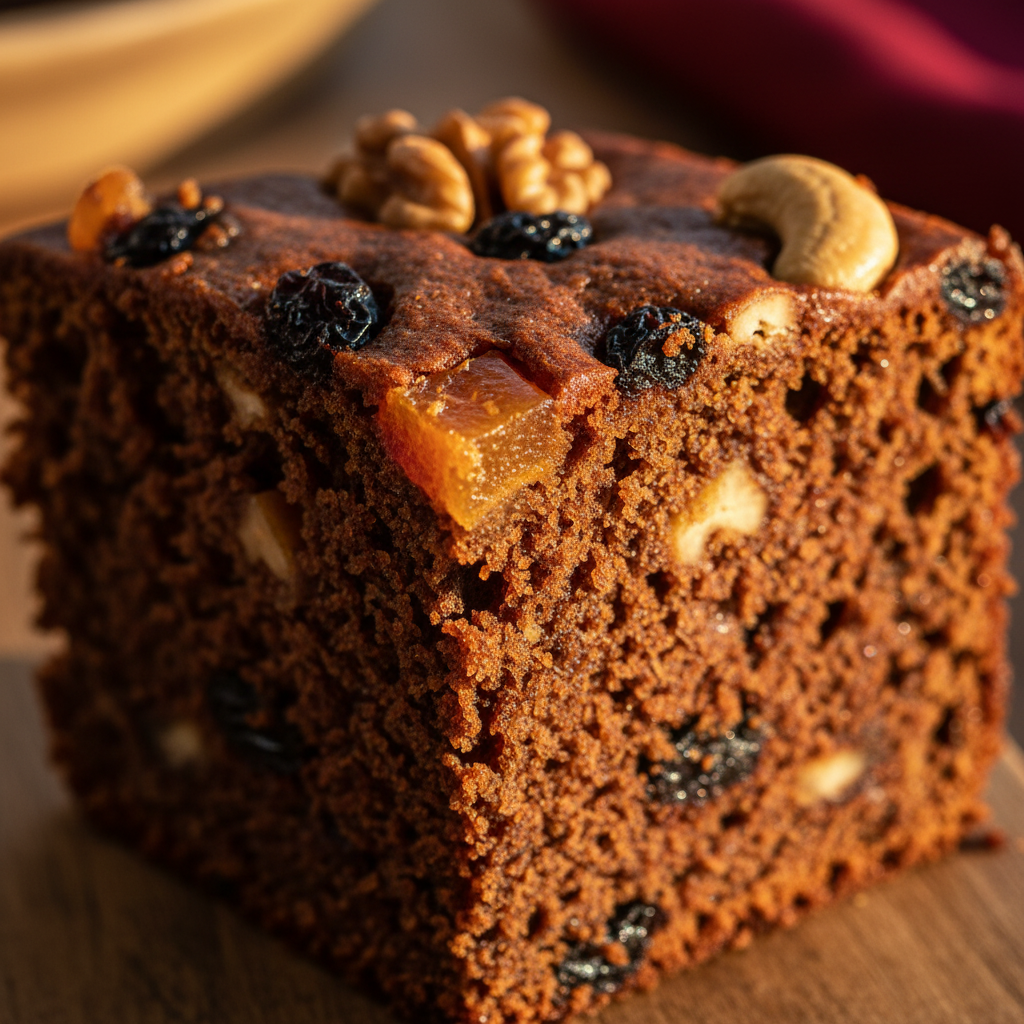
After years of experimenting, I’ve perfected this Eggless Plum Cake Recipe that rivals any traditional version. When my daughter Molly was diagnosed with an egg allergy, I refused to let her miss out on our family’s Christmas cake tradition. This recipe delivers a gorgeously moist, richly spiced cake with plump fruit and a tender crumb, all without a single egg in sight. The quick fruit soaking method means you can start baking today, not tomorrow, while yogurt creates that perfect texture we all crave in a festive cake.
- Texture target: Moist, tender crumb with juicy, evenly distributed fruit
- Reliable swap: Thick Greek yogurt provides structure and moisture that eggs typically deliver
- Make-ahead: Stays fresh for 2 weeks in an airtight container; freezes beautifully for up to 3 months
TOC
Table of Contents
Moist Eggless Christmas Plum Cake (No Rum)
A delightful and easy-to-make eggless plum cake, perfect for festive occasions. This recipe uses a quick fruit-soaking method and yogurt to ensure a moist, flavorful cake without eggs or alcohol.
PREP TIME
20 mins
20 mins
COOK TIME
55 mins
55 mins
TOTAL TIME
75 mins
75 mins
Servings: 1 (8-inch / 20 cm) round cake
Course: Snack
Cuisine: Indian
Calories: 320
🥄 Ingredients
- 0.33 cup (79 ml) orange juice
- 0.33 cup (79 ml) water
- 1 tablespoon (15 ml) lemon juice
- 1 cup (180 g) tutti frutti (candied fruit mix)
- 0.25 cup (40 g) raisins
- 0.25 cup (35 g) dried apricots, chopped
- 0.125 cup (20 g) dried cranberries
- 0.125 cup (20 g) prunes, chopped
- 1.5 cups (180 g) all-purpose flour
- 0.25 teaspoon (0.5 g) ground cinnamon
- 0.125 teaspoon (0.25 g) ground ginger
- 0.125 teaspoon (0.25 g) ground clove
- 1 teaspoon (2 g) orange zest
- 1 teaspoon (4 g) baking powder
- 0.5 teaspoon (2 g) baking soda
- 0.5 cup (120 ml) vegetable oil
- 0.75 cup (150 g) brown sugar, packed
- 1 cup (240 g) plain yogurt
- 1 teaspoon (5 ml) vanilla extract
- 0.25 cup (25 g) almonds, chopped
- 0.25 cup (25 g) walnuts, chopped
- 0.25 cup (25 g) cashews, chopped
👩🍳 Method
- In a saucepan, combine orange juice, water, and lemon juice. Add tutti frutti, raisins, chopped dried apricots, dried cranberries, and chopped prunes to the juice mixture. Cook over medium heat, stirring occasionally, until the mixture thickens and the dried fruits have absorbed most of the liquid. Remove from heat and set aside to cool completely.
- Preheat your oven to 325°F (160°C). Grease and line an 8-inch (20 cm) round cake pan with parchment paper.
- In a large bowl, whisk together all-purpose flour, ground cinnamon, ground ginger, ground clove, orange zest, baking powder, and baking soda. Set aside.
- In a separate bowl, whisk together vegetable oil and packed brown sugar until pale and well combined, ensuring the sugar is dissolved.
- Add the plain yogurt to the oil and sugar mixture and mix thoroughly until smooth.
- Stir in the vanilla extract until fully incorporated.
- Gently fold the dry ingredients into the wet mixture in two additions. Mix until just combined, ensuring there are no large pockets of dry flour. Be careful not to overmix, as this can lead to a dense cake.
- Reserve a small portion (about 2 tablespoons) of the cooled soaked dried fruits for topping. Fold the remaining soaked dried fruits, along with the chopped almonds, walnuts, and cashews, into the cake batter until evenly distributed.
- Pour the cake batter into the prepared 8-inch cake pan and spread evenly. Top with the reserved soaked fruits.
- Bake for 50-55 minutes, or until a wooden skewer inserted into the center of the cake comes out clean. If the top begins to brown too quickly, you can loosely tent it with aluminum foil.
- Once baked, remove the cake from the oven and let it cool in the pan on a wire rack for 15-20 minutes before inverting it onto the rack to cool completely. Slice and serve.
Notes: Baking time can vary for different ovens and pan types. A skewer inserted into the center of the cake should come out clean when it's done. Store the cake in an airtight container at room temperature for up to 3 days, or refrigerate for up to a week for extended freshness.
Why This Eggless Plum Cake Recipe Works So Well
The secret to this eggless cake’s success lies in understanding the science of baking without eggs. Through countless test batches in my Castleton kitchen, I’ve discovered that yogurt provides the perfect protein structure and moisture that eggs typically contribute. The acidity in yogurt also reacts beautifully with baking soda, creating a light texture that defies the typical density of eggless cakes.
My quick-soak method developed from necessity (and impatience, if I’m honest). By briefly heating the dried fruits in juice rather than soaking them overnight in alcohol, you get plump, flavor-infused fruits in just 15 minutes. This technique not only saves time but makes this cake family-friendly and accessible for those avoiding alcohol.
The combination of brown sugar and a touch of molasses creates those deep, caramel notes traditionally found in Christmas cakes without overpowering sweetness. And the careful balance of warming spices gives this cake its festive character without requiring specialty ingredients most home bakers don’t stock.
This recipe has been my go-to for our family celebrations for seven years now, refined through dozens of iterations. When neighbors request “that amazing Christmas cake” each December, they’re genuinely surprised to learn it contains no eggs. That’s when I know a recipe truly works.
Ingredient Notes & Smart Substitutions
The heart of this fruit cake is, of course, the fruit. I use a mix of dried plums (prunes), raisins, cranberries, and candied orange peel. The variety creates wonderful texture and flavor complexity, but you can customize based on your preferences. Just keep the total weight consistent for proper moisture balance.
For the quick soaking liquid, apple juice works beautifully. It adds natural sweetness without alcohol, but you can substitute orange juice for a citrusy twist or even grape juice for a deeper flavor.
Greek yogurt is my egg substitute of choice. Its thick consistency and protein content provide structure that other egg replacers often lack. If you’re making this dairy-free, coconut yogurt works surprisingly well, though the texture will be slightly denser.
I use a combination of all-purpose flour and whole wheat flour for added nutrition and nutty flavor. For a gluten-free version, I’ve had success with a one-to-one gluten-free flour blend plus 1/2 teaspoon of xanthan gum.
The spice blend makes this cake truly special. My combination of cinnamon, nutmeg, cloves, and ginger creates that classic Christmas flavor. Cardamom is my secret ingredient that adds an unexpected complexity many people can’t quite place but absolutely love.
For the fat component, I prefer oil over butter as it keeps the cake moist for longer, especially important when making it ahead of the holidays. A neutral oil works fine, but unrefined coconut oil adds another subtle layer of flavor that complements the fruit beautifully.
Brown sugar provides caramel notes, but coconut sugar makes a wonderful substitute with a lower glycemic index if that’s important to you. A tablespoon of molasses deepens the flavor profile, but maple syrup can pinch-hit if needed.
Essential Equipment for Baking Success
While this cake doesn’t require fancy equipment, a few key tools make the process smoother. First and foremost, an 8-inch round cake tin with a removable bottom is ideal. After a disastrous stuck cake incident during Molly’s 10th birthday, I never skip lining the tin with parchment paper, both bottom and sides.
A digital kitchen scale transforms your baking precision. When I started weighing ingredients rather than using cup measurements, my consistency improved dramatically. This is especially important for flour, where volume measurements can vary by up to 30%.
A good quality heavy-bottomed saucepan is essential for the quick fruit soaking method. It distributes heat evenly and prevents hot spots that might scorch your fruits. I learned this the hard way after burning a batch using my old thin pan.
For mixing, a sturdy stand mixer makes the job easier, but an electric hand mixer works perfectly well too. In a pinch, good old-fashioned elbow grease and a wooden spoon will do the trick, just like my grandmother used to do.
One unexpected hero in my kitchen is an oven thermometer. Most ovens run hotter or cooler than their settings indicate, and fruit cakes are particularly sensitive to temperature variations. My oven runs 25 degrees hot, which explained many early baking failures until I discovered this simple tool.
A cake tester or thin skewer helps determine when your cake is perfectly baked. The dense, moist nature of fruit cakes makes them tricky to judge visually, so this simple tool prevents both underbaked centers and dried-out edges.
Expert Tips for a Perfect Eggless Plum Cake
The secret to a truly exceptional eggless plum cake lies in the details. First, don’t rush the fruit soaking process. Even though we’re using a quick method, allow the mixture to cool completely before adding it to your batter. I once rushed this step and ended up with a cake that had a slightly uneven texture.
When combining wet and dry ingredients, use a gentle hand. Overmixing activates gluten, which can make your cake tough rather than tender. I fold the mixture just until no dry spots remain, using a figure-eight motion with my spatula.
The baking temperature curve is crucial. I start at 180°C (350°F) for the first 30 minutes to establish structure, then reduce to 160°C (320°F) to allow the center to cook through without burning the edges. This two-stage approach solved my early problems with undercooked centers.
Patience is essential after baking too. Allow the cake to cool completely in the tin before attempting to remove it. A warm fruit cake is fragile and will crumble if disturbed too soon. I learned this the hard way during my first Christmas baking session with Molly, when our excitement got the better of us.
For the ultimate flavor development, consider making this cake 2-3 days before serving. The flavors meld and deepen over time, and the texture actually improves. I wrap mine in parchment paper and then in foil, checking occasionally to make sure it stays moist.
If you want a glossy finish, brush the top with warmed and strained apricot jam while the cake is still warm. This creates a beautiful sheen and adds a subtle fruity note that complements the spices beautifully.
Finally, use room temperature ingredients unless specified otherwise. Cold yogurt or refrigerated fruit puree can cause the oil in the batter to solidify, resulting in an uneven texture. I set everything out about an hour before I plan to start baking.
Creative Variations and Flavor Twists
While this classic eggless plum cake is delicious as is, I love experimenting with different flavor profiles. One of my family’s favorites is the Chocolate Spice variation, where I add 3 tablespoons of cocoa powder and 100g of chopped dark chocolate to the batter. The slight bitterness of the cocoa beautifully balances the sweet fruits.
For a tropical twist, try substituting some of the dried fruits with dried mango and pineapple, then soak them in pineapple juice instead of apple juice. Add a teaspoon of coconut extract to the batter and top the finished cake with toasted coconut flakes. This version became a summer favorite after a particularly rainy June in Castleton when we needed something cheerful.
A nut-lover’s version incorporates 100g of toasted and chopped walnuts or pecans folded into the batter. The nuts add wonderful texture and a buttery flavor that complements the fruits. Just be mindful of allergies if sharing with others.
For a more traditional British Christmas cake feel without alcohol, try adding 2 tablespoons of black treacle (or molasses) and an extra teaspoon of mixed spice. This creates a deeper, more intense flavor profile reminiscent of classic Christmas puddings.
One of my more experimental versions uses earl grey tea instead of apple juice for soaking the fruits. The bergamot flavor adds a sophisticated note that’s unexpected and delightful. I discovered this by accident when I ran out of juice one afternoon and had to improvise.
For special occasions, I sometimes add a marzipan and simple icing topping. While not traditional for plum cakes, it transforms this into a celebration cake that’s perfect for birthdays or other festivities. Molly specifically requests this version for her birthday every year.
Remember that any additions might slightly affect baking time, so always use the skewer test rather than timing alone to determine when your cake is perfectly baked.
Storing Your Delicious Plum Cake
Proper storage is crucial for maintaining the moist, tender texture of your eggless plum cake. Once completely cooled, wrap the cake tightly in parchment paper first, then in aluminum foil. This double-wrapping prevents the cake from drying out while protecting it from absorbing any refrigerator odors.
At room temperature, your cake will stay fresh for up to 5 days if stored in an airtight container in a cool, dark place. In our drafty Castleton cottage, I use the pantry cupboard furthest from the stove. If your kitchen runs warm, consider using the refrigerator instead.
For longer storage, this cake refrigerates beautifully for up to 2 weeks. The flavors actually continue to develop and meld, making it even more delicious. Just be sure to bring it to room temperature before serving for the best flavor and texture experience.
Freezing is another excellent option, especially if you want to make this cake well ahead of the holiday rush. I slice the cake before freezing, placing parchment paper between each piece, then wrap the whole thing in plastic wrap and aluminum foil. This way, you can thaw only what you need. The cake will maintain its quality in the freezer for up to 3 months.
To refresh a cake that’s been stored for a while, I sometimes lightly warm individual slices in the microwave for about 10 seconds. This revitalizes the texture and intensifies the aroma of the spices. A dollop of yogurt or plant-based cream on the side adds a lovely contrast to the rich cake.
If the cake does begin to dry out slightly, you can rejuvenate it by brushing the surface with a little warm apple juice or tea. This trick saved our Christmas dessert last year when I discovered I’d accidentally left a corner of the wrapping open in the refrigerator.
Avoiding Common Eggless Baking Blunders
In my years of egg-free baking, I’ve encountered (and made) nearly every possible mistake. The most common issue is a dense, heavy cake. This typically happens when there’s too much liquid or not enough leavening agents. I carefully balance baking powder and baking soda to create the perfect rise without eggs. Remember that baking powder loses potency over time, so check the expiration date before using.
Another frequent problem is a cake that falls in the middle. This usually indicates opening the oven door too early or taking the cake out before it’s fully baked. I resist the temptation to peek until at least 80% of the baking time has elapsed. The center should spring back when lightly touched and a skewer inserted into the middle should come out with a few moist crumbs but no wet batter.
Uneven fruit distribution can leave some slices packed with fruit while others have barely any. To prevent this, I toss the soaked fruit in a tablespoon of the measured flour before folding it into the batter. This coating helps the fruit stay suspended rather than sinking to the bottom.
Burnt edges with an undercooked center plagued my early attempts at fruit cakes. The solution was adjusting the baking temperature and using a cake strip around the pan. You can make a homemade cake strip by soaking a kitchen towel in water, wringing it out, and securing it around the outside of your cake tin with safety pins.
If your cake comes out too dry, you’ve likely either used too much flour (which is why I recommend weighing ingredients) or overbaked it. Fruit cakes can be deceptive because they continue to cook a bit after removal from the oven due to residual heat.
Finally, a common mistake is not allowing the cake to cool properly before slicing. Patience truly is a virtue in baking! An eggless plum cake needs time to set and develop its full flavor. I always wait until it’s completely cool before even attempting to remove it from the tin.
Understanding Egg Substitutes in Baking
Finding the perfect egg substitute revolutionized my baking after Molly’s allergy diagnosis. For this plum cake, Greek yogurt is my go-to choice because it provides moisture, fat, and protein, all essential functions that eggs typically perform. The slight acidity in yogurt also reacts beautifully with the baking soda to create lift.
Applesauce is another excellent option, especially if you’re looking for a lower-fat alternative. It provides moisture and some binding properties, though it doesn’t offer the same protein structure as yogurt. When using applesauce, I add an extra 1/4 teaspoon of baking powder to compensate for the reduced structure.
Flaxseed “eggs” (1 tablespoon ground flaxseed mixed with 3 tablespoons water, left to gel for 15 minutes) work wonderfully in heartier bakes like this plum cake. They add a nutty flavor that complements the spices and provide excellent binding properties, though they don’t contribute to leavening.
Silken tofu might seem unusual, but blended until completely smooth, it’s an incredible egg replacer in denser cakes. It’s nearly flavorless but packs a protein punch that helps with structure. I’ve used it successfully in this recipe when making it for vegan friends.
Commercial egg replacers have their place too. They’re consistent and convenient, though I find they sometimes impart a slight artificial flavor. If using these products, follow the package directions carefully, as formulations vary between brands.
The key to successful egg substitution is understanding what function eggs serve in your specific recipe. In this plum cake, eggs would normally provide moisture, fat, binding, and some leavening. By using yogurt in combination with chemical leaveners (baking powder and baking soda), we’re replicating all of these functions without compromising on flavor or texture.
After dozens of test batches in my kitchen, I’ve found that the best approach is often combining egg replacers for optimal results. For instance, a mixture of yogurt for moisture and flaxseed for binding creates a more balanced outcome than either one alone.
Making Cake Without Eggs: What You Need to Know
Mastering eggless baking requires understanding a few fundamental principles. First, eggs provide structure through protein coagulation during baking. Without them, we need to find alternative sources of structure. In this plum cake, the combination of flour, yogurt, and the natural pectin in fruits creates a sturdy yet tender crumb.
Leavening works differently in eggless cakes. Traditional cakes get lift from both chemical leaveners and the air trapped in beaten eggs. For our eggless version, I rely on a careful balance of baking powder and baking soda, activated by the acidity in yogurt and fruit juices. This creates the carbon dioxide bubbles that help the cake rise.
Moisture management is critical in egg-free baking. Eggs contain about 75% water and help retain moisture during baking. Without them, I incorporate extra liquid through the soaked fruits and yogurt. The oil in this recipe also helps keep the cake moist for longer than butter would.
Binding agents replace the egg proteins that hold traditional cake ingredients together. In our plum cake, yogurt provides some binding properties, while the sticky dried fruits and flour’s gluten development help create cohesion. This is why gentle mixing is so important, to develop just enough gluten for binding without toughening the cake.
Fat distribution affects texture significantly. Eggs emulsify fats, dispersing them evenly throughout the batter. Without eggs, I ensure thorough mixing of the oil with other ingredients before adding flour. The natural emulsifiers in yogurt also help achieve a smooth, consistent batter.
Flavor considerations change without eggs too. Eggs contribute a richness and subtle flavor that we replace with warming spices, vanilla, and the caramel notes from brown sugar and molasses. The result is actually more flavorful than many traditional fruit cakes.
Finally, time and temperature adjustments are often necessary. Eggless banana cake recipes typically benefit from slightly longer baking at a moderate temperature to ensure they set properly without drying out. The two-stage temperature approach I use for this plum cake addresses this specific need.
Conclusion
This eggless plum cake has become much more than just a recipe in our home, it’s a symbol of possibility and inclusion. What started as a necessary adaptation for my daughter Molly has transformed into a beloved tradition that everyone, allergies or not, looks forward to each holiday season. The rich spices, moist texture, and juicy fruits create a cake that stands proudly on its own merits, not as a “substitute” or “alternative” but as a genuinely delicious festive treat.
Through years of testing and refining in my Castleton kitchen, I’ve discovered that limitations often lead to the most creative solutions. The quick-soak method not only makes this cake accessible to those avoiding alcohol but also brings convenience to busy home bakers during the hectic holiday season. The yogurt doesn’t just replace eggs but actually improves the cake’s keeping qualities, allowing you to prepare ahead and truly enjoy the celebrations.
Baking without eggs doesn’t mean compromising on texture or flavor. In fact, this journey has taught me that understanding the purpose of each ingredient leads to more intentional, often superior results. I hope this recipe inspires you to approach your own baking challenges with curiosity and confidence.
As you slice into your own homemade eggless plum cake, wrapped in the aromatic embrace of holiday spices, I hope you feel the same sense of accomplishment and joy that I do. Because ultimately, the true measure of a recipe’s success isn’t just in how it tastes, but in how it brings people together around the table, ensuring no one misses out on life’s sweet moments.
Love this recipe? Follow us on Facebook and Pinterest and explore more creative ideas on our food blog!
Frequently Asked Questions
What makes a plum cake eggless and still delicious?
The secret to a delicious eggless plum cake lies in strategic substitutions and techniques. I use Greek yogurt to provide moisture, protein structure, and slight acidity (which activates the leavening agents). The combination of baking powder and baking soda creates the necessary lift, while oil rather than butter ensures long-lasting moisture. The natural pectin in dried fruits helps bind the cake together, and the quick-soaking method infuses them with flavor and juiciness without alcohol. Warming spices and brown sugar develop rich flavor profiles that make you forget anything is ‘missing.’
Which ingredients are the best substitutes for eggs in a cake recipe?
For fruit cakes like this plum cake, thick Greek yogurt works beautifully as it provides moisture, protein, and acidity. Other excellent egg substitutes include: applesauce (1/4 cup per egg) for moisture in lighter cakes; ground flaxseed mixed with water (1 tbsp flax + 3 tbsp water per egg) for binding in heartier bakes; silken tofu (1/4 cup pureed per egg) for protein structure in dense cakes; and commercial egg replacers for convenience. The best substitute depends on the cake type and what function eggs serve in that particular recipe – binding, leavening, moisture, or structure.
Can you explain how yogurt helps in eggless cake baking?
Yogurt is a powerhouse ingredient in eggless baking. First, it provides moisture similar to eggs, ensuring your cake doesn’t dry out. The proteins in yogurt, particularly in Greek yogurt, help create structure that eggs would normally provide. Its natural acidity activates baking soda, producing carbon dioxide bubbles that help the cake rise. Yogurt also contains emulsifiers that help blend fats and liquids smoothly, improving batter consistency. Finally, it adds a subtle tanginess that balances sweetness and enhances other flavors. I prefer full-fat Greek yogurt in this plum cake for its thick consistency and higher protein content.
What are common pitfalls to avoid when baking an eggless plum cake?
The most common pitfalls when baking an eggless plum cake include: undermixing or overmixing the batter (mix just until ingredients are incorporated); using expired leavening agents (check dates on baking powder/soda); opening the oven door too early (resist peeking until at least 80% through baking time); incorrect oven temperature (use an oven thermometer for accuracy); not allowing soaked fruits to cool before adding to the batter; uneven fruit distribution (coat fruit with a tablespoon of flour before adding); removing the cake from the tin while still warm; and not giving the cake time to mature (ideally 1-2 days) for flavors to develop fully.
How does the quick fruit soaking method impact the flavor of the plum cake?
The quick fruit soaking method transforms the plum cake’s flavor profile in several important ways. By briefly heating the dried fruits in juice, the fruits rapidly absorb moisture and plump up, preventing dry, chewy bits in the final cake. The heat helps the fruits release their natural sugars and flavor compounds, infusing the soaking liquid with complexity. This flavor-enriched liquid then gets incorporated into the cake batter, distributing fruit essence throughout. The method also eliminates alcohol while still achieving the tender, flavorful fruits traditionally requiring overnight soaking. In my testing, I’ve found this 15-minute method produces fruits nearly indistinguishable from those soaked for hours, making holiday baking much more accessible.
Can this eggless plum cake be made gluten-free as well?
Yes, this eggless plum cake adapts beautifully to a gluten-free version. I’ve had great success using a high-quality one-to-one gluten-free flour blend that contains xanthan gum (or adding 1/2 teaspoon xanthan gum if your blend doesn’t include it). The substantial moisture from the soaked fruits and yogurt helps counter the tendency of gluten-free bakes to dry out quickly. When making it gluten-free, I recommend adding an extra tablespoon of yogurt for additional moisture and extending the baking time by about 5-7 minutes. Be especially careful when handling the gluten-free version while warm, as it tends to be more delicate until completely cooled.
How far in advance can I make this eggless plum cake for the holidays?
This eggless plum cake actually improves with age, making it perfect for advance holiday preparation. You can make it up to 2 weeks ahead and store it wrapped in parchment paper and foil in the refrigerator, where the flavors will continue to develop and meld. For longer storage, the cake freezes exceptionally well for up to 3 months. I often make mine in early December for Christmas celebrations. The oil-based recipe (rather than butter) helps maintain moisture during storage, and the rich fruit content prevents it from drying out. Just ensure it’s completely cool before wrapping, and bring to room temperature before serving for the best flavor and texture.