No Egg Recipes – Delicious Cooking Without Eggs

Indulge Safely: How to Make Edible Cookie Dough at Home
Indulge your cravings safely with Elsie's trusted edible cookie dough recipe. Perfected through many home kitchen trials, it's ready in minutes. Get Elsie's

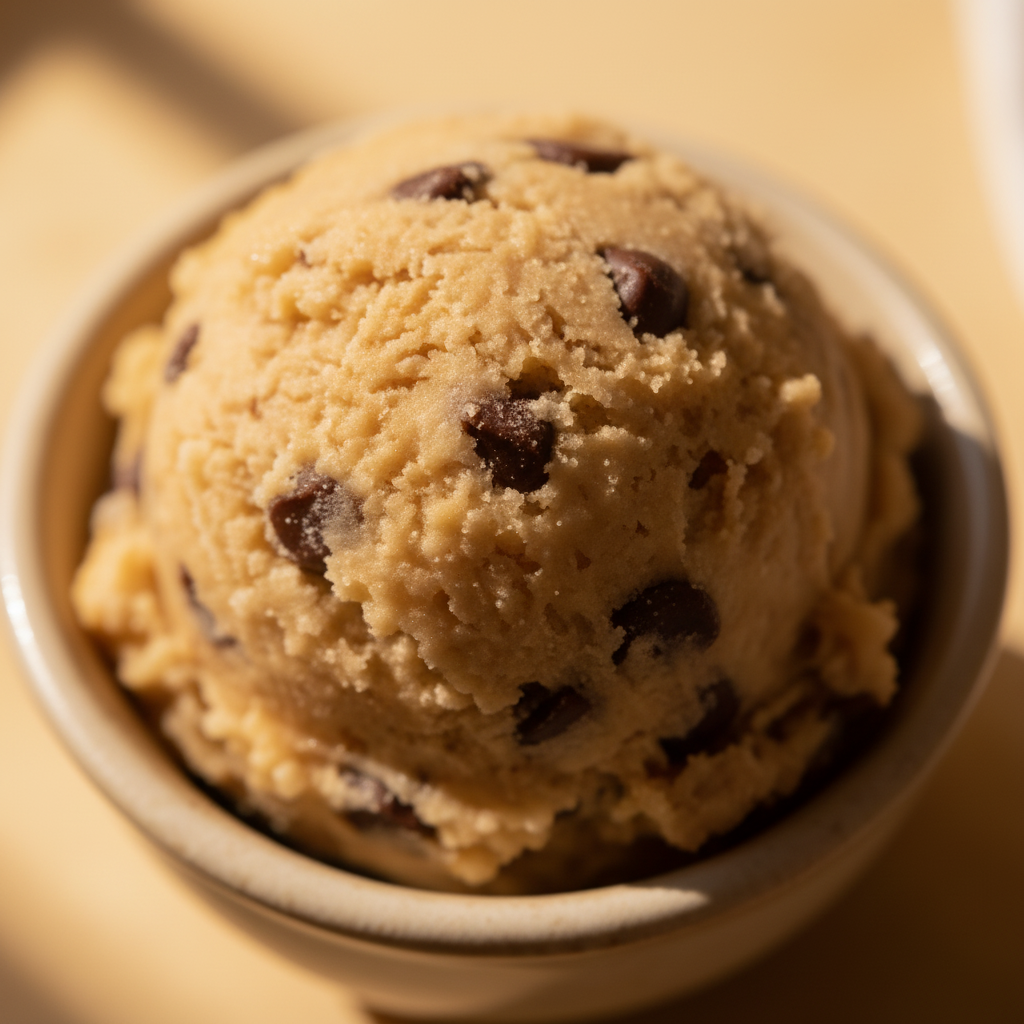
After countless late-night cravings for cookie dough that wouldn’t leave me with food safety worries, I finally perfected my edible cookie dough recipe. My journey began when my daughter Molly begged to lick the mixing bowl, and I wanted to create something truly safe without sacrificing that authentic cookie dough experience. Through trial and error (and some admittedly gritty first attempts), I discovered the secrets to silky-smooth, perfectly safe dough that satisfies those raw cookie cravings without any risks.
- Texture target: Creamy, scoopable dough that mimics traditional cookie dough without the grittiness
- Reliable swap: Heat-treated flour and no eggs for complete food safety
- Make-ahead: Stores for up to a week in the fridge, or freeze in scoops for instant satisfaction
Table of Contents
Classic Chocolate Chip Edible Cookie Dough
Indulge your sweet tooth safely with this easy-to-make, no-bake edible chocolate chip cookie dough. Perfect for satisfying cravings without the worry of raw ingredients.
PREP TIME
15 mins
15 mins
COOK TIME
8 mins
8 mins
TOTAL TIME
23 mins
23 mins
Servings: 8 servings
Course: Snack
Cuisine: American
Calories: 420
🥄 Ingredients
- 1 cup (125 grams) all-purpose flour
- ¾ cup (160 grams) packed light brown sugar
- ½ cup (113 grams) unsalted dairy-free butter substitute, softened
- 1 teaspoon (5 ml) vanilla extract
- ½ teaspoon (3 grams) fine sea salt
- 2 tablespoons (30 ml) unsweetened plant-based milk
- ½ cup (90 grams) dairy-free chocolate chips
- ½ cup (90 grams) mini dairy-free chocolate chips
👩🍳 Method
- Gather all your ingredients and ensure they are at room temperature, especially the dairy-free butter substitute.
- To heat-treat your flour safely: Place the 1 cup (125 grams) all-purpose flour in a microwave-safe dish and microwave on high for 1 minute and 15 seconds, stirring every 15 seconds. Alternatively, if using an oven, spread the flour evenly on a baking sheet and toast in a preheated oven at 350°F (175°C) for 5 to 6 minutes, until it reaches 160°F (71°C). Set the heat-treated flour aside to cool completely.
- In a large mixing bowl, using an electric mixer, beat the ¾ cup (160 grams) packed light brown sugar and ½ cup (113 grams) softened dairy-free butter substitute until the mixture is light, creamy, and pale in color, about 2-3 minutes.
- Beat in the 1 teaspoon (5 ml) vanilla extract and ½ teaspoon (3 grams) fine sea salt until well combined and fragrant.
- Gradually add the cooled, heat-treated 1 cup (125 grams) all-purpose flour to the wet mixture, mixing on low speed until a crumbly dough forms.
- Pour in the 2 tablespoons (30 ml) unsweetened plant-based milk and continue mixing until the dough just comes together and is well combined, but do not overmix. The dough should be moist but not sticky.
- Fold in the ½ cup (90 grams) dairy-free chocolate chips and ½ cup (90 grams) mini dairy-free chocolate chips until they are evenly distributed throughout the dough.
- Serve immediately and enjoy your safe, delicious edible cookie dough. For a firmer texture, chill in the refrigerator for 30 minutes before serving.
Notes: Store the edible cookie dough in an airtight container in the refrigerator for up to one week or in the freezer for up to one month. For best texture, allow it to sit at room temperature for 10-15 minutes before serving if chilled.
Why You’ll Love This Safe Edible Cookie Dough Recipe
When I first started making edible cookie dough, I quickly learned that not all recipes deliver that authentic cookie dough experience we crave. This recipe stands out because it actually tastes like the forbidden treat we all snuck from the mixing bowl as children, but without any of the food safety concerns.
What makes this recipe special is its perfect balance of sweetness and butteriness, coupled with a texture that’s spot-on. Unlike some edible dough recipes that end up grainy or overly sweet, this version has that slightly dense yet soft consistency that makes traditional cookie dough so irresistible.
Perhaps best of all, this is a no-bake treat you can whip up in just minutes when those cookie dough cravings strike. There’s no waiting for cookies to bake, no heating up the kitchen, just pure, instant gratification. And since it’s completely safe to eat, you can share it with the whole family without worry.
Understanding Edible Cookie Dough: What Sets It Apart?
In my early attempts at creating safe cookie dough, I learned there’s a significant difference between traditional cookie dough and truly edible versions. The key distinction lies in two potentially harmful ingredients: raw eggs and untreated flour.
Traditional cookie dough contains raw eggs, which can carry Salmonella bacteria, and raw flour, which may harbor E. coli. The CDC specifically warns against consuming raw flour, something I didn’t realize until I began researching safe alternatives. This explains why even the most tempting packaged cookie dough comes with warnings about eating it raw.
Truly safe edible cookie dough eliminates these risks through two important modifications. First, we skip the eggs entirely, which also makes this recipe perfect for those with egg allergies like my daughter. Second, we heat-treat the flour to kill any harmful bacteria that might be present. These simple changes transform a potentially risky indulgence into a completely safe treat without sacrificing that authentic cookie dough experience.
The beauty of this approach is that we maintain the flavor and texture we love while removing all the safety concerns. It’s cookie dough reimagined for worry-free enjoyment.
Ingredient Notes & Smart Substitutions
Through many test batches in my kitchen, I’ve learned which ingredients truly make the difference between good and exceptional edible cookie dough. The foundation starts with unsalted butter, which provides better control over the final flavor. I always bring it to room temperature for the creamiest texture, a step I learned is non-negotiable after several grainy batches.
For sweetness, I use a combination of both brown and white sugars. The brown sugar adds that distinctive cookie dough depth and moisture, while white sugar contributes to the overall sweetness without making it too heavy. If you’re looking to reduce refined sugar, coconut sugar works wonderfully as a substitute for brown sugar, though it does darken the dough slightly.
Vanilla extract brings warmth and that classic cookie flavor, but don’t overlook the importance of salt. A good quality fine sea salt balances the sweetness perfectly. In a pinch, table salt works, but I find the mineral notes in sea salt add subtle complexity.
For milk, I typically use whole milk for richness, but any milk works beautifully, including plant-based alternatives. Almond milk creates a particularly nice flavor profile, while oat milk adds subtle sweetness. If you’re making dairy-free cookie dough, pair plant milk with a high-quality vegan butter substitute.
When it comes to mix-ins, semi-sweet chocolate chips are classic, but this is where you can really get creative. My daughter loves white chocolate chips with dried cranberries, while I’m partial to dark chocolate chunks with toasted walnuts.
Essential Equipment for Perfect Cookie Dough
Creating truly great edible cookie dough doesn’t require fancy equipment, but having the right basic tools makes the process smoother and more enjoyable. After making countless batches, I’ve identified the essentials that consistently produce the best results.
First, a good baking sheet is crucial for heat-treating your flour. I learned the hard way that uneven heating can leave unsafe pockets in your flour. A rimmed baking sheet allows you to spread the flour thinly for even heating without it spilling over the edges.
For mixing, a stand mixer is convenient but absolutely not necessary. I often use a simple hand mixer when making smaller batches. If you’re mixing by hand, a sturdy wooden spoon and a bit of elbow grease will do the job perfectly. Just ensure your butter is properly softened for easier incorporation.
When it comes to measuring, I recommend using dry measuring cups for flour and sugars, and liquid measuring cups for milk or extracts. A digital kitchen thermometer is extremely helpful when heat-treating flour to ensure it reaches the food-safe temperature of 165°F, though it’s not absolutely required if you follow timing instructions carefully.
For storage, airtight containers are essential to keep your cookie dough fresh and prevent it from absorbing refrigerator odors. If you plan to freeze individual portions, a small cookie scoop creates perfect, uniform balls that thaw quickly when the craving strikes.
Pro Tips for a Flawless Batch Every Time
After many iterations in my kitchen, I’ve discovered several techniques that elevate homemade edible cookie dough from good to exceptional. These insights come from real experience, including some memorable failures that taught me what not to do!
The most crucial step is properly heat-treating your flour. Spread it in a thin, even layer on your baking sheet, as clumps will prevent thorough heating. I once rushed this step and ended up with flour that had a raw, bitter taste in some bites. Take the extra minute to break up any lumps before placing it in the oven.
For the perfect consistency, cream your butter and sugars thoroughly. When properly mixed, the mixture should be noticeably lighter in color and fluffy in texture. This process incorporates air, which creates that perfectly scoopable consistency. Undermixed dough will feel heavy and dense, while overmixed can become greasy.
Add milk gradually, not all at once. I’ve learned this allows you to control the texture precisely. The dough should hold its shape when scooped but still feel soft to the bite, similar to traditional cookie dough. If it becomes too soft, refrigerate for 15-20 minutes before serving.
For the best flavor development, let your cookie dough rest in the refrigerator for at least 30 minutes before enjoying. This allows the flavors to meld and deepen, similar to how traditional cookie dough improves with resting time. This step is optional but makes a noticeable difference in the final taste.
Finally, fold in mix-ins by hand with a spatula rather than using a mixer. This prevents chocolate chips from breaking down and distributes them evenly without overworking your perfectly textured dough.
Creative Variations to Customize Your Cookie Dough
The beauty of mastering basic edible cookie dough is that it serves as a perfect canvas for endless flavor combinations. In our home, creating new variations has become a beloved weekend activity, with each family member championing their favorite twist.
For chocolate lovers, try a double chocolate version by adding 2-3 tablespoons of cocoa powder to your flour before heat-treating it. The result is a rich, brownie-like dough that pairs beautifully with white chocolate chips or peanut butter chips. My daughter’s favorite is adding mini marshmallows and crushed graham crackers for a s’mores-inspired treat that disappears within minutes.
Nut butter enthusiasts will love swirling in a few tablespoons of peanut, almond, or cashew butter. This addition creates delightful ribbons of flavor throughout the dough while adding protein. For an indulgent twist, fold in crushed cookies, candy pieces, or toffee bits.
Seasonal variations have become a tradition in our home. In autumn, we add cinnamon, nutmeg, and finely chopped dried apples for an apple pie version. During winter holidays, peppermint extract replaces some of the vanilla, paired with crushed candy canes and dark chocolate chips.
For more sophisticated palates, try adding orange or lemon zest, which brightens the dough with citrus notes. A sprinkle of sea salt flakes on top just before serving creates a sweet-salty balance that’s utterly addictive.
Don’t forget about natural food colorings for festive occasions. Beetroot powder creates beautiful pink dough for Valentine’s Day, while matcha powder offers a subtle green color and earthy flavor that pairs wonderfully with white chocolate.
Serving Suggestions and Storage Tips
I’ve discovered that edible cookie dough is remarkably versatile beyond just eating it straight from the bowl (though that’s certainly delicious). For a simple dessert that impresses guests, I scoop the dough into small bowls and top with a drizzle of chocolate ganache or caramel sauce. The contrast between the cool, dense dough and warm sauce creates a delightful sensory experience.
For summer gatherings, I’ve found that cookie dough makes an unexpected but popular ice cream topping. Crumble small portions over vanilla ice cream for a reverse cookie dough ice cream effect. You can also sandwich a scoop between two graham crackers for a no-bake cookie sandwich that children absolutely love.
When it comes to storage, properly stored edible cookie dough maintains its quality remarkably well. In the refrigerator, it keeps for up to one week in an airtight container. The dough will firm up significantly when cold, so I recommend letting it sit at room temperature for 10-15 minutes before serving for the best texture.
For longer storage, freezing works beautifully. I pre-scoop the dough into balls using a cookie scoop, place them on a parchment-lined tray to freeze individually, then transfer to a freezer bag once solid. This method prevents the scoops from sticking together and allows you to thaw exactly the amount you want. Frozen cookie dough will maintain quality for up to three months.
If the dough seems dry after freezing, simply let it come to room temperature and stir in a few drops of milk to refresh the consistency. The texture should be firm enough to hold its shape when scooped, but soft enough to easily dig in with a spoon.
Making Edible Cookie Dough Safe to Eat
The journey to truly safe edible cookie dough centers on properly handling the two ingredients that pose risks: flour and eggs. Through trial and error, I’ve perfected techniques that ensure safety without compromising that authentic cookie dough experience.
Heat-treating flour is non-negotiable, as raw flour can harbor harmful bacteria like E. coli. I learned this process requires precision, not just guesswork. Spread your flour in a thin, even layer on a baking sheet and bake at 350°F for about 5-7 minutes until it reaches an internal temperature of 165°F. A digital thermometer is invaluable here, as visual cues can be misleading.
My first attempts at heat-treating flour resulted in a slightly toasted flavor that, while not unpleasant, wasn’t authentic to raw cookie dough. I discovered that stirring the flour halfway through baking prevents hot spots and helps maintain that neutral flavor we’re after. After baking, allow the flour to cool completely before using it, as the residual heat continues the cooking process.
Regarding eggs, the simplest and safest approach is complete elimination. Instead of trying to pasteurize eggs at home (a tricky process), we create binding and moisture with a combination of butter and a small amount of milk. This approach actually improves the dough’s shelf life while eliminating all risks associated with raw eggs.
For those concerned about texture without eggs, rest assured that properly creamed butter and sugar create that perfect cookie dough consistency. In fact, many tasters in my kitchen have commented that they prefer the texture of this eggless version to traditional raw cookie dough.
The Difference Between Cookie Dough and Edible Cookie Dough
Understanding the distinction between regular cookie dough and edible cookie dough is essential for both safety and culinary success. When I first started developing egg-free recipes, I naively thought I could simply omit eggs from my standard chocolate chip cookie recipe and call it a day. The results quickly taught me otherwise.
Traditional cookie dough is formulated specifically for baking, with raw ingredients that undergo crucial chemical changes in the oven. Eggs provide structure and leavening when baked, helping cookies rise and hold their shape. Raw flour contributes to the structure through gluten development during mixing and baking. These ingredients work together to transform from a dough to a finished cookie.
Edible cookie dough, by contrast, is designed exclusively for raw consumption. We remove eggs entirely rather than attempting to pasteurize them, which eliminates both safety concerns and the complexities of finding the right substitute for their binding properties. Heat-treating the flour kills potential bacteria while maintaining its thickening and binding capabilities.
Beyond safety modifications, edible cookie dough recipes are calibrated differently for texture and flavor. Since we’re not concerned with how it will spread or rise in the oven, we can focus entirely on creating the perfect unbaked consistency. The ratios of butter, sugar, and flour are adjusted to create that ideal scoopable texture that remains stable at room temperature.
Additionally, edible cookie dough often contains slightly more salt and vanilla than baking versions, as these flavors would normally intensify during baking. This adjustment ensures the raw dough delivers the full flavor profile we associate with fresh-baked cookies.
Conclusion
My journey to perfecting edible cookie dough began from a place of necessity, wanting to create safe treats for my daughter, but evolved into a passionate exploration of how simple ingredients can transform into something truly special. What I’ve discovered is that with the right techniques and a bit of kitchen confidence, you can create cookie dough that’s not just safe but arguably more delicious than the forbidden raw dough we snuck as children.
The beauty of mastering edible cookie dough lies in its versatility. Once you understand the foundational method, the variations become endless, limited only by your imagination. From birthday celebrations to midnight cravings, this recipe has become our family’s go-to treat, adapting to each season and special occasion.
I hope the tips and techniques I’ve shared from my many kitchen experiments will help you avoid the pitfalls I encountered and lead you straight to cookie dough perfection. Remember that the key to truly outstanding edible cookie dough lies in those small details: properly heat-treating your flour, thoroughly creaming your butter and sugars, and finding the perfect mix-ins that speak to your personal taste.
So go ahead, indulge in that childhood joy of eating cookie dough straight from the bowl, now without a hint of worry. Your spoon awaits!
Love this recipe? Follow us on Facebook and Pinterest and explore more creative ideas on our food blog!
Frequently Asked Questions
What are the main ingredients in edible cookie dough?
Edible cookie dough typically contains butter, brown and white sugars, vanilla extract, heat-treated flour, salt, milk, and mix-ins like chocolate chips. The key difference from regular cookie dough is the absence of eggs and the pre-baking of flour to eliminate harmful bacteria. These modifications make it completely safe to eat while maintaining that classic cookie dough taste and texture we all love.
How can you make cookie dough safe to eat?
To make cookie dough safe to eat, you must address two potential hazards: raw eggs and untreated flour. First, eliminate eggs completely from your recipe (using milk for moisture instead). Second, heat-treat your flour by spreading it on a baking sheet and baking at 350°F for 5-7 minutes until it reaches 165°F internally, which kills harmful bacteria like E. coli. Let the flour cool completely before mixing your dough. These simple steps eliminate food safety concerns without compromising on flavor or texture.
What distinguishes edible cookie dough from regular cookie dough?
Edible cookie dough is specifically formulated for raw consumption, while regular cookie dough is designed to be baked. The key differences are: 1) Edible dough contains no eggs, eliminating Salmonella risk, 2) The flour is heat-treated to kill potential E. coli bacteria, 3) The ingredient ratios are adjusted for optimal raw texture and flavor rather than baking properties, and 4) Edible dough often contains slightly more vanilla and salt to compensate for flavors that would normally develop during baking.
Can store-bought cookie dough like Pillsbury be eaten raw?
Most traditional store-bought cookie doughs, including Pillsbury, are not safe to eat raw unless specifically labeled as “edible” or “safe to eat raw.” Regular cookie doughs contain raw flour and often eggs, both potential sources of harmful bacteria. Some companies now offer special edible cookie dough products designed specifically for raw consumption. Always check packaging labels carefully and follow the manufacturer’s recommendations regarding raw consumption.
How long can edible cookie dough be stored?
Properly stored in an airtight container, homemade edible cookie dough will keep in the refrigerator for up to one week. For longer storage, you can freeze it for up to three months. I recommend pre-scooping the dough into individual portions before freezing for convenient single servings. The dough will firm up when cold, so allow refrigerated dough to sit at room temperature for 10-15 minutes before serving for the best texture.
What are some popular flavor variations for edible cookie dough?
Beyond classic chocolate chip, popular edible cookie dough variations include: double chocolate (adding cocoa powder to the flour), peanut butter chip, cookies and cream (with crushed sandwich cookies), s’mores (with mini marshmallows and graham cracker pieces), birthday cake (with sprinkles and white chocolate chips), snickerdoodle (with cinnamon and cinnamon chips), and seasonal flavors like pumpkin spice or peppermint chocolate. You can also add mix-ins like crushed candy, nuts, dried fruit, or swirls of caramel or fruit preserves.
Can edible cookie dough be made gluten-free or dairy-free?
Absolutely! For gluten-free edible cookie dough, substitute the all-purpose flour with a gluten-free flour blend (just make sure to heat-treat it the same way). For dairy-free versions, use plant-based butter alternatives and your preferred non-dairy milk like almond, oat, or coconut milk. When choosing chocolate chips, look for dairy-free varieties. These substitutions work remarkably well, and most people can’t tell the difference between the modified and traditional versions.