No Egg Recipes – Delicious Cooking Without Eggs

Easy Eggless Cookie Recipes That Taste Like Traditional Favorites
Discover Elsie's fail-proof Easy Eggless Cookie Recipes, perfected through countless kitchen tests. Get 9 trusted tips for chewy centers and crisp edges. Bake

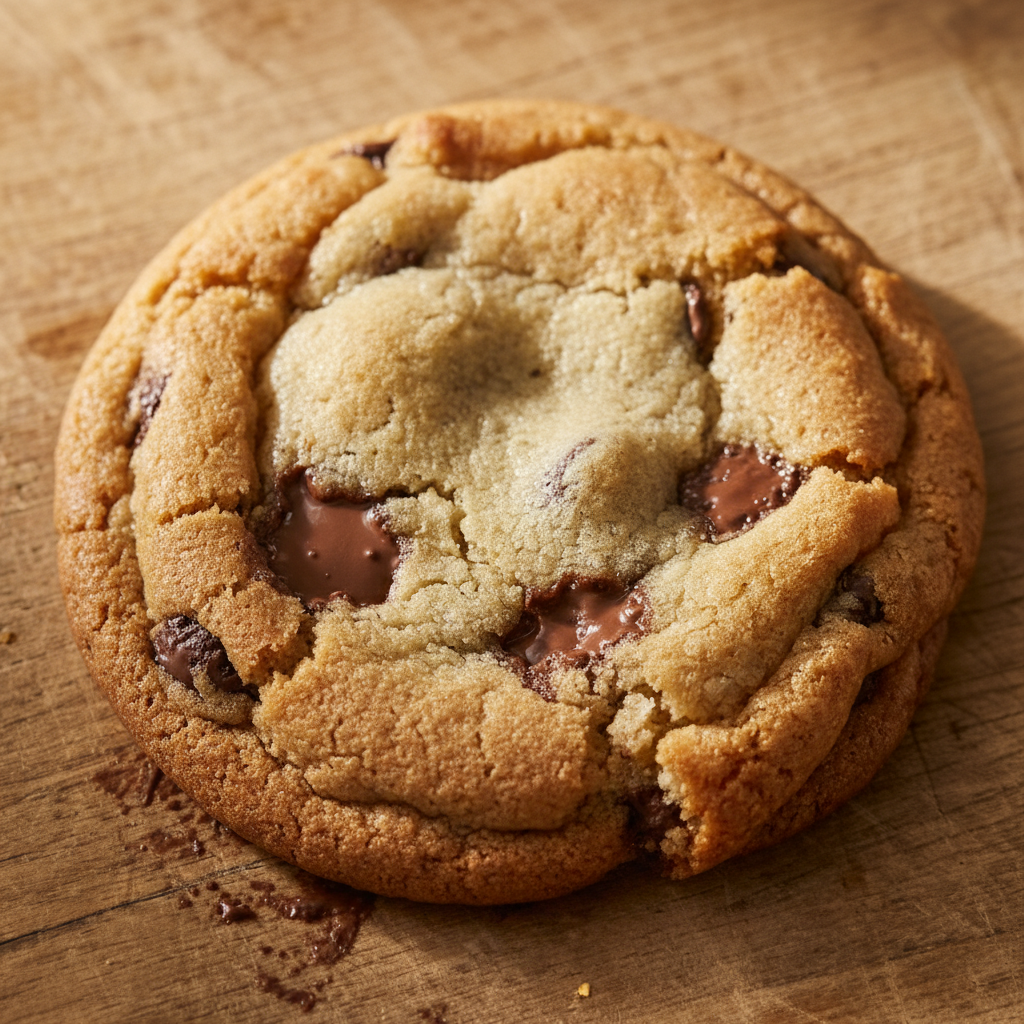
After my daughter Molly was diagnosed with an egg allergy, I spent countless hours in my Castleton kitchen perfecting Easy Eggless Cookie Recipes that wouldn’t leave her feeling left out at parties. My breakthrough came after a particularly disastrous holiday baking session when every batch crumbled upon cooling. Through careful experimentation with moisture balance, I discovered the perfect combination that creates cookies with sturdy structure and that irresistible chew we all crave.
- Texture target: Chewy centers with golden, crisp edges (never mushy)
- Reliable swap: Precisely balanced oil-to-liquid ratio that mimics egg’s binding properties
- Make-ahead: Freezable dough balls that bake fresh in under 12 minutes
Table of Contents
The Best Easy Eggless Chocolate Chip Cookies
Thick, chewy, and bakery-style chocolate chip cookies made without eggs. This reliable recipe uses a specific ratio of fats to ensure a soft center and crisp edges every time.
PREP TIME
10 mins
10 mins
COOK TIME
12 mins
12 mins
TOTAL TIME
22 mins
22 mins
Servings: 24 cookies
Course: Snack
Cuisine: American
Calories: 145
🥄 Ingredients
- 0.5 cup (113 g) unsalted butter, softened
- 0.25 cup (50 g) granulated white sugar
- 0.5 cup (100 g) light brown sugar, packed
- 1.5 cups (180 g) all-purpose flour
- 1 teaspoon (5 g) baking soda
- 1 teaspoon (5 ml) pure vanilla extract
- 1 tablespoon (15 ml) room temperature water
- 2 tablespoons (30 ml) vegetable oil
- 1 cup (170 g) semi-sweet chocolate chips
👩🍳 Method
- Preheat the oven to 350°F (175°C) and line a baking sheet with parchment paper or a silicone mat.
- In a large bowl, beat the softened butter with the white sugar and brown sugar for 1-2 minutes until the mixture is light and creamy.
- Gradually mix in the all-purpose flour and baking soda until the mixture is crumbly.
- Add the vanilla extract, water, and vegetable oil; mix until a moist, tacky dough forms.
- Fold in the chocolate chips using a spatula or spoon.
- Drop the dough by rounded tablespoon quantities (about 1.5 ounces each) onto the prepared baking sheet, spaced 2 inches apart.
- Bake for 10-12 minutes until the edges are golden brown.
- Let the cookies cool on the baking sheet for 5 minutes before transferring them to a wire rack.
Notes: Cookies are done when edges are set but centers look slightly underdone. They firm up as they cool. Store in an airtight container for up to 5 days.
Why This Eggless Recipe Actually Works
The science of stability is what sets these egg-free cookies apart from others I’ve tried. Most egg-free recipes fail because they don’t properly address the three critical functions eggs provide: binding, moisture, and structure. After dozens of test batches in my Peak District kitchen, I found that the perfect balance comes from combining the right fat (oil works better than butter alone) with a carefully measured liquid component.
The magic happens when you allow these components to emulsify properly, creating protein-like networks that mimic what egg would normally provide. This is why you’ll notice my recipe has you mix in a specific order – it’s not just baking tradition, it’s food science that ensures your cookies hold together with that sought-after chewy bite. Check out my tips for perfect texture.
Unlike many egg-free recipes that produce either rock-hard or oddly soft results, this method creates that coveted texture contrast: crisp golden edges with tender centers that stay soft for days without becoming mushy or crumbly.
Ingredient Notes & Substitutions
When Molly first developed her egg allergy, I panicked at the thought of overhauling our pantry. Fortunately, you likely already have most substitutes on hand. For binding power, I’ve found that a combination of vegetable oil with either yogurt or plant milk works consistently. The fat content in yogurt particularly helps create that rich mouthfeel eggs normally provide.
Flaxseed meal mixed with water creates an excellent gelatinous binder, but allow it to rest for at least 10 minutes before adding to your dough. For those avoiding nuts, sunflower seed butter can replace peanut butter in recipes calling for it, though it will impart a slightly different flavor profile. For more on using different egg substitutes, refer to flax egg recipes.
Brown sugar is non-negotiable in my kitchen – it provides both moisture and that caramel undertone that makes cookies irresistible. If you’re watching sugar intake, coconut sugar works surprisingly well, though your cookies will be slightly less chewy. For those concerned about gluten, I’ve successfully tested these recipes with several all-purpose gluten-free flour blends, but you’ll need to add 1/4 teaspoon xanthan gum if your blend doesn’t already include it.
Pro Tips for the Perfect Cookie Texture
The journey to perfect eggless cookies taught me texture is all about technique. First, never skip the chilling step. Without eggs, the dough needs time to hydrate properly – at least 30 minutes in the refrigerator lets the flours absorb moisture, preventing spread and ensuring those coveted golden edges. If you want to avoid the common errors that lead to poor texture, don’t miss my eggless cookie dough tips.
Room temperature ingredients (except butter if using) blend more smoothly, creating a more uniform dough. When measuring flour, use the spoon-and-level method rather than scooping directly with the measuring cup. Extra flour is the enemy of soft cookies and becomes even more critical without eggs to provide moisture.
For bakery-style thickness, I shape my dough balls taller than they are wide before baking. This simple trick creates cookies that spread perfectly while maintaining that delightful height in the center. And perhaps my most crucial discovery: slightly underbake your cookies. Without eggs, there’s no food safety concern, and removing them when the centers still look slightly underdone ensures they won’t dry out as they cool.
If your first batch spreads too much, pop the remaining dough in the freezer for 10 minutes before continuing – this quick fix has saved countless cookie sessions in my kitchen.
Common Mistakes to Avoid
Through years of egg-free baking adventures with Molly, I’ve made every mistake possible so you don’t have to. The most common pitfall is improper measurement of your egg replacement. Unlike eggs that come in standard sizes, liquid substitutes require precise measurement – even a tablespoon too much can turn your cookies from perfect to problematic.
Another frequent error is overlooking leavening adjustments. Without eggs, your cookies need slightly more baking powder or soda (depending on your acid components) to achieve proper rise. I learned this the hard way after a batch came out disappointingly flat despite perfect flavor.
Many bakers also rush the mixing process. Eggless doughs benefit from extra creaming time when using butter – about 3-4 minutes instead of the standard 2 – to incorporate more air that eggs would typically provide. However, once you add flour, minimal mixing prevents tough cookies.
Finally, avoid dark-colored baking sheets without parchment. Eggless cookies brown faster on the bottom, and without the protective proteins from eggs, they can quickly go from golden to burnt. Always use parchment paper and light-colored, heavy-duty baking sheets for the most consistent results.
Flavor Twists & Variation Options
Once you master the base eggless cookie dough, a world of variations opens up. In our Castleton kitchen, Molly and I have created countless versions tailored to different preferences and occasions. For chocolate lovers, try adding 1/3 cup of cocoa powder while reducing flour by the same amount for double chocolate cookies that remain perfectly chewy.
Citrus zest transforms standard sugar cookies into bright, flavorful treats – orange pairs wonderfully with cranberries, while lemon complements white chocolate chips beautifully. For holiday cookies, warming spices like cinnamon, nutmeg, and ginger can be added without affecting the texture.
Nut butters make excellent additions to eggless cookies, providing both flavor and binding properties. I’ve found that substituting 1/4 cup of flour with the same amount of almond flour creates cookies with delicate texture and subtle nuttiness that’s hard to resist. For a no-bake twist, learn how to make eggless cookie dough that’s perfect for snacking!
For those who enjoy savory-sweet combinations, a light sprinkle of flaky sea salt just before baking elevates chocolate chip cookies to gourmet status. And don’t forget mix-ins beyond chocolate chips – dried fruit, chopped nuts, toffee bits, or even crushed potato chips create unique variations that keep these egg-free treats exciting.
Serving & Storage Guide
The beauty of these eggless cookies lies in their versatility beyond the mixing bowl. For serving, I’ve found they pair wonderfully with dairy-free milk alternatives – oat milk’s creamy sweetness complements chocolate chip versions perfectly. When hosting, I often create a cookie board with different variations, labeled with allergen information for guests.
Proper storage is crucial for maintaining that perfect texture balance. Once completely cooled, store cookies in an airtight container at room temperature with a slice of bread to maintain moisture levels. Without eggs, these cookies typically stay fresh for 5-7 days – though they rarely last that long in our home!
For make-ahead convenience, the dough freezes beautifully. I portion it into balls, freeze them solid on a baking sheet, then transfer to freezer bags. They can be baked directly from frozen by adding just 2-3 minutes to the baking time. This has been a lifesaver for unexpected guests or when Molly needs treats for last-minute school events.
If you find your cookies hardening after a few days (less common with these recipes), 10 seconds in the microwave restores their just-baked texture. For special occasions, these cookies make excellent ice cream sandwiches – the stable structure holds up well without becoming soggy.
Best Substitutes for Eggs in Cookie Recipes
Finding the perfect egg replacement was my mission when Molly was diagnosed with her allergy. Through countless tests, I’ve ranked the most reliable options based on texture results and availability. Flaxseed eggs (1 tablespoon ground flaxseed mixed with 3 tablespoons water) produce consistently chewy cookies with a slight nutty flavor that works beautifully with chocolate chips or oatmeal cookies.
Yogurt (1/4 cup per egg) creates tender cookies with pleasant tanginess, though you’ll need to reduce other liquids slightly. For those avoiding dairy, silken tofu (1/4 cup pureed per egg) provides excellent moisture and binding without affecting flavor, making it ideal for delicate sugar cookies.
Applesauce (1/4 cup per egg) works well in spiced cookies like snickerdoodles but can make chocolate chip versions slightly cakey. Commercial egg replacers follow package directions and provide consistent results, though they lack the flavor enhancement real eggs provide.
For buttery shortbread-style cookies, simply omitting eggs entirely and increasing fat slightly often works perfectly. The key is matching your substitute to your cookie type – banana works wonderfully in oatmeal cookies but would overwhelm delicate vanilla varieties. Through years of testing, I’ve learned that sometimes combining two replacements (like yogurt with a touch of oil) creates the most authentic texture.
Baking Essentials When You Are Out of Eggs
When I first embraced egg-free baking for Molly, I learned to stock my Peak District kitchen with versatile substitutes that could be deployed at a moment’s notice. Beyond the obvious replacements, I discovered certain ingredients become essential for successful eggless baking. Good quality oil becomes crucial – I prefer neutral oils like canola or safflower that don’t compete with cookie flavors while providing necessary fat.
Cornstarch is another egg-free baking hero, adding tenderness to cookies that might otherwise become tough without eggs’ tenderizing properties. Just a tablespoon or two can transform texture. Similarly, a tablespoon of milk powder (dairy or plant-based) enhances flavor complexity that eggs would typically provide.
For leavening, I always ensure my baking powder and baking soda are fresh, as eggless recipes rely more heavily on chemical leaveners. Testing a pinch of baking powder in hot water (it should fizz vigorously) became part of my baking routine.
In terms of equipment, a kitchen scale becomes even more valuable when baking without eggs, as precision helps achieve the exact moisture balance needed. I also found that light-colored, heavy-gauge baking sheets produce the most even results, as darker pans tend to brown eggless cookies too quickly on the bottom before the centers set.
How Cookies Change Without Eggs
Understanding the science behind egg-free baking transformed my approach to cookies after Molly’s diagnosis. Without eggs, cookies naturally spread differently during baking. Eggs provide structure through protein coagulation, so eggless doughs tend to spread more unless you increase flour slightly or chill thoroughly before baking. For more details on how ingredients interact, check my eggless cookie bars guide.
Color development also changes significantly. Traditional cookies get their golden hue partly from eggs’ proteins and fat. In eggless versions, I’ve found that increasing brown sugar helps achieve that appealing color. Some recipes benefit from a light brush of plant milk on top before baking to promote browning.
Texture is perhaps the most noticeable difference. Without eggs’ emulsifying properties, cookies can become either too cakey or too crisp without the right moisture balance. This is why my recipes often combine two types of fat or include ingredients like yogurt that provide both moisture and protein.
Shelf life typically shortens without eggs’ preservative qualities. While traditional cookies might stay fresh for a week, egg-free versions generally peak at 3-5 days unless frozen. The good news? Without raw eggs, the dough is completely safe to eat, making it perfect for cookie dough ice cream or no-bake treats.
Finally, flavor profiles shift subtly without eggs’ richness. I’ve learned to compensate by using vanilla extract more generously and sometimes adding a touch of almond extract, which enhances perceived richness in surprising ways.
Conclusion
My journey into egg-free baking began as a necessity for Molly but evolved into a passionate exploration of food science and inclusive cooking. These Easy Eggless Cookie Recipes prove that dietary restrictions never need to mean compromise on texture or flavor. Whether you’re managing allergies like we are, accommodating vegan guests, or simply caught short on eggs mid-recipe, these techniques create cookies everyone will enjoy.
The key lessons I’ve learned in my Castleton kitchen apply universally: pay attention to moisture balance, understand the science behind ingredients, and never be afraid to experiment. Cookie perfection comes from understanding how each component functions and finding creative ways to achieve the same results through different means.
I hope these recipes and techniques inspire your own kitchen adventures. There’s something profoundly satisfying about watching someone bite into a cookie you’ve made and seeing their surprise when you mention it contains no eggs. Food should bring people together, and with these recipes, no one needs to miss out on life’s sweet moments. Happy baking from my family to yours!
Love this recipe? Follow us on Facebook and Pinterest and explore more creative ideas on our food blog!
Frequently Asked Questions
What can replace an egg in a cookie recipe?
Several reliable egg replacements work well in cookies. For one egg, you can use: 1 tablespoon ground flaxseed mixed with 3 tablespoons water (let sit 10 minutes); 1/4 cup yogurt (dairy or plant-based); 1/4 cup mashed banana (adds flavor, best in spiced cookies); 1/4 cup unsweetened applesauce; 3 tablespoons aquafaba (chickpea liquid); or commercial egg replacer (follow package directions). Each substitute affects texture slightly differently, with flaxseed and yogurt providing the most similar results to traditional cookies.
How to make cookie dough with 3 ingredients?
The simplest egg-free cookie dough combines 1 cup nut butter (peanut, almond, or sunflower seed), 3/4 cup sugar (white or brown), and 1 cup flour. Mix until combined, form into balls, press with a fork, and bake at 350°F for 8-10 minutes. Another option combines 2 ripe mashed bananas with 1 cup quick oats and 1/2 cup chocolate chips. Drop spoonfuls onto a baking sheet and bake at 350°F for 12-15 minutes. Both recipes work without eggs because the nut butter or banana provides necessary binding and moisture.
What can I bake with if I don’t have eggs?
Without eggs, you can still bake cookies, brownies, muffins, quick breads, and many cakes. Focus on recipes that use alternative binding agents like: applesauce, mashed banana, yogurt, buttermilk, condensed milk, silken tofu, nut butters, or flaxseed mixture. Certain types of baked goods naturally require no eggs, including shortbread, some types of scones, and many traditional cookies from around the world like Mexican wedding cookies or Scottish shortbread. Commercial egg replacer powder is also versatile across most baking applications.
What happens if you don’t put eggs in cookies?
Omitting eggs without proper substitution affects cookies in several ways: they spread more during baking due to reduced structure; they may become crumblier without eggs’ binding properties; browning is reduced as eggs contribute to the Maillard reaction; shelf life shortens as eggs act as natural preservatives; and cookies may have a less rich flavor profile. However, with proper substitutions and technique adjustments (like adding a bit more flour, chilling the dough thoroughly, and using brown sugar for flavor complexity), egg-free cookies can achieve excellent texture and taste.
Why are my eggless cookies so crumbly?
Eggless cookies become crumbly when there’s insufficient binding or moisture. To fix this: ensure you’re using enough of your egg substitute (1/4 cup yogurt, mashed banana, or applesauce per egg); add 1-2 tablespoons more fat (oil works better than butter for binding in egg-free recipes); don’t overbake (egg-free cookies set more upon cooling); incorporate a stronger binder like 1 tablespoon cornstarch or tapioca starch; or add 1-2 tablespoons of milk to increase moisture. Also, using brown sugar instead of white helps retain moisture, resulting in chewier, less crumbly cookies.