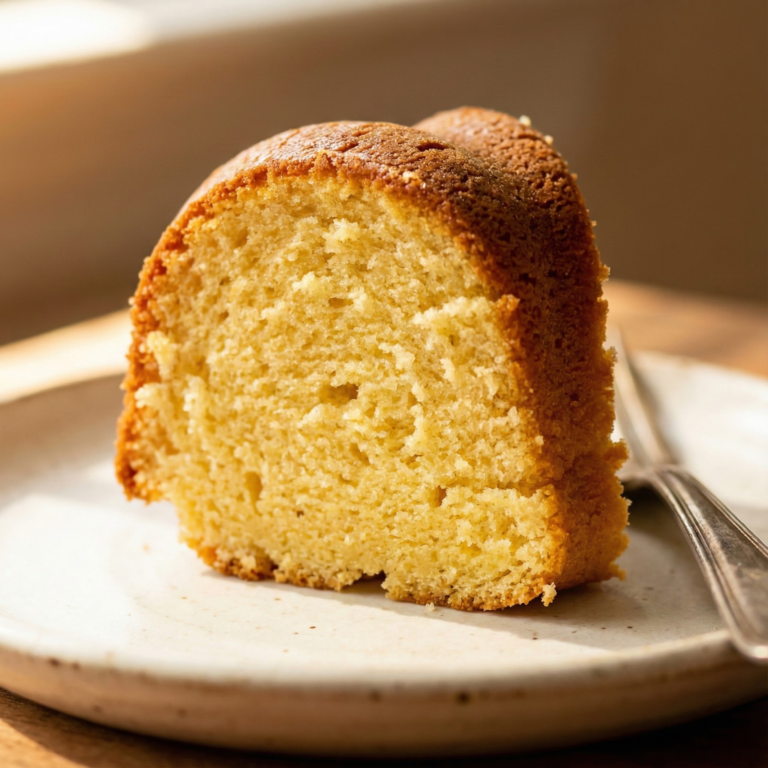
No Egg Recipes – Delicious Cooking Without Eggs

Eggless Pistachio Cranberry Christmas Cake: A Festive Holiday Treat
Unlock Elsie's trusted Eggless Pistachio Cranberry Christmas Cake recipe! Perfect for allergies, this cake offers 7 proven tips for a tender, moist crumb.

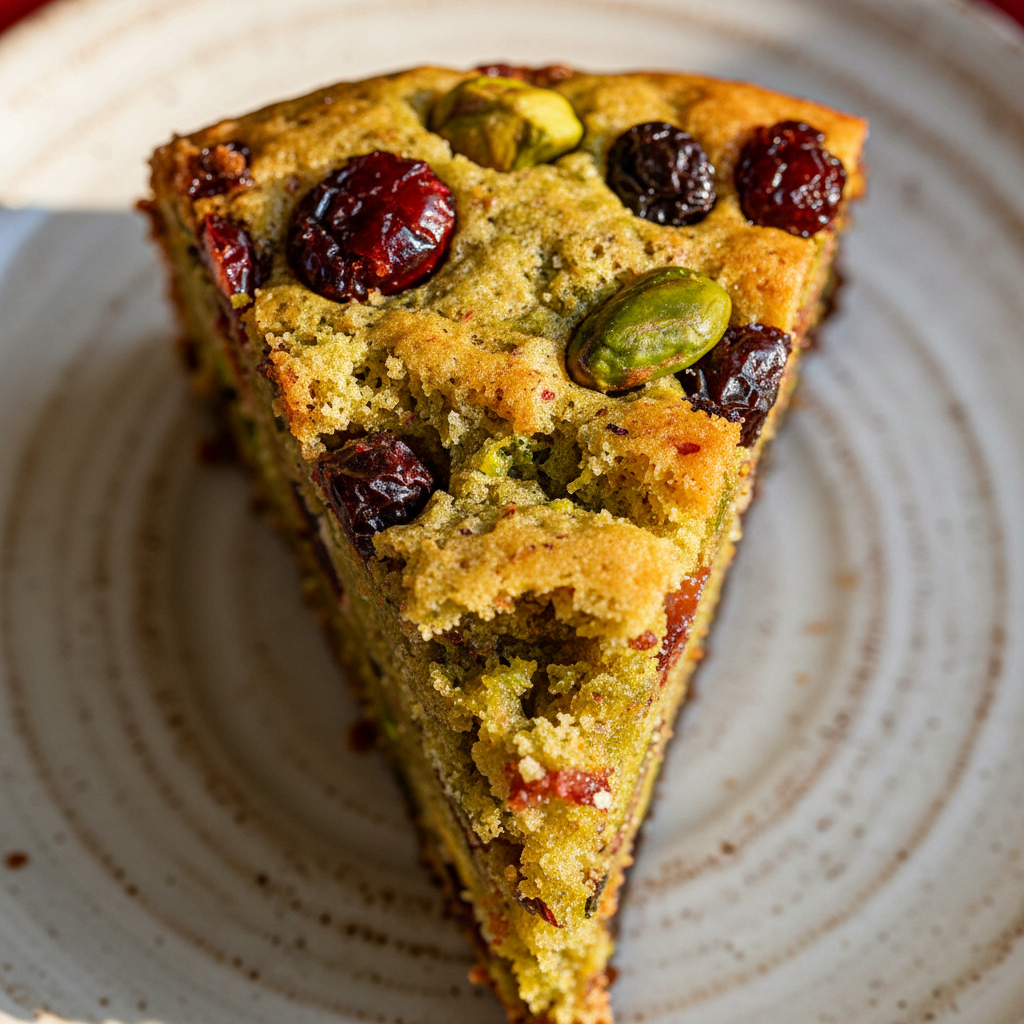
After years of holiday baking experiments, I’ve perfected this Eggless Pistachio Cranberry Christmas Cake that delivers rich festive flavor without a single egg. My kitchen journey began when my daughter Molly was diagnosed with an egg allergy, and this recipe represents countless hours of testing to create something special that everyone can enjoy during the holiday season. The buttery, nutty crumb paired with tangy cranberries creates a celebration-worthy centerpiece that no one will believe is egg-free.
- Texture target: Moist, tender crumb with crunchy pistachio bits and juicy cranberry bursts
- Reliable swap: Yogurt and oil combination perfectly replaces eggs for moisture and binding
- Make-ahead: Keeps fresh for 5 days or freezes beautifully for up to 3 months
TOC
Table of Contents
5-Step Sourdough Bread
This recipe guides beginners through a foolproof 5-step process to bake their first homemade sourdough loaf, making the often-intimidating sourdough process simple and accessible.
PREP TIME
25 mins
25 mins
COOK TIME
45 mins
45 mins
TOTAL TIME
1440 mins
1440 mins
Servings: One 1.5 to 2 lb loaf
Course: Snack
Cuisine: American
Calories: 250
🥄 Ingredients
- 150 g (2/3 cup) active sourdough starter
- 350 g (1.5 cups) cool water
- 500 g (4 cups) King Arthur Unbleached All-Purpose Flour
- 10 g (1.75 teaspoons) salt
👩🍳 Method
- **Feed your starter & mix the dough:** Feed your sourdough starter 4 to 12 hours before you plan to mix the final dough; it should be bubbly and active. In a large bowl, whisk together the active sourdough starter, cool water, and salt. Add the flour and mix with a spoon or your hands until it forms a shaggy, cohesive dough. The dough will be stiff. Cover the bowl and let it rest for 30 minutes at room temperature.
- **Perform your first set of stretches & folds:** After 30 minutes, with wet hands, gently grab a portion of dough from the perimeter of the bowl, stretch it upward, then fold it over the center of the dough. Rotate the bowl 90° and repeat. Do this 4 to 5 times around the bowl until the dough starts to resist. Cover the bowl and let it rest for 30 minutes.
- **Perform your second set of stretches & folds:** After 30 minutes, perform your second set of stretches and folds as you did in Step 2. Cover the bowl and let the dough rest for about 6 to 12 hours total (the longer you let it sit, the more sour your bread will be; the shorter, the milder).
- **Shape & chill the dough:** Lightly flour a clean work surface. Gently turn the dough out onto the floured surface. Do a series of letter folds: Gently pull one side of the dough up and over to the center, then the opposite side, then the remaining two sides. Flip the dough over so the seam side is down and gently roll it into a round shape. Place the dough seam-side up in a lightly floured banneton basket or a floured towel-lined bowl. Cover and refrigerate for 8 to 24 hours.
- **Bake the bread:** Preheat your oven to 450°F (232°C) with a Dutch oven inside for at least 30 minutes. Carefully remove the hot Dutch oven and carefully place the dough into it, seam-side down (or seam-side up for an open bloom). Score the top of the dough with a sharp knife or razor blade. Cover and bake for 30 minutes. Remove the lid and continue baking for 15 to 20 minutes, or until the loaf is deeply golden brown and the internal temperature is 200-210°F (93-99°C). Carefully remove the bread from the Dutch oven and transfer it to a wire rack to cool completely before slicing and serving.
Notes: For best results, your sourdough starter should be active and bubbly prior to use. The loaf is done when it's deeply golden brown and sounds hollow when tapped on the bottom, with an internal temperature of 200-210°F (93-99°C). Store leftover sourdough at room temperature for up to 3 days, or freeze sliced for longer storage.
Why This Recipe Works for Beginners
This festive cake succeeds where many egg-free recipes fail because it’s built on solid baking science rather than just substituting ingredients. The combination of yogurt for moisture, baking powder and soda for lift, and oil for tenderness creates a foolproof foundation. When Molly first requested a Christmas cake she could enjoy, I tested over a dozen variations before landing on this version.
What makes this perfect for beginners is its forgiving nature. Unlike traditional Christmas cakes that can dry out without eggs, this batter maintains moisture through multiple mechanisms. The pistachios release natural oils while baking, and the cranberries provide pockets of juiciness throughout. Even if you’re new to egg-free baking, the straightforward mixing method (dry ingredients in one bowl, wet in another, then combine) virtually guarantees success.
Perhaps most importantly, this cake doesn’t require specialty egg replacers or hard-to-find ingredients. Everything can be found at your local supermarket, making this accessible to anyone wanting to accommodate egg allergies during the holidays without compromise.
Ingredient Notes & Substitutions
The heart of this Christmas cake lies in its carefully balanced ingredients. For the pistachios, I recommend unsalted, shelled nuts that you coarsely chop yourself rather than pre-chopped varieties. This gives you control over texture and ensures freshness. If pistachios are unavailable, walnuts or almonds make good substitutes, though they’ll change the flavor profile.
Fresh cranberries provide bright pops of tartness, but dried cranberries soaked in orange juice for 30 minutes work wonderfully when fresh aren’t in season. For a less tart version, dried cherries create a luxurious alternative.
The yogurt is crucial for moisture and structure. I use full-fat Greek yogurt, but plant-based varieties work well for a fully vegan version. Just ensure it’s unsweetened and relatively thick. Coconut yogurt pairs particularly well with the holiday flavors.
For the spices, I blend cinnamon, nutmeg, and cardamom for a traditional Christmas profile. The cardamom is optional but adds a sophisticated note that complements the pistachios beautifully. Fresh orange zest brightens the entire cake, but lemon zest can substitute in a pinch.
The neutral oil keeps the cake moist for days. While vegetable or canola oil works perfectly, melted coconut oil adds a subtle complementary flavor that enhances the festive nature of the cake. Just be sure your other ingredients are at room temperature to prevent the coconut oil from solidifying when mixed.
Equipment Notes & Recommendations
After many holiday baking sessions with varying results, I’ve found that the right equipment makes a significant difference for this Eggless Pistachio Cranberry Christmas Cake. A sturdy 9-inch bundt pan provides the ideal shape for even baking and a festive presentation. If you don’t have a bundt pan, a 9-inch springform pan works well, though baking time may need slight adjustment.
For preparing the pan, I’ve learned that a thorough greasing with shortening followed by a light dusting of flour ensures clean release every time. Cooking sprays with flour included are convenient but don’t always work as well with this particular batter.
When mixing, a stand mixer makes the process effortless, but a hand mixer or even manual mixing with a wooden spoon produces excellent results too. The key is not overmixing once the wet and dry ingredients come together, which can make the cake dense.
A fine microplane grater makes quick work of the orange zest, extracting the flavorful oils without the bitter pith. For chopping pistachios, I prefer a sharp chef’s knife rather than a food processor, which can quickly turn them into powder rather than the chunky texture we want for this cake.
Finally, a cake tester or toothpick is essential for checking doneness. This cake can be deceptive, as the moisture from the cranberries might make it seem underbaked when it’s perfectly done.
Pro Tips & Troubleshooting Your Sourdough
While working on this eggless holiday cake, I’ve collected some professional insights that ensure success every time. First, ensure all ingredients are at room temperature before beginning. Cold yogurt can cause the batter to curdle or separate, affecting the cake’s rise and texture.
If your cake is browning too quickly but remains underbaked inside, cover it loosely with aluminum foil halfway through baking. This protects the top while allowing the center to cook through properly.
When folding in the cranberries and pistachios, toss them in a tablespoon of flour first. This prevents them from sinking to the bottom during baking, ensuring even distribution throughout your cake.
For those experiencing a dense or gummy texture, the most common culprit is overmixing. Once you combine wet and dry ingredients, mix just until incorporated, then stop. Overmixing develops gluten, which can make your cake heavy rather than tender.
If your cake cracks excessively on top, your oven temperature might be too high. Consider getting an oven thermometer to verify accuracy, as many home ovens can be off by 25 degrees or more.
For those finding the cake too dry, increase the yogurt by 2 tablespoons next time. Conversely, if it’s too moist or collapsing in the center, reduce the liquid by the same amount or extend baking time by 5-minute increments, testing carefully.
Finally, resist the temptation to check doneness too early or frequently. Opening the oven door causes temperature fluctuations that can lead to uneven baking or sinking.
Variations & Flavor Twists
After mastering the basic Eggless Pistachio Cranberry Christmas Cake, I love exploring creative variations that maintain the festive spirit while offering something unique. One of my family’s favorites is the Orange Spice version, where I increase the orange zest to 2 tablespoons and add 2 tablespoons of orange juice to the batter for a pronounced citrus character that brightens the holiday table.
For chocolate lovers, fold in 3/4 cup of dark chocolate chunks along with the cranberries and pistachios. The bittersweet chocolate balances the tart cranberries beautifully and adds a luxurious element.
A sophisticated twist involves soaking the finished cake with 3 tablespoons of Grand Marnier or spiced rum. Simply poke the warm cake all over with a skewer and brush the liqueur over the surface, allowing it to absorb slowly for an adults-only treat.
For a completely different flavor profile, substitute the cranberries with chopped dried apricots and the pistachios with toasted hazelnuts. Add 1/2 teaspoon of almond extract to complement these flavors for a golden, nutty cake that feels equally festive.
To create a showstopping glaze, combine 1 cup of powdered sugar with 2 tablespoons of cranberry juice and a splash of vanilla. Drizzle this vibrant pink glaze over the cooled cake and sprinkle with additional chopped pistachios for a stunning red and green presentation that’s perfect for Christmas.
For mini holiday gifts, divide the batter between 3 small loaf pans, reducing the baking time to about 35 minutes. These petite cakes make perfect hostess gifts throughout the season.
Serving & Storing Your Sourdough Bread
This Eggless Pistachio Cranberry Christmas Cake truly shines when served with thoughtful accompaniments. For an elegant dessert presentation, slice the cake and serve with a dollop of lightly sweetened whipped cream (dairy or coconut-based) and a sprinkle of crushed pistachios. The contrast of the cool cream against the warm spices is delightful.
During holiday brunches at my home, I serve thin slices alongside a citrus fruit salad, where the bright flavors complement the cake beautifully. For afternoon tea, simply dust with powdered sugar just before serving for an understated elegance.
The cake actually improves with time as the flavors meld, making it perfect for advance preparation. Once completely cooled, store it at room temperature in an airtight container for up to 5 days. I place a piece of parchment paper under the cake to absorb any moisture and maintain the tender crumb.
For longer storage, this cake freezes exceptionally well. Wrap individual slices or the entire cake tightly in plastic wrap, then aluminum foil, and freeze for up to 3 months. Thaw overnight in the refrigerator, then bring to room temperature before serving. For a special touch, warm slices gently in a 300°F oven for 5 minutes to revive the aromas.
If you find the cake becoming dry after a few days (though this rarely happens), create a simple syrup by heating equal parts sugar and water until dissolved, then brush lightly over slices before serving to restore moisture. A splash of orange liqueur in this syrup adds wonderful complexity for adult gatherings.
Mastering Your Sourdough Starter
While our Eggless Pistachio Cranberry Christmas Cake doesn’t utilize sourdough techniques, understanding fermentation can actually enhance your egg-free baking skills. In my kitchen experiments, I’ve discovered that some fermented elements can add complexity to holiday bakes. For example, replacing a portion of the milk with kefir or cultured buttermilk introduces beneficial bacteria that create subtle tang and improved texture.
When working with egg-free batters like this Christmas cake, proper aeration becomes crucial since we don’t have eggs to trap air. I’ve found that allowing the mixed batter to rest for 15 minutes before baking gives the leavening agents time to activate fully, creating more bubbles and a lighter crumb, similar to how a sourdough develops air pockets.
Temperature control matters tremendously in both sourdough bread and egg-free cakes. For this pistachio cranberry cake, having ingredients at a consistent room temperature ensures proper emulsification and even rising, just as maintaining the right environment helps a sourdough culture thrive.
The science of fermentation has taught me patience in baking, which translates perfectly to this Christmas cake. Don’t rush the cooling process, as the residual heat continues cooking the interior slightly and sets the structure. Cutting too soon can result in a gummy texture, similar to slicing sourdough before it’s fully set.
Finally, just as sourdough bakers develop intuition about their starters, you’ll develop a feel for this cake batter’s proper consistency. It should be thick enough to suspend the cranberries and pistachios but still drop easily from a spoon. This balance ensures a moist, well-structured cake without eggs.
Achieving the Perfect Crust and Crumb
Creating the ideal texture for this Eggless Pistachio Cranberry Christmas Cake has been a journey of discovery. The perfect exterior should be golden brown with a slight crispness that gives way to a moist, tender interior. This contrast is what makes the cake so satisfying.
The secret to a beautiful crust lies in proper pan preparation. After many trials, I found that greasing the bundt pan thoroughly, then dusting with a mixture of flour and finely ground pistachios creates a thin, flavorful crust that releases cleanly. This mixture caramelizes slightly during baking, adding depth to each bite.
For the ideal crumb structure without eggs, proper mixing is essential. I fold the wet and dry ingredients together with a light hand, using a wide rubber spatula rather than a mixer. This gentle action preserves air pockets while preventing gluten development, resulting in a cake that’s tender rather than tough.
The distribution of cranberries and pistachios affects both texture and flavor. Rather than mixing everything at once, I fold in half the pistachios with the batter, then layer in some of the cranberries, followed by more batter, remaining nuts, and finishing with cranberries on top. This creates interesting texture variations throughout each slice.
Baking temperature plays a crucial role too. Starting with a hotter oven (375°F) for the first 15 minutes helps establish the outer crust, then reducing to 325°F allows the interior to bake gently without drying out. This two-stage approach mimics professional bakery techniques and ensures consistent results.
Lastly, cooling technique affects final texture significantly. Allow the cake to cool in the pan for exactly 15 minutes, no more or less. This timing allows the structure to set while preventing the cake from becoming soggy from trapped steam or shrinking too much from rapid cooling.
Common Sourdough Mistakes to Avoid
When making this Eggless Pistachio Cranberry Christmas Cake, certain pitfalls can prevent you from achieving that perfect holiday centerpiece. The most frequent mistake I encountered early on was improperly measuring flour. Scooping directly with a measuring cup compacts flour, potentially adding up to 25% more than recipes intend. Instead, gently spoon flour into your measuring cup and level with a knife for accurate amounts.
Another common error is using ingredients straight from the refrigerator. Cold yogurt, milk, or oil won’t properly integrate, leading to a lumpy batter and uneven baking. I learned to set everything out at least an hour before beginning, especially during winter when my Castleton kitchen gets particularly chilly.
Many bakers make the mistake of opening the oven repeatedly to check doneness. Each opening drops the temperature by 25-50 degrees, causing uneven rising and potential sinking in the center. Trust your timer and use the toothpick test only when the recommended baking time is complete.
Under-greasing the pan is a heartbreaking mistake I’ve made more than once. This cake has a relatively high sugar content, which means it can stick stubbornly. Take extra time to thoroughly grease every crevice, especially if using an intricate bundt pan design.
Regarding the pistachios and cranberries, avoid chopping the nuts too finely or they’ll disappear into the batter. Similarly, don’t substitute dried cranberries for fresh without soaking them first, as they’ll draw moisture from your cake, resulting in dry patches.
Finally, rushing the cooling process nearly always leads to disaster. I’ve had beautiful cakes crack apart because I attempted to remove them from the pan too quickly. Patience during the 15-minute pan cooling and subsequent complete cooling on a rack ensures your holiday creation remains intact and impressive.
Conclusion
Creating this Eggless Pistachio Cranberry Christmas Cake has been one of my most rewarding kitchen journeys. What began as a necessity for my daughter Molly has blossomed into a cherished holiday tradition that our friends and family now request annually. The vibrant red cranberries against the green pistachios create a naturally festive appearance that captures the spirit of the season perfectly.
I’ve watched guests’ expressions transform from polite curiosity about an “egg-free cake” to genuine delight after their first bite. This recipe proves that accommodating dietary restrictions never means compromising on flavor or celebration. The moist, tender crumb and balanced flavor profile stand on their own merits, not as a substitute for something else.
The true magic of this cake extends beyond its ingredients. It represents inclusive gathering, where everyone at the table can participate fully in holiday traditions. In our home, food has always been about bringing people together, and this recipe embodies that philosophy beautifully.
Whether you’re baking for someone with egg allergies, embracing plant-based options, or simply looking for a reliable, delicious Christmas cake, I hope this recipe brings as much joy to your kitchen as it has to ours. The combination of pistachios and cranberries might just start a new tradition in your home, one delicious slice at a time.
Remember that baking is both science and art. Trust the process, embrace any minor variations that make the recipe uniquely yours, and most importantly, enjoy sharing the results with those you love. Happy holiday baking from my Castleton kitchen to yours!
Love this recipe? Follow us on Facebook and Pinterest and explore more creative ideas on our food blog!
Frequently Asked Questions
How do I know if my sourdough starter is active enough for baking?
An active sourdough starter should double in volume within 4-8 hours after feeding and appear bubbly and spongy. The float test is reliable: drop a small spoonful of starter into water – if it floats, it’s ready for baking. It should also smell pleasantly sour with a sweet, yeasty undertone rather than overly acidic or alcoholic. For best results, use your starter when it’s at its peak rise before it begins to deflate.
Can I make sourdough bread without a Dutch oven?
Absolutely! While a Dutch oven creates ideal steam conditions, you can use alternatives like a pizza stone with a metal bowl as a dome, a preheated heavy baking sheet with ice cubes added to the bottom of the oven for steam, or even a lidded clay baker. The key is creating steam during the initial baking phase and having a hot surface for the dough to contact. Your crust might not be quite as crispy, but you’ll still achieve delicious results.
What is the best type of flour for sourdough bread?
Unbleached bread flour with 11-14% protein content makes the most reliable sourdough as its higher gluten content provides better structure. For deeper flavor, include 10-20% whole wheat, rye, or spelt flour. All-purpose flour (10-12% protein) works but produces slightly less open crumb. Freshness matters tremendously – flour stored longer than 6 months loses quality. I recommend King Arthur, Bob’s Red Mill, or local milled options for best results.
How long does homemade sourdough bread last?
Properly stored homemade sourdough typically stays fresh at room temperature for 4-5 days. Keep it cut-side down on a cutting board or wrapped in a clean cotton cloth for the first day to maintain crust quality. After that, store in a paper bag or bread box. For longer storage, slice the bread once completely cooled, freeze in an airtight container or zip-top bag for up to 3 months, and toast slices directly from frozen.
Why is my sourdough bread gummy or too dense?
Dense or gummy sourdough usually results from one of four issues: underproofing (not enough fermentation time), undercooked interior (check with thermometer – should reach 205-210°F), too much hydration for your flour type and skill level, or insufficient gluten development during folding. Try extending your bulk fermentation, ensuring your starter is very active before mixing, reducing hydration by 5-10%, and developing strength through consistent stretch and folds during bulk fermentation.
Can I troubleshoot my sourdough if it doesn’t rise?
When sourdough doesn’t rise properly, first check your starter’s activity – it should double within 8 hours after feeding. Next, consider temperature: sourdough loves 75-78°F for optimal fermentation. Cold environments dramatically slow rising. Ensure you’re developing enough gluten through proper mixing and folding techniques. Finally, be patient – some doughs, especially whole grain versions, need significantly longer fermentation times than recipes suggest. Adjust hydration levels and try again with these factors in mind.
How do I store and feed my sourdough starter long-term?
For long-term storage, refrigerate your mature starter in a glass container with a loose lid. Feed it once weekly with equal weights of flour and water (1:1:1 ratio of starter:flour:water). For extended storage (1-3 months between uses), create a stiff starter by reducing water content, which slows fermentation. For even longer periods, dry small portions of active starter on parchment paper, then store the flakes in an airtight container. Revive by soaking in water and proceeding with regular feedings until activity returns.