No Egg Recipes – Delicious Cooking Without Eggs

Elsie’s Small-Batch No Egg Sugar Cookies, Soft & Chewy
No Egg Cookies Sugar that stay soft and chewy, tested in a home kitchen for reliability in small batches. Easy, egg-free comfort. Get Elsie's trusted method.

Ever stood at the counter, out of eggs, but craving a warm batch of sugar cookies that stay soft and chewy? That was me, one rainy afternoon in Castleton, when my daughter Molly asked for a treat and I realized the only thing missing was eggs. I’m Elsie Marlow, a home cook from Castleton in the Peak District, where quiet village life is the backdrop for my busy kitchen.
My daughter Molly’s egg allergy sparked our journey into egg-free cooking. What started as a challenge turned into a joyful adventure; we experimented with aquafaba cupcakes, flaxseed ‘eggs,’ and tofu scrambles, and laughed through every kitchen mishap. Now, I cook egg-free for anyone—vegans, those with allergies, or the simply curious. I believe food should bring people together, never leave anyone out. NoEggRecipes.com is for all who want tasty, inclusive meals.
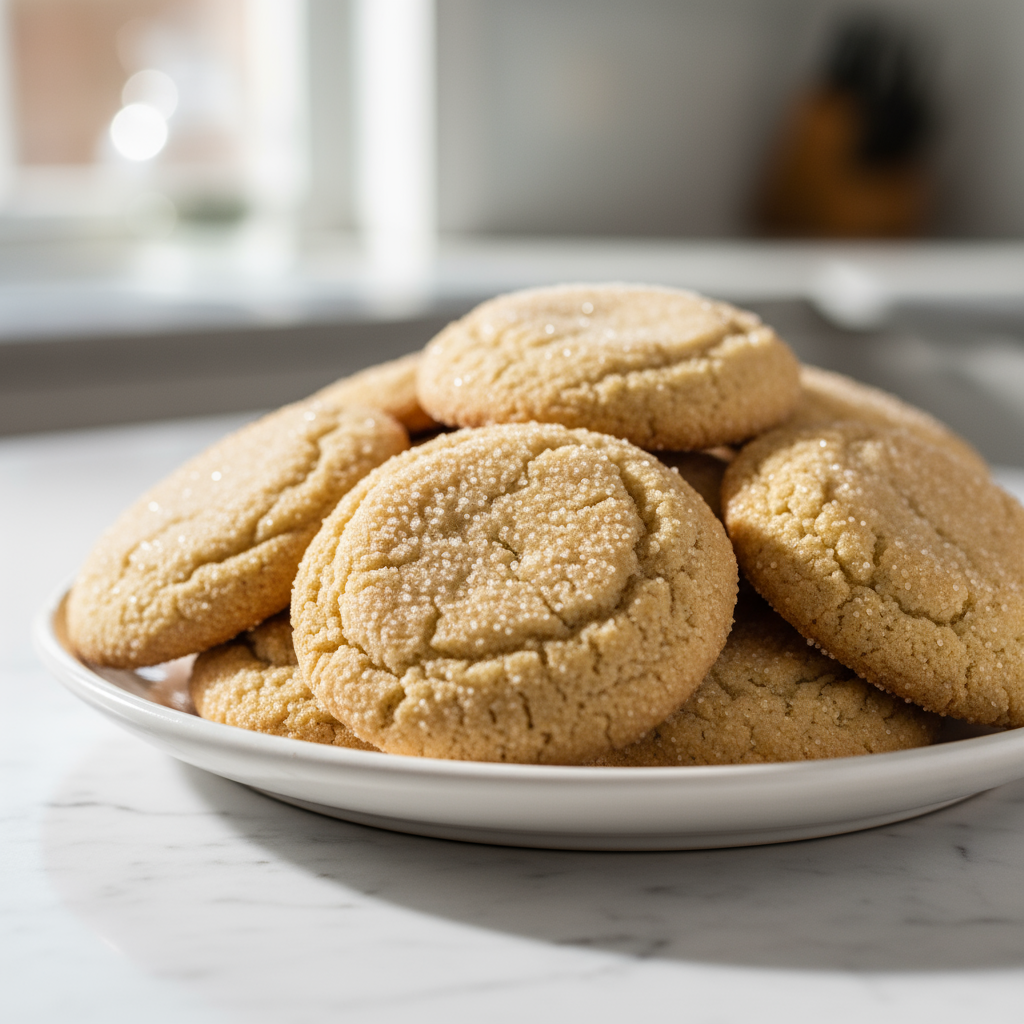
In this post, I share a reliable small-batch recipe for no egg sugar cookies that yields 6 to 7 soft, chewy cookies. I developed this exact recipe after dozens of test batches until the texture, flavor, and ease of the method were consistent, even when baking straight from frozen dough. You will find clear steps, sensory cues to guide you, troubleshooting notes based on my experience, and tips to keep the cookies tender. The goal is simple: make a quick, dependable cookie you can trust when eggs are not an option.
Table of Contents
Table of Contents
Ingredients List
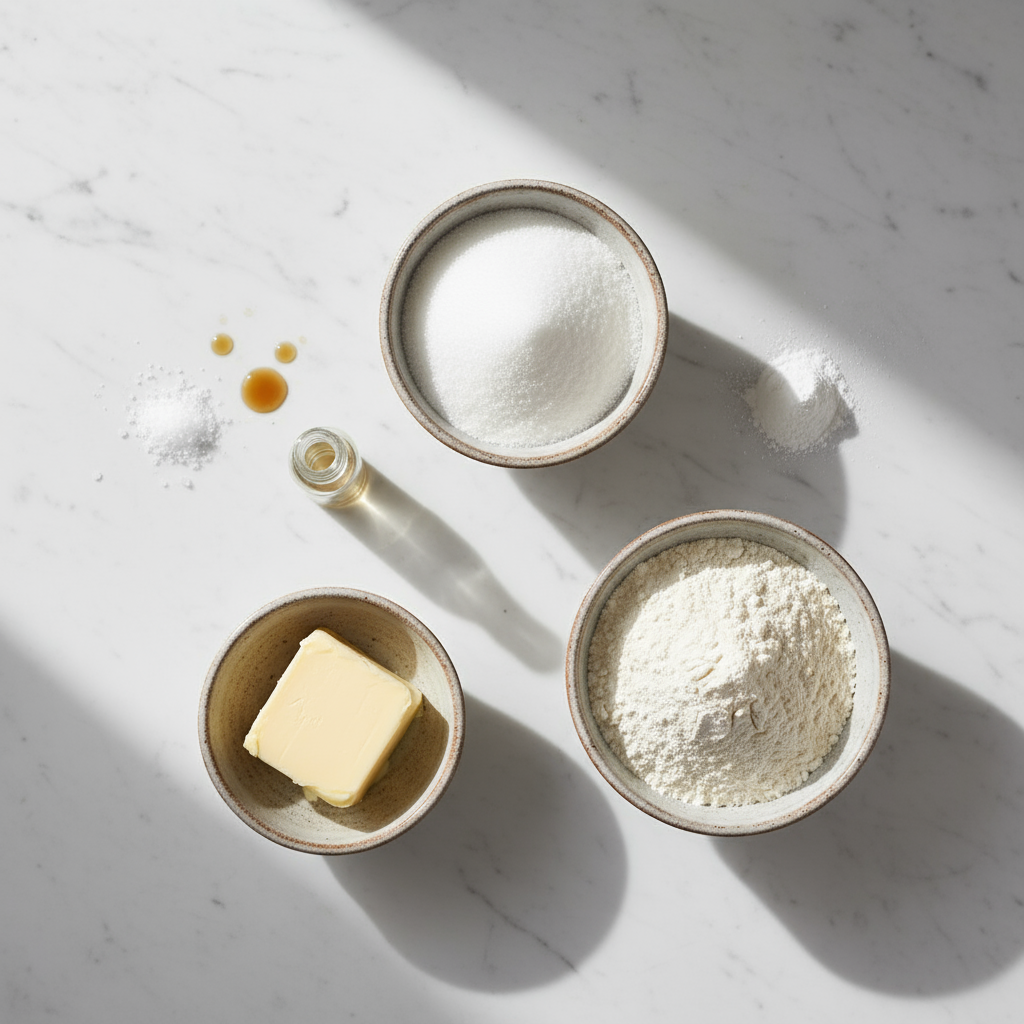
- 4 tablespoons (56 grams) unsalted butter, melted
- 1 tablespoon (14 grams) cream cheese, softened
- 1/3 cup (67 grams) granulated sugar, plus extra for rolling
- 1/2 teaspoon (2.5 ml) vanilla extract
- 1/2 cup + 2 tablespoons (75 grams) all-purpose flour
- 1/4 teaspoon (1 gram) baking soda
- 1/8 teaspoon (0.5 gram) fine sea salt
Timing
Prep time: 10 minutes, Cook time: 10 minutes, Total time: 20 minutes.
Oven temperature: 350°F (175°C).
Pan: standard-sized sheet pan lined with parchment paper.
Yield: 6-7 cookies.
Step-by-Step Instructions
- Preheat your oven to 350°F (175°C), and line a standard-sized sheet pan with parchment paper. Gather all your ingredients to ensure a smooth baking process.
- In a medium bowl, combine the melted unsalted butter, softened cream cheese, 1/3 cup (67g) granulated sugar, and 1/2 teaspoon (2.5ml) vanilla extract. Using an electric mixer, beat these ingredients together until the mixture is homogenous, light, and fluffy.
- Sprinkle the 1/2 cup + 2 tablespoons (75g) all-purpose flour, 1/4 teaspoon (1g) baking soda, and 1/8 teaspoon (0.5g) fine sea salt on top of the wet mixture. Beat just until combined; be careful not to overmix the dough.
- Divide the cookie dough mixture into 6 or 7 equal portions. Roll each portion into a smooth ball using your hands.
- Roll each dough ball in extra granulated sugar, ensuring it’s fully coated. Place the sugar-coated balls evenly spaced apart on your prepared baking sheet.
- Bake for 10-11 minutes. The cookies will appear puffy when removed from the oven and will start to crack slightly as they cool. Let them cool on the baking sheet for 5 minutes before carefully transferring them to a wire rack to cool completely.
Nutritional Information
Per serving: 1 cookie (1 of 6-7).
| Calories | 129 |
| Fat | 8g |
| Saturated Fat | 5g |
| Carbohydrates | 13g |
| Fiber | 0g |
| Sugar | 11g |
| Protein | 0g |
| Sodium | 103mg |
These cookies are not designed as a low-sugar treat, but the small-batch size helps with portion control. If you need lower sugar, see the Healthier Alternatives section for sensible swaps and how they affect texture and cook time.
Healthier Alternatives for the Recipe
If you want to lighten this cookie without changing the method, small swaps can help while keeping the soft, chewy result. Because this is a tiny batch, I recommend changing one thing at a time so you know how it affects the dough.
- Reduce sugar: Cut the granulated sugar from 1/3 cup to 1/4 cup (about 50 grams to 67 grams difference) for slightly less sweetness. The cookies will be less crackly on top but still tender.
- Swap part of the butter: Replace up to 1 tablespoon of melted unsalted butter with a neutral oil like light olive oil or avocado oil to reduce saturated fat. This can make the cookies a touch softer and chewier.
- Lower-fat cream cheese: Use a reduced-fat cream cheese to cut calories, but keep the same weight so the dough structure stays consistent.
- Whole grain option: Substitute up to 2 tablespoons of the all-purpose flour with finely milled whole wheat flour for a slight nutty note, but expect a firmer crumb.
Make small, controlled swaps and document the result on your first trial so you can repeat what you like. I often test one swap per batch so I can easily compare outcomes.
Serving Suggestions
These small-batch cookies are perfect as a quick treat for school lunches, a last-minute snack, or a plated dessert. Because they are soft and slightly chewy, they pair beautifully with something creamy or warm.
- Serve with a small cup of milk or a dairy-free milk for a classic pairing.
- Top cooled cookies with a thin glaze made from powdered sugar and a little milk, or dip half the cookie in melted dark chocolate and let it set.
- Make a petite ice cream sandwich using two cookies and a small scoop of vanilla or dairy-free ice cream, pressing gently so the cookies stay intact.
- Arrange on a platter with fresh berries for a tea-time treat, or pop them into lunchboxes wrapped in parchment for a school-safe dessert.
I like to keep these simple so the delicate vanilla and buttery notes shine through. If you plan to decorate, wait until the cookies are completely cool to avoid softening or sogginess.
Common Mistakes to Avoid
When I first swapped eggs out of cookie recipes, I learned a few hard lessons. Below are the most common mistakes and how to avoid them, so your no egg cookies sugar batches succeed every time.
- Overmixing after adding flour: The dough only needs to come together. Mixing too long develops gluten and makes the cookies tough. Stop when the flour streaks disappear.
- Using cold cream cheese or butter: If the cream cheese or melted butter is too cold, the dough will be lumpy and not bind well. Use softened cream cheese and fully melted, warm, not hot butter.
- Baking too long because the top “looks raw”: Eggless cookies often do not brown as much. Remove them when they are puffy, slightly cracked, and the edges are set. They will firm up as they cool.
- Skipping the sugar roll: The extra granulated sugar on the outside gives a light crunch that contrasts with the soft interior. Don’t skip it unless you need to reduce sugar for health reasons.
- Expecting identical results to egg-based cookies: Without eggs, the structure and leavening change. These cookies are intentionally soft and chewy, not cakey or overly airy. Accepting that difference helps you appreciate their texture.
Addressing these mistakes will get you much closer to the soft, chewy texture you expect from classic sugar cookies, even when baking without eggs. If you need more troubleshooting, see the Troubleshooting section later on.
The Science Behind Eggless Baking
Eggs act as binders, leaveners, and moisture providers in baked goods. When you remove eggs, you must rely on other ingredients to provide structure and tenderness. In this recipe, a small amount of cream cheese combined with melted butter takes on several roles: it adds moisture, creates a tender crumb, and helps bind the dough.
The baking soda gives a gentle lift, while the sugar contributes to tenderness by absorbing moisture and creating that crackled surface when rolled. Because there is less protein structure without egg, these cookies spread less and remain thick and soft. The key is balancing moisture and fat without overmixing, so the result is chewy rather than dense.
Understanding these roles explains why certain steps matter. For example, beating the wet ingredients until light incorporates tiny air pockets that help the cookie rise. Adding the dry ingredients and stopping promptly prevents gluten overdevelopment. Baking until the cookies are just set ensures they finish cooking on the tray, preserving a soft center.
Troubleshooting Your Eggless Cookies
If your cookies are not quite right, use these targeted fixes. I keep a small baking notebook and a camera to capture dough texture and the final cookie, which helps me track what changed between batches.
- Cookies are flat and greasy: You may have used too much melted butter or not chilled the pan between batches. Measure the melted unsalted butter carefully and let the dough rest briefly if your kitchen is very warm. Even eggless pancakes can get greasy if the butter ratio is off!
- Cookies are hard: This is usually from overbaking or overmixing. Reduce bake time by a minute and mix until just combined.
- Cookies crack too much or crumble: Check that the cream cheese was softened but not melted. If it is too cold, the dough may not bind properly. Bring cream cheese to room temperature before measuring.
- Dough is sticky and hard to roll: Chill the dough for 10 minutes, or lightly flour your hands. Because the recipe is small-batch, a short chill is often enough to firm it up without changing bake characteristics.
- Cookies do not spread: These are meant to remain slightly puffy. If you want them to spread a bit more, gently press each dough ball with the palm of your hand before rolling in sugar, but avoid flattening completely.
If you still have trouble, compare photos of your dough to mine: the dough should be moist, silky, and hold together without crumbling. The exterior sugar should cling uniformly to the ball before baking.
Creative Flavor Variations
Once you are comfortable with the base method, these small tweaks add variety without changing the steps. Keep changes modest so the dough chemistry stays familiar.
- Citrus sugar cookies: Add 1/2 teaspoon finely grated lemon or orange zest to the wet mixture for bright flavor. Do not add juice, as that changes the moisture balance.
- Spiced version: Stir in 1/4 teaspoon ground cinnamon and a pinch of nutmeg with the flour for a warm, cozy note. If you like warm spices, you might also enjoy these egg-free banana muffins.
- Almond sugar: Replace 1/4 teaspoon vanilla extract with 1/4 teaspoon almond extract for a fragrant twist.
- Chocolate-dipped: After cooling, dip half the cookie in melted chocolate and let set on parchment. This adds richness without affecting the original bake.
These variations keep the same ingredient list and method, so success is straightforward. I test each flavor on a small platter to see which version Molly likes best before making more.
Perfectly Storing Your Eggless Sugar Cookies
Storage is simple but important to maintain that soft, chewy texture. Follow these steps to keep cookies fresh for a couple of days or to freeze them for longer storage.
- Room temperature: Store cooled cookies in an airtight container at room temperature for up to 2 days. If you stack them, separate layers with parchment to prevent sticking.
- Freezing baked cookies: Freeze baked cookies flat between layers of parchment paper in an airtight container or freezer bag for up to 3 months. Thaw on the counter for a few hours before serving.
- Freezing raw dough balls: Arrange dough balls on a tray and freeze until solid, then transfer to a freezer-safe bag. Bake from frozen, adding 2-3 minutes to the baking time.
My tip: when storing at room temperature, include a slice of bread in the container to help maintain softness, replacing it if it hardens. This little trick keeps the texture closer to freshly baked cookies.
Conclusion
Thanks for baking along with me. I hope this recipe helps you make reliable, soft, and chewy no-egg sugar cookies whenever you need a quick treat. From the first mixing bowl to the warm cookie cooling on the rack, aim for the sensory cues I describe: a light, homogenous wet mixture, a silky dough that holds together, and cookies that leave the oven puffy and slightly cracked. Those are the signs of success.
My kitchen experiments are born from family needs, and if Molly approves, I know it tastes like home. Save this small-batch method for nights when you want a few cookies fast, or scale it carefully once you are comfortable. If you try the recipe, take a photo of your dough and final cookies—I love seeing how small changes make unique results. Happy baking, and remember that delicious cookies can be made with or without eggs, with the right technique and a little patience.
Love this recipe? Follow us on Facebook and Pinterest and explore more creative ideas on our food blog!
Frequently Asked Questions
Can sugar cookies be made without eggs?
Yes. Sugar cookies can be successfully made without eggs by using a combination of fats and dairy alternatives to provide moisture and structure. In this recipe, melted unsalted butter and softened cream cheese replace eggs to create a tender, chewy cookie.
What can you substitute for an egg in sugar cookies?
Common substitutes include applesauce, mashed banana, flaxseed mixed with water, aquafaba, or a combination of butter and cream cheese as used here. Each substitute affects texture differently, so this recipe uses cream cheese and butter to preserve a soft, chewy result.
What happens if you don’t put eggs in cookies?
Without eggs, cookies typically have less structure and will be denser and more tender rather than cakey. They may not brown as much and will rely on fat and sugar balance for texture. Adjusting mixing and bake time helps achieve the desired chewiness.
What sweet treats can I make without eggs?
Many treats can be made egg-free, including brownies, many bar cookies, some muffins, cupcakes using aquafaba, and cookies like this sugar cookie recipe. Focus on recipes designed or tested for egg-free baking for the best results.
How do eggless cookies compare in texture and taste to traditional ones?
Eggless cookies often taste very similar, especially when you use flavorful ingredients like good vanilla and butter. Texture can differ: eggless cookies are frequently softer and chewier with less lift. This small-batch recipe emphasizes a soft, chewy profile that many people prefer.