No Egg Recipes – Delicious Cooking Without Eggs

Perfect Eggless Cookie Dough: Safe, Delicious, and Ready in Minutes
Unlock Elsie's ultimate eggless cookie dough recipe, safe, delicious & ready in minutes. Perfect for allergies! Get Elsie's trusted method today. Get the

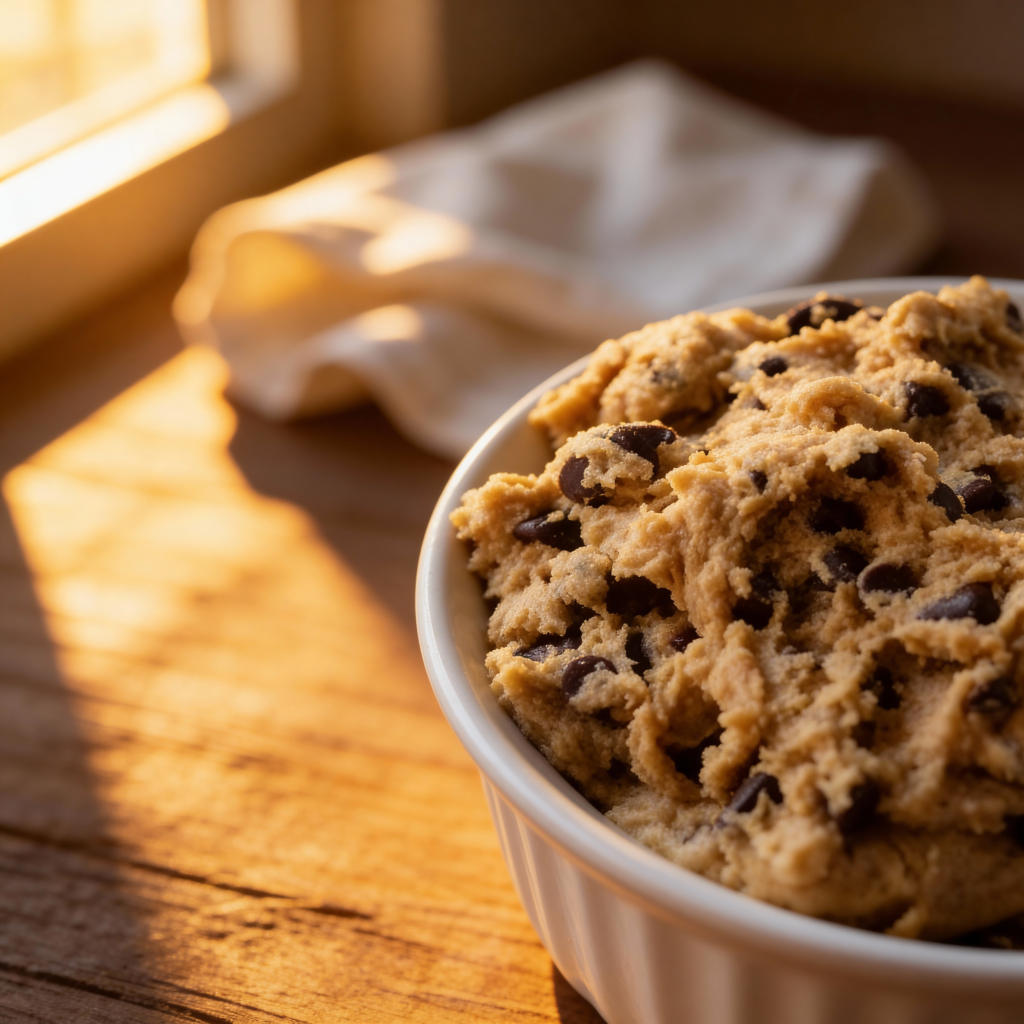
After years of experimenting with eggless cookie dough recipes for my daughter Molly, I’ve finally cracked the code to a version that’s not just safe but genuinely delicious. Creating perfect eggless cookie dough became my mission when we discovered Molly’s egg allergy, and now I’m sharing all my hard-won secrets. This recipe delivers that nostalgic cookie dough experience we all crave, without any worry about raw eggs, and it’s versatile enough to eat by the spoonful or bake into perfect cookies.
- Texture target: Perfectly scoopable dough that’s slightly firmer than traditional cookie dough but just as satisfying
- Reliable technique: Heat-treated flour using the microwave method for absolute safety in under 2 minutes
- Make-ahead: Stores beautifully for up to 5 days in the fridge or 3 months in the freezer
Table of Contents
Elsie's Safe & Simple Single-Serving Eggless Cookie Dough
A quick, easy, and completely safe recipe for a delicious single serving of eggless cookie dough that can be enjoyed raw or baked into a cookie. Featuring heat-treated flour for peace of mind and endless customization possibilities.
PREP TIME
5 mins
5 mins
COOK TIME
12 mins
12 mins
TOTAL TIME
17 mins
17 mins
Servings: 1 serving
Course: Snack
Cuisine: American
Calories: 520
🥄 Ingredients
- 60 grams (1/2 cup) all-purpose flour, heat-treated
- 56 grams (1/4 cup) unsalted vegan butter, softened
- 24 grams (2 tablespoons) granulated sugar
- 33 grams (2 1/2 tablespoons) light brown sugar, packed
- 1.25 ml (1/4 teaspoon) vanilla extract
- 0.6 ml (1/8 teaspoon) baking soda
- 1 pinch (0.3 grams) salt
- 60 ml (4 tablespoons) water or plant-based milk
- 50 grams (1/4 cup) chocolate chips, or more to taste
👩🍳 Method
- To heat-treat the flour: Spread the all-purpose flour on a microwave-safe plate or in a bowl. Microwave on high in 30-second intervals, stirring well after each, until the flour reaches an internal temperature of 165°F (74°C). This usually takes about 1-2 minutes. Let the flour cool completely.
- In a small mixing bowl, cream together the softened unsalted vegan butter, granulated sugar, and light brown sugar until light and fluffy. This can be done with a fork or a small whisk.
- Stir in the vanilla extract, baking soda, and salt until well combined.
- Gradually add the cooled, heat-treated all-purpose flour to the wet mixture, mixing until just combined and no dry streaks remain.
- Add the water or plant-based milk one tablespoon at a time, mixing until the dough comes together and reaches your desired consistency. It should be soft and pliable, but not sticky.
- Fold in the chocolate chips. Mix until evenly distributed.
- Enjoy immediately! If desired, scoop into 1 1/2 tablespoon portions and bake at 350°F (175°C) for 10-12 minutes until the edges are lightly golden. Let cookies cool on the baking sheet for a few minutes before transferring to a wire rack.
- Store any leftover edible cookie dough in an airtight container in the refrigerator for up to 3 days.
Notes: To ensure absolute safety, heat-treat your all-purpose flour before mixing. You can microwave it in 30-second intervals, stirring, until it reaches 165°F (74°C). This recipe is designed for immediate enjoyment, but leftovers can be stored in an airtight container in the refrigerator for up to 3 days. For best consistency when baking, chill the dough for at least 30 minutes.
Why This Recipe Works and Why Eggless Dough is a Game Changer
When Molly was diagnosed with an egg allergy, I thought our days of sneaking cookie dough from the mixing bowl were over. Traditional cookie dough contains raw eggs, which carry salmonella risk, and raw flour, which can harbor E. coli. Through countless test batches in my Castleton kitchen, I discovered that creating safe, delicious cookie dough without eggs isn’t just possible – it’s actually better in many ways.
The beauty of this eggless version is that it maintains that perfect cookie dough consistency we all love while eliminating food safety concerns. By heat-treating the flour (a simple two-minute microwave process I’ve refined over dozens of batches) and skipping eggs entirely, we create a worry-free treat that’s actually designed to be eaten raw. Indulge safely with homemade cookie dough.
I’ve found that without eggs, the dough actually has a more concentrated flavor, letting the vanilla and brown sugar shine through more prominently. Plus, the texture is incredibly satisfying – just the right balance between creamy and firm, with none of the slight sliminess that raw eggs can sometimes impart.
Best of all, this recipe is endlessly customizable. From the basic vanilla base, you can create dozens of variations. After years of tweaking, I’ve created a recipe that’s not just a substitute but a standout dessert in its own right.
Ingredient Notes & Substitutions for Perfect Cookie Dough
Through years of experimenting with eggless cookie dough in my kitchen, I’ve discovered which ingredients make or break the recipe. Let me share what I’ve learned about creating the perfect texture and flavor without eggs.
The foundation of great cookie dough starts with butter. I use unsalted butter at room temperature for the creamiest texture. In a pinch, I’ve found that vegan butter works wonderfully too – I particularly like Earth Balance sticks when making this for Molly’s vegan friends. The key is achieving that perfect softened consistency – when you press your finger into it, it should leave an indentation without sinking all the way through.
For sweetness, I combine both granulated and brown sugar. The brown sugar adds moisture and that classic cookie dough flavor, while the granulated sugar provides structure. I’ve tried using all brown sugar, but found the dough becomes too soft. The perfect ratio I’ve discovered through dozens of tests is 1 part granulated to 2 parts brown sugar.
Vanilla extract makes a huge difference in flavor depth. I always use pure vanilla extract rather than imitation. It’s more expensive, but in a raw dough where the vanilla flavor really shines, it’s worth every penny.
For milk, I typically use whole milk for richness, but any milk works, including non-dairy alternatives. Almond milk creates a slightly nuttier flavor that pairs beautifully with chocolate chips, while oat milk adds a subtle sweetness that complements white chocolate variations.
Salt is non-negotiable! It balances the sweetness and enhances all other flavors. I prefer fine sea salt in the dough itself, with a light sprinkle of flaky sea salt on top for an elegant finish that impresses guests every time.
For the flour, all-purpose gives the best texture, but I’ve successfully used gluten-free all-purpose blends (particularly those with xanthan gum) when making this for friends with dietary restrictions. Remember, the flour must be heat-treated for safety, which I’ll explain in detail later.
Equipment Notes for Effortless Preparation
After making this eggless cookie dough countless times in my modest Peak District kitchen, I’ve found that the right equipment makes all the difference between good and exceptional results. You don’t need anything fancy, but a few key tools will ensure your dough comes together perfectly every time.
For heat-treating the flour, a microwave-safe bowl is essential. I use a medium glass mixing bowl that allows me to stir the flour between heating intervals. If you don’t have a microwave, a baking sheet works well for oven heat-treatment, though it takes longer. A food thermometer is incredibly helpful here – after ruining several batches by under or over-heating the flour, I invested in an inexpensive digital thermometer that ensures perfect results every time.
For mixing, an electric hand mixer makes the process much easier, particularly when creaming the butter and sugars. I still remember my first attempts using just a wooden spoon – my arm was sore for days! That said, if a hand mixer isn’t available, a wooden spoon and some elbow grease will definitely work.
Measuring cups and spoons are crucial for consistency. I used to eyeball ingredients and wondered why my results varied. Now I measure everything carefully, especially for this recipe where the ratio of dry to wet ingredients determines whether your dough is perfectly scoopable or disappointingly dry.
For storage, I recommend a container with an airtight seal. After learning the hard way that cookie dough can absorb refrigerator odors (nobody wants dough that tastes faintly of leftover curry), I now store mine in glass containers with snap-lock lids.
If you’re planning to bake the dough later, a small ice cream scoop or cookie scoop creates perfectly uniform cookies that bake evenly. This was a game-changer for me when I started making large batches for Molly’s school events.
Pro Tips & Troubleshooting for Common Cookie Dough Challenges
After years of perfecting eggless cookie dough in my kitchen, I’ve encountered (and solved) just about every possible issue. Here are my hard-won insights to help you achieve perfect results every time.
The most common problem is dough that’s too dry and crumbly. This typically happens when there’s too much flour or not enough liquid. I’ve learned to add milk just one teaspoon at a time until reaching the perfect consistency. The dough should hold together when pressed but shouldn’t be sticky or wet. If you’ve added too much milk and ended up with overly soft dough, a tablespoon or two of additional heat-treated flour will bring it back to the ideal texture.
For heat-treating flour, even distribution of heat is crucial. After numerous batches with flour that remained partially raw, I discovered that stirring between microwave intervals makes all the difference. The flour should reach 165°F (74°C) throughout to be safe, but be careful not to overheat it, which can give a burnt, bitter flavor. I once ruined an entire batch by microwaving the flour for too long without pauses, resulting in scorched flour that smelled like burnt popcorn!
If your dough lacks that rich cookie flavor, brown sugar is the secret ingredient. Early in my experimentation, I used only white sugar and found the dough tasted flat. Brown sugar adds that molasses note that makes cookie dough irresistible. I prefer dark brown sugar for maximum flavor, but light brown works well too.
Temperature matters tremendously. Butter that’s too cold won’t cream properly, leading to lumpy dough. Conversely, butter that’s too warm creates greasy dough. The perfect butter is room temperature – soft enough to press a finger into easily, but not so soft that it’s shiny or melting. If you’re in a hurry, I’ve found that cutting cold butter into small cubes and letting it sit for just 15 minutes often works better than microwaving, which can melt portions unevenly.
For the silkiest texture, mix in stages. Cream the butter and sugars thoroughly before adding other ingredients. When I rush this step, the dough never achieves that perfect consistency. I count to 60 while mixing the butter and sugars, which seems long but makes a noticeable difference in the final product.
Creative Variations & Flavor Twists to Personalize Your Treat
One of the joys of making eggless cookie dough is how wonderfully adaptable it is to different flavors. After countless kitchen experiments (some brilliant, some questionable), I’ve developed several variations that have become favorites in my household.
Chocolate lovers should try the triple chocolate version. Start with the base recipe, then add 3 tablespoons of cocoa powder (sifted to prevent lumps), 1/2 cup chocolate chips, and 2 tablespoons of mini chocolate chunks. I discovered through trial and error that using different types of chocolate creates a more complex flavor. This was Molly’s 13th birthday request, and it’s remained a family favorite.
For a refreshing twist, the mint chocolate chip variation is delightful. Add 1/4 teaspoon of mint extract (start with less and add more to taste – I once added too much and created what tasted like toothpaste dough!) and fold in 1/2 cup of dark chocolate chips. A few drops of natural green food coloring make it visually appealing and reminiscent of ice cream.
My personal favorite is the peanut butter version. Add 1/3 cup of creamy peanut butter to the base recipe and reduce the butter by 2 tablespoons. Fold in 1/3 cup of Reese’s pieces or peanut butter chips. This variation has slightly less structure than the original, but the flavor is absolutely worth it.
For a festive touch, especially during holidays, a funfetti version never fails to delight. Add 1/2 cup of rainbow sprinkles and 1/4 teaspoon of almond extract along with the vanilla. The almond extract adds a bakery-like flavor that complements the sweetness of the sprinkles beautifully.
When autumn arrives in Castleton, I make a pumpkin spice variation that’s become a tradition. Add 2 teaspoons of pumpkin spice, 1 tablespoon of pumpkin puree, and a handful of white chocolate chips. The pumpkin puree adds moisture, so you might need an extra tablespoon of flour to maintain the right consistency.
For coffee enthusiasts, add 1 tablespoon of espresso powder and 1/2 cup of chocolate-covered espresso beans (roughly chopped). This sophisticated variation has become my go-to for dinner parties, served in small ramekins with a spoon.
Serving & Storage: Enjoying Your Edible Dough Safely and Longer
After perfecting this eggless cookie dough recipe, I’ve learned that proper serving and storage are just as important as the preparation itself. Let me share what works best based on years of experience.
For immediate enjoyment, I find that cookie dough tastes best after about 30 minutes in the refrigerator. This brief chilling time allows the flavors to meld and the texture to firm up slightly. Serve it in small ramekins with spoons for an elegant dessert, or in ice cream cones for a fun treat that my daughter Molly and her friends absolutely love. For parties, I often create a cookie dough bar with the base dough and various mix-ins so guests can personalize their portions.
If you’re planning to store your eggless cookie dough, use an airtight container in the refrigerator, where it will keep beautifully for up to 5 days. I learned through one disappointing experience that using a container that isn’t truly airtight results in dough that dries out around the edges, so choose your storage carefully.
For longer storage, freezing works remarkably well. I divide the dough into portions before freezing, either using a cookie scoop for individual servings or storing in larger portions if you’ll be using it all at once. Wrap tightly in plastic wrap, then place in a freezer-safe container or zip-top bag. The dough will maintain its quality for up to 3 months.
When you’re ready to enjoy frozen dough, thaw it in the refrigerator overnight for the best texture. I’ve tried countertop thawing in a pinch, but found it creates an uneven consistency – the outside softens while the center remains hard. If you’re really in a hurry, cut the dough into smaller pieces to speed up thawing.
If you decide to bake your eggless dough into cookies, you’ll need to add 1/4 teaspoon of baking soda per cup of dough. After much experimentation, I’ve found that baking at 350°F (175°C) for 8-10 minutes yields perfect cookies with slightly crisp edges and soft centers. The cookies will look slightly underdone when you remove them from the oven but will continue cooking on the hot baking sheet.
One delightful way to serve this dough is as a topping for ice cream. Form small balls and freeze them solid, then add to vanilla ice cream for a reverse cookie dough ice cream experience that always impresses guests. This has become my signature dessert for dinner parties in our Castleton home.
Making Cookie Dough Without Eggs
Creating cookie dough without eggs might seem challenging at first, but through years of experimentation, I’ve discovered it’s actually quite straightforward once you understand a few key principles. The process begins with properly heat-treating the flour, which is essential for food safety.
To heat-treat flour in the microwave, I place it in a microwave-safe bowl and heat it in 30-second intervals, stirring thoroughly between each interval to ensure even heating. After several batches with undercooked spots, I’ve learned that stirring is non-negotiable! The flour needs to reach 165°F (74°C) throughout to be safe. This typically takes 1-2 minutes total, depending on your microwave’s power. Allow the flour to cool completely before using it in your dough.
The mixing method is similar to traditional cookie dough, but with slight adjustments. I start by creaming room temperature butter (truly room temperature – not melted, not still cool) with both sugars until light and fluffy. This creates the base texture for the dough and incorporates air, which helps achieve that perfect consistency. In traditional recipes, eggs would be added next, but instead, we’ll add vanilla extract and a small amount of milk.
The milk is added gradually – this is crucial. Different brands of flour absorb moisture differently, and even the humidity in your kitchen can affect how much liquid you need. I start with just a tablespoon and add more as needed until the dough comes together. The perfect consistency should be firm enough to roll into balls but soft enough to scoop easily.
When adding mix-ins like chocolate chips, I fold them in by hand rather than with the mixer. This prevents overmixing the dough, which can make it tough, and also protects delicate mix-ins from breaking. After one batch where I pulverized my chocolate chips with the mixer, I learned this lesson the hard way!
One of the most important things I’ve learned is that eggless cookie dough benefits from a brief rest. After mixing, I let it sit for about 10 minutes, which allows the flour to fully hydrate and the flavors to begin melding. This simple step improves both texture and flavor significantly.
Can Eggless Dough Still Make Great Cookies?
When I first started experimenting with eggless cookie dough for my daughter Molly, I wondered if it could actually be baked into proper cookies. After countless test batches in my Castleton kitchen, I can confidently say yes – with a few adjustments, eggless cookie dough can make absolutely delicious cookies!
The key difference is that eggs provide structure, moisture, and leavening in traditional cookie recipes. To compensate for these functions, we need to make a few simple additions before baking. The most important is a leavening agent. Through trial and error, I’ve found that adding 1/4 teaspoon of baking soda per cup of eggless dough creates the perfect rise and texture.
Moisture balance is also crucial. My edible cookie dough recipe contains a bit less moisture than traditional dough since it’s designed to be eaten as is. When baking, I add about 1-2 teaspoons of milk per cup of dough if it seems dry. The dough should be slightly softer than modeling clay but still hold its shape when scooped.
Temperature matters tremendously when baking eggless dough. After several batches that spread too much or too little, I discovered that chilling the shaped dough for 15-20 minutes before baking helps achieve the perfect cookie texture – slightly crisp around the edges with a tender center.
Baking time and temperature require adjustment too. I bake at 350°F (175°C), but watch carefully starting at 8 minutes. Without eggs, these cookies can go from perfectly done to overdone very quickly. They’re ready when the edges are just turning golden but the centers still look slightly underdone.
The resulting cookies have a wonderful shortbread-like quality with a tender crumb that’s different from traditional cookies but equally delicious. My family actually prefers them for certain occasions – they have a more concentrated flavor that showcases the vanilla and mix-ins beautifully.
One surprising benefit I’ve discovered is that these cookies maintain their texture longer than egg-containing cookies. While traditional chocolate chip cookies often become hard after a day or two, these eggless versions stay tender for 3-4 days when stored in an airtight container.
Substitutes for Eggs in Cookie Dough
When Molly was first diagnosed with an egg allergy, I dove headfirst into researching egg alternatives for our favorite baked goods. Through years of kitchen experiments, I’ve discovered several excellent substitutes that work wonderfully in cookie dough, each with its own unique properties.
For this edible cookie dough recipe, we simply omit eggs and adjust the liquid ratio with milk. However, if you’re adapting a traditional cookie recipe or want to bake your eggless dough, you’ll need proper egg substitutes that provide structure and binding properties.
Flaxseed eggs have become my go-to for baking cookies. To make one flax egg, combine 1 tablespoon ground flaxseed with 3 tablespoons water, then let it sit for about 15 minutes until it becomes gel-like. This works beautifully in cookies, adding a slightly nutty flavor that complements chocolate chip cookies particularly well. After many tests, I’ve found that golden flaxseed has a milder flavor than brown flaxseed.
Applesauce is another excellent option, especially for softer cookies. Use about 1/4 cup of unsweetened applesauce to replace each egg. In my experience, this creates a more cake-like cookie with a subtle fruity undertone that pairs wonderfully with spices like cinnamon and nutmeg. My apple spice cookies made with applesauce have become a fall tradition in our Castleton home.
Yogurt (dairy or plant-based) provides moisture and a tender texture. About 3 tablespoons per egg works well in most recipes. I prefer Greek yogurt for its thickness, which helps maintain cookie structure. After several disappointing batches with regular yogurt that spread too much during baking, I now strain regular yogurt through cheesecloth if Greek isn’t available.
Mashed banana is perfect if you’re making cookies where the banana flavor complements the other ingredients. One medium banana replaces one egg and works beautifully in oatmeal or chocolate cookies. However, be aware that it will impart a distinct banana flavor – something I learned when I tried using it in lemon cookies with rather interesting results!
Commercial egg replacers like Bob’s Red Mill or Ener-G work consistently well when you need a neutral substitute. I keep these on hand for recipes where I don’t want any additional flavors from the egg substitute.
For butter cookies or shortbread-style cookies, sometimes no replacement is needed at all – just a slight increase in the fat and a tablespoon or two of milk provides enough moisture and richness.
Why Omitting Eggs Doesn’t Compromise Texture
When I first started creating eggless recipes for Molly, I worried that removing eggs would result in inferior texture. However, after years of experimentation, I’ve discovered that eggless cookie dough can actually have a superior texture for eating raw – and with the right adjustments, excellent texture for baking too.
In traditional cookie dough, eggs serve multiple functions. They provide moisture, structure, and binding properties. They also contribute to the leavening process when baked. In a dough meant specifically for eating raw, many of these properties aren’t necessary, and some can even be detrimental to the eating experience.
The absence of eggs actually creates a cleaner, more concentrated flavor profile. I’ve found that vanilla, brown sugar, and mix-ins like chocolate chips come through more distinctly without eggs’ subtle but distinctive flavor. In blind taste tests with friends (willing guinea pigs for my kitchen experiments!), the eggless version was consistently preferred for its pure, sweet flavor.
Texture-wise, eggless dough has a more pleasant mouthfeel when eaten raw. Traditional raw dough containing eggs can have a slightly slippery quality that many find off-putting. By contrast, properly made eggless dough is smooth and rich without any sliminess. After making both versions side by side, the textural improvement in the eggless version was immediately apparent.
The key to maintaining perfect texture is balancing the moisture content. Without eggs’ natural moisture, we need to add just enough milk or cream to achieve the ideal consistency. Through much trial and error, I’ve found that adding liquid gradually is crucial – different brands of flour absorb moisture differently, and even the humidity in your kitchen can affect how much liquid is needed.
The fat content also plays an important role in creating that melt-in-your-mouth quality we all love in cookie dough. Using slightly more butter than a traditional baking recipe helps compensate for the missing fat from egg yolks. After several batches that were too dry and crumbly, I increased the butter by about 10% and achieved the perfect rich, smooth texture.
When properly prepared, eggless cookie dough achieves that perfect balance between firm enough to scoop and soft enough to enjoy immediately with a spoon – truly the best of both worlds.
Conclusion
Creating the perfect eggless cookie dough has been a journey of discovery in my Castleton kitchen, one that started from necessity but evolved into a passion. What began as a way to include my daughter Molly in the joy of cookie-making has transformed into something I genuinely prefer to traditional dough, both for its safety and its exceptional taste.
The beauty of this recipe lies in its versatility. Whether you’re making it because of allergies, dietary preferences, or simply to enjoy the pleasure of raw cookie dough without worry, this recipe delivers consistently delicious results. I’ve shared it with countless friends and family members who are amazed that something eggless can taste so authentic and satisfying.
I encourage you to make this recipe your own. Experiment with different mix-ins, try the variations I’ve suggested, or create entirely new flavor combinations. Cookie dough is wonderfully adaptable, and once you master the basic technique of creating the perfect eggless base, the possibilities are truly endless.
The most rewarding part of developing this recipe has been seeing Molly’s face light up when she can freely enjoy cookie dough just like her friends. Food should bring people together, never leave anyone out, and this recipe ensures that everyone can participate in one of life’s simple pleasures – enjoying delicious cookie dough straight from the bowl.
I hope this guide has given you all the tools and confidence you need to create perfect eggless cookie dough in your own kitchen. Remember that even if your first batch isn’t perfect, each attempt teaches you something valuable. As with all cooking, the journey is part of the pleasure, and I promise that mastering this recipe is well worth the effort.
Love this recipe? Follow us on Facebook and Pinterest and explore more creative ideas on our food blog!
Frequently Asked Questions
Can you make cookie dough without an egg?
Absolutely! You can make delicious cookie dough without eggs by adjusting the liquid ingredients. In my recipe, I use a combination of butter, milk, and vanilla to create the perfect consistency. The result is a safe-to-eat cookie dough with all the flavor and texture of traditional dough, but without any concerns about raw eggs.
Can you make cookies without eggs?
Yes, you definitely can make excellent cookies without eggs. To bake this eggless cookie dough, simply add about 1/4 teaspoon of baking soda per cup of dough to provide leavening. The cookies will have a slightly different texture – often more tender and shortbread-like – but they’re absolutely delicious. I’ve been making eggless cookies for years due to my daughter’s allergy, and they’re always a hit!
What can replace an egg in cookie dough?
For edible cookie dough, you can simply omit eggs and adjust the moisture with milk. For baking, effective egg replacements include: flaxseed eggs (1 Tbsp ground flax + 3 Tbsp water), 1/4 cup unsweetened applesauce, 3 Tbsp yogurt (dairy or plant-based), mashed banana, or commercial egg replacers. Each option creates slightly different textures and flavors, so I recommend choosing based on your specific cookie type.
What happens if you don’t put eggs in cookie dough?
Without eggs, cookie dough has a cleaner flavor profile and a more pleasant texture for raw consumption. The dough lacks the binding and leavening properties eggs provide, so it needs slight adjustments if you plan to bake it. For edible dough, this is actually beneficial, creating a smoother mouthfeel without the slight sliminess eggs can impart. The flavor is often more concentrated, allowing ingredients like vanilla and mix-ins to shine through more distinctly.
<!– /wp:p