No Egg Recipes – Delicious Cooking Without Eggs

Chocolate Tiffin: A No-Bake Delight From My Kitchen to Yours
Perfected in a Peak District kitchen, Elsie's no-bake Chocolate Tiffin is egg-free and loved by all. Get Elsie's trusted method for this easy dessert.

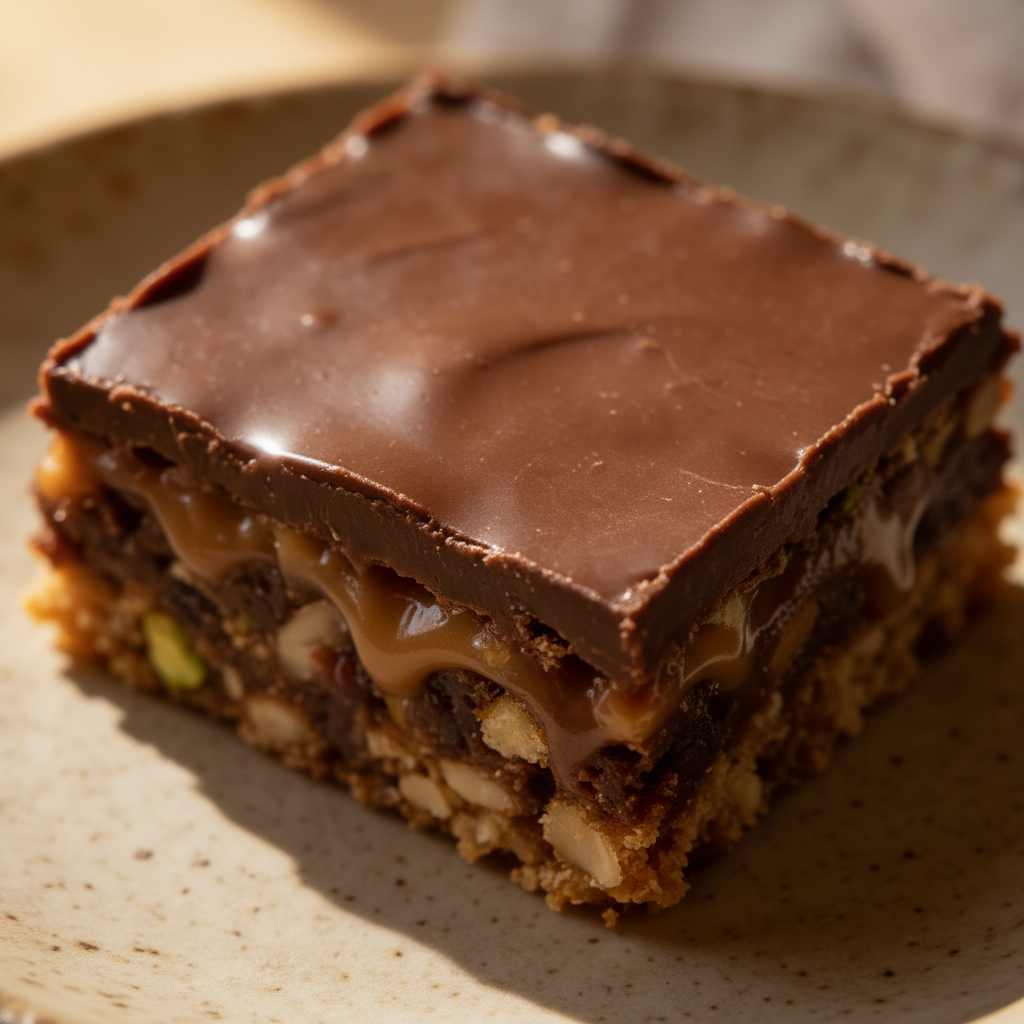
After countless attempts in my Peak District kitchen, I’ve finally perfected my chocolate tiffin recipe that even my egg-allergic daughter Molly adores. This no-bake treat combines rich chocolate with crunchy biscuits and sweet additions for a dessert that’s both simple and impressive. What I love most about this chocolate tiffin is how forgiving it is – even my early kitchen disasters eventually led to this foolproof version that never fails to disappear quickly when friends visit.
- Texture target: Perfect balance of satisfying crunch and silky chocolate coating
- Reliable tool: A good quality baking paper for easy removal and clean edges
- Make-ahead: Keeps beautifully for up to 10 days in the fridge for last-minute entertaining
Table of Contents
Easy Chocolate Tiffin
A classic no-bake rich chocolate biscuit cake, perfect for sharing. Made with crushed digestive biscuits, butter, golden syrup, cocoa powder, raisins, and topped with a smooth layer of milk chocolate.
PREP TIME
15 mins
15 mins
COOK TIME
5 mins
5 mins
TOTAL TIME
N/A
N/A
Servings: 16 squares
Course: Snack
Cuisine: Scottish, British
Calories: 377
🥄 Ingredients
- 375 grams (3.75 cups) digestive biscuits, crushed
- 200 grams (0.85 cup) plant-based butter (unsalted), cubed
- 110 grams (0.39 cup) golden syrup
- 40 grams (0.33 cup + 1 tablespoon) cocoa powder
- 40 grams (3 tablespoons) granulated sugar
- 180 grams (1 cup + 2 tablespoons) raisins
- 300 grams (1.75 cups) milk chocolate chips
👩🍳 Method
- Grease and line an 8-inch (20 cm) square tin with parchment paper, leaving an overhang on two sides to easily lift out the tiffin.
- Place the digestive biscuits into a large zip-top bag and crush them using a rolling pin until mostly fine crumbs with a few larger chunks remain. Set aside.
- In a large saucepan, combine the plant-based butter, golden syrup, granulated sugar, and cocoa powder. Melt everything together over low heat, stirring frequently until smooth and fully combined.
- Remove the saucepan from the heat and add the crushed digestive biscuits and raisins. Stir everything together well with a sturdy spoon or spatula until the biscuits and raisins are completely coated in the butter mixture.
- Transfer the mixture to the prepared tin and press it down firmly and evenly using the back of a spoon or a spatula to create a compact base.
- Melt the milk chocolate chips in a microwave-safe bowl in 30-second bursts, stirring well after each interval, until completely smooth. Alternatively, melt over a double boiler.
- Pour the melted chocolate over the tiffin base in the tin, spreading it out evenly with a palette knife or the back of a spoon to create a smooth top layer.
- Place the tin in the refrigerator for at least 2 hours, or until the tiffin is completely set and firm to the touch.
- Once set, remove the tiffin from the refrigerator. To prevent the chocolate layer from cracking, allow it to sit at room temperature for about 10-15 minutes before slicing. Carefully lift the tiffin out of the tin using the parchment paper overhang and cut it into 16 squares.
- Serve and enjoy immediately, or store in an airtight container in the refrigerator.
Notes: For best results, allow the tiffin to come to room temperature for 10-15 minutes before slicing to prevent the chocolate topping from cracking. Store chocolate tiffin in an airtight container in the refrigerator for up to 5-7 days or freeze for up to 1 month.
Why This No-Bake Delight Works
The beauty of this tiffin creation lies in its simplicity and reliability. As someone who’s experienced plenty of baking mishaps, I appreciate recipes that deliver consistent results without the need for precise temperatures or timing. The combination of melted chocolate with butter creates a glossy binding mixture that sets to perfection in the refrigerator, while the crushed biscuits provide that signature crumbly yet firm texture.
What truly makes this no-bake treat special is its adaptability. When Molly was first diagnosed with her egg allergy, I worried about limiting her dessert options. This chocolate biscuit cake became our go-to solution since it naturally contains no eggs. Even better, it requires minimal equipment and cleanup – perfect for those evenings when you want something sweet without turning the kitchen upside down.
I’ve found that the key to exceptional tiffin lies in the quality of chocolate you use. After experimenting with various brands, I’ve discovered that using a chocolate with at least 50% cocoa solids results in a richer, more satisfying flavor that balances the sweetness of the other ingredients beautifully.
Ingredient Notes & Smart Substitutions
Over years of making this treat in my Castleton kitchen, I’ve learned which ingredients truly matter and where you can take liberties. The chocolate is non-negotiable for quality – I prefer using a mix of dark and milk for depth of flavor, but you can adjust the ratio to suit your preference. When Molly’s friend with dairy sensitivities visits, I swap in dairy-free chocolate and margarine with excellent results.
For the biscuit base, traditional digestives work wonderfully, but I’ve had great success with gluten-free varieties too. The slightly sweet, wheaty flavor of digestives complements the chocolate perfectly, but graham crackers make an excellent alternative if you’re in the US. If you’re looking for a richer flavor profile, try mixing in some ginger biscuits – they add a warming spice that’s particularly welcome during colder months.
Dried fruit adds both texture and natural sweetness. While raisins and sultanas are traditional, I often use dried cranberries for their tartness or chopped dried apricots for their chewy texture. For nut additions, toasted hazelnuts complement chocolate beautifully, but almonds or walnuts work well too. And for those with nut allergies (we know all about allergies in our household!), simply increase the fruit content or add in some seeds instead.
The sweetness in this recipe traditionally comes from golden syrup, which gives a distinctive caramel note. In its absence, honey makes a lovely substitute, though it does impart its own flavor. For a vegan version, agave nectar or maple syrup works beautifully, though you might need slightly less as they’re sweeter than golden syrup.
Essential Equipment for Tiffin Success
My journey to tiffin perfection taught me that while this is a simple recipe, having the right tools makes all the difference. First and foremost, you’ll need a good quality 8-inch square baking pan – I prefer one with a removable bottom for easy tiffin extraction, but any pan will work if lined properly.
Speaking of lining, high-quality baking parchment is absolutely essential. I learned this lesson the hard way after a frustrating episode where my beautiful tiffin refused to release from the pan! Make sure the parchment extends up the sides to create handles for lifting out your finished creation.
A heavy-based saucepan is important for melting chocolate and butter together without scorching. If you’re prone to impatience like I sometimes am, a heatproof bowl for melting ingredients over simmering water (double-boiler method) gives more control and prevents burning.
For crushing biscuits, while a food processor makes quick work of it, I often prefer using a rolling pin and a sturdy zip-top bag. This method gives you more control over the texture – you want a mix of fine crumbs and larger pieces for that perfect tiffin bite. Plus, it’s surprisingly therapeutic after a long day!
Finally, don’t underestimate the importance of a good, sharp knife for cutting your tiffin. I keep a dedicated knife just for slicing my chocolate creations, wiping it clean between cuts for those picture-perfect edges that always impress visitors to our Peak District home.
Pro Tips for Perfecting Your Chocolate Tiffin
After countless batches in my kitchen (and some memorable failures), I’ve gathered some wisdom that ensures tiffin success every time. First, when melting chocolate, patience is truly a virtue. Keep the heat low and stir constantly – chocolate can go from perfectly smooth to seized and grainy in seconds if it gets too hot. If you’re nervous about this step, use the double-boiler method I mentioned earlier.
For the ideal texture contrast, aim for varying sizes when crushing your biscuits. I like to have mostly medium-sized pieces with some fine crumbs and a few larger chunks. This creates that delightful textural experience when you bite into the tiffin – neither too uniform nor too chunky.
When mixing your melted ingredients with the dry components, work quickly but thoroughly. The chocolate mixture starts to set as it cools, making it harder to evenly coat everything. I use a folding motion with a rubber spatula to ensure all the dry ingredients are well coated without crushing the biscuit pieces further.
One trick I’ve discovered is to reserve about a quarter of your melted chocolate mixture. Pour most into your biscuit mixture, then spread the remaining melted chocolate on top of your pressed tiffin for an extra-smooth, glossy finish. This creates a beautiful top layer that snaps perfectly when you bite into it.
For clean cuts, chill your tiffin thoroughly (at least 2 hours), then let it stand at room temperature for about 10 minutes before slicing. This prevents the chocolate from cracking while still being firm enough to cut neatly. Dipping your knife in hot water and wiping it dry between cuts also helps create those bakery-worthy slices that make Molly and her friends think I’m a professional!
Delicious Variations & Flavor Customizations
The basic chocolate tiffin recipe is like a blank canvas waiting for your creative touch. In our home, we’ve developed several variations that have become family favorites. Our festive Christmas tiffin includes dried cranberries, chopped pistachios, and a hint of orange zest – the colors look beautiful when sliced, and the flavors are wonderfully seasonal.
For chocolate lovers like myself, try a triple chocolate version by using chocolate biscuits as your base, adding white chocolate chips to the mixture, and finishing with a dark chocolate topping drizzled with melted white chocolate. The visual contrast is stunning, and the flavor complexity keeps everyone coming back for more.
When Molly’s friends with different dietary needs visit, I make a ‘free-from’ version that’s become surprisingly popular with everyone. Using gluten-free digestives, dairy-free chocolate, and coconut oil instead of butter creates a treat that’s inclusive yet still decadent. Adding toasted coconut flakes enhances the coconut flavor and adds wonderful texture.
For a more grown-up twist, try soaking your dried fruit in a tablespoon of rum or brandy before adding it to the mixture. The alcohol cooks off, leaving just a sophisticated flavor that pairs beautifully with after-dinner coffee. My neighbor Jane requests this version specifically whenever she comes for our weekly catch-ups!
Don’t be afraid to experiment with different spices too. A pinch of cinnamon, cardamom, or even chili powder can transform the flavor profile completely. My latest experiment involves adding a teaspoon of espresso powder to the chocolate mixture, which deepens the chocolate flavor without making it taste obviously like coffee – it’s been a huge hit at our village bake sales.
Serving & Storing Your Tiffin Creations
Tiffin is wonderfully versatile when it comes to serving. For casual family treats, I simply cut it into generous squares and place them on a plate – they disappear quickly! For more formal occasions or when I’m hosting our village book club, I cut smaller pieces and arrange them on a tiered cake stand alongside other treats for an impressive afternoon tea spread.
While tiffin is delicious on its own, it pairs beautifully with various accompaniments. A scoop of vanilla ice cream alongside a warm tiffin square (just 10 seconds in the microwave) creates a delightful contrast of temperatures and textures. For coffee enthusiasts, a small square of tiffin with a strong espresso makes for a perfect afternoon pick-me-up.
As for storage, tiffin is a make-ahead marvel that actually improves with a day or two of resting time as the flavors meld together. Store it in an airtight container in the refrigerator, where it will keep beautifully for up to 10 days – though I’ve rarely seen it last beyond three days in our house! Place parchment paper between layers if you need to stack the pieces to prevent them from sticking together.
If you’re planning further ahead, tiffin freezes exceptionally well. I often make a double batch and freeze half for emergency dessert situations or unexpected visitors. Simply wrap it well in parchment paper, then aluminum foil, and freeze for up to 3 months. Thaw overnight in the refrigerator before serving.
One lovely tradition we’ve started is gifting tiffin to neighbors and friends. Cut into neat squares and packaged in a pretty box lined with parchment paper, homemade tiffin makes a thoughtful and delicious gift that’s always enthusiastically received. During the holiday season, I make several batches of our Christmas variation to distribute throughout the village – it’s become something of an expected tradition now!
Understanding What Makes a Chocolate Tiffin
When I first stumbled across tiffin recipes years ago, I was confused about what exactly defines this treat. After much research and experimentation in my kitchen, I’ve come to understand that a true chocolate tiffin has several defining characteristics that set it apart from other no-bake treats.
At its core, a chocolate tiffin is a refrigerator cake consisting of crushed biscuits (cookies) bound together with melted chocolate and butter or margarine. Unlike many desserts, it requires no baking whatsoever – just mixing and chilling. The texture is what makes it special: that perfect contrast between the crunch of biscuit pieces and the smooth, firm chocolate that holds everything together.
Traditional British tiffin typically includes dried fruits, most commonly raisins or sultanas, though modern variations embrace all sorts of additions. The sweet element comes from golden syrup in classic recipes, which contributes to both flavor and binding properties. The finished tiffin should be firm enough to cut cleanly but not so hard that it’s difficult to bite through.
What I find fascinating is how tiffin reflects the British tradition of transforming humble ingredients into something special. It was originally created as a way to use up broken biscuits – essentially a resourceful treat born from avoiding waste. This practical origin story resonates with my own kitchen philosophy of making the most of what we have.
I’ve noticed regional variations across the UK too – in Scotland, you might find a version called ‘refrigerator cake’ with slightly different proportions, while in some parts of England, additions like honeycomb or marshmallow are common. What remains consistent is the no-bake nature and the chocolate-biscuit foundation that makes this treat so beloved.
Chocolate Tiffin vs. Rocky Road: What’s the Difference?
People often confuse chocolate tiffin with rocky road, and I certainly did before becoming somewhat of a tiffin enthusiast! While both are delicious no-bake chocolate treats, there are distinct differences that set them apart.
The most notable difference lies in the ingredients. Traditional chocolate tiffin contains crushed biscuits, dried fruit, butter, and chocolate, with golden syrup or honey as a binding sweetener. Rocky road, on the other hand, always includes marshmallows as a signature ingredient, often contains nuts (typically walnuts or almonds), and may or may not include biscuit pieces.
Texture is another key differentiator. Tiffin has a firmer, more compact structure with a smooth chocolate top, while rocky road tends to have a more varied texture with gooey marshmallow pockets and a rougher, bumpier appearance (hence the name ‘rocky road’). When I make both for village gatherings, the tiffin slices have clean, precise edges, while rocky road pieces have that characteristic irregular surface.
Their origins differ as well. Tiffin has British roots and was traditionally made with leftover biscuits as a thrifty treat. Rocky road, meanwhile, has American origins dating back to the 1920s, though Australian rocky road (which includes Turkish delight and coconut) has its own distinct tradition. When Molly did a school project on international desserts, these historical differences fascinated her classmates.
In my kitchen experiments, I’ve found that tiffin tends to hold together better at room temperature, making it more portable for picnics and lunchboxes. Rocky road, with its marshmallow content, can become stickier as it warms up. Both, however, are wonderfully adaptable treats that welcome creative variations and personal touches – which is exactly why they’ve earned permanent places in my recipe collection!
The Historical Journey of the Tiffin
The story of tiffin fascinates me almost as much as making it! The term ‘tiffin’ itself has colonial roots in British India, where it referred to a light midday meal or snack. British expatriates in India during the colonial period used the word to describe their lunch or afternoon tea – quite different from how we understand tiffin desserts today.
The chocolate refrigerator cake we now call tiffin likely evolved in Scotland in the early 20th century. Like many great recipes, it was born from practicality – a clever way to use broken biscuits that couldn’t be sold. Confectioners would mix these biscuit pieces with chocolate and other ingredients to create a new saleable product. This resourcefulness resonates with me as someone who hates food waste and often creates new dishes from leftovers.
The earliest printed recipes for what we would recognize as chocolate tiffin appeared in Scottish cookbooks in the 1930s, though they were sometimes called ‘refrigerator cake’ or ‘chocolate biscuit cake.’ The name ‘tiffin’ gradually became more widely used throughout the UK in the mid-20th century, perhaps because it sounded more exotic and appealing than the purely descriptive alternatives.
Interestingly, tiffin gained royal connections in 2011 when it was revealed that a chocolate biscuit cake – essentially a tiffin – was Prince William’s groom’s cake at his wedding to Kate Middleton. Apparently, this was a childhood favorite of Prince William’s, and even Queen Elizabeth II was known to enjoy this humble treat. I shared this fact with Molly’s friends during a tiffin-making playdate, and they were delighted by the idea of eating ‘royal’ dessert!
Today, tiffin has evolved far beyond its frugal origins. Artisanal versions appear in upscale bakeries, and countless variations exist to suit different dietary needs and flavor preferences. Yet despite this evolution, the essential character remains unchanged: a simple, no-bake chocolate treat that brings joy without complexity – a philosophy I try to apply to all my cooking adventures in our Peak District kitchen.
Conclusion
My journey with chocolate tiffin began as a practical solution to create egg-free treats for Molly, but it’s become so much more than that. This humble refrigerator cake has become our family’s go-to dessert for everything from quiet Sunday afternoons to festive celebrations, proving that sometimes the simplest recipes bring the most joy.
What I love most about tiffin is its forgiving nature. Even my early attempts, with imperfect proportions and hasty mixing, were eagerly devoured. Each batch taught me something new about texture, flavor balance, and presentation. Now, years later, I can confidently say that this recipe represents the culmination of all those kitchen experiments – a reliable treat that never disappoints.
The versatility of tiffin makes it perfect for our diverse community of friends with various dietary needs. Whether adapting it for vegan guests, creating gluten-free versions, or simply playing with new flavor combinations, tiffin adapts beautifully to whatever constraints or creative impulses guide your hand. I hope this encourages you to view my recipe as a starting point rather than a strict set of rules.
As you embark on your own tiffin-making adventure, remember that perfection isn’t in flawless execution but in the pleasure it brings. Some of our most memorable batches have been the ‘experimental’ ones where Molly and I threw caution to the wind and tried unexpected combinations. The kitchen is a place for joy and discovery – something this simple chocolate treat exemplifies perfectly.
I’d love to hear about your tiffin creations and the traditions they might inspire in your home. From our cozy kitchen in the Peak District to yours, happy tiffin-making!
Love this recipe? Follow us on Facebook and Pinterest and explore more creative ideas on our food blog!
Frequently Asked Questions
What is a chocolate tiffin?
Chocolate tiffin is a no-bake refrigerator cake made primarily with crushed biscuits, chocolate, butter, and often dried fruits and golden syrup. It originated in Britain as a way to use broken biscuits and has become a beloved treat known for its perfect balance of crunchy texture and smooth chocolate. Unlike many desserts, it requires no baking, just mixing ingredients together and chilling until firm.
What is the difference between chocolate Tiffin and Rocky Road?
While both are no-bake chocolate treats, they have distinct differences. Chocolate tiffin traditionally contains crushed biscuits, dried fruit, butter, chocolate, and golden syrup, with a smooth, firm texture. Rocky road always includes marshmallows as its signature ingredient, often contains nuts, and has a more varied, bumpy texture with gooey pockets. Tiffin has British origins as a thrifty way to use leftover biscuits, while Rocky Road originated in America in the 1920s.
What exactly is a tiffin?
The word ‘tiffin’ originally referred to a light midday meal or snack in British colonial India. In dessert terms, a tiffin is a no-bake refrigerator cake consisting of crushed biscuits bound together with melted chocolate and butter, typically including dried fruits and sweetened with golden syrup or honey. It’s characterized by its firm texture that can be cut into neat squares or bars, with a smooth chocolate top layer.
Was there a chocolate bar called Tiffin?
Yes, there was a commercial chocolate bar called Tiffin. Cadbury produced a Tiffin bar that contained biscuit pieces and raisins in milk chocolate. It was discontinued in the UK in 2003 but has been reintroduced periodically as a limited edition. Several other confectionery companies have also produced their own versions of Tiffin bars over the years, inspired by the traditional refrigerator cake recipe.
How long does chocolate tiffin last in the fridge?
Properly stored in an airtight container, chocolate tiffin will last up to 10 days in the refrigerator. In fact, many people find that tiffin actually improves after a day or two as the flavors meld together. For longer storage, you can freeze tiffin for up to 3 months – simply wrap it well in parchment paper followed by aluminum foil or place in a freezer-safe container, then thaw overnight in the refrigerator before serving.
Can I make chocolate tiffin with different types of biscuits?
Absolutely! While digestive biscuits are traditional in the UK (or graham crackers in the US), you can experiment with almost any plain, crunchy biscuit. Rich tea biscuits create a lighter texture, chocolate biscuits make for an extra chocolatey result, and ginger biscuits add a warming spice note. Gluten-free varieties work well too, making tiffin adaptable for those with dietary restrictions. The key is using biscuits that have a good crunch but will soften slightly when mixed with the chocolate.
What are some popular variations of chocolate tiffin?
Popular variations include adding cherries and coconut for a Black Forest-inspired tiffin; using mint chocolate for the topping; incorporating orange zest and cranberries for a festive version; adding chopped nuts like hazelnuts or pistachios; creating a ‘triple chocolate’ version with white, milk and dark chocolate; and making ‘adult’ versions with a splash of rum or whisky. Vegan tiffin replaces butter with coconut oil and uses dairy-free chocolate, while gluten-free versions simply swap in gluten-free biscuits.