No Egg Recipes – Delicious Cooking Without Eggs

Elsie’s Italian Pasta Dough Recipe No Egg: Traditional Southern Ferretti Made at Home
Italian pasta dough recipe no egg, home-tested by Elsie Marlow. Allergies and plant-based diets. A trusted egg-free method families love. Discover the recipe.

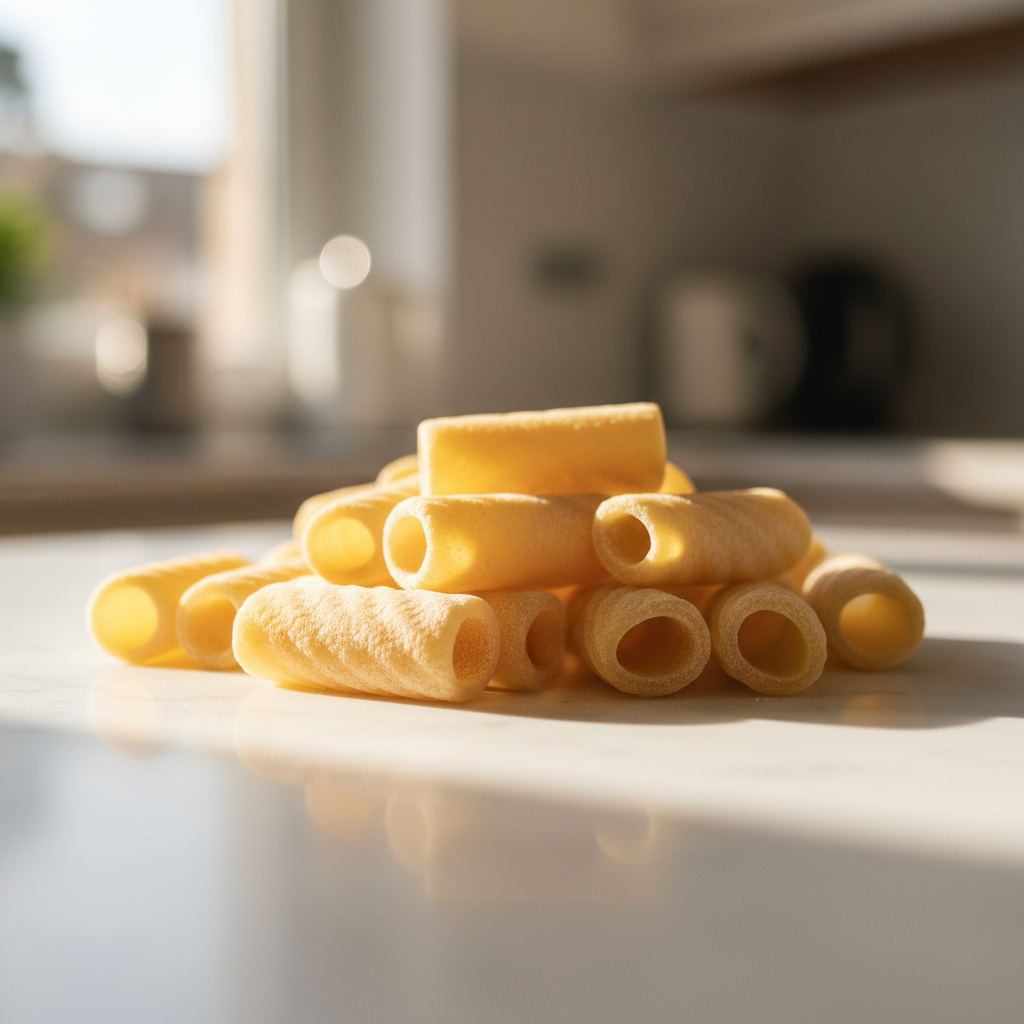
Have you ever wanted to make pasta that everyone at the table can eat, no matter their allergies or preferences? I started asking myself that very question the day my daughter Molly reacted to a single bite of an ordinary tagliatelle, and from that worry grew a passion. I want to share a reliable, heartfelt italian pasta dough recipe, no egg, that grew from our kitchen experiments into a family favorite.
Elsie Marlow’s story is a home cook from Castleton in the Peak District, where quiet village life is the backdrop for my busy kitchen. My daughter Molly’s egg allergy sparked our journey into egg-free cooking. What started as a challenge turned into a joyful adventure; we experimented with aquafaba cupcakes, flaxseed ‘eggs,’ and tofu scrambles, and laughed through every kitchen mishap. Now, I cook egg-free for anyone, vegans, those with allergies, or the simply curious. I believe food should bring people together, never leave anyone out. NoEggRecipes.com is for all who want tasty, inclusive meals.
I have refined this classic Southern Italian eggless Ferretti over the years of practice, learning to read the dough by touch and timing, and learning which flours and little gestures make it sing. In this guide, I will walk you through the exact ingredients, the timing, and the shaping technique that creates those beautiful hollow tubes called Ferretti. Expect tips from my own failures and small wins, sensory cues for texture, and plant-based serving ideas that honor the simple, rustic spirit of the dish.
Table of Contents
Table of Contents
Ingredients
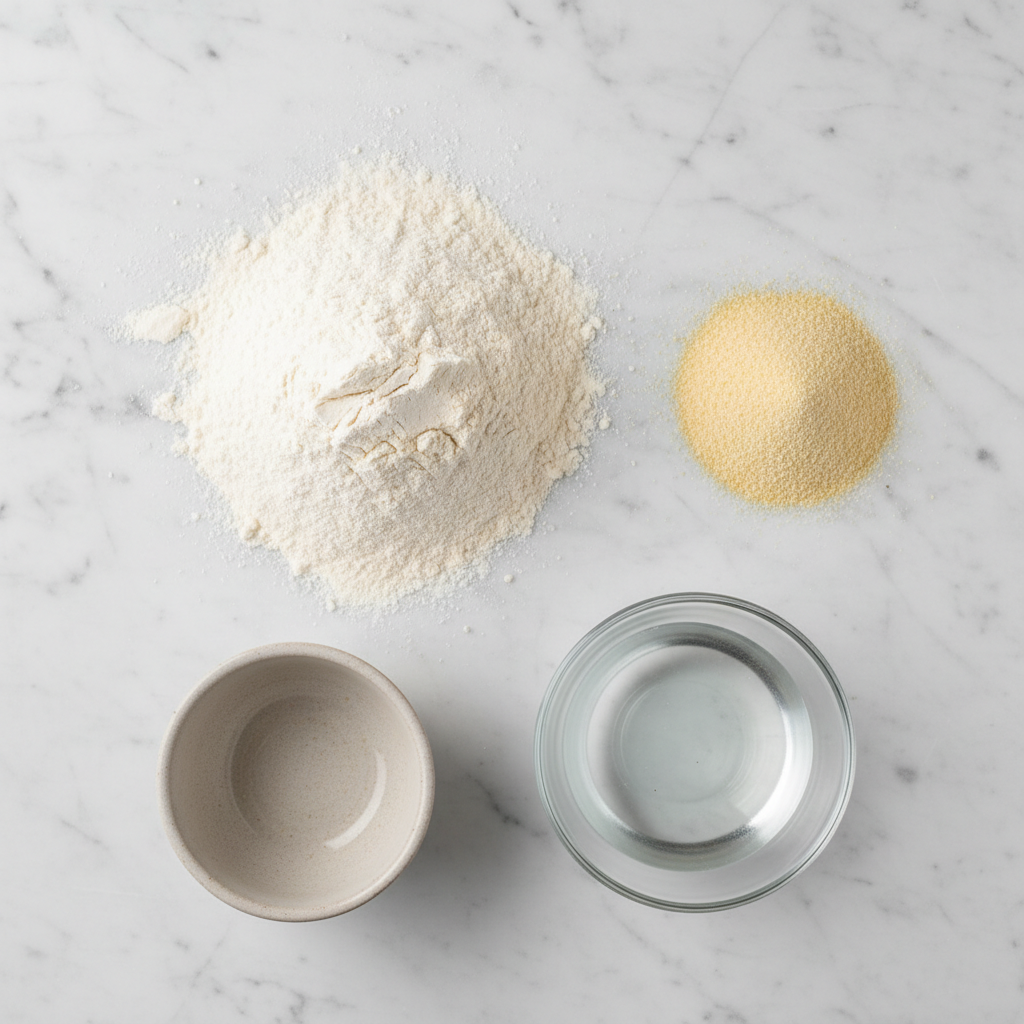
- 200 grams (approximately 0.85 cups) of water
- 250 grams (approximately 2 cups) all-purpose flour or ’00’ flour
- 250 grams (approximately 1.75 cups) semolina flour (if not available, use all-purpose or ’00’ flour)
Timing
Prep time: 30 minutes.
Cook time: 8 minutes.
Total time: 38 minutes.
Oven temperature: null °F / null °C (no oven required).
Pan: a large pot for boiling pasta.
Yield: 3 servings.
Step-by-Step Instructions
- Combine the flours: On a clean work surface, preferably a large wooden pasta board, combine the 250 grams (2 cups) of all-purpose or ’00’ flour and 250 grams (1.75 cups) of semolina flour. Make a well in the center of the flour mound.
- Pour the water: Slowly add the 200 grams (0.85 cups) of water into the well. Using your fingers, gradually incorporate the flour from the sides into the water, mixing until a shaggy dough forms.
- Bring and knead: Once the ingredients are blended, bring the dough together to form a ball. Knead the dough vigorously for about 10-15 minutes until it is smooth, elastic, and no longer sticky. If the dough is too dry, add water a teaspoon at a time; if too sticky, add a sprinkle of flour.
- Rest the dough: Cover the dough ball with a damp kitchen towel or plastic wrap and let it rest at room temperature for at least 30 minutes. This allows the gluten to relax, making the dough easier to shape.
- Roll into logs: To shape the Ferretti: Take a small piece of dough and roll it into a long, thin log, about 0.5 inches in diameter. Cut the log into 2-inch pieces. Alternatively, take a piece of dough in your hands and rub it together until it is long and thin.
- Shape on a ferretto: Using a ferretto (a thin knitting needle, skewer, or even a chopstick), place it on one end of a 2-inch piece of dough. Gently roll the dough piece across the ferretto while applying light pressure. The dough will flatten out and wrap itself around the ferretto, forming a hollow tube.
- Release the Ferretti: Carefully slip the shaped Ferretti off the ferretto. Repeat with the remaining dough, keeping the unshaped dough covered to prevent it from drying out.
- Dry lightly: Place the shaped Ferretti on a lightly floured baking sheet or clean kitchen towel and let them air dry for at least 30 minutes while you prepare your sauce. This helps them hold their shape when cooked.
- Boil: Bring a large pot of lightly salted water to a rolling boil. Add the Ferretti and cook for 5-8 minutes, or until al dente, tender but still firm to the bite. Cooking time will vary depending on the thickness of your pasta.
- Dress and serve: Drain the cooked pasta and toss immediately with your favorite sauce. For an authentic Southern Italian experience, serve with a simple ‘Ndruppeche sauce or a rich tomato-based sauce adapted for plant-based ingredients.
Nutritional Information
Serving size: 1 of 3 servings.
- Calories: 425 kcal
- Fat: 2g
- Saturated fat: 0.5g
- Carbohydrates: 88g
- Fiber: 3g
- Sugar: 0.5g
- Protein: 14g
- Sodium: 4mg
These values are estimates based on the StructuredRecipe nutrition block. If you change flours or portion sizes, expect the numbers to shift. Using whole grain flours will increase fiber and micronutrient content.
Healthier Alternatives for the Recipe
I try to balance authenticity with health when I can, especially for weeknight meals. Here are sensible swaps and ideas I use without losing Ferretti’s character.
- Whole grain option: Replace up to half of the all-purpose flour with whole wheat flour for more fiber, though you may need a touch more water and a slightly longer knead to develop the gluten.
- Reduced sodium: Keep the boiling water lightly salted, or salt only the sauce to reduce overall sodium.
- Semolina alternatives: If semolina is unavailable, use ’00’ or all-purpose flour as the recipe notes. The texture will be less assertive, but still pleasant.
- Lower calorie sauces: Choose olive oil, garlic, lemon, and fresh herbs rather than heavy cream or large amounts of oil to keep the dish lighter.
- Gluten-free approach: For those needing gluten-free pasta, use a specialist gluten-free flour blend with xanthan gum and be prepared for a different, more delicate handling and shorter knead time.
Serving Suggestions
Ferretti is perfect with simple, quality components. Southern Italian cuisine celebrates strong olive oil, ripe tomatoes, capers, anchovies, or simple herb sauces. Since this recipe focuses on eggless, plant-based cooking, here are my favorite pairings that keep the spirit of the South.
- ‘Ndruppeche style: A rustic sauce of crushed tomatoes, generous olive oil, garlic, chili flakes, and chopped black olives. Finish with fresh basil.
- Tomato and roasted pepper sauce: Slow-roasted red peppers blended with tomatoes, garlic, and a splash of red wine vinegar for brightness.
- Lemon, olive oil, and herb dressing: For a lighter plate, toss cooked Ferretti with good olive oil, lemon zest, lemon juice, chopped parsley, and toasted breadcrumbs for crunch.
- Simple ragù: A plant-based ragù made with mushrooms, lentils, and concentrated tomato paste simulates the meaty depth without animal products.
- Oil-based condiments: A finishing drizzle of high-quality extra virgin olive oil and a scattering of toasted pine nuts will make the pasta sing.
Serve with a crisp salad and a bright white wine or a citrusy sparkling water for an approachable meal that feels celebratory.
Common Mistakes to Avoid
When I first set out to master an italian pasta dough recipe no egg I made almost every mistake you can imagine, from adding too much water to overworking the dough so it became tough. Here are the pitfalls I learned to avoid, and how to fix them.
- Dough too dry: If the dough crumbles when brought together, add water a teaspoon at a time and knead until it holds. Patience matters more than adding liquid quickly.
- Dough too sticky: Instead of dumping more flour, let the dough rest for 10 minutes, then knead with lightly floured hands. If sticky persists, dust a little semolina on your board.
- Under-kneading: The gluten needs time to develop for chew and structure. Aim for 10-15 minutes of kneading, or until the dough is smooth and springs back when poked.
- Shaping mistakes: When rolling on the ferretto, avoid pressing too hard. Too much pressure makes the tube collapse, and not enough will leave an uneven shape. Practice with scraps to find the right pressure.
- Cooking errors: Overcrowding the pot lowers the temperature and makes the pasta gummy. Use a large pot for boiling and stir gently during the first minute to prevent sticking.
- Not resting shaped pasta: Shaped Ferretti will lose form if you cook them immediately. Give them a short rest to firm up the exterior.
Learning these fixes through trial is part of the joy. Keep notes on your first few batches, and you will quickly learn how your flour, humidity, and hands affect the dough.
The Cultural Tapestry of Eggless Southern Italian Pasta
Eggless pasta has deep roots in Southern Italy, where durum wheat and semolina shaped peasant cooking and preserved food traditions along the coast and inland. In regions such as Calabria, Puglia, and Basilicata, water-and-flour doughs were the daily norm because eggs were reserved for richer days or special celebrations. Ferretti and similar shapes grew from a need for durability so sauces could cling and small tubes could catch bits of ragù or olive oil.
Why is that important to me? Knowing the context helps us respect the technique and the ingredient list. This is not a modern shortcut. It is a continuation of a regional practice built for simplicity and flavor. When I shape Ferretti with my daughter Molly beside me, I feel connected to those kitchen tables where hand-formed pasta fed large families and neighbors. That history is part of the reason the recipe feels right when you keep it simple and focused on semolina and good technique.
Mastering the Dough: Tips for Texture and Consistency
Developing an intuitive feel for dough is the key skill in pasta making. Here are the rules of thumb I use every time I mix the flours and water in this recipe.
- Temperature matters: Use room temperature water unless the recipe asks otherwise. Cold water tightens gluten formation, and warm water speeds it up. I use water at about 65-70°F when I want predictable kneading.
- Touch cues: The dough should finish smooth and slightly firm, not tacky. When you poke it, it should spring back slowly. If it clings to your fingers, it needs a dusting of flour or a few more minutes of kneading.
- Kneading rhythm: Use the heel of your hand to push the dough away, fold it back, rotate, and repeat. A steady 10-15 minute rhythm will change shaggy dough into a cohesive ball.
- Resting is not optional: The 30-minute rest frees the gluten to create a workable, relaxed dough. Holding the dough longer in a cool place can improve extensibility for shaping.
- Semolina vs all-purpose: Semolina adds tooth and a slightly rough surface that helps sauces cling. If you use only all-purpose or ’00’ flour, the mouthfeel will be silkier and the Ferretti less robust.
After a few batches, you will start to anticipate when the dough has had enough knead time or when a drop of water can rescue dryness. That instinct makes the craft relaxing and reliable.
Shaping Ferretti: Traditional Techniques and Troubleshooting
Shaping Ferretti is where the recipe becomes personal. My best advice is to practice on small pieces, pay attention to pressure, and keep the rest of the dough covered. Below are stepwise shaping cues I repeat when teaching neighbors or my daughter.
- Size of the log: Aim for a 0.5-inch diameter log for the classic Ferretti size. Thinner logs cook quickly and are more delicate.
- Consistent pieces: Cut 2-inch pieces for uniform cooking. If pieces vary, set aside the smaller ones for earlier cooking.
- Use a smooth ferretto: A bamboo skewer or chopstick works. If it is rough, the dough will catch and tear.
- Rolling technique: Hold the ferretto steady and roll the dough with the pads of your fingers while applying gentle downward pressure. You want the dough to wrap and flatten evenly, not be squashed.
- Removing the ferretto: Twist slightly as you pull out the ferretto to keep the tube intact. If a piece tears, tuck it back gently and press the seam closed before drying.
- Drying cues: The Ferretti should feel slightly firm to the touch on the outside before boiling. If they feel soft and very sticky, allow more air drying time on a floured cloth.
If you run into specific issues, make a note of the humidity, flour brand, and how long you kneaded. Adjustments are usually subtle and predictable once you track them for a few batches.
Beyond Ferretti: Other Eggless Pasta Shapes to Explore
Once you are comfortable with this italian pasta dough recipe, no egg and Ferretti shaping, try other regional shapes that also use simple water-and-flour doughs. Each shape changes the eating experience and pairs differently with sauces.
- Orecchiette: Little ears that cradle chunky vegetable ragus and broccoli mixes. Formed by dragging small discs with the thumb.
- Busiate: Spiraled pasta wrapped around a twig or thin rod, lovely with pesto trapanese.
- Strascinati: Pressed and dragged pieces that hold thick sauces well, ideal with hearty vegetable stews.
- Maccheroni corti: Short tubular shapes formed by rolling on the board or using a dowel for a hollow center.
Each of these shapes honors the eggless tradition of Southern Italy and gives you more ways to use the same dough with new textures and sauces.
Conclusion
Making an italian pasta dough recipe no egg at home is an invitation to slow down, develop a feel for dough, and celebrate inclusive cooking with family and friends. I hope my process, the tips from countless small errors, and the shaping notes help you feel confident the first time you make Ferretti. When Molly and I serve this pasta, it is never about perfection, but about sharing a warm plate where everyone belongs. Try the recipe, keep a small notebook of what changed each time, and adjust to your flour and kitchen. You will be surprised how quickly the dough tells you what it wants.
Love this recipe? Follow us on Facebook and Pinterest and explore more creative ideas on our food blog!
Frequently Asked Questions
Can you make pasta dough without eggs?
u003cpu003eYes. Many traditional Southern Italian shapes, such as Ferretti, use only flour and water. With the right flour ratios and sufficient kneading, you can develop the gluten structure needed for chew and shape without eggs.u003c/pu003e
What are the three ingredients in pasta dough?
u003cpu003eThe classic simple pasta dough consists of flour, water, and sometimes salt. In eggless Southern recipes like this Ferretti, the primary ingredients are all-purpose or ’00’ flour, semolina flour, and water.u003c/pu003e
What is Southern Italian pasta without eggs?
u003cpu003eSouthern Italian eggless pasta refers to shapes and traditions from regions such as Calabria, Puglia, and Basilicata, where durum wheat and semolina were commonly used with water, creating sturdy, sauce-friendly pastas.u003c/pu003e
Do Italians use egg pasta or no egg?
u003cpu003eBoth traditions exist. Northern and central Italian cuisine often uses egg pasta, while many southern regional pastas are traditionally made without eggs, relying on semolina and water.u003c/pu003e
How do I store fresh and dried Ferretti?
u003cpu003eStore fresh Ferretti in the refrigerator for up to 24 hours in an airtight container dusted lightly with semolina. For longer storage, dry them thoroughly on a rack for 24-48 hours until brittle, then keep in an airtight jar in a cool, dry place for several weeks.u003c/pu003e