No Egg Recipes – Delicious Cooking Without Eggs

No egg chocolate chip cookie recipes: Elsie’s Soft and Chewy Cookies

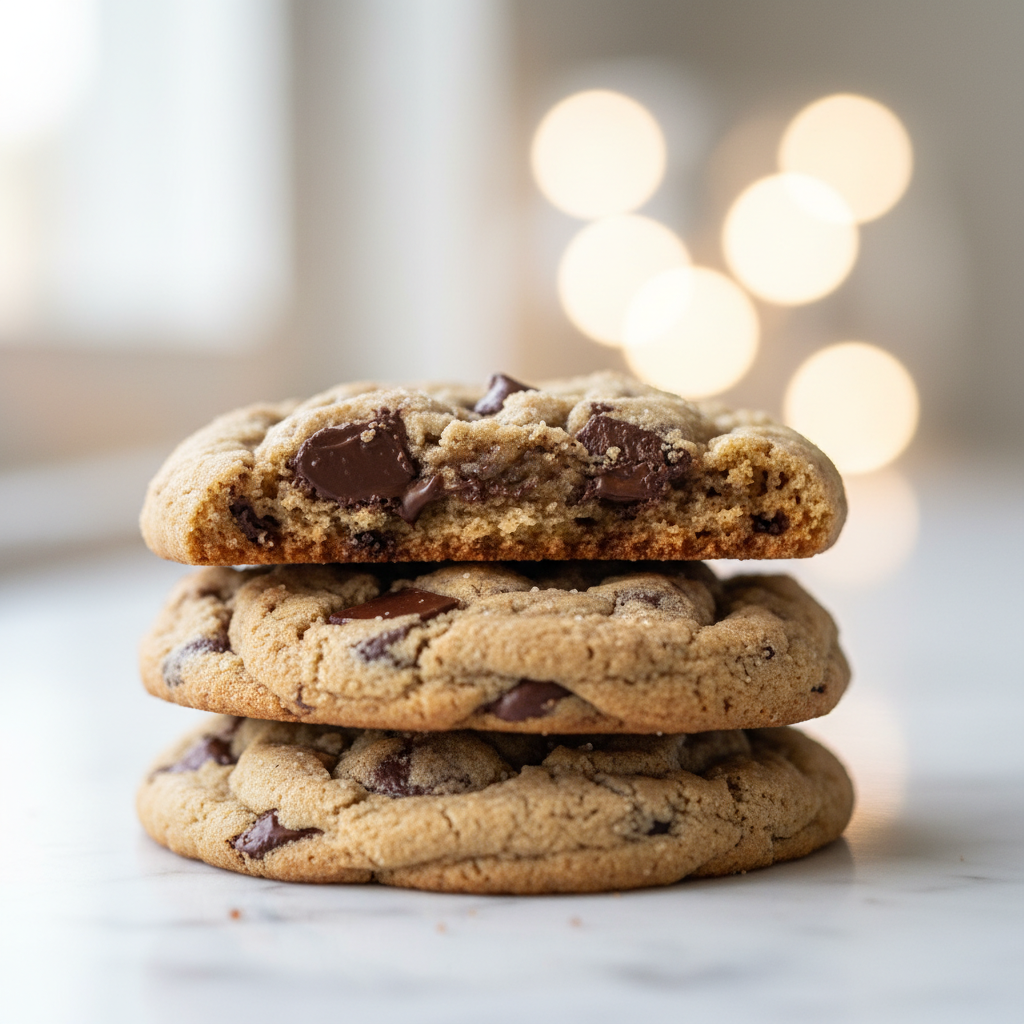
Have you ever stared at a bowl of cookie dough and wondered if beautiful, tender cookies were possible without eggs? I know that feeling well, and it is exactly why I developed these no egg chocolate chip cookie recipes.
My name is Elsie Marlow, a home cook from Castleton in the Peak District, where quiet village life is the backdrop for my busy kitchen. My daughter Molly’s egg allergy sparked our journey into egg-free cooking. What started as a challenge turned into a joyful adventure; we experimented with aquafaba cupcakes, flaxseed ‘eggs,’ and tofu scrambles, and laughed through every kitchen mishap. Now, I cook egg-free for anyone, vegans, those with allergies, or the simply curious. I believe food should bring people together, never leave anyone out. NoEggRecipes.com is for all who want tasty, inclusive meals.
In this post, I will walk you through a reliable, soft, and chewy cookie recipe, explain why each ingredient matters in an eggless context, and share my practical, sensory cues and Elsie’s Aha! Moments so you can bake with confidence.
Table of Contents
Table of Contents
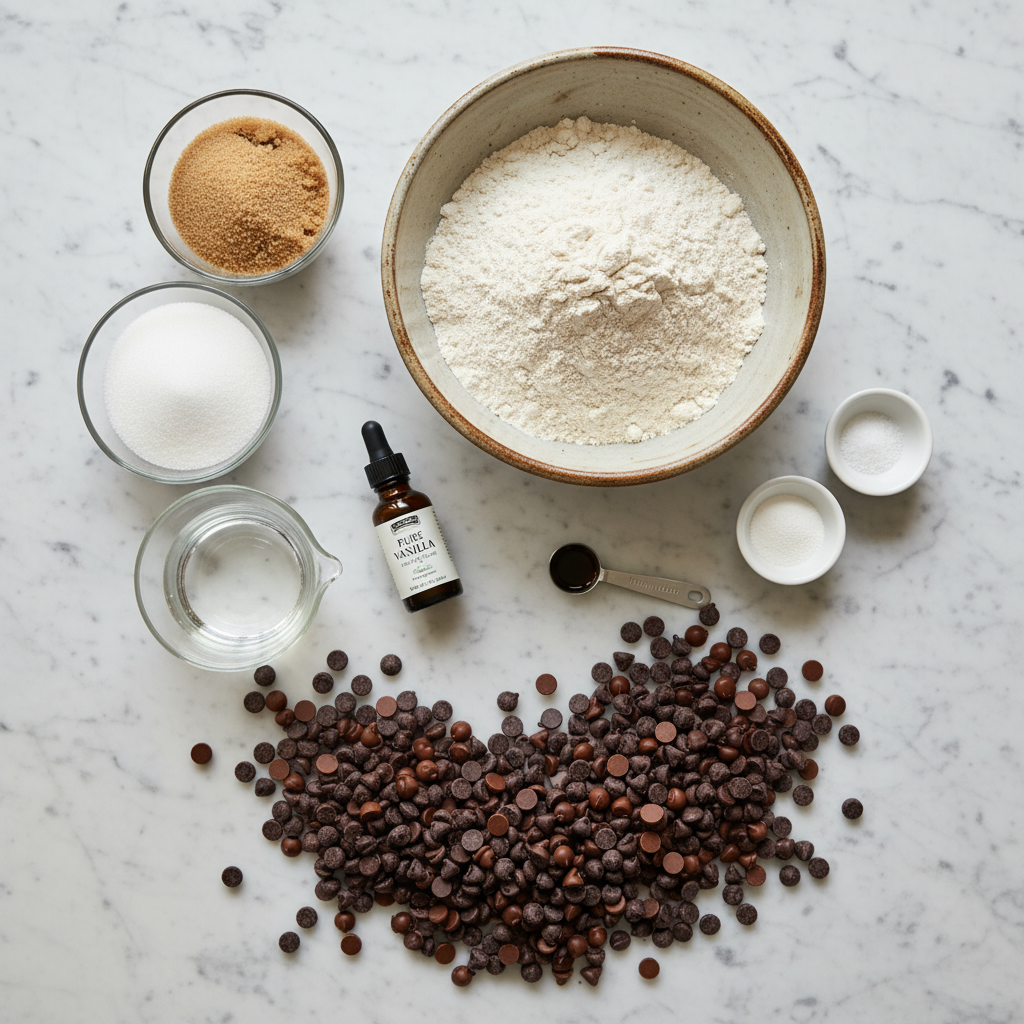
Ingredients List
- ½ cup (113g) salted butter, softened
- ¼ cup (50g) white sugar
- ¾ cup (150g) brown sugar, lightly packed
- ¼ cup (60ml) water, room temperature
- 2 teaspoons (10ml) vanilla extract
- 1 ¾ cup (210g) all-purpose flour, spooned and leveled
- ¾ teaspoon (3.75g) baking soda
- ¼ teaspoon (1.25g) baking powder
- ½ teaspoon (2.5g) salt
- 1 cup (170g) chocolate chips (½ cup dark and ½ cup semi-sweet recommended)
Timing
Prep time: 10 minutes, Cook time: 12 minutes, Total time: 25 minutes.
Oven temperature: 350°F / 175°C. Pan: Baking sheet lined with parchment paper. Yield: 12 cookies.
Step-by-Step Instructions
- Cream the butter and sugar. Cream together ½ cup (113g) salted butter, softened, and ¼ cup (50g) white sugar and ¾ cup (150g) brown sugar, lightly packed, for several minutes until light and fluffy, scraping down the sides of the bowl. This is a crucial step for incorporating air.
- Add water and vanilla. Gradually add in ¼ cup (60ml) water, room temperature, and 2 teaspoons (10ml) vanilla extract, then beat to combine. The mixture may appear curdled initially, so beat on medium-high for a few more minutes until it comes together smoothly.
- Mix dry ingredients. In a separate mixing bowl, whisk together 1 ¾ cups (210g) all-purpose flour, spooned and leveled, ¾ teaspoon (3.75g) baking soda, ¼ teaspoon (1.25g) baking powder, and ½ teaspoon (2.5g) salt. Ensure they are well combined.
- Combine wet and dry. Gradually add the dry ingredients to the wet ingredients, mixing until just combined. Be careful not to overmix the dough.
- Fold in chocolate chips. Stir in 1 cup (170g) of chocolate chips until evenly distributed.
- Chill the dough. Chill the cookie dough in the fridge for at least 30 minutes. This helps prevent spreading and enhances chewiness.
- Preheat and prepare the pan. Preheat your oven to 350°F / 175°C. Line a baking sheet with parchment paper.
- Portion the dough. Use a cookie scoop or spoon to portion out the dough into 2-inch balls. Place them on the prepared baking sheet, leaving enough space for them to spread (4-6 cookies per sheet is ideal).
- Bake. Bake on the center rack for about 12 minutes, or until the edges are golden brown. The centers will still look puffy and slightly under-baked; this is normal and desired for a soft cookie.
- Cool and set. Remove the cookies from the oven and let them cool on the baking sheet for at least 5 minutes before transferring them to a wire rack. They will continue to set and flatten as they cool.
Nutritional Information
Nutrition per cookie, based on 12 cookies total.
| Serving Size | 1 cookie (1 of 12) |
| Calories | 200 |
| Fat | 10g |
| Saturated Fat | 6g |
| Carbohydrates | 28g |
| Fiber | 1g |
| Sugar | 18g |
| Protein | 2g |
| Sodium | 150mg |
Healthier Alternatives for the Recipe
I often get asked for lighter or healthier swaps. Here are options that keep texture and flavor in mind.
- Reduce sugar: Swap half of the white sugar for coconut sugar, keeping total volume the same, to lower the glycemic impact while adding a subtle caramel note.
- Lower fat: Replace half of the ½ cup (113g) salted butter, softened, with unsweetened applesauce to reduce fat. Expect a slightly cakier crumb.
- Whole grain: Replace up to 25% of the 1 ¾ cup (210g) all-purpose flour, spooned and leveled with whole wheat pastry flour for added fiber without a heavy texture.
- Dairy-free: Use a high-quality vegan stick butter in place of ½ cup (113g) salted butter, softened, and choose dairy-free chocolate chips to make this vegan-friendly.
Serving Suggestions
These cookies are versatile and pair well with many beverages and desserts.
- Classic: Serve warm with a glass of cold milk or a cup of tea.
- For a crowd: Stack on a platter with labels for dietary needs so guests know these are egg-free.
- Party idea: Offer warm cookies on an ice cream bar for a make-your-own sandwich station.
- Gift: Package cooled cookies in an airtight tin with a parchment layer, perfect for neighbors and school snack exchanges.
Common Mistakes to Avoid
Eggless baking has its own traps. From my kitchen to yours, here are the common problems and how to fix them.
- Overmixing the dough: Mixing too long after adding 1 ¾ cups (210g) all-purpose flour, spooned and leveled, will develop gluten and yield tough cookies. Mix until just combined.
- Skipping the chill: If you skip chilling, cookies spread too thin. Chill the cookie dough in the fridge for at least 30 minutes to prevent this.
- Too wet or sticky dough: If your dough feels very sticky, your ¼ cup (60ml) of water, room temperature, may have been mixed imprecisely. Add small teaspoons of flour until the dough feels tacky but not sticky. Sensory cue: The dough should hold its shape when scooped.
- Flat, greasy cookies: Using melted butter instead of ½ cup (113g) salted butter, softened, often causes excessive spread. Cream the butter and sugars as instructed for structure and lift.
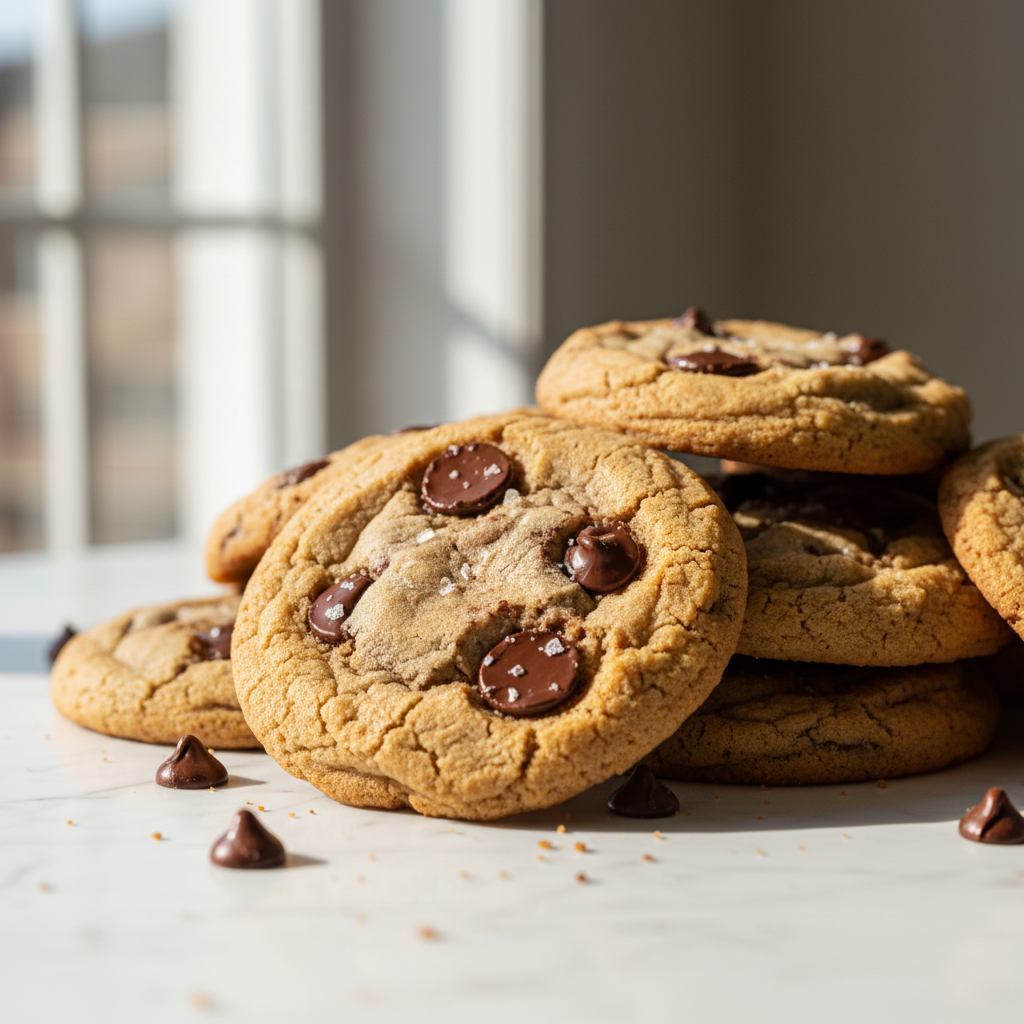
- Underbaked confusion: Eggless cookies can look underbaked in the center. Follow the cue to remove when edges are golden brown and centers are puffy. They will set as they cool.
- Recipe mismatch: Searching the web for eggless cookie recipes and mixing methods can lead to disappointment. Follow a single reliable recipe and learn its sensory cues before making substitutions. For more information, explore our Eggless Cookies Recipe: 5 Simple Steps for Delicious Treats.
The Science Behind Eggless Baking
Understanding ingredient roles takes the mystery out of egg-free baking. Here is a simple science primer so you can troubleshoot like a pro.
- Butter: ½ cup (113g) salted butter, softened, provides fat for tenderness and flavor, and when creamed with sugar, it traps air that helps cookies rise and creates a tender crumb.
- Sugars: ¼ cup (50g) white sugar and ¾ cup (150g) brown sugar, lightly packed, create a moisture balance and caramelization. Brown sugar adds chew and moisture through molasses.
- Water and vanilla: ¼ cup (60ml) water, room temperature, and 2 teaspoons (10ml) vanilla extract provide hydration and flavor. In the absence of eggs, water plays a small binding role and helps gluten formation just enough for structure.
- Leaveners: ¾ teaspoon (3.75g) baking soda plus ¼ teaspoon (1.25g) baking powder add lift and browning. Baking soda reacts with acidic components, while baking powder contributes extra rise without added acid.
- Flour and salt: 1 ¾ cup (210g) all-purpose flour, spooned and leveled, supplies the structure. ½ teaspoon (2.5g) salt enhances flavor and controls sweetness perception.
- Chocolate chips: 1 cup (170g) of chocolate chips adds pockets of melted chocolate and influences texture by interrupting the gluten network locally.
In short, without eggs, we rely on a careful balance of fat, sugars, water, and leaveners for structure, spread control, and chew. That balance is what makes these cookies reliably soft and chewy. For a deeper dive into egg-free baking principles, you might find our No Egg Chocolate Chip Cookie Recipes: The Ultimate Guide helpful.
Tips for Perfecting Your Eggless Cookies
My kitchen experiments taught me tiny habits that change results. Here are the tips I share with friends, and Elsie’s Aha! Moments that made a difference.
- Elsie’s Aha! Moment — Texture cue: The dough should feel tacky but not sticky. If it sticks to your fingers, add flour a teaspoon at a time until it lifts cleanly. That tactile check beats minute guesses.
- Elsie’s Aha! Moment — Creaming time: Cream ½ cup (113g) salted butter, softened with the sugars until pale and airy. This step controls the spread and creates the soft interior. Achieving this perfect creaminess is essential for many baking recipes, not just cookies.
- Room temperature matters: Use room temperature water and vanilla, and softened butter, for even mixing and consistent texture.
- Chill the dough: Chill the cookie dough in the fridge for at least 30 minutes. This firms the fat and concentrates flavors, reducing spread and increasing chew.
- Bake in batches: Bake only 4-6 cookies per sheet for even heat circulation and predictable results.
- Watch the edges: Remove when edges are golden brown. The center will look puffy but will settle into a soft center as it cools. For other baked goods, like Shortbread Cookies Recipe, different visual cues are important.
Storage and Make-Ahead Tips
Plan and keep cookies fresh for sharing or school snacks.
- Short term: Store cooled cookies in an airtight container at room temperature for up to 3-4 days.
- Freezing baked cookies: Freeze fully cooled cookies in a single layer on a sheet, then transfer to a freezer bag for up to 3 months. Thaw at room temperature.
- Freezing dough: Portion dough into balls and freeze on a tray, then transfer to a freezer bag. Bake from frozen, adding 1-2 minutes to the bake time. This is a great make-ahead trick for fresh cookies anytime, similar to preparing Easy, Moist Vegan Banana Muffin No Egg Recipe ahead of time.
- Re-crisping: Warm gently in a 300°F oven for a few minutes to refresh texture, or microwave briefly for a soft, warm treat.
Flavor Variations and Add-Ins
Once you master the base, play with flavors while keeping the same method.
- Nutty twist: Fold in chopped toasted walnuts or pecans for crunch.
- Oat and spice: Add ¼ cup rolled oats and ½ teaspoon cinnamon for a heartier cookie. This would also be a great addition to Overnight Oats Without Eggs.
- Mint or orange: Add a teaspoon of finely grated orange zest or ½ teaspoon peppermint extract for a seasonal twist, but reduce vanilla slightly to avoid clashing.
- Chunk swap: Use chopped chocolate bars in place of chocolate chips for melty pockets of chocolate.
When adding ingredients, fold them in last and keep total add-ins to about 1 cup so the dough balance remains intact.
Conclusion
Baking without eggs is not a compromise; it is an invitation to learn new sensory cues and to celebrate inclusive baking. These cookies prove that you can have soft, chewy, reliably delicious cookies even when eggs are off the table. Whether you’re baking for allergies, dietary choices, or simply curiosity, this recipe provides a fantastic foundation.
From creaming the ½ cup (113g) salted butter, softened with sugars, to the reassuring tacky feel of chilled dough, each step is a small experiment that leads to tasty results. I hope these notes, the recipe, and my Elsie’s Aha! Moments help you bake with confidence. For more ideas on egg-free baking, don’t forget to explore other recipes on our site, like our Amazing Fluffy Eggless Pancake Recipe. Invite neighbors, share with friends, and know that a warm batch can make anyone’s day better. Happy baking from my kitchen in Castleton to yours.
Love this recipe? Follow us on Facebook and Pinterest and explore more creative ideas on our food blog!
Frequently Asked Questions
What is a substitute for eggs in chocolate chip cookies?
Common substitutes include applesauce, mashed banana, flaxseed meal mixed with water, and aquafaba. In this recipe,
the liquid element is ¼ cup (60ml) of water, room temperature, combined with leaveners and creamed butter to replace the
binding and moisture usually provided by eggs.
Can you make chocolate chip cookies without eggs?
Yes. This recipe is designed to produce soft, chewy cookies without eggs by balancing fats, sugars, water, and leaveners. Chilling the dough is particularly important to control the spread in eggless cookies.
What can I put in cookies if I don’t have eggs?
You can use applesauce, mashed banana, or a flaxseed ‘egg’ (1 tablespoon flaxseed meal + 3 tablespoons water equals one egg), or rely on small amounts of water and careful creaming as this recipe does. Each substitute affects texture differently, so adjust expectations accordingly.
What happens if I don’t use an egg in cookies?
Without an egg, cookies may lack some lift and binding that eggs provide. You compensate with creamed butter and the right balance of leaveners. Expect a slightly different texture, but with this method, you can achieve a tender, chewy result.
Do eggless cookies taste different?
They can taste slightly different depending on the substitute used. When no strong substitute flavor is added, like applesauce or banana, the cookies are very similar in taste. Using butter and brown sugar in this recipe keeps the flavor rich and familiar.
How do I prevent eggless cookies from spreading too much?
Chill the cookie dough in the fridge for at least 30 minutes, cream the butter and sugars thoroughly rather than using melted butter, and avoid over-flouring. Also, bake only 4-6 cookies per sheet for even heat.
Can you freeze an eggless chocolate chip cookie dough?
Yes. Portion the dough into balls and freeze on a tray, then transfer to a freezer bag. Bake from frozen, adding 1-2 minutes to the bake time for best results.