No Egg Recipes – Delicious Cooking Without Eggs

Eggless French Toast: Crispy, Custardy Breakfast Without the Eggs
Create crispy, custardy eggless French toast that's allergy-safe and family-approved. Elsie Marlow's tested method, born from home kitchen trials with her

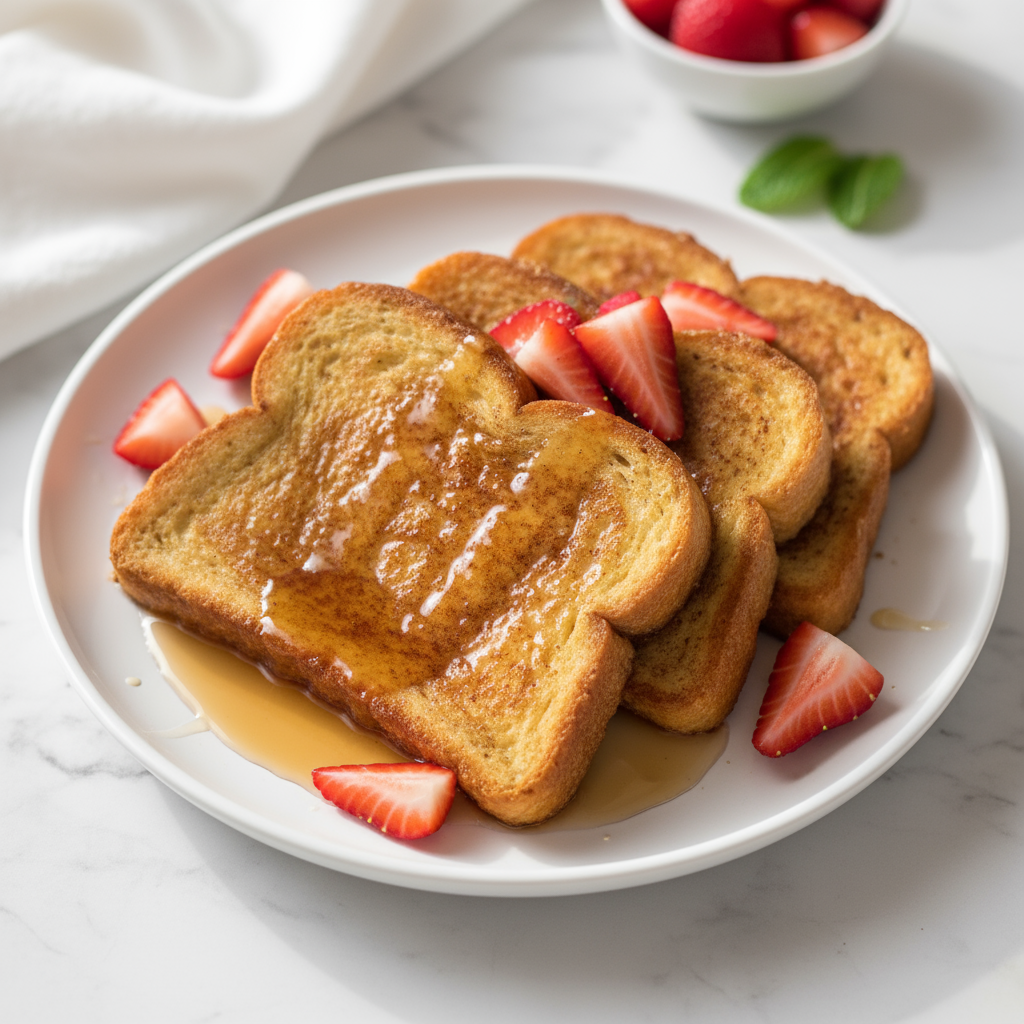
Picture this: It’s a crisp morning in our quiet Castleton home, and little Molly’s eyes light up at the sight of breakfast. But her egg allergy means no traditional French toast for us. That’s when I discovered eggless French toast, transforming soggy disasters into our family’s golden, custardy favorite. After countless kitchen trials with my daughter, I nailed a simple batter that delivers the soft center and crisp edges you crave, all without eggs. Drawing from those hands-on mishaps, I’ll share how cornstarch creates that perfect bind, ensuring quick, allergy-safe mornings that feel indulgent.
- Texture target: Custardy interior with a golden, crisp exterior from even soaking.
- Reliable swap/tool: Cornstarch slurry for egg-free binding that mimics traditional soak.
- Make-ahead: Prepare batter the night before; store soaked bread in fridge for effortless reheating.
Table of Contents
Table of Contents
Eggless French Toast
A simple allergy-friendly breakfast recipe using cornstarch to replace eggs, creating crispy yet tender French toast slices perfect for quick mornings.
PREP TIME
5 mins
5 mins
COOK TIME
15 mins
15 mins
TOTAL TIME
20 mins
20 mins
Servings: 2 slices
Course: Snack
Cuisine: American
Calories: 110
🥄 Ingredients
- 0.5 cup (120 ml) milk, your favorite
- 1 tablespoon (8 g) cornstarch
- 1 teaspoon (5 ml) vanilla extract
- 0.25 teaspoon (0.5 g) ground cinnamon, optional
- 2 slices thick bread, such as white or sourdough
- 2 tablespoons (28 g) butter or cooking spray, for grilling
- 0.5 cup (75 g) sliced strawberries, for serving
- Maple syrup, for serving as needed
👩🍳 Method
- Make the wet mixture. In a shallow dish with sides, combine the milk, cornstarch, vanilla extract, and ground cinnamon. Whisk until everything is combined and the cornstarch is fully dissolved.
- Soak the bread. Place one slice of bread into the milk mixture long enough to soak one side, then flip and soak the other side for an additional 3 seconds, ensuring it’s coated but not overly saturated.
- Cook. Heat a large nonstick pan over medium heat. Melt 1 tablespoon of butter in the pan. Place the soaked bread slices in the center of the pan. Cook for 3 to 4 minutes or until golden brown. Using a spatula, flip the slices and cook the other side for an additional 3 to 4 minutes until golden brown. Remove from the pan and repeat with the remaining butter if needed.
- Enjoy. Top the French toast with sliced strawberries, maple syrup, or your favorite toppings. Serve immediately while warm.
Notes: French toast is done when golden brown and firm on the outside. Store in an airtight container in the fridge for up to 2 days; reheat in a toaster or skillet over medium heat for 1-2 minutes per side. For longer storage, freeze individually wrapped slices for up to 1 month and thaw before reheating.
Why This Recipe Works
As a home cook in the Peak District, where my days blend village tranquility with bustling family meals, I turned to science after Molly’s allergy upended our breakfast routine. Traditional French toast relies on eggs for structure and richness, but my eggless French toast uses cornstarch as a clever binder. This starch swells in liquid, forming a gel-like network that coats the bread evenly, preventing sogginess while yielding a custardy texture inside. It’s not just a swap; it’s a revelation born from failed batches that left us with limp slices. The key? Cornstarch disperses proteins in the batter, trapping air for fluffiness, much like eggs do, but plant-based and safe. We’ve since made vegan French toast versions that rival diner
classics, proving inclusive eating doesn’t sacrifice flavor. Sensory-wise, that first sizzle in the pan releases warm cinnamon notes, filling our kitchen with comforting aromas that draw everyone to the table. Through trial and error, like adjusting soak times to avoid bread disintegration, this method became our staple, empowering busy parents to create dairy-free breakfasts without compromise.
Delving deeper, the chemistry shines in how cornstarch molecules hydrate and thicken at room temperature, unlike eggs that need heat to set. In my experiments, mixing it into a slurry first eliminated clumps, ensuring a smooth dip that absorbs just right. For those seeking gluten-free French toast, this adapts seamlessly with sturdy alternative breads, holding up under the batter’s embrace. It’s this reliability, honed from soggy failures to triumphant stacks, that makes egg-free French toast a go-to for allergy families like ours.
Ingredient Notes & Substitutions
In our Castleton kitchen, where Molly’s laughter echoes through egg-free adventures, selecting the right components is everything. For the batter base, plant-based milk like almond or oat provides creaminess without dairy, echoing the richness eggs lend traditionally. Cornstarch is the star here, acting as a neutral thickener that builds body; a simple mix with water creates the egg substitute slurry. Vanilla extract infuses subtle warmth, while cinnamon adds that nostalgic spice, both pantry staples that elevate the ordinary.
Substitutions keep it flexible for various needs. If allergies extend beyond eggs, swap almond milk for coconut for a dairy-free breakfast twist, though it brings a faint tropical note best balanced with extra cinnamon. For vegan French toast enthusiasts, ensure your bread avoids honey or dairy; sturdy sourdough or brioche-style vegan loaves work wonders. In our trials, flaxseed meal offered another binder option, ground fresh for a nutty depth, though it requires more whisking to integrate smoothly. If gluten is a concern, gluten-free French toast shines with dense rice or almond flour breads, which absorb batter without crumbling. We’ve even used aquafaba from chickpeas for a fluffier lift in special batches, mimicking egg whites’ aeration. These tweaks, learned from flops
like overly watery mixes, ensure every slice delights, whether for allergies, vegan diets, or just variety in our inclusive meals.
Pro tip from my mishaps: Taste the batter before soaking; a pinch more sugar counters cornstarch’s mild starchiness, enhancing those warm, inviting flavors that make breakfast memorable.
Pro Tips & Troubleshooting
From my Peak District home, where kitchen experiments with Molly turned challenges into cheers, I’ve gathered hands-on wisdom for flawless eggless French toast. Start by stirring the batter vigorously to dissolve the cornstarch fully, avoiding those pesky lumps that ruined early attempts and left gritty textures. Aim for a thick, pourable consistency; if it’s too thin, the bread soaks unevenly, leading to sogginess, a lesson from my initial watery disasters.
Troubleshooting common hiccups: If slices fall apart in the pan, your bread might be too fresh and absorbent; opt for day-old for better structure. For that scrambled texture scare, keep heat medium-low, allowing the cornstarch to set gradually without curdling. We’ve laughed off batches where high heat turned our efforts into odd scrambles, now preventing it by preheating the pan with a touch of oil for even sizzle and release.
Sensory cues guide you: Listen for the gentle hiss as bread hits the hot surface, and inhale the rising vanilla and cinnamon steam that promises success. Another pro move? Press lightly with a spatula for even browning, flipping only when edges crisp, ensuring a fluffy interior. For busy mornings, batch-prep batter in advance, storing it airtight; it holds for days without separating. These tips, forged from failures, make egg-free French toast reliable, turning novice cooks into confident creators of golden stacks that wow the family.
Variations & Flavor Twists
Our Castleton kitchen thrives on creativity, especially since Molly’s allergy opened doors to endless eggless innovations. For a vegan French toast upgrade, infuse the batter with pumpkin puree in fall, adding natural sweetness and an orange hue that pairs beautifully with maple. We’ve twisted it into a flaxseed custard recipe by grinding flax into the mix, yielding a subtle nutty earthiness that grounds the cinnamon warmth.
Experiment with stuffed versions: Spread nut butter inside before soaking for a protein-packed surprise, or layer fresh berries for bursts of tartness against the custardy base. For gluten-free French toast, cinnamon-raisin alternatives hold batter well, crisping to reveal chewy fruits within. Sensory delight comes from the aroma of nutmeg added to the spice blend, wafting through our village home like a cozy hug.
Seasonal twists keep it fresh: Lemon zest brightens summer slices, while apple cider vinegar in the batter mimics buttermilk tang for a dairy-free breakfast zing. From our joyful mishaps, like over-spiced batches that taught balance, these variations empower you to tailor eggless French toast to moods and diets, always inclusive and delicious. Try banana mash for natural binding and tropical flair, ensuring every bite feels like a family adventure.
Serving & Storage
In our quiet Peak District life, serving eggless French toast hot off the griddle is a ritual that brings us together, topped with kid-friendly favorites like fresh strawberries or a dusting of powdered sugar that Molly adores. Pair with yogurt for creaminess or maple syrup drizzled warm, enhancing the vanilla undertones and crisp edges. For busy mornings, these stacks fuel the day with comforting familiarity.
Storage keeps it practical: Cool slices completely before stacking in an airtight container; they last up to three days in the fridge, reheating in a toaster for that fresh sizzle. We’ve frozen extras in single layers, separated by parchment, thawing overnight for quick school rushes. Sensory revival happens with a quick pan-warm, restoring the golden crunch and fluffy heart. These habits, born from allergy-driven planning, ensure no waste and endless convenience, making vegan French toast a staple for any inclusive household.
Common Mistakes to Avoid
Reflecting on our Castleton kitchen trials, where Molly’s allergy sparked both tears and triumphs, I’ve pinpointed pitfalls in eggless French toast that I once stumbled over. A big one: Skipping the cornstarch slurry, leading to a thin batter that soaks bread into mush; always whisk it first for smooth integration. Another error? Over-soaking, which I learned the hard way, causes disintegration, so limit dips to 20-30 seconds per side for balanced absorption.
Don’t crank the heat too high; it browns exteriors too fast while leaving centers raw, echoing my early scrambled messes. Instead, medium heat allows cornstarch to set gently, yielding custardy perfection. Forgetting to pat bread dry before battering traps excess moisture, resulting in steam rather than sear, a sogginess source we’ve overcome. Taste-test spices too; under-seasoning dulls the warm cinnamon allure that makes breakfast sing.
Lastly, using soft sandwich bread invites collapse; sturdier options withstand the process. These avoidances, drawn from hands-on failures, guide you to consistent wins, turning potential flops into sensory joys of sizzling pans and aromatic stacks that unite the table.
Best Substitutes for Eggs in French Toast
As a mom navigating Molly’s egg allergy in our Peak District haven, finding reliable egg swaps has been transformative for our breakfasts. Cornstarch tops the list for eggless French toast, forming a gel that binds and thickens without altering flavor, perfect for that custardy soak. In our experiments, a simple slurry of one tablespoon per serving creates a structure akin to beaten eggs.
Flaxseed ‘egg‘ offers a nutty alternative, especially in flaxseed custard recipes; mix ground flax with water for omega-rich binding that adds subtle depth. Aquafaba, the liquid from chickpeas, whips airily like egg whites, ideal for fluffier vegan French toast. For simplicity, mashed banana lends sweetness and moisture, though it imparts fruit notes best in flavored twists.
We’ve tried chickpea flour for protein punch, blending seamlessly into batters for dairy-free breakfasts. Each substitute shines in trials: Cornstarch for neutrality, flax for nutrition. From soggy starts to crisp successes, these options ensure safe, delicious inclusivity, empowering allergy families to savor every bite with confidence.
Tips to Prevent Scrambled Texture in French Toast
In my Castleton kitchen, where egg-free cooking with Molly meant dodging disasters, preventing a scrambled texture became a hard-won skill. The culprit? Uneven heat causes cornstarch to clump prematurely; maintain medium-low settings for gradual setting, allowing the batter to envelop the bread smoothly. We’ve avoided scrambles by pre-mixing batter thoroughly, ensuring no lumps that seize under heat.
Another tip: Soak briefly and shake off excess, preventing pooling that leads to uneven cooking and odd curds. Pat bread lightly before dipping to remove surface moisture, promoting crisp sear over steam. If using plant milks, whisk in cornstarch off-heat first, folding into warm liquid slowly for stability.
Sensory check: The pan should sizzle softly, not spit, signaling controlled browning. From our early mishaps with rushed flips turning slices into jumbles, these steps now guarantee fluffy interiors and golden outsides, making eggless French toast a reliable joy for allergy-safe mornings.
Understanding the Role of Eggs in Traditional French Toast
Growing up with Peak District simplicity, traditional French toast was a weekend treat until Molly’s allergy shifted our perspective. Eggs serve as the emulsion powerhouse, blending milk and fat for a rich, cohesive batter that clings to bread. Their proteins coagulate with heat, creating a structure that yields tender yet firm slices, while yolks add custardy moisture and golden hue.
In classic recipes, eggs prevent sogginess by forming a barrier, allowing even absorption without breakdown. They also trap air for lightness, contributing to that fluffy interior we love. But in our egg-free journey, replicating this through cornstarch’s starch networks or flax’s gels proved equally magical, without the allergen risk.
Understanding this role illuminated my failures: Without eggs’ binding, early batters lacked hold, leading to disintegration. Now, armed with science, our versions mimic the sizzle, aroma, and texture, proving necessity breeds innovation in inclusive cooking.
Alternatives to Milk for French Toast
Our Castleton home, buzzing with egg-free experiments, extended tweaks to dairy for fuller inclusivity. Almond milk stands out for its neutral lightness, perfect for eggless French toast without overpowering spices. Oat milk brings creamy oat notes, enhancing cinnamon warmth in vegan French toast, a favorite in our dairy-free breakfast rotations.
Coconut milk offers tropical richness for indulgent stacks, though dilute if the flavor’s too bold. For nut-free needs, rice milk provides subtle sweetness, maintaining batter smoothness. In gluten-free French toast trials, soy milk’s protein aids binding, mimicking dairy’s coagulation.
From watery flops with skim alternatives, we’ve learned that full-fat versions coat better, yielding crisp edges. These swaps, tested amid Molly’s giggles and my whisking, ensure versatile, safe options that fill the kitchen with vanilla-scented promise, uniting all at the table.
Conclusion
Wrapping up our eggless French toast journey from Castleton, where Molly’s allergy ignited kitchen creativity, I’m thrilled to share this path of resilient, flavorful breakfasts. What began as soggy struggles evolved into confident stacks of golden crisp and custardy softness, thanks to simple swaps like cornstarch binding. Through sensory joys, the sizzle in the pan, warm cinnamon whispers, and family smiles, we’ve proven that inclusive eating amplifies connection.
Whether vegan, allergy-driven, or curiously experimental, these tweaks empower your mornings. Embrace the trials; stir away clumps, taste the vanilla lift, and adjust soaks for perfection. Dive in, experiment boldly, and let egg-free French toast become your staple. Your table deserves this warmth, mishaps and all, bringing everyone together in delicious unity.
Love this recipe? Follow us on Facebook and Pinterest and explore more creative ideas on our food blog!
Frequently Asked Questions
What can you substitute for eggs in French toast?
Cornstarch slurry is a top choice for binding, creating a custardy texture without eggs. Flaxseed mixed with water or aquafaba from chickpeas also work well for vegan versions, mimicking eggs’ structure.
How to avoid scrambled eggs in French toast?
Use medium-low heat to let the batter set gradually, soak bread briefly, and shake off excess. Whisk cornstarch fully into the milk base off-heat to prevent clumping.
Why are eggs needed in French toast?
Eggs emulsify the batter for richness, bind to the bread for structure, and coagulate with heat for a tender yet firm texture, preventing sogginess in traditional recipes.
What else can you use instead of milk for French toast?
Almond or oat milk provides creaminess for dairy-free options. Coconut milk adds richness, while rice or soy milk keeps it neutral and versatile for various diets.
Can you make eggless French toast vegan?
Yes, use plant-based milk, cornstarch or flax as egg substitutes, and vegan bread. Top with maple syrup or fruits for a fully plant-based, allergy-friendly breakfast.
How long does eggless French toast last in the fridge?
Cooked slices store well in an airtight container for up to three days. Reheat in a toaster or pan to restore crispness and flavor.
What bread works best for eggless French toast?
Day-old sturdy bread like sourdough or brioche holds up best to the batter. For gluten-free, use dense rice or almond flour loaves to maintain structure.